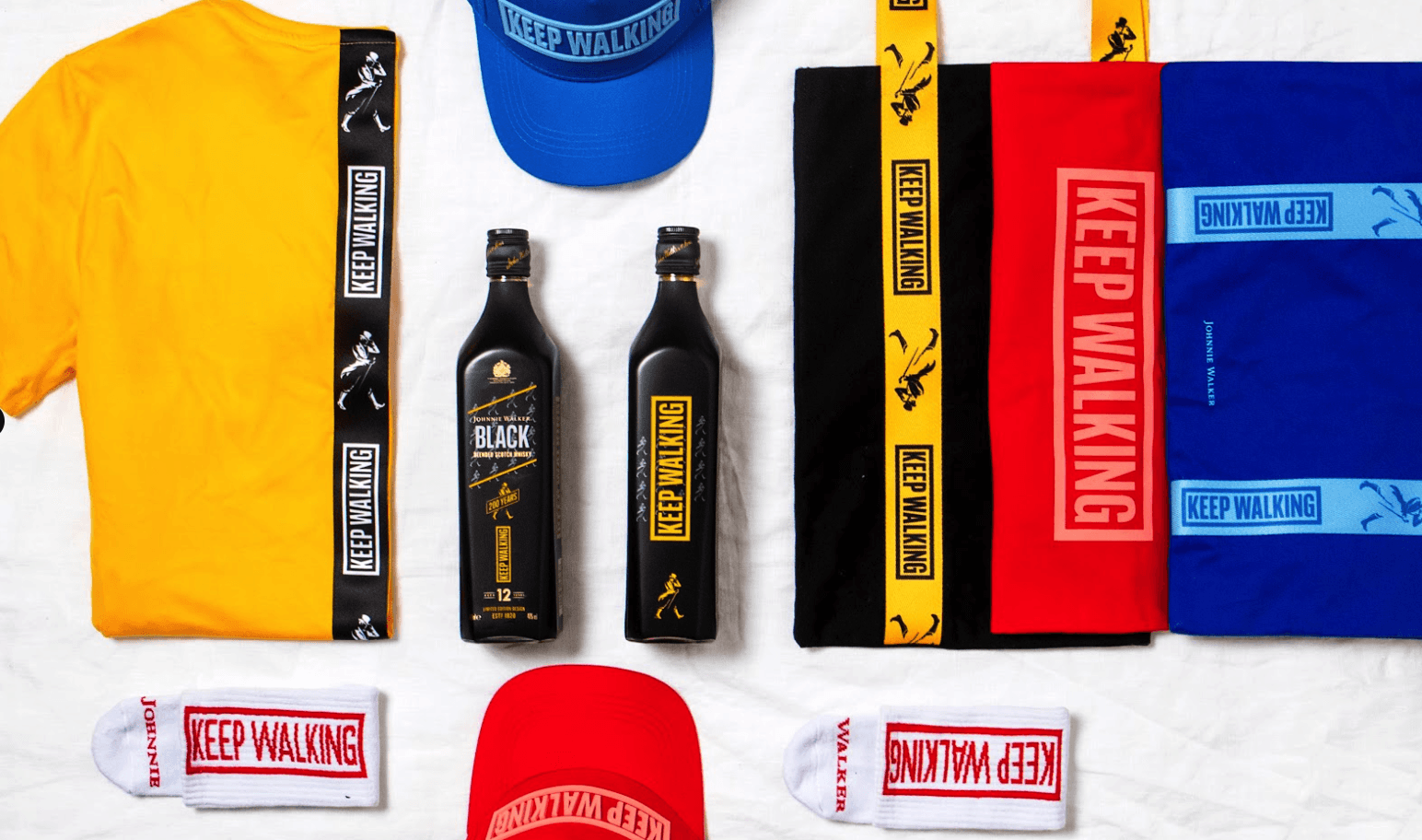


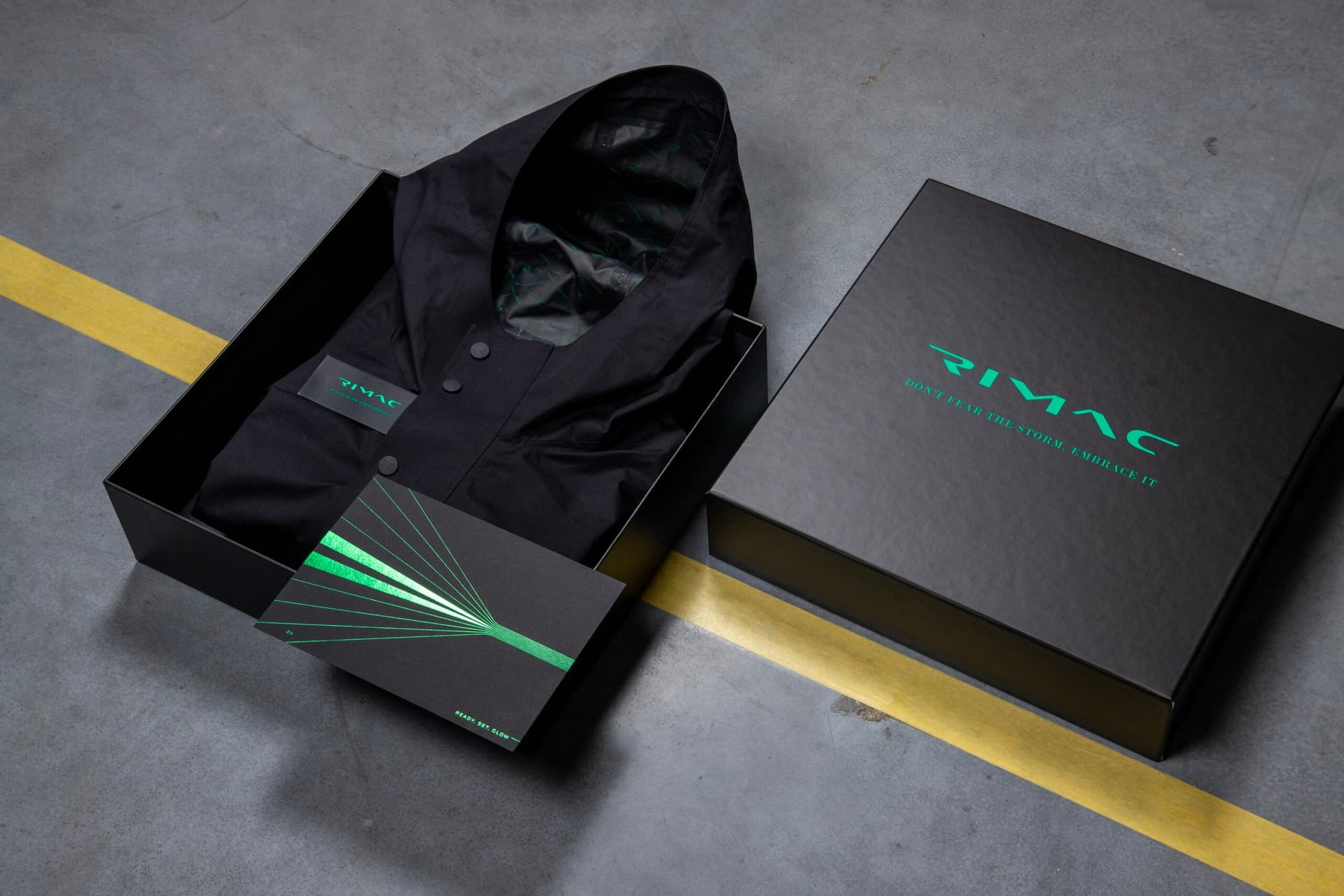
A promotional item can do more than carry a logo. In the right hands, it becomes a practical object someone keeps, a tiny reminder of your brand’s standards, and a reason to start a conversation.
That’s why the “best” promotional items store is rarely the one with the biggest catalog. It’s the one that helps you choose pieces that fit your audience, your budget, your timelines, and your brand voice, then executes with consistency.
What a promotional items store should do for a brand
A strong store acts like a partner for brand expression. It offers guidance on what to print, where to print it, and which materials will still look good after weeks of daily use. That guidance matters because promotional products are judged at arm’s length: people notice weight, finish, printing clarity, and whether the item feels thoughtfully selected.
It should also reduce decision fatigue. When every pen and tumbler looks “fine” on a product page, the store’s real value is helping you make fewer, better choices: the right two notebooks instead of fourteen, the one hoodie that fits your audience instead of a dozen that shrink or pill.
Reliability is its own kind of branding. If your team is planning a conference, a recruiting event, or customer gifts, the store needs to be accurate on lead times, clear on proofs, and steady on reorders. One late shipment can erase months of planning.
And it should protect you from avoidable surprises, from color mismatches to packaging that doesn’t survive transit.
Start with brand intent, not product catalogs
Before you pick products, clarify what you want the items to do. Are you trying to book more demos, increase retention, support a hiring push, or create consistency across regional teams? Each goal points toward a different mix of products, price points, and distribution methods.
A good store will ask questions that sound simple but change everything: Who receives the item? How will it be handed out? Will it be used at a desk, in transit, or outdoors? Is this meant to feel premium, playful, minimalist, or bold?
After you’ve defined intent, it’s easier to set guardrails.
- Budget tiering
- Audience segments
- Event timelines
- Shipping destinations
- Brand colors and logo rules
Those guardrails turn the catalog into a curated selection, which is where promotional products start feeling strategic instead of random.
The product mix that works year-round
Most brands don’t need hundreds of SKUs. They need a small, flexible set of items that map to common moments: events, onboarding, customer appreciation, seasonal campaigns, partner programs, and internal milestones.
A store worth sticking with will help you build that “core set,” then add limited runs when a campaign calls for something fresh.
Here’s a practical way to think about the mix:
| Goal | Best-fit items | Why it works | Watch-outs |
|---|---|---|---|
| High-volume giveaways | Stickers, simple pens, badge accessories | Low unit cost, fast handout, easy to pack | Printing must stay crisp at small sizes |
| Desk presence | Notebooks, quality pens, mousepads, desk plants | Used daily, keeps brand in view | Cheap materials look tired quickly |
| Premium appreciation | Insulated bottles, soft hoodies, curated kits | Feels intentional, longer retention | Sizing, color consistency, and packaging matter |
| Remote team support | Ship-to-home kits, mugs, cable organizers | Builds belonging across locations | Address collection and shipping accuracy |
| Travel and events | Totes, lanyards, chargers, compact umbrellas | High utility in motion | Stock can vanish during busy seasons |
| Sales enablement | Leave-behinds, demo kits, small tech accessories | Supports follow-up conversations | Needs tight inventory control |
Notice that “best” rarely means “most expensive.” It means the right level of quality for how long you want the item to live in someone’s routine.
Quality control: the quiet differentiator
A promotional item is often someone’s first physical experience of your brand, so quality becomes brand perception in a matter of seconds.
The best stores talk about quality in concrete ways: fabric weights, lid seal performance, ink durability, stitch density, and how different materials take imprinting. They can explain why two similar products have very different price points and what you get by paying a little more.
They also prevent common issues by standardizing proofs and production checks. That may include confirming Pantone matches when needed, flagging logos that will fill in at small sizes, and advising when to simplify artwork for embroidery.
Design and imprint options that keep your logo looking sharp
Your logo is not a sticker you slap on at the end. It’s part of the object’s design, and the store should treat it that way. The imprint method, placement, and scale should match how the item is used and seen.
A reliable store will walk you through options and trade-offs, without pushing you toward the flashiest technique when it doesn’t fit the product.
- Screen printing: Great for bold graphics on tees and totes, usually cost-effective at volume
- Laser engraving: Clean, durable, and subtle on metal, ideal for a premium feel
- Embroidery: Strong on hats and outerwear, but fine details can get lost
- Full-color digital: Best for gradients or photo-like art, varies by substrate and durability
- Debossing: Quiet sophistication on leatherette or notebook covers, depends on material thickness
Ask to see real photos of past work, not just mockups. A digital proof can look perfect while a small logo on textured fabric turns muddy in production.
Ordering, shipping, and inventory: the operational test
A promotional items store can have great taste and still fail you operationally. Look for ordering workflows that make sense for how your company actually runs. That could mean purchase orders, split payments by department, budget caps, or approval gates before production begins.
Shipping is where many programs break down. A good store can offer options for bulk ship to events, ship-to-home for remote recipients, and multi-location drops. Clear timelines should include proof approval, production, and transit, not just an optimistic “ships in 10 days.”
Inventory support can be a major advantage if you run repeated campaigns. Warehousing and kitting services help when you need consistent onboarding kits or partner packs without rebuilding the process each time.
One sentence that signals competence: “Here’s what can go wrong, and how we avoid it.”
Sustainability and compliance that still feels on-brand
Sustainability can be practical, not performative. A store with strong sourcing can suggest products that last longer, replace disposable habits, and use materials people actually want to keep. That often has the added benefit of better brand association, because no one loves receiving something that feels destined for a drawer.
Compliance matters too, especially for items that touch food, skin, or electronics. You want a store that can answer questions about safety standards, material disclosures, and any relevant testing documentation for the product category.
A smart approach is to choose fewer items, better made, with packaging that ships well and wastes less space. That’s good for perception and good for logistics.
How to evaluate a promotional items store quickly
After your first conversation or two, you should be able to tell whether a store will be easy to work with at scale. The signals are usually straightforward: clarity, speed, honesty about timelines, and evidence that they care about outcomes, not just orders.
Here are a few high-value checks to run early, before you commit to a large program:
- Ask for a sample plan that matches your use case, not a generic “top sellers” list
- Request a clear timeline that includes proofing and production, with realistic buffers
- Verify how reorders work when you need the same item six months later
- Confirm how they handle color consistency across different materials
- Ask what happens if something arrives damaged or misprinted
You are not just buying products. You’re buying repeatability.
Building a repeatable promotional plan (without turning it into busywork)
The strongest brand programs treat promotional items like a system. Start with a tight “core kit” you can reorder any time, then layer in campaign-specific pieces when there is a clear reason.
Many teams do well with a simple cadence: one set for onboarding, one for events, one for customer appreciation, and one for internal culture moments. Keep the brand rules consistent, keep the item selection restrained, and track which products get requested again. Reorders are a useful signal of real value.
When your promotional items store can help you maintain that rhythm, your brand shows up in the world with more consistency, more confidence, and far less scrambling before the next deadline.