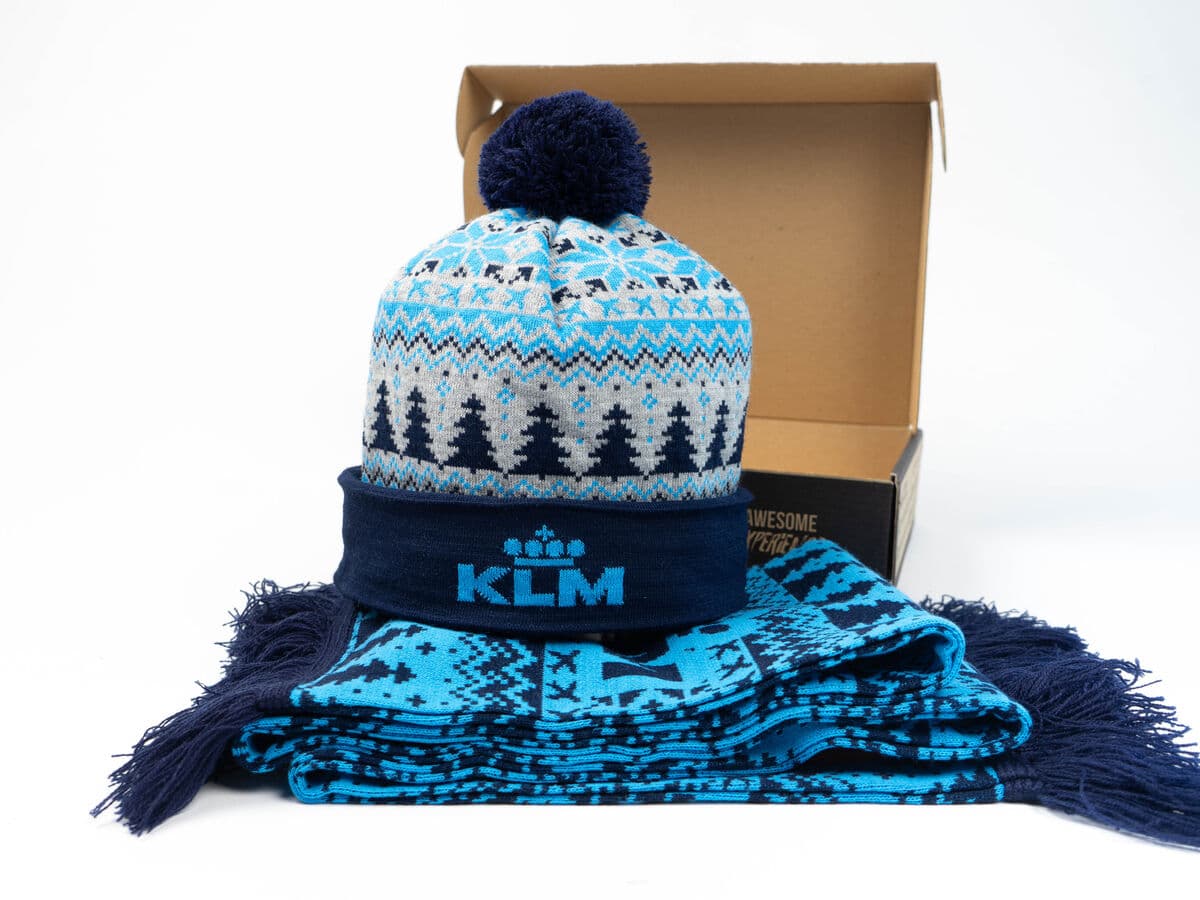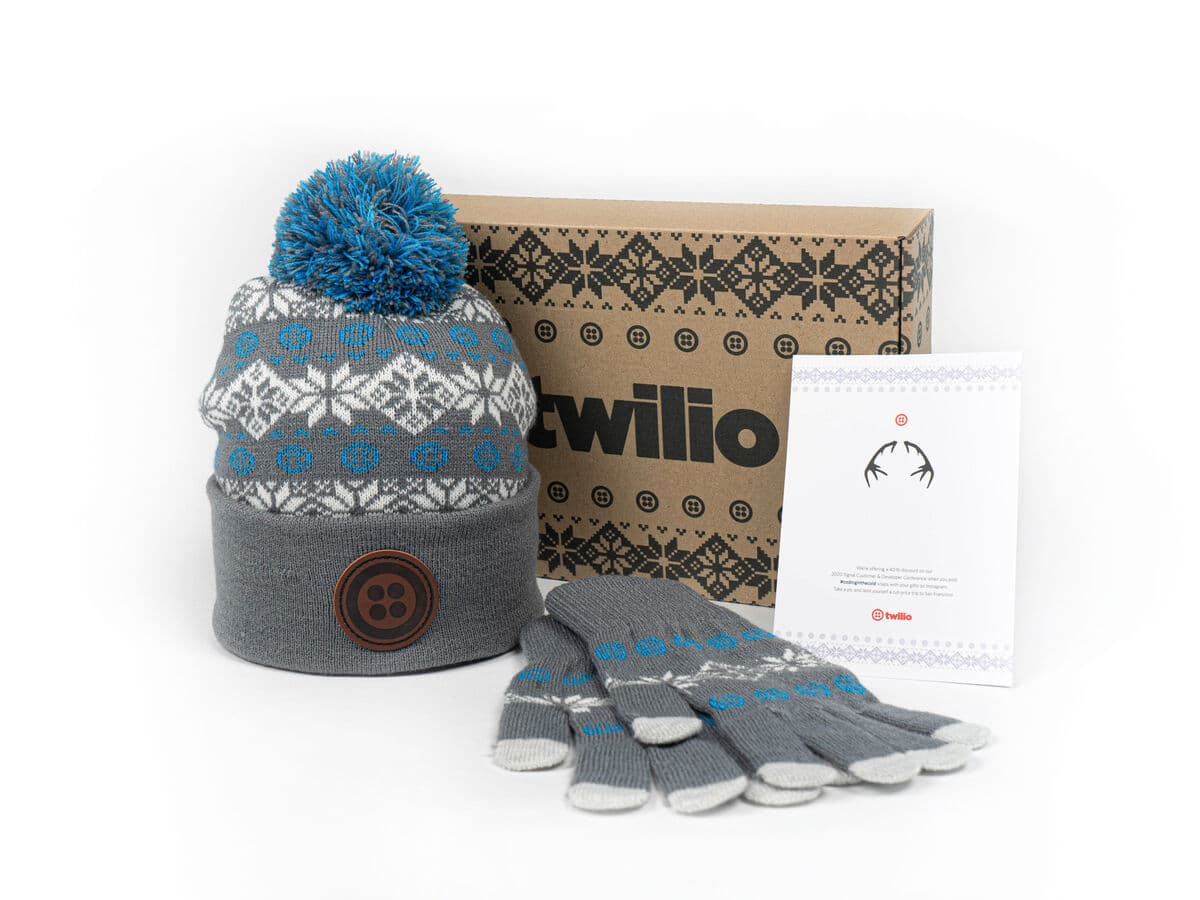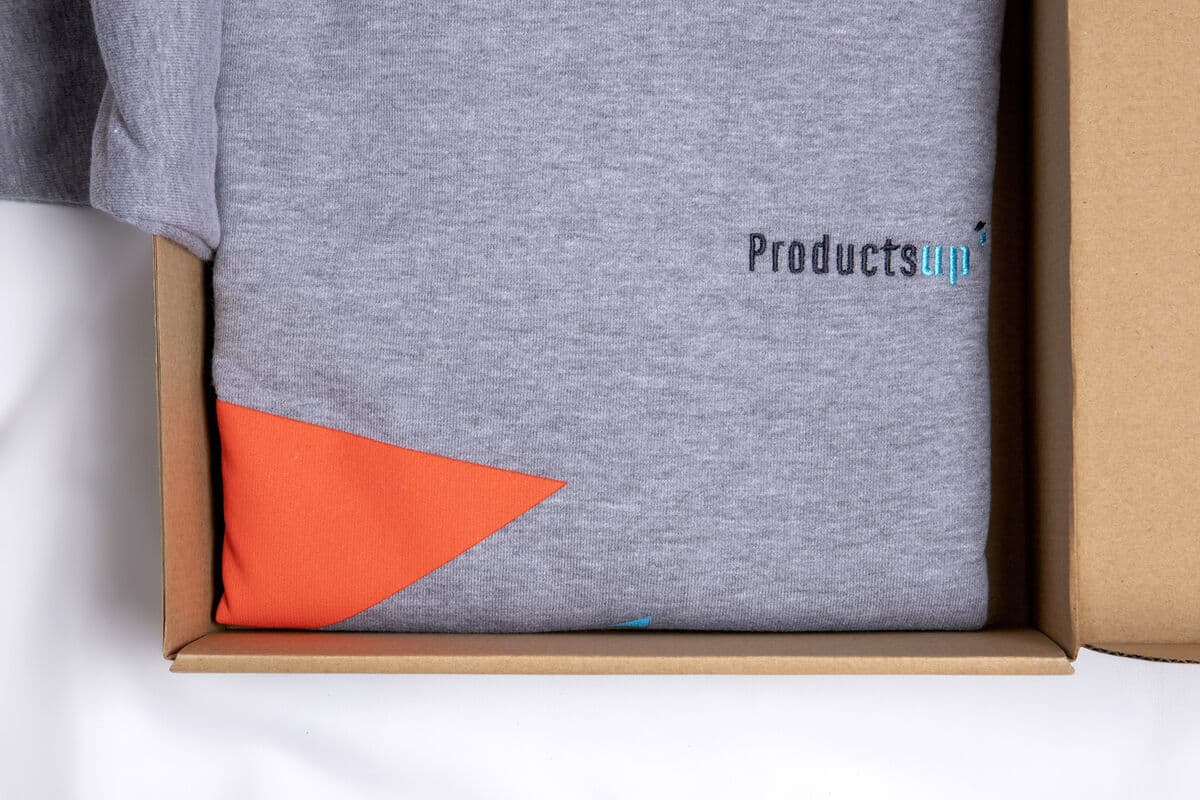
What these examples are not: they are not a generic swag drop. A partner onboarding kit is a physical welcome for a new reseller, distributor, agency, installer or affiliate. The message isn't "welcome to the team." It's "welcome to the ecosystem: you're now one of the people representing and growing this brand." Every example below carries that message differently.
The pattern behind partner kits that work
Look across strong partner onboarding kits and the same three decisions show up every time.
- Triggered on a real milestone. The kit lands when the partner becomes meaningfully active, not on a random date. Signing, certification, first deal, first install.
- Tiered by value. A small partner gets a lean kit, a large one gets more. Products, quantity, customisation and co-branding scale with the partner's size and strategic importance.
- Product plus enablement. Useful merch (backpack, apparel, desk item, bottle) sits alongside enablement materials and a clear next action. Every shipment is a chance to educate and activate.
1. AnyDesk: an auto-tiered kit, adjusted by partner size
AnyDesk
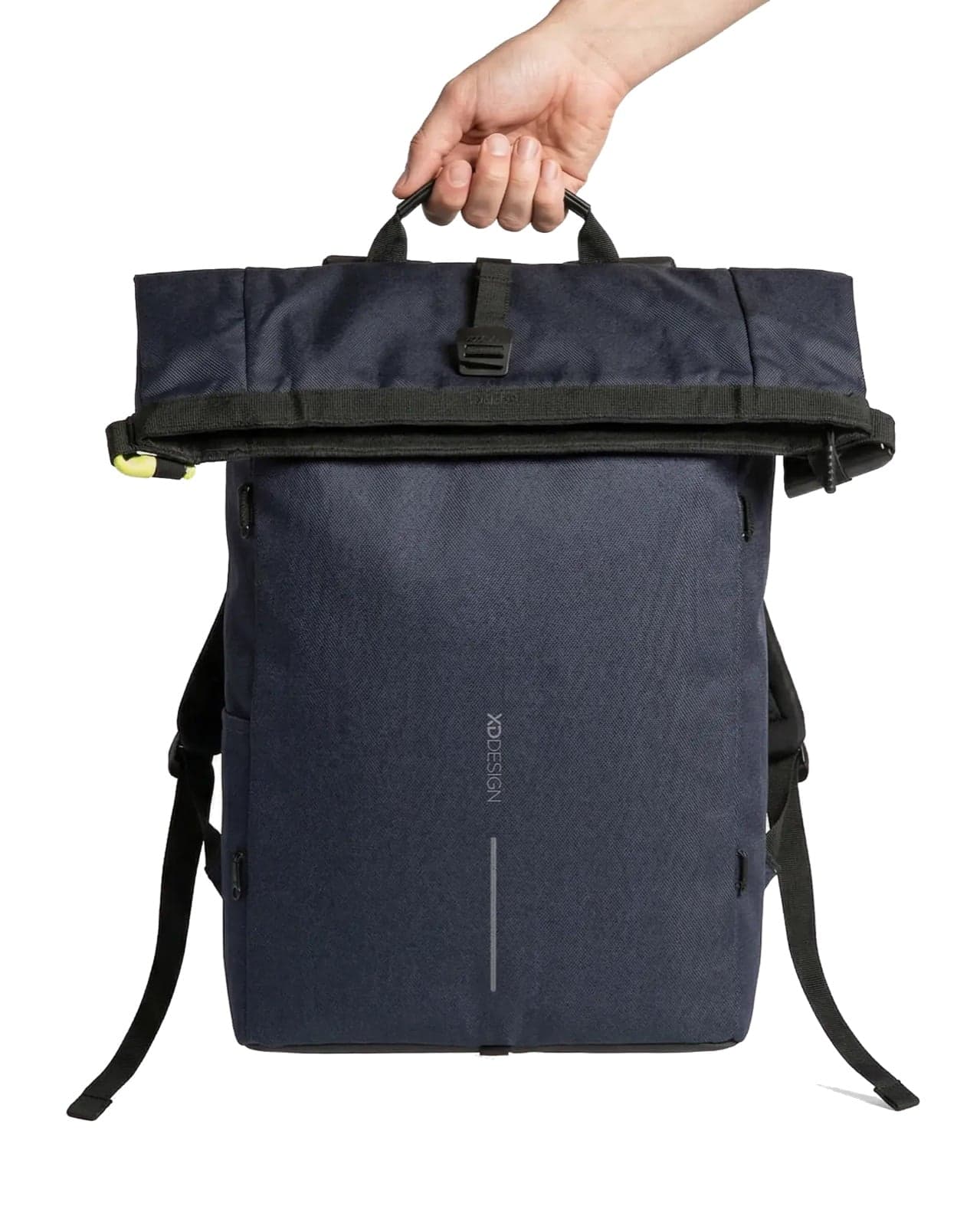
Auto-triggered Size-tieredAnyDesk runs a large international IT-partner network, and its onboarding kit is a model for scale. The kit is auto-triggered the moment a partner signs, and it is tiered by partner size: a small IT company receives fewer items, a 100-employee partner receives more. Backpacks are a key item. It works for four reasons at once. It is tied to the signing moment, so the timing is meaningful. It is automated, so the channel team doesn't hand-pack anything. It is value-adjusted, so budget follows partner potential. And the contents are genuinely useful, so they get used.
The backpack is doing quiet work here. It carries the brand into a partner's daily commute and customer visits, which is exactly why it is such a strong onboarding item. If you want to build the same anchor product, see custom backpacks and preview one in the free backpack mockup generator.
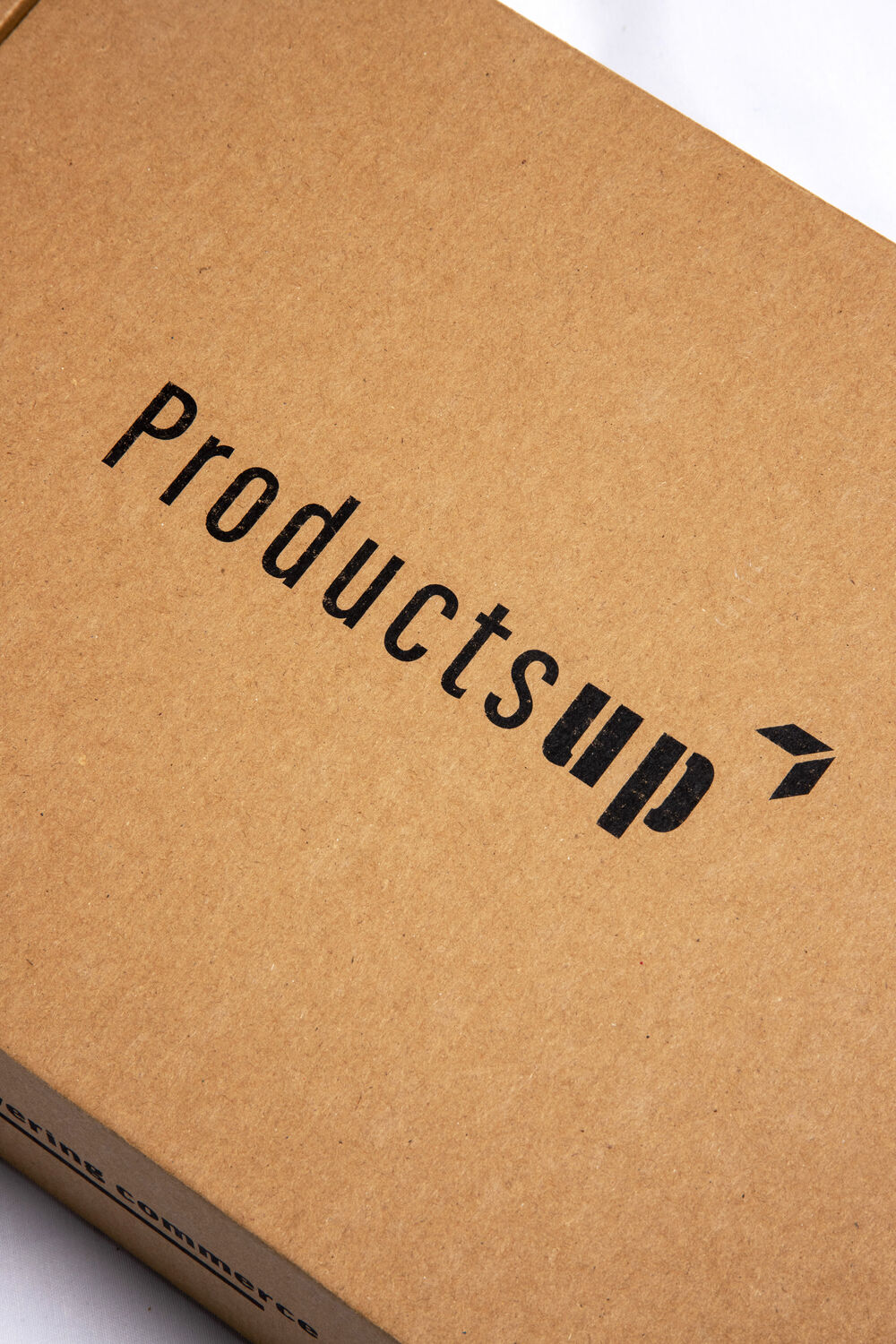
A premium, curated partner box. The presentation itself carries the message: this partner matters, and they are now part of the ecosystem.
2. A certification-triggered installer kit
Installer programme
Certification trigger Practical merchA separate company runs its installer onboarding differently, and the lesson is in the trigger. Here the kit is not sent when the partner signs. It is sent when the installer completes certification. The kit becomes a reward for becoming operationally ready, not just a welcome for signing a contract. Contents lean practical: polos, caps, work jackets, a backpack and field accessories, the things an installer actually uses on site. A second reward follows the first successful install.
3. A reseller starter box
Reseller kit
Wearable + giveawaysResellers need to represent the brand in front of their own customers, so their kit skews toward wearable apparel and customer-facing items: branded apparel, backpacks, caps, tees, plus a small set of customer giveaways and event products. A machinery reseller, carrying more weight in the channel, gets a larger starter box. The kit equips the reseller's people and gives them something to hand on, which extends the brand past the partner to the partner's customers.
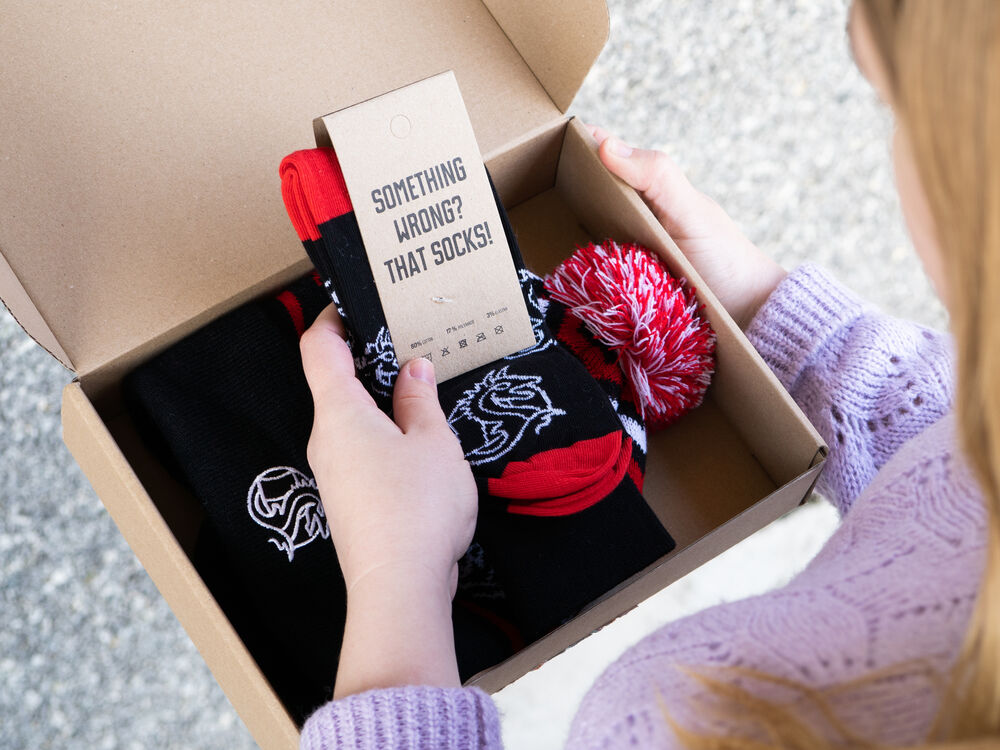
A reseller starter box scales with the partner. A bigger channel partner earns a bigger box, and the products equip their whole team.
4. A distributor co-branded kit
Distributor kit
Co-branded Higher tierFor a highly integrated distributor, the kit can go further into co-branding: clothing for drivers, field staff and warehouse teams that carries both logos, creating local presence where the vendor has no office. Co-branding is reserved for higher tiers and meaningful volume, because the vendor funds it and the partner earns it. It is a reward and a status marker, not something offered to every partner by default.
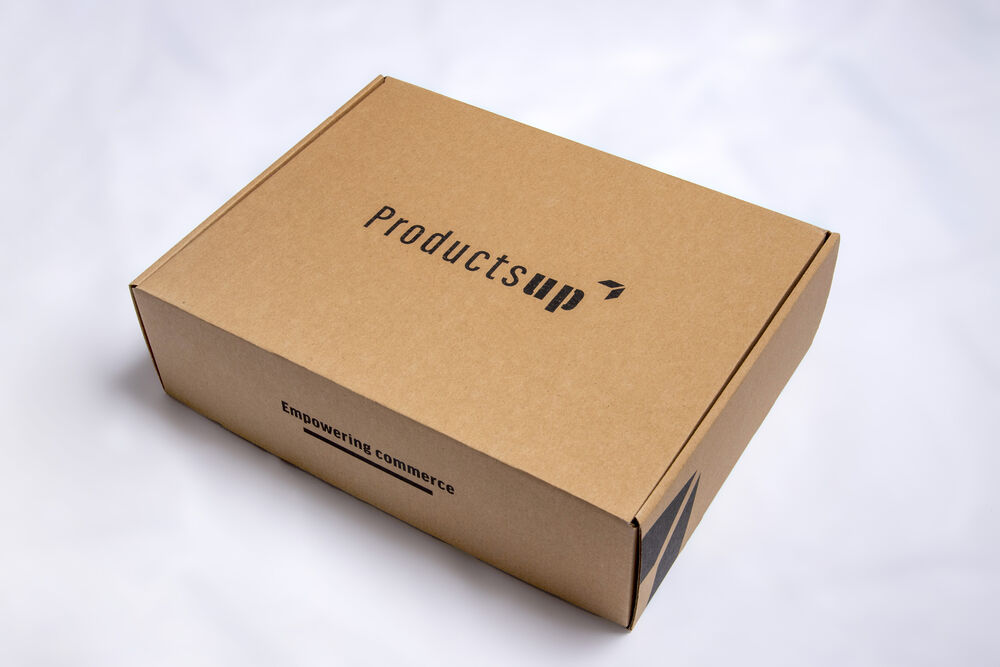
The unboxing is the message. A considered box tells a new partner they matter and that they are now part of the ecosystem, before they read a single enablement page.
What to include in a partner onboarding kit
Across every example, the contents come down to a short, repeatable checklist. Match the mix to the partner type.
| Item | Why it belongs | Best for |
|---|---|---|
| Backpack | Travels with the partner, daily brand presence, premium feel | Almost every partner type |
| Apparel (polo, tee, jacket) | Wearable brand representation in front of customers | Resellers, installers, distributors |
| Desk / tech item | Stays visible, keeps the brand top of mind | Affiliates, agencies |
| Water bottle, notebook, charging product | Useful everyday items that get carried and used | All tiers |
| Enablement materials | Product info, programme benefits, contacts, certification links, clear next step | Mandatory in every kit |
| Personal welcome note | Signals belonging, sets the ecosystem tone | Mandatory in every kit |
Build your own partner onboarding kit
Every example here is a product mix plus enablement plus a trigger, delivered smoothly. Sunday runs all of it: build a premium kit with a backpack as the anchor item, standardise it into one collection, and let CRM or PRM triggers send it automatically. Start with the anchor product on the custom backpacks page, preview branding in the mockup generator, see how it works, and when you need to ship kits to partners across regions, that is exactly what our distribution service is built for. The full playbook is in the partner onboarding kits pillar.
About this article
Keep reading: partner onboarding kits
Build a partner onboarding kit that gets used
Anchor it with a premium branded backpack, add enablement, trigger it from your CRM, and let Sunday ship it. Create a free account to start.
Build this campaign