

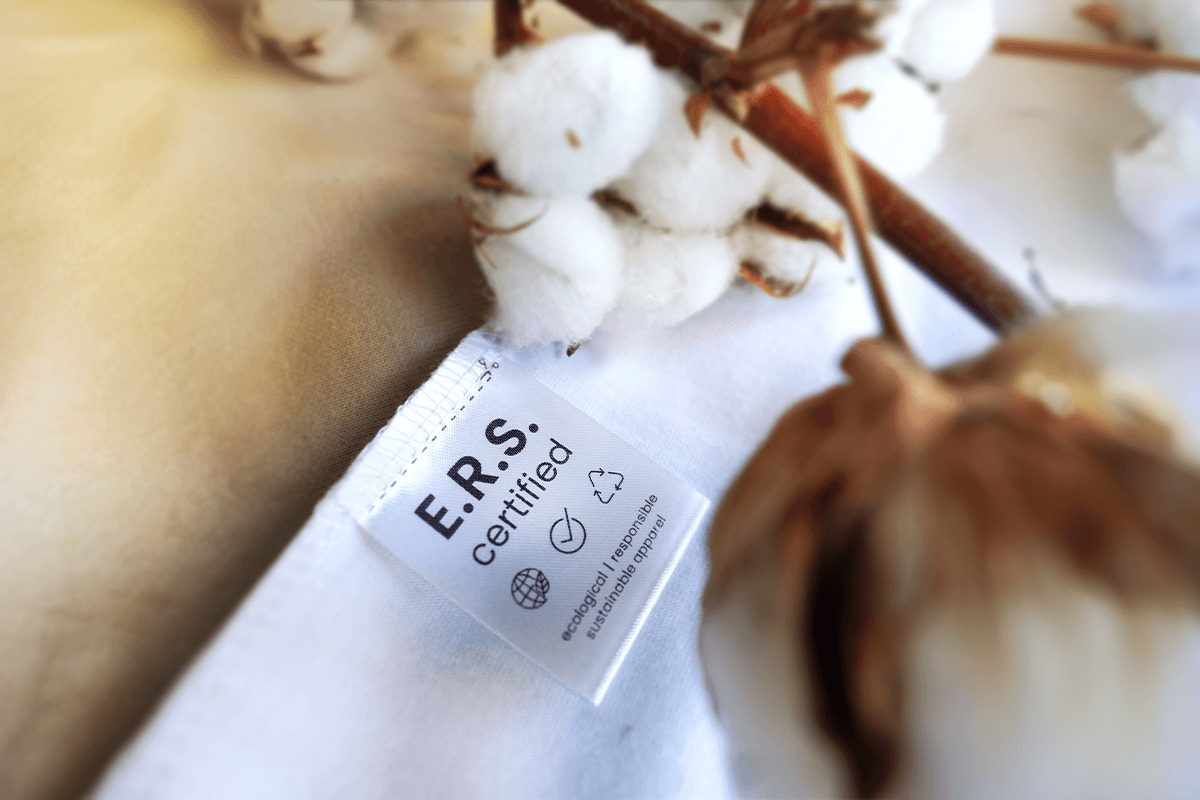
Company swag is often treated like a quick win: order a box of things, add a logo, hand them out, move on. The problem is that people can feel the shortcuts instantly. They notice when a zipper snags, when a bottle sweats, when a tote tears at the seam, when the “eco” claim is really just a color palette.
Premium sustainable swag flips that script. Done well, it signals care for craft, care for people, and care for impact, all without sacrificing style.
Why “premium” and “sustainable” actually fit together
Premium used to mean heavier, shinier, more. Sustainable was framed as “less,” or a compromise. That split is outdated.
The strongest sustainability strategy for swag is durability. A well-made item earns a spot in daily life. It gets repaired instead of replaced. It stays out of landfill because it never becomes “junk” in the first place.
There’s also a brand truth hiding in plain sight: if a company says it values long-term thinking, the objects it gives away should reflect that same long-term mindset.
What premium feels like in someone’s hands
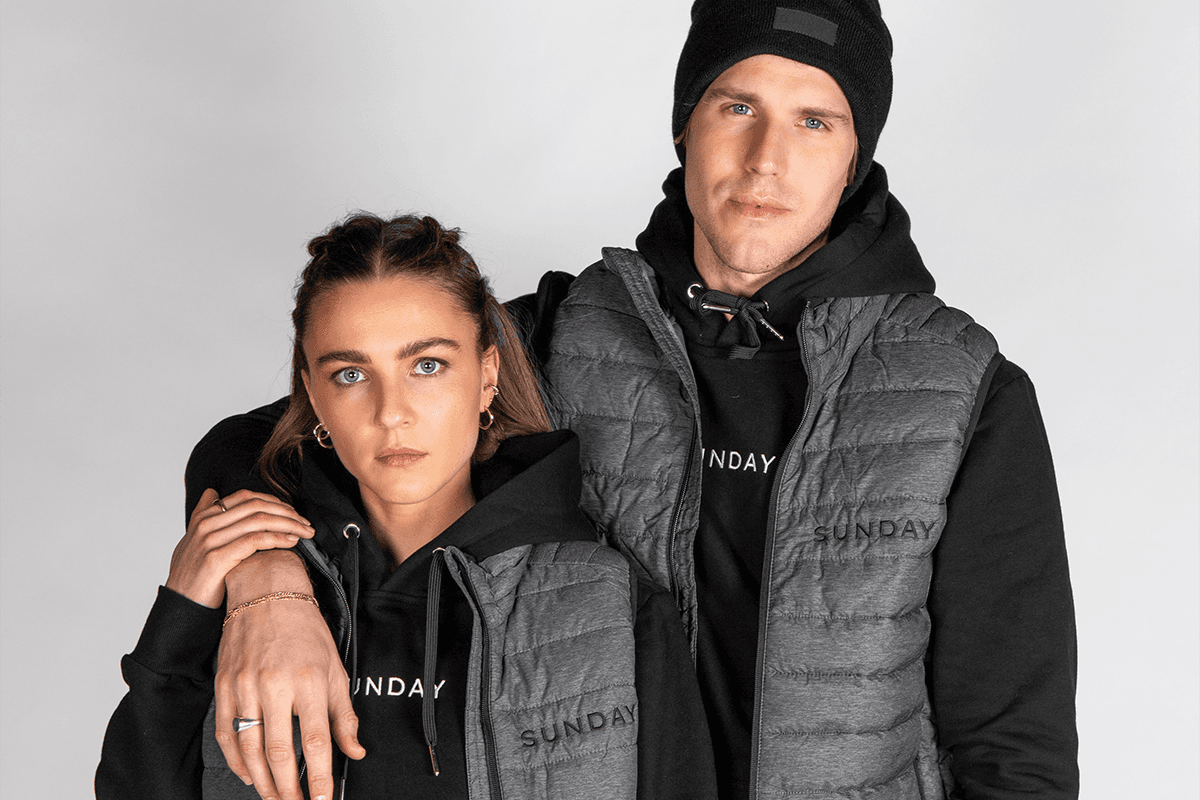
Premium is tactile. It is the way a pen glides without skipping, the way a sweatshirt drapes, the way a bottle cap threads cleanly on the first try. It is also visual, but not loud.
A helpful test is to imagine the item with no logo at all. Would someone still choose it? Would they be slightly proud to pull it out in a meeting or on a flight?
Signals of “this is quality” tend to be consistent across categories:
- Dense stitching and reinforced stress points
- Matte finishes over glossy coatings
- Simple silhouettes with thoughtful details
- Quiet branding that respects the product
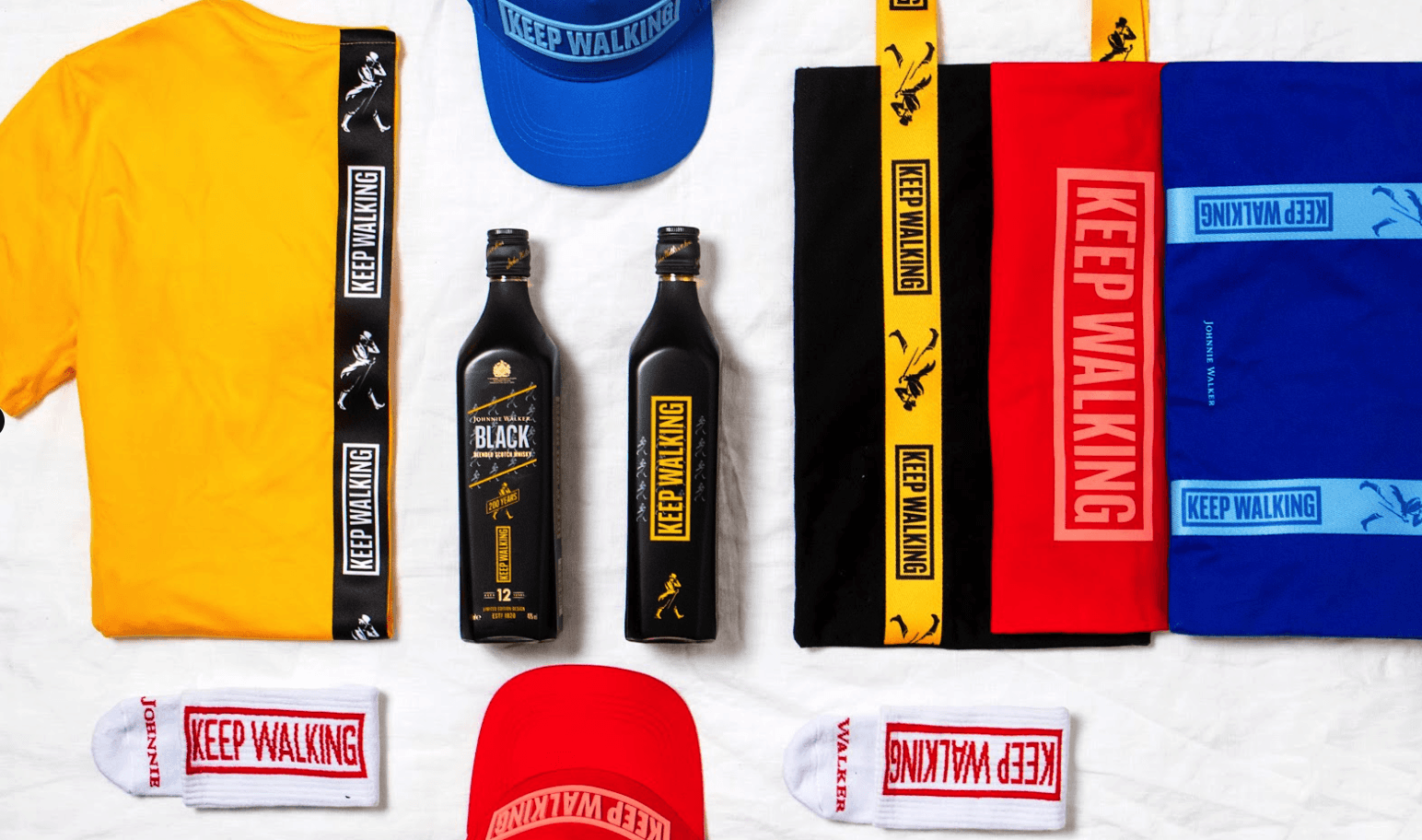
That last point matters more than many teams expect. Premium swag often looks more premium with less logo, not more.
Sustainability that holds up to scrutiny
“Sustainable” on a product page can mean almost anything. In practice, strong sustainable swag usually reflects a handful of concrete choices: better materials, cleaner production, ethical labor standards, and a plan for end of life.
Start with clarity about what kind of impact you are aiming to reduce. Carbon? Water? Waste? Microplastics? Labor risk? You rarely get a perfect score on every axis, so it helps to be explicit about tradeoffs.
A good internal checklist can be simple:
- Lower-impact fibers and recycled inputs
- Reduced packaging and fewer mixed materials
- Longer usable life, with repair-friendly construction
- Verified claims backed by credible standards
The goal is not to chase perfection. The goal is to avoid vague claims and make choices you can stand behind when someone asks a pointed question.
Materials that communicate quality and responsibility
Material selection is where premium and sustainable most naturally meet. People associate natural textures and substantial hand-feel with quality, and many of the better options also reduce reliance on virgin plastics.
Here are practical material directions that tend to work well across common swag categories:
- Organic cotton: Soft, familiar, breathable when knit weights are chosen well
- Recycled cotton blends: Great for heavyweight tees and fleece, watch for pilling risk
- Recycled polyester (rPET): Useful for outerwear and bags, best when paired with durability
- Merino and responsible wool: Premium feel, strong longevity, needs careful sourcing
- Recycled aluminum and stainless steel: Long life for drinkware, low “disposable” vibe
- Cork, FSC-certified paper, and wood: Strong for accessories, packaging, and desk items
Material alone is not the full story. Construction, finishing, and supply chain controls decide whether a promising material becomes a product people actually keep.
Certifications and proof without green theater
Certifications are not magic stamps, but they help separate measurable practices from marketing language. They also make it easier to communicate internally, especially when procurement, legal, and brand teams all need to sign off.
After you decide what matters most, look for documentation that matches. A few standards show up frequently in higher-quality programs:
- GOTS: Organic fiber integrity and processing requirements for textiles
- GRS/RCS: Recycled content tracking and chain-of-custody practices
- OEKO-TEX: Screening for harmful substances in textiles
- Fair Trade / SA8000 / B Corp: Signals on labor practices and social standards
- FSC: Responsible forest management for paper and wood products
Certifications do not replace judgment. They do make due diligence faster, and they reduce the risk of “eco” claims that fall apart under a closer look.
Design choices that keep swag out of the junk drawer
Premium sustainable swag wins when it is designed for real life, not a single event photo. That starts with fit and function, then extends to subtle brand integration.
Before you place an order, pressure-test the product like a user would. Wash the garment. Put the bottle in a bag next to a laptop. Carry the tote with actual weight. Leave the notebook in a hot car.
Small design decisions can extend usable life by months or years:
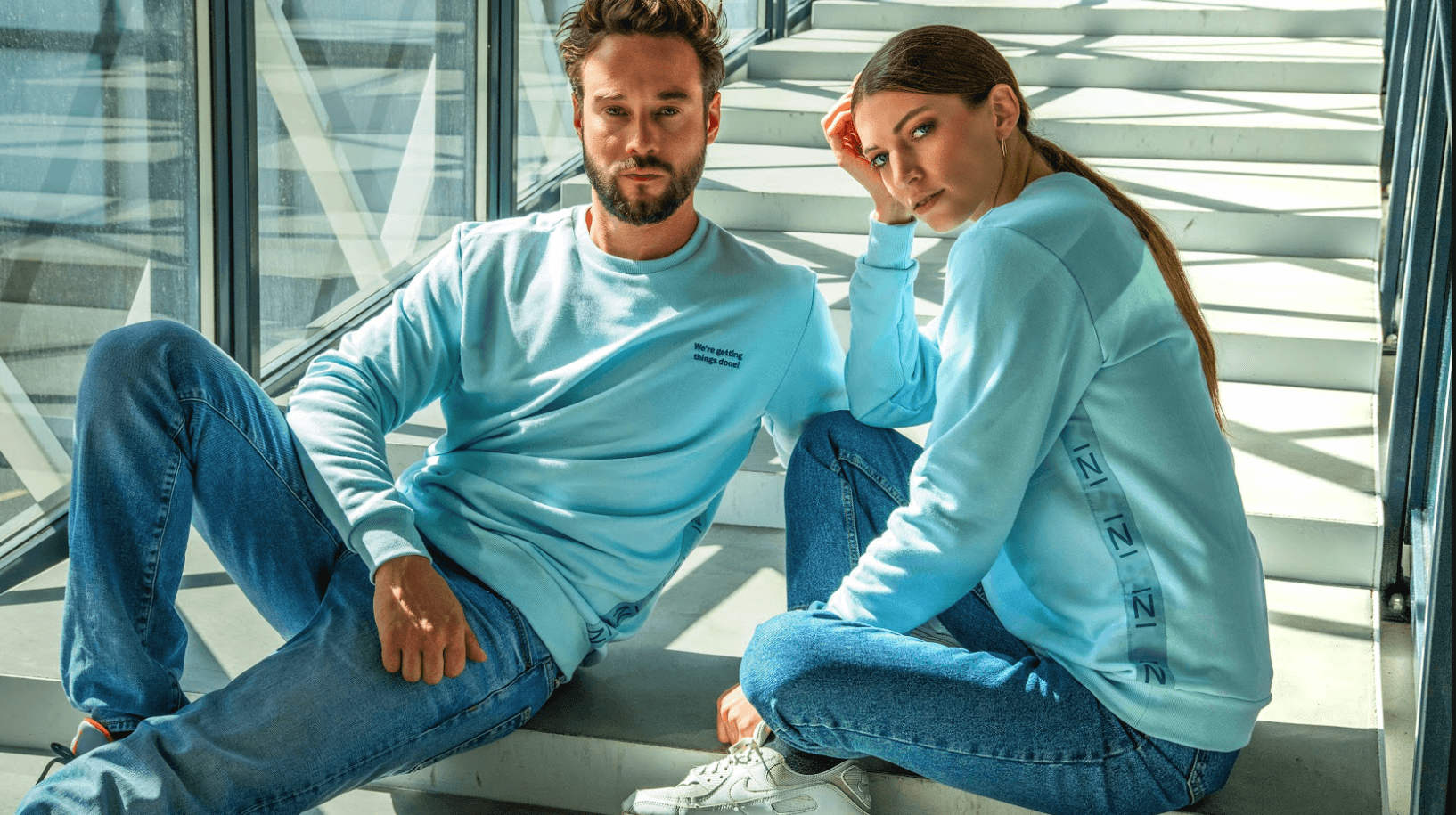
- Garments: pre-shrunk fabric, side seams, strong ribbing, size range that matches reality
- Drinkware: leak resistance, powder-coated durability, replacement lids when possible
- Bags: bar tacks at stress points, zipper quality, interior organization that earns daily use
- Tech accessories: cable strain relief, heat resistance, materials that do not yellow quickly
Branding is part of design too. A mark that feels tasteful tends to get carried more often, which is both better marketing and less waste.
A practical shortlist of premium sustainable swag
If you want a program that looks intentional, it helps to choose a few “hero” items and do them extremely well. Then add a small number of supporting pieces for specific moments, like onboarding, customer advisory boards, or internal milestones.
The table below sketches common premium options and what to watch for.
| Category | Premium sustainable pick | Why people keep it | Watch-outs | Branding approach |
|---|---|---|---|---|
| Apparel | Heavyweight organic or recycled-cotton hoodie | Comfort, daily wear, high perceived value | Fit accuracy, shrinkage, pilling | Small chest mark, inside neck print |
| Drinkware | Recycled stainless steel bottle or tumbler | Daily utility, “carry everywhere” behavior | Lid quality, paint chipping, condensation | Laser etch or small mark |
| Bags | Recycled-fiber daypack or structured tote | Commute friendly, repeat exposure | Weak zippers, thin straps | Woven label or minimal print |
| Desk | FSC notebook with high-quality paper | Meetings, travel, gifting | Low paper weight, glued spines | Deboss or simple cover mark |
| Tech | Durable recycled-plastic charger kit | Immediate usefulness, reduces “cable chaos” | Heat, compatibility, safety certifications | Subtle mark on case |
A tight assortment also simplifies inventory management and reduces the temptation to add filler items “just to have more.”
After you set the core kit, add a few seasonal or role-specific choices to keep the program fresh without turning it into a landfill pipeline.
Packaging and fulfillment that still feels premium
Sustainable swag can feel special without excess. Premium is not tissue paper and plastic mailers. Premium is thoughtful presentation, fewer pieces, and less friction.
Consider how the unboxing experience maps to waste. If the packaging cannot be reused, it should be easily recycled, and it should be minimal. If the package protects a premium item well, it can still be simple.
A few high-impact moves tend to pay off:
- Right-sizing: Smaller boxes reduce void fill, freight cost, and damage risk
- Plastic-free packing: Paper-based protection, compostable alternatives when appropriate
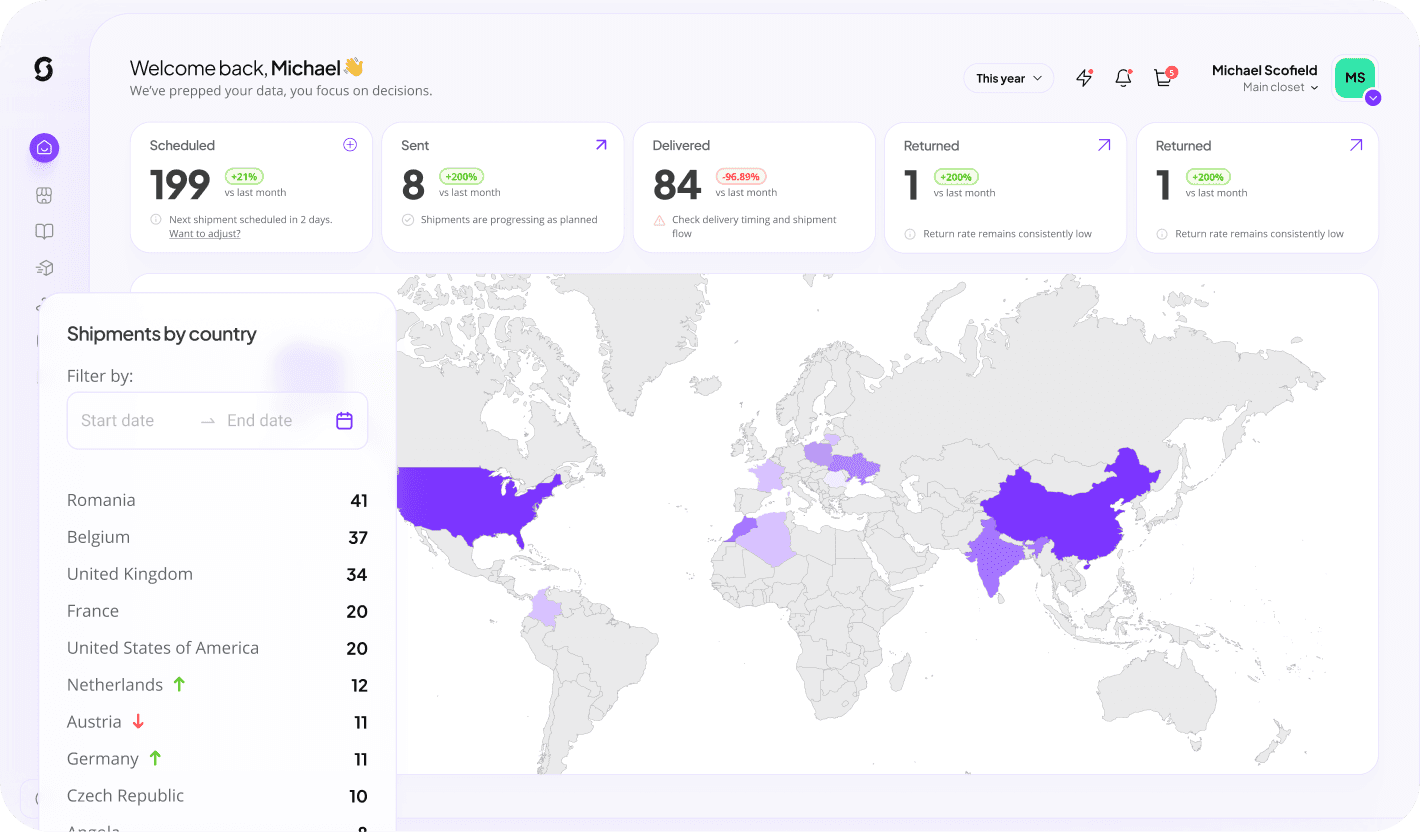
- Ship-to-home options: Efficient for distributed teams, best with consolidated shipments
- Reusable components: A drawstring bag or pouch that becomes part of the gift
The “premium” signal comes from coherence. When product, packaging, and message all match, the experience feels intentional.
Budgeting for value, not units
Many swag programs are built around unit count: more items equals more excitement. Premium sustainable programs work better when you budget around expected lifespan and repeat use.
A $20 item used twice is expensive. A $60 item used 200 times is cheap. That is not a slogan, it is a practical way to defend higher-quality choices during budget reviews.
A simple planning model can help:
- Decide the core moments that matter (onboarding, annual kickoff, customer gifting).
- Assign a “hero item” to each moment, then one supporting item at most.
- Set quality thresholds that cannot be negotiated, like fabric weight, zipper grade, or certification requirements.
- Order fewer items, but track real usage and reorder what people actually want.
This approach usually reduces waste while also making the brand feel more confident.
How to measure success without guessing
Swag success is often judged by vibes, which makes it easy for mediocre items to keep getting reordered. A premium sustainable program benefits from a few lightweight metrics.
Track what you can observe without invading privacy:
- Keep rate signals: how often items show up on video calls, in office photos, at events
- Reorder demand: which sizes and categories get requested again
- Support tickets: returns, defects, “missing parts,” and warranty needs
- Waste avoidance: fewer leftover boxes, fewer end-of-event giveaways
You can also run a short internal pulse survey after a drop. Ask what people use weekly, what they would not choose again, and what they would happily gift to a friend. The answers tend to be blunt, which is useful.
Building a swag program that stays coherent over time
The most stylish sustainable swag programs have a point of view. They do not buy everything that looks “green.” They choose a consistent design language, a consistent quality bar, and a consistent story.
That story can be simple: fewer items, better materials, longer life.
It also helps to standardize details that create a recognizable family of products, even when categories change:
- Color palette that matches brand but wears well
- Decoration rules (one location, one technique, limited logo size)
- Minimum durability specs per category
- Supplier requirements that stay stable year to year
Consistency makes each drop feel intentional, and it makes procurement faster with every cycle.
A planning rhythm that makes the next order easier
Start by auditing what you already have. Pull a few of the most common items from past orders and ask one honest question: would you pay for this yourself?
Then pick one category to upgrade first, usually apparel or drinkware, and set a premium sustainable benchmark that you refuse to compromise on. Make that item the anchor for your next kit, and let everything else support it.
When you treat swag as product design rather than merchandise, “go green” stops being a tagline and starts showing up in the everyday objects people actually keep.