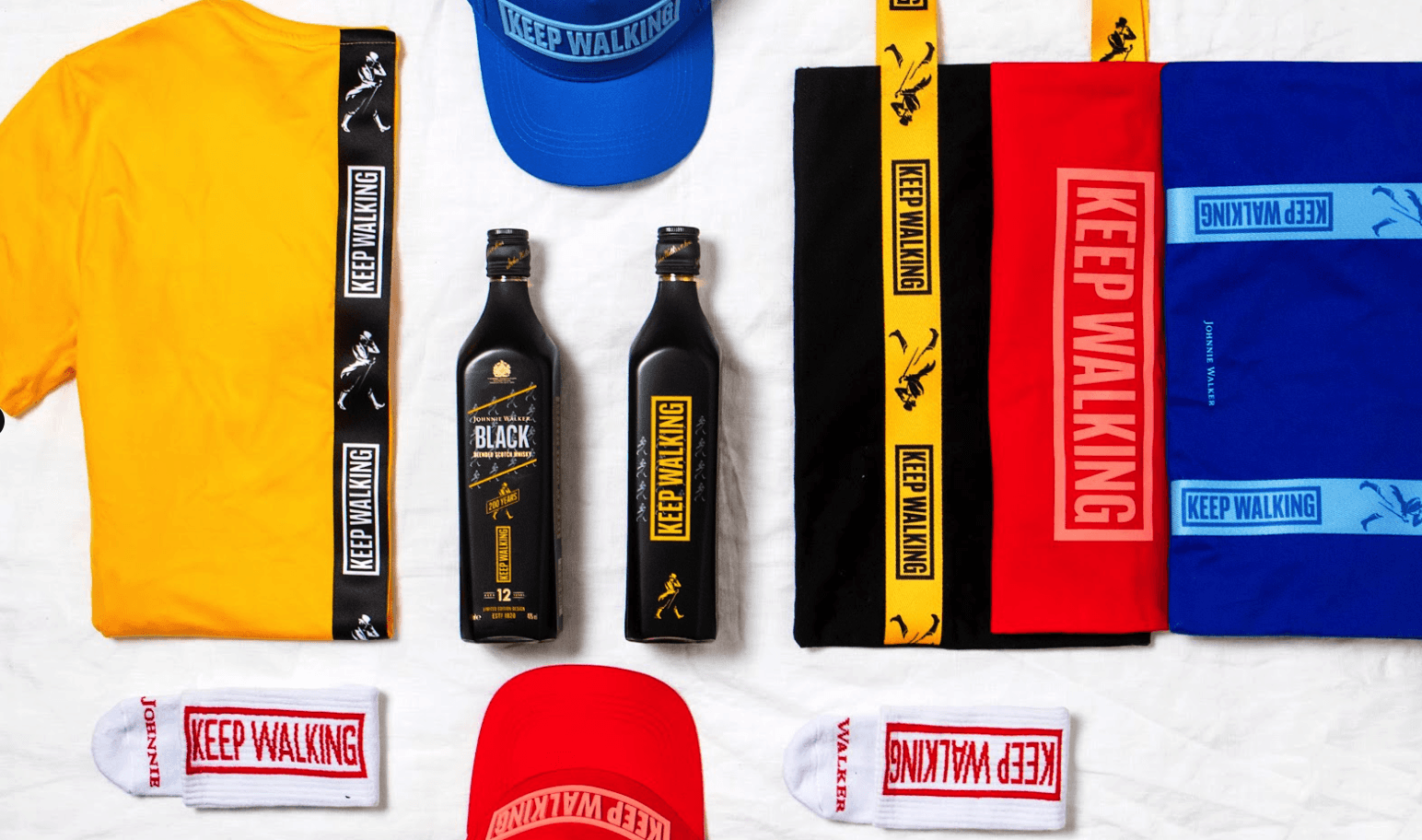
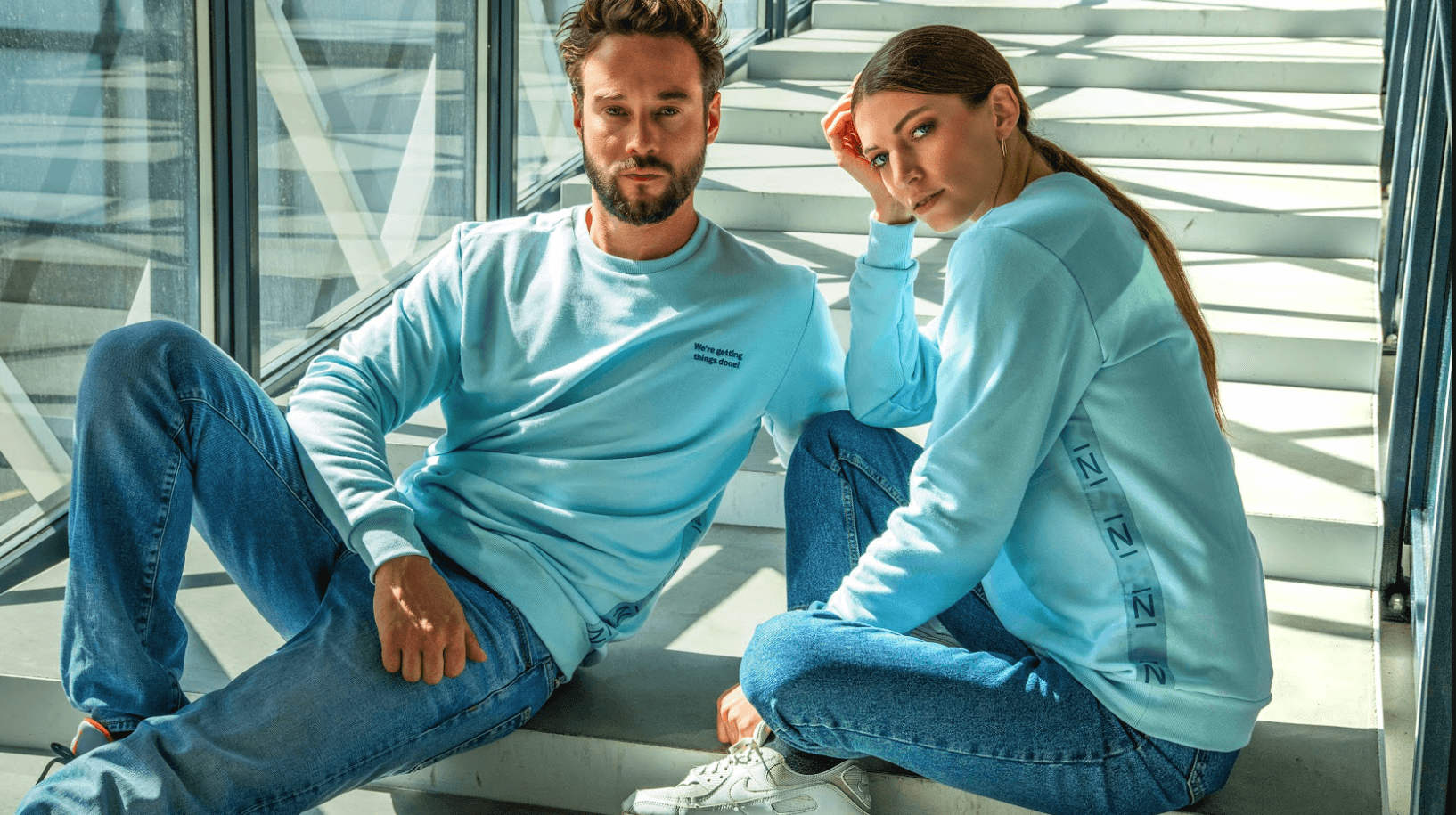

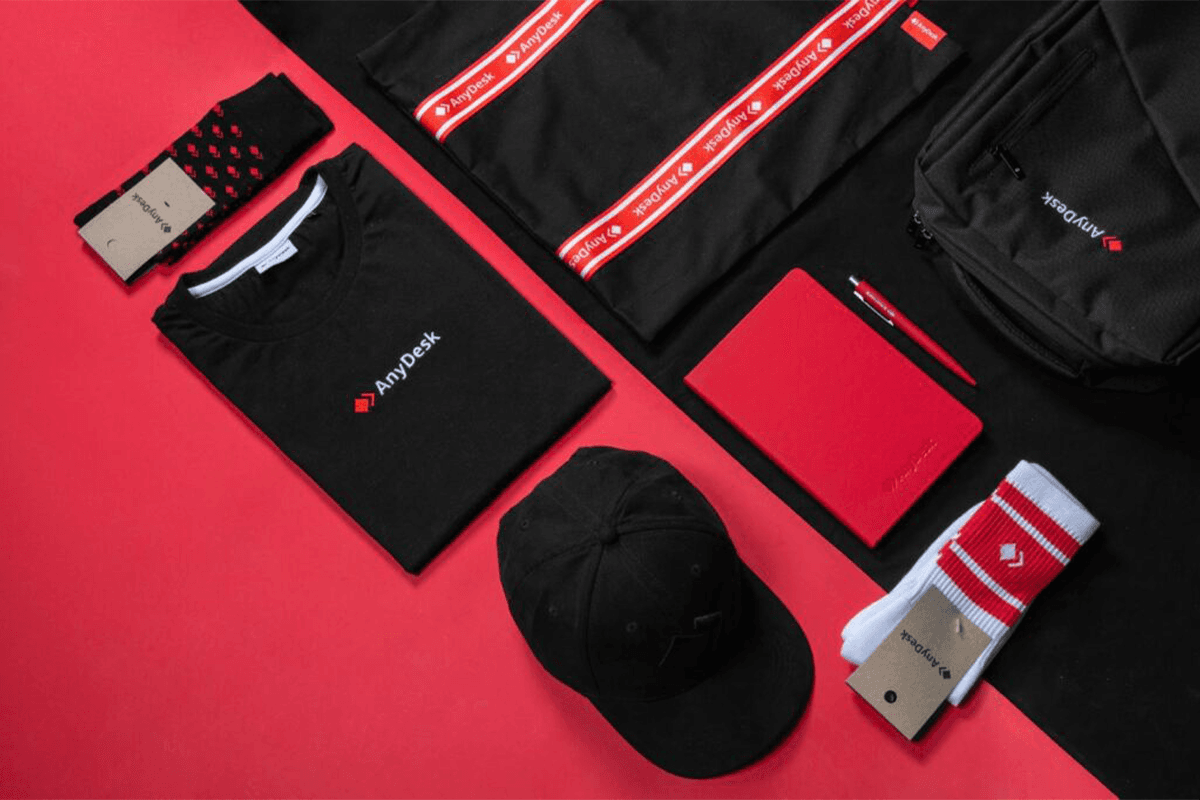
Promotional products sit at a rare intersection of marketing and human behavior: they are useful, tangible, and often shared. When done well, they turn a brand from something people notice into something people keep within reach. That proximity matters, because attention is easier to earn when your name is already on the desk, in the kitchen drawer, or in the laptop bag.
The best part is that promotional items can work for companies of almost any size, not because they are flashy, but because they are practical. A thoughtfully chosen object signals care, competence, and staying power.
Why promotional products keep earning attention
A promotional product is not just a giveaway. It is a physical touchpoint that can outlast a scroll, a click, or a brief conversation at an event. People develop small habits around objects they like: they pick up the same pen, carry the same bottle, or reach for the same charger. If your brand is on that item, your brand becomes part of the habit.
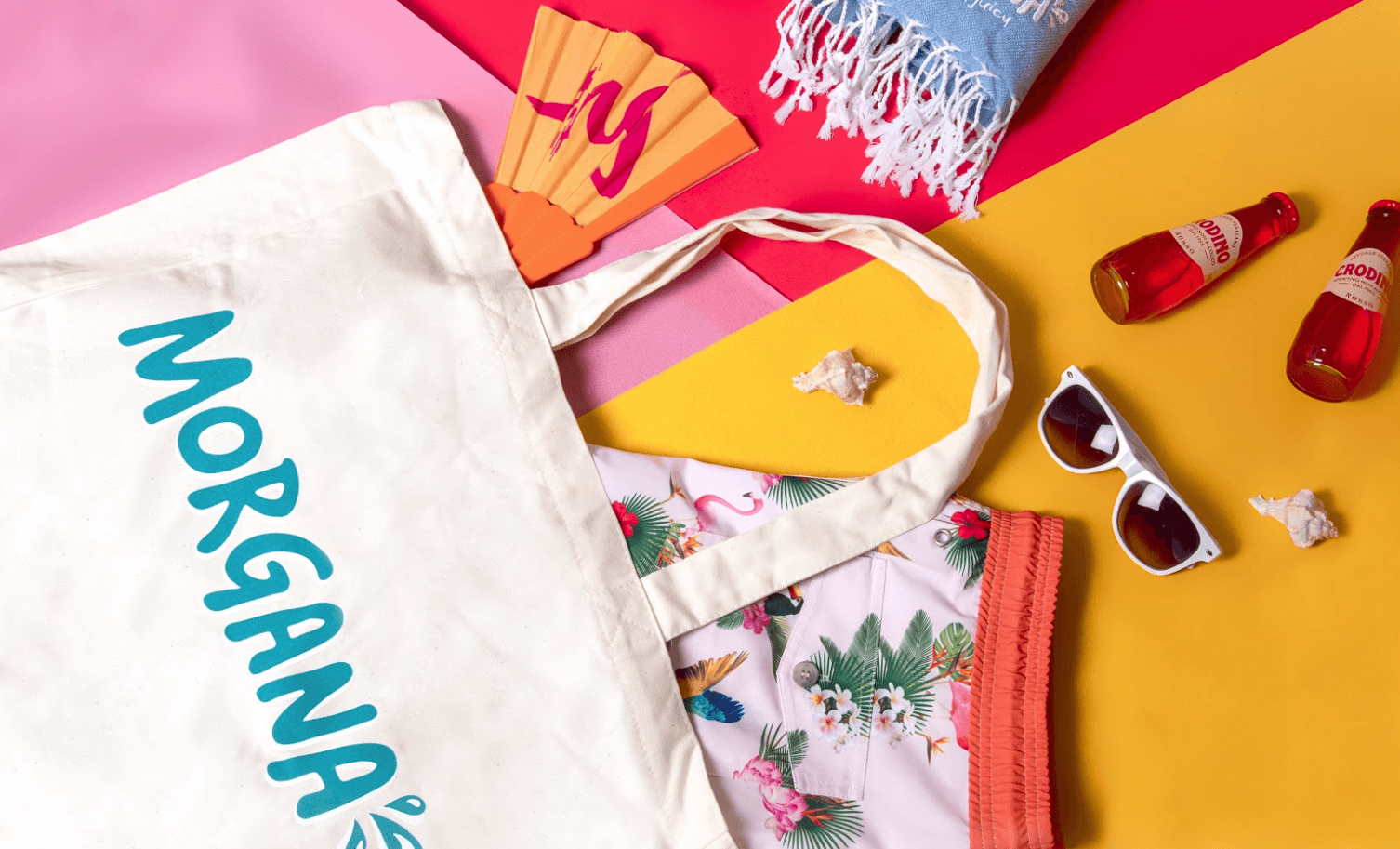
This is not about shouting louder than competitors. It is about being present at the right moments. A conference tote that survives weekly commutes can outperform an expensive one-time ad because it stays in circulation.
Promotional products also create an easy, low-pressure reason to talk. A well-made notebook can start a conversation about quality standards. A clever sticker can spark a smile that opens the door to a serious business discussion.
Start with intent: what the product needs to do
Before choosing an item, decide what success looks like. “More exposure” is vague; “more qualified conversations with operations directors” is usable. Your item should match the outcome you want and the setting where it will be received.
Common objectives tend to cluster into a few categories:
- Brand recall
- Event traffic
- Sales meeting follow-up
- Employee appreciation
- Customer retention
When the objective is clear, the product becomes easier to select. A premium client gift has different requirements than a high-volume trade show handout. Treat them as different tools, not variations of the same thing.
The right product: matching audience, moment, and message
A promotional item succeeds when it feels natural in the recipient’s life. That means the “best” product depends on who you serve and how they work. An IT team may value cable organizers and privacy covers. A health-focused audience may appreciate a high-quality shaker bottle. A finance audience might prefer a minimalist notebook that looks at home in a board meeting.
It helps to pressure-test choices with a few grounding questions:
- Context of use: Where will they use it, and in front of whom?
- Carry burden: Will it be carried home easily, or left behind?
- Perceived quality: Does it feel consistent with your pricing and positioning?
- Shelf life: Will it still be useful in three months?
- Brand fit: Does the item match the tone of your company?
A simple way to think about this is “utility times visibility.” High-utility items get used often. High-visibility items get seen by others. The strongest products tend to score well on both without feeling gimmicky.
A quick comparison of common categories
| Category | Best for | Typical lifespan | Notes |
|---|---|---|---|
| Pens and writing tools | High-volume outreach, receptions | Weeks to months | Quality matters; cheap pens can backfire fast |
| Notebooks | Sales meetings, onboarding, workshops | Months | Subtle branding often looks more premium |
| Drinkware (bottles, tumblers) | Retention gifts, event swag | Months to years | Strong utility; good for lifestyle alignment |
| Tech accessories (chargers, cable kits) | B2B audiences, field teams | Months | Check compatibility and safety certifications |
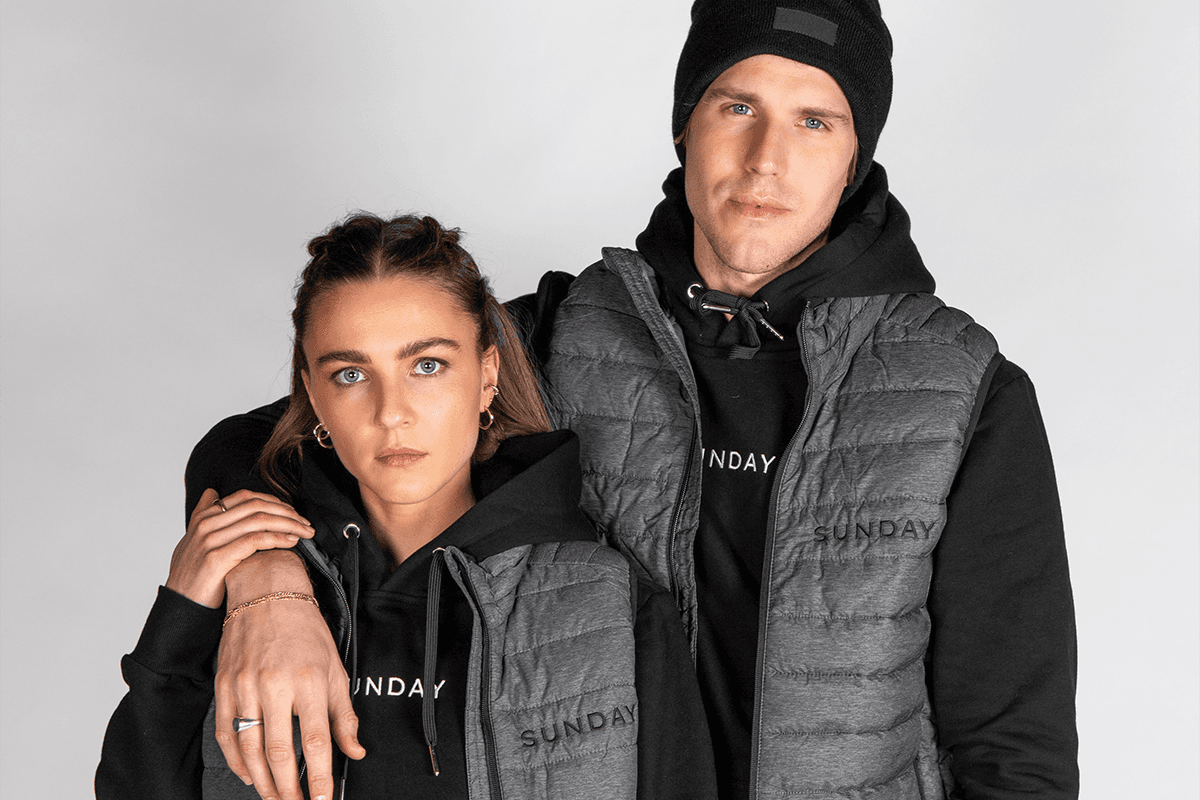
| Apparel (tees, hoodies) | Employee pride, community events | Months to years | Fit and fabric quality drive actual wear |
| Desk items (mouse pads, organizers) | Office-based roles | Months | Works best with clean design and restraint |
| Shipping inserts (stickers, cards) | E-commerce, subscription boxes | Days to months | Great for brand voice, low cost per touch |
This table is not a ranking. It is a reminder that different items carry different “usage arcs,” and that arc should match your goals.
Design choices that make the item feel premium
Many promotional products fail at the same moment: when someone picks them up and thinks, “This is cheap.” That reaction can happen in a second, and it colors the brand. The good news is that premium often comes from restraint, not expense.
Start with legibility. Your logo should read instantly without fighting the product color, texture, or seams. Then consider how the mark will be seen in real life: on a moving person, on a cluttered desk, in a dim conference hall.
A few design principles consistently raise perceived value:
- Keep branding slightly smaller than you think you need.
- Choose a limited color palette that matches your brand system.
- Favor matte finishes and clean placement over oversized graphics.
- Use copy sparingly; a short tagline can work, a paragraph will not.
One-sentence rule: if the item would look odd without your logo, it probably is not the right item.
Distribution is the strategy most teams forget
The same product can perform wildly differently depending on when and how it is given. Distribution is not logistics; it is timing, context, and story.
At events, the default is a bowl of freebies. That creates a race to the bottom. A better approach is to attach the item to a meaningful interaction. Hand the notebook to someone who sits down for a demo, not someone who wanders by. Put the premium item behind a conversation, not behind a badge scan alone.
In customer relationships, think in chapters. A welcome gift is different from a renewal thank-you, and both are different from a “we fixed this quickly” gesture after a service hiccup. Promotional products can support all of those moments if you plan them as part of the customer experience.
Budgeting with confidence: cost per relationship, not cost per unit
It is tempting to price-shop. A cheaper unit price looks efficient until you account for the hidden costs of disappointment: products left behind, unused, or quietly tossed. The real metric is not cost per item; it is cost per meaningful impression or cost per relationship strengthened.
Segmenting your spend often works well:
- High volume, low cost: quick touchpoints that still feel decent
- Mid-tier: items tied to deeper conversations or account milestones
- Premium: fewer units, reserved for high-value relationships
You can also control cost without compromising feel by focusing on one or two excellent products rather than five mediocre ones. Consistency builds a recognizable “signature” over time.
Measurement: making results visible without forcing attribution
Promotional products are physical, so measurement needs a practical approach. You may not get perfect attribution, but you can still get clear signals.
Start by defining what should move if the program is working. Then instrument the distribution so you can connect it to behaviors. That can be as simple as unique QR landing pages by event, a short URL on an insert card, or a “gift acknowledged” field in your CRM.
Strong measurement options include:
- Event meetings booked after high-intent giveaways (demo-only items)
- Response rates to follow-up emails referencing the item
- Increased renewal or expansion conversations after milestone gifts
- Employee participation when internal kits are shipped
The goal is not to prove the item “caused” a sale in isolation. The goal is to see whether it increases the frequency and quality of the next step.
Common pitfalls that reduce impact
Most missteps come from good intentions paired with rushed execution. A few patterns show up again and again.
One is choosing novelty over utility. Novelty is fun for five seconds. Utility is remembered for months. Another is over-branding. If the product looks like an ad, people treat it like an ad.
Quality control is also underestimated. A misspelled tagline, inconsistent colors, or a broken clasp does not just waste budget. It sends a message about standards. Ordering samples, checking proofs carefully, and planning time for production saves reputation.
Finally, there is the “one-size-fits-all” trap. A field technician, an HR director, and a startup founder do not experience the same day. The right item respects that difference.
A planning timeline that keeps you ahead of deadlines
Shipping delays, proof revisions, and inventory surprises are common. A simple timeline keeps the program calm and predictable.
- 4 to 6 weeks out: Define audience, objective, and distribution moments
- 3 to 5 weeks out: Select items, request samples, confirm decoration method
- 2 to 4 weeks out: Approve proofs, finalize quantities, confirm shipping plan
- 1 to 2 weeks out: Prep kits, label recipients, coordinate on-site handling
- After delivery: Track distribution counts and tie to meetings, responses, or retention activity
If your program includes apparel, custom packaging, or multiple items per kit, add more time. Calm execution is part of perceived quality.
Making promotional products feel like a brand experience
The highest-performing promotional products do not feel random. They feel like a consistent expression of how the company thinks: practical, reliable, and attentive to details. That consistency compounds. When prospects see your items repeatedly across events and offices, the brand starts to feel established. When customers receive something that fits their work style, the relationship feels understood.
A company does not need endless options to create that effect. It needs a small set of well-chosen items, a clear reason for each, and the discipline to distribute them in moments that matter.