

Definition
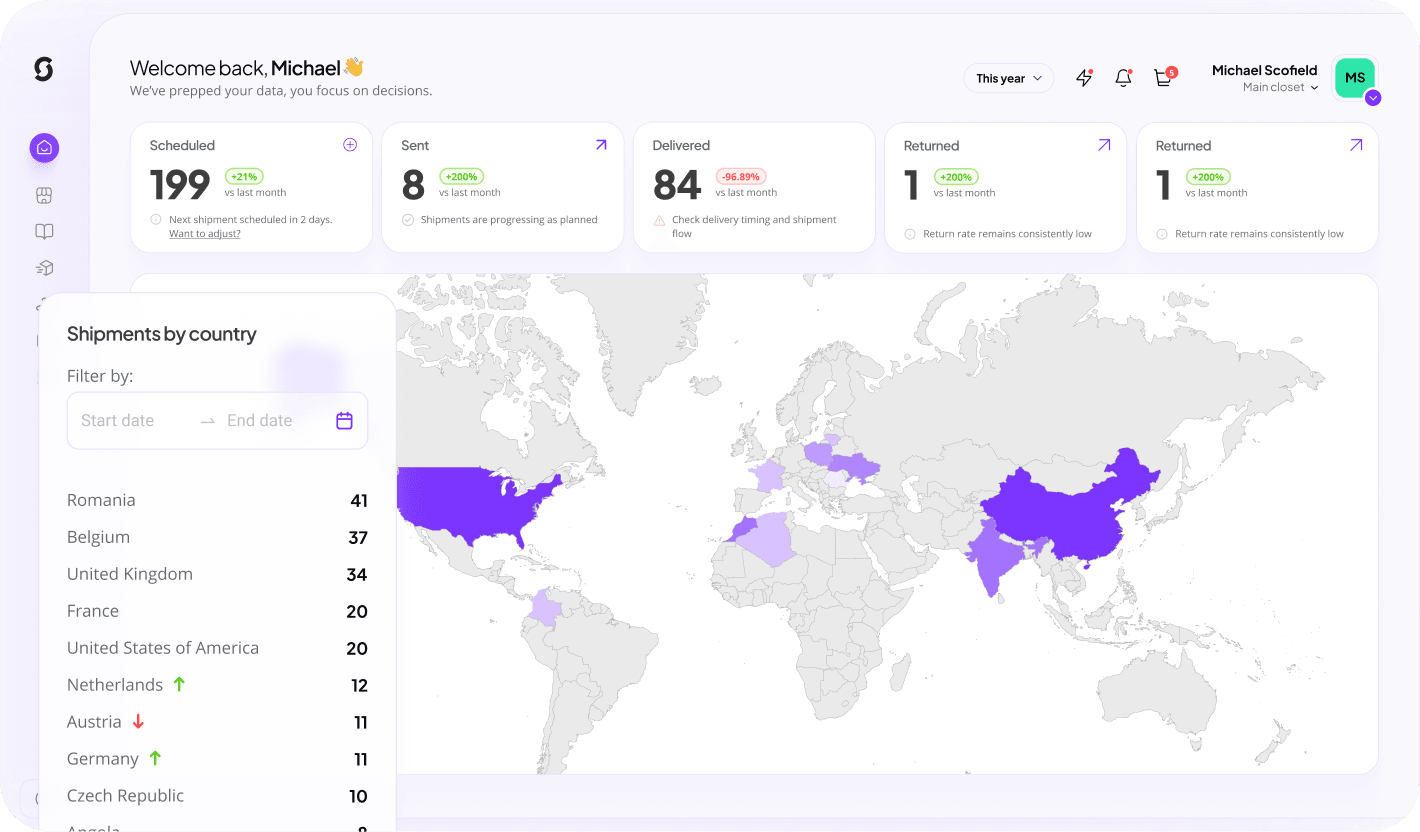
Merchandise analytics involves the analysis and interpretation of data to enhance the decision-making process in areas such as product selection, pricing, and inventory management. It provides a framework to assess consumer behavior and identify sales patterns through sales analysis that can boost your overall business performance.
“Merchandise analytics is about using data to make smarter decisions in product offerings. It helps enhance your pricing and inventory management.”
Imagine you own a retail clothing store. By utilizing merchandise analytics, you can determine which clothing items are in high demand during specific seasons and adjust your inventory accordingly. This ensures that your shelves are stocked with what your customers want, minimizing excess inventory and maximizing sales opportunities.
The Principles of Effective Merchandise Analytics
The principles of merchandise analytics revolve around the idea of utilizing data-driven insights to make informed decisions that optimize inventory management, pricing strategies, and assortment planning. By focusing on historical sales data, market trends, and consumer preferences, you can tailor your merchandise strategy to align with your business objectives and customer demands.
Incorporating merchandising analytics into your decision-making process encourages a proactive approach to inventory management. This involves understanding key performance indicators (KPIs) such as sell-through rates, gross margin, and turnover ratios. Through the systematic analysis of these metrics, you can identify fast-moving products and allocate resources efficiently, ensuring that popular items are always in stock. Additionally, merchandise analytics empowers you to fine-tune your pricing strategies by analyzing competitors’ pricing, seasonal variations, and consumer price sensitivity. By leveraging data, you can set optimal prices that maximize profitability while remaining competitive in the market.
Accurate merchandise analytics also supports dynamic assortment planning, allowing for better alignment between your product offerings and consumer needs. This precision not only enhances customer satisfaction but also helps in reducing markdowns and inventory holding costs.
Embrace these principles to transform your retail experience.
3 examples of powerful Merchandise Analytics strategies
Seasonal Inventory Optimization:
A popular outdoor apparel retailer uses merchandise analytics to identify trends in seasonal demand for winter gear. By analyzing historical sales data and aligning it with weather forecasts, they increase stock of ski jackets and thermal wear ahead of peak winter months. This proactive approach ensures they meet customer demand without overstocking, leading to higher sales and reduced end-of-season markdowns.
Competitive Pricing Strategy:
A mid-sized electronics retailer leverages merchandise analytics to monitor competitors’ pricing for similar products. By analyzing real-time market data, they adjust their own prices to remain competitive while ensuring profitability. This agile pricing strategy attracts price-sensitive customers and enhances market share.
Assortment Planning and Product Launches:
A fast-fashion brand employs merchandise analytics to plan their product assortment effectively. By understanding consumer preferences and sales data from previous collections through predictive analytics, they predict which styles and colors will be popular during upcoming seasons. This insight enables them to successfully launch new lines that quickly resonate with their target audience.
7 tips to elevate your Merchandise Analytics strategy
| Tip | Steps |
|---|---|
| 1. Attend relevant workshops | Research online or community-based workshops |
| 2. Utilize analytics software | Evaluate different merchandise analytics tools |
| 3. Network with industry experts | Engage in professional groups |
| 4. Access online courses | Enroll in specialized e-learning platforms |
| 5. Conduct hands-on projects | Implement small-scale analytics initiatives |
| 6. Follow industry publications | Subscribe to authority retail analytics blogs |
| 7. Keep up with technological advancements | Stay updated on recent tech innovations |
Key Terminologies
Frequently Asked Questions
How can merchandise analytics improve my sales performance?
Merchandise analytics provides insights into purchasing patterns, enabling you to optimize inventory and pricing strategies, ultimately enhancing sales performance.
Is implementing merchandise analytics expensive?
While there is an initial investment, the long-term value in optimizing your supply chain and sales far outweighs the costs.
Do I need advanced technical skills to use merchandise analytics tools?
Most modern merchandise analytics tools are user-friendly with intuitive interfaces, requiring no specialized technical skills.
Will merchandise analytics tools integrate with my current systems?
Many merchandise analytics solutions are designed to seamlessly integrate with existing retail management systems for a streamlined experience.
Can merchandise analytics predict future trends?
Yes, merchandise analytics utilizes historical data and market trends to accurately forecast future consumer demand and market shifts.
What are the risks of not using merchandise analytics?
Without merchandise analytics, you risk inefficient inventory management, missed sales opportunities, and an inability to respond swiftly to market changes.