Definition
White labeling is the process of a manufacturer creating a product that is purchased by another company, which then brands it as its own. This arrangement allows businesses to offer a set of goods without directly involving themselves in the production, freeing resources and focusing on marketing and sales.
“White labeling is when a product is built by one company and rebranded by another. It’s a strategy for offering high-quality items under your own brand without engaging in manufacturing.”
Consider a scenario where you want to introduce a new apparel line. Instead of setting up a textile production unit, you collaborate with a private labeling or white label manufacturer. They create the garments, and you simply add your brand’s label, launching your fashion line effortlessly.
The Principles of Effective White Labeling
The principles of white labeling stem from the need for business efficiency and branding flexibility. By utilizing existing production resources, companies can save time, reduce costs, and concentrate their efforts on building strong brand identities. This approach allows businesses to expand their product lines without incurring manufacturing overheads, including packaging costs, enabling a fast market response and capitalizing on current trends, thus playing a crucial role in the business model.
At its core, white labeling operates on the synergies between manufacturing specialists and branding innovators. Manufacturers benefit from steady demand and efficiency, while brands can tailor products to their audience’s specific tastes without developing them from scratch. For merchandise and textile production, this is particularly advantageous. You can work with manufacturers who have specialized technology and experience in fabric choice, garment design, and production techniques. As a brand, you’re responsible for designing marketing strategies, positioning, and customer engagement, ensuring your offerings retain exclusivity and appeal. The seamless merger of these two entities results in innovative product lines that resonate with consumers’ desires, harmonizing quality with personal brand ethos.
Additionally, white labeling offers the advantage of scalability. Whether you’re launching a small boutique collection or expanding into international markets, you can adjust production levels in collaboration with your white-label partner to align with sales forecasts and demographic reach.
White labeling empowers you to cater to varied consumer products needs effectively and economically.
3 examples of powerful White Labeling strategies
Private Label Apparel
: Many fashion retailers capitalize on white labeling by offering unique clothing lines under their private labels. These collections are designed to meet exclusive style preferences, providing consumers with original designs while maintaining the quality and craftsmanship of established manufacturers. The brand ensures that the finished product resonates with its core identity, driving repeat purchases and customer loyalty.
Custom Sportswear Brands
: Companies targeting athletes and fitness enthusiasts utilize white labeling to produce specialized sportswear. By working with experienced textile manufacturers, these brands can offer advanced features such as moisture-wicking, UV protection, and ergonomic fits without the extensive research and development. This strategy allows brands to efficiently introduce functional and stylish products, including generic products, that align with the latest athletic fashion trends.
Corporate Merchandise
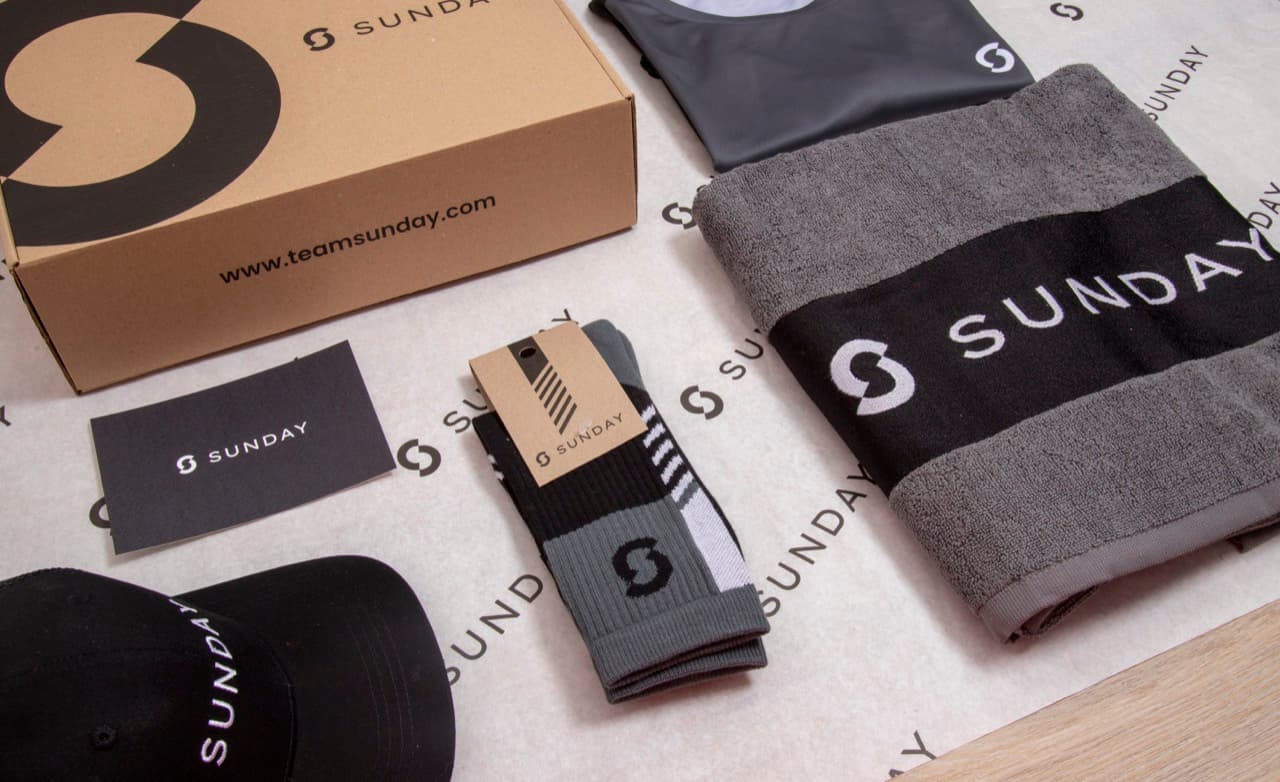
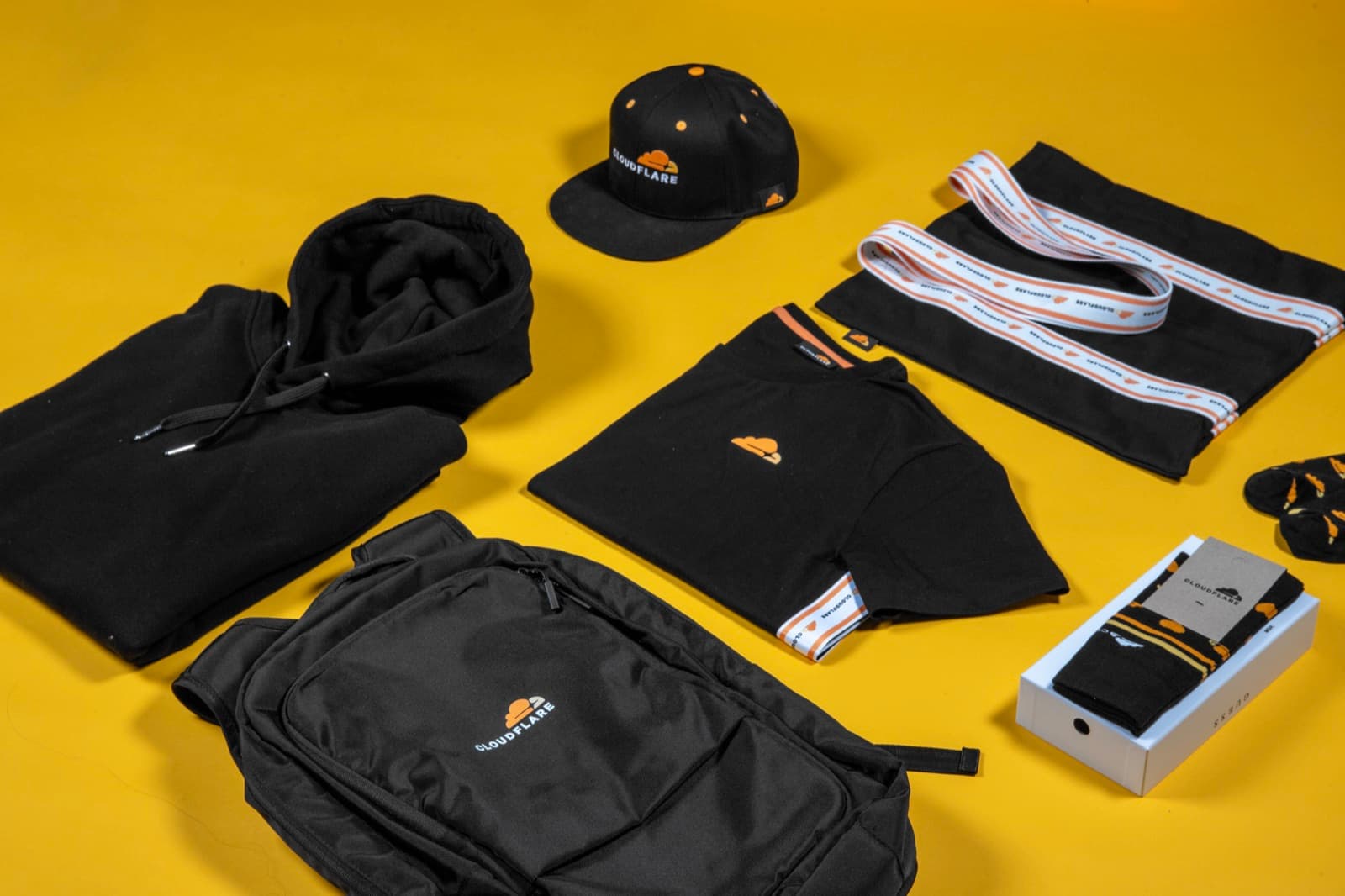
: Firms often use white labeling to create branded corporate promotional merchandise, such as t-shirts, bags, and caps. Working with white-label partners that focus on customization and bulk production enables businesses to maintain high-quality standards while promoting brand visibility. This approach allows them to keep up with branding campaigns and corporate events, ensuring timely delivery of products that leave a lasting impression on clients and employees alike.
3 tips to elevate your White Labeling strategy
| Tip | Steps |
|---|---|
| Diversify Product Range | Explore different product categories, such as eco-friendly textiles or innovative fashion designs.Prioritize Quality Control |
| Collaborate with Design Experts | Work with skilled designers to create distinctive and memorable product aesthetics.Focus on Branding |
| Leverage Technology | Use technology to streamline production processes and foster efficient communication.Expand Market Reach |
Key Terminologies
Frequently Asked Questions
What if customers discover we use white-label products?
Using white-label products is common practice in many industries; focus on branding and value to maintain trust and customer satisfaction.
How do we ensure the quality of white-label products?
Partner with reputable suppliers, establish stringent quality benchmarks, and regularly conduct quality assurance checks to ensure product excellence.
Can switching to white labeling affect our brand identity?
White labeling, when executed thoughtfully, can enhance your brand identity through customized products that align with your brand messaging and values.
What are the potential cost savings with white labeling?
By leveraging existing manufacturing processes and expertise, white labeling can reduce production costs and allow for competitive pricing.
How does white labeling work in the textile industry?
The textile industry uses white labeling to create custom apparel and merchandise, enabling companies to offer unique products without investing in manufacturing infrastructure.
Is white labeling suitable for small businesses?
White labeling can be especially advantageous for small businesses, providing access to high-quality products and allowing them to focus on marketing and customer service.