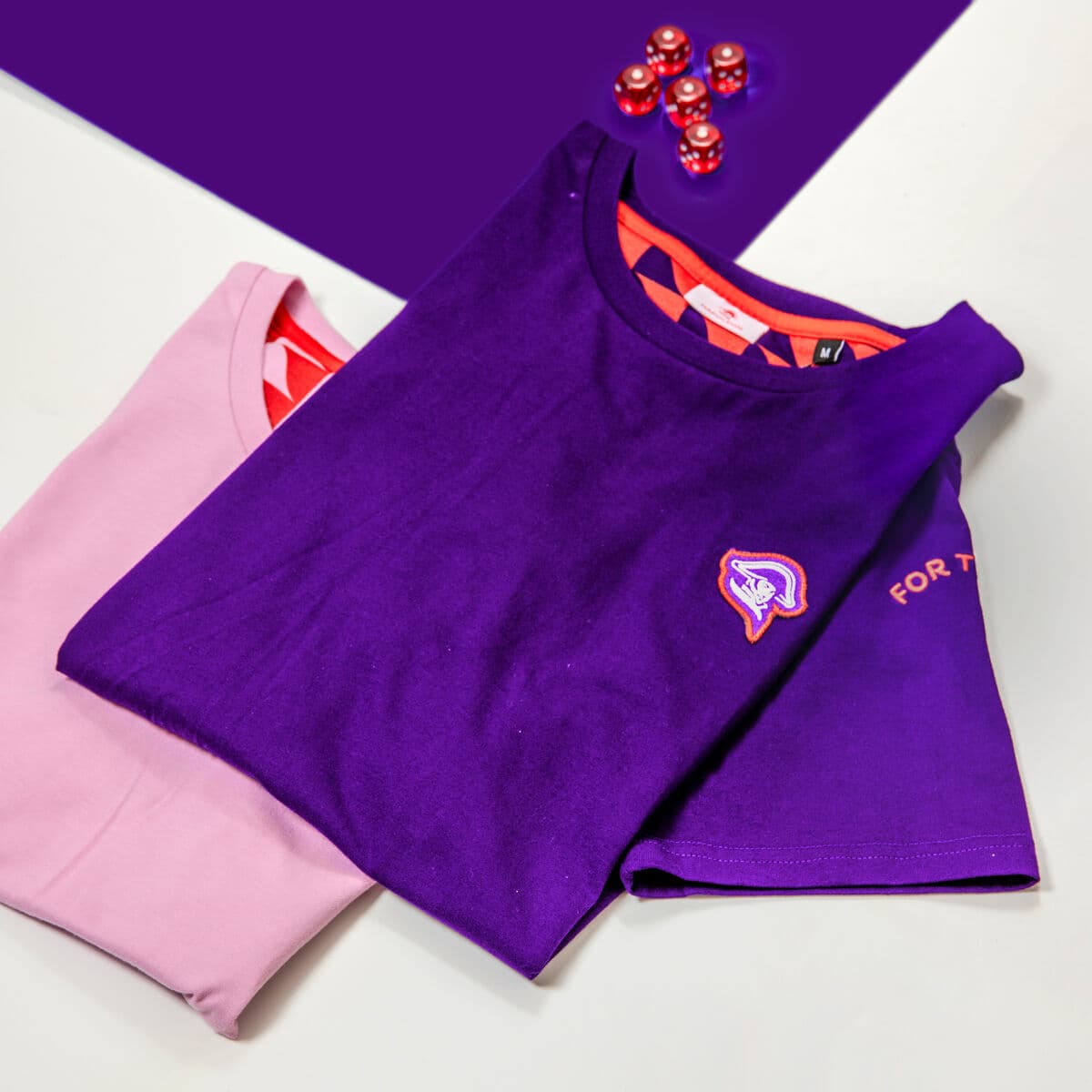
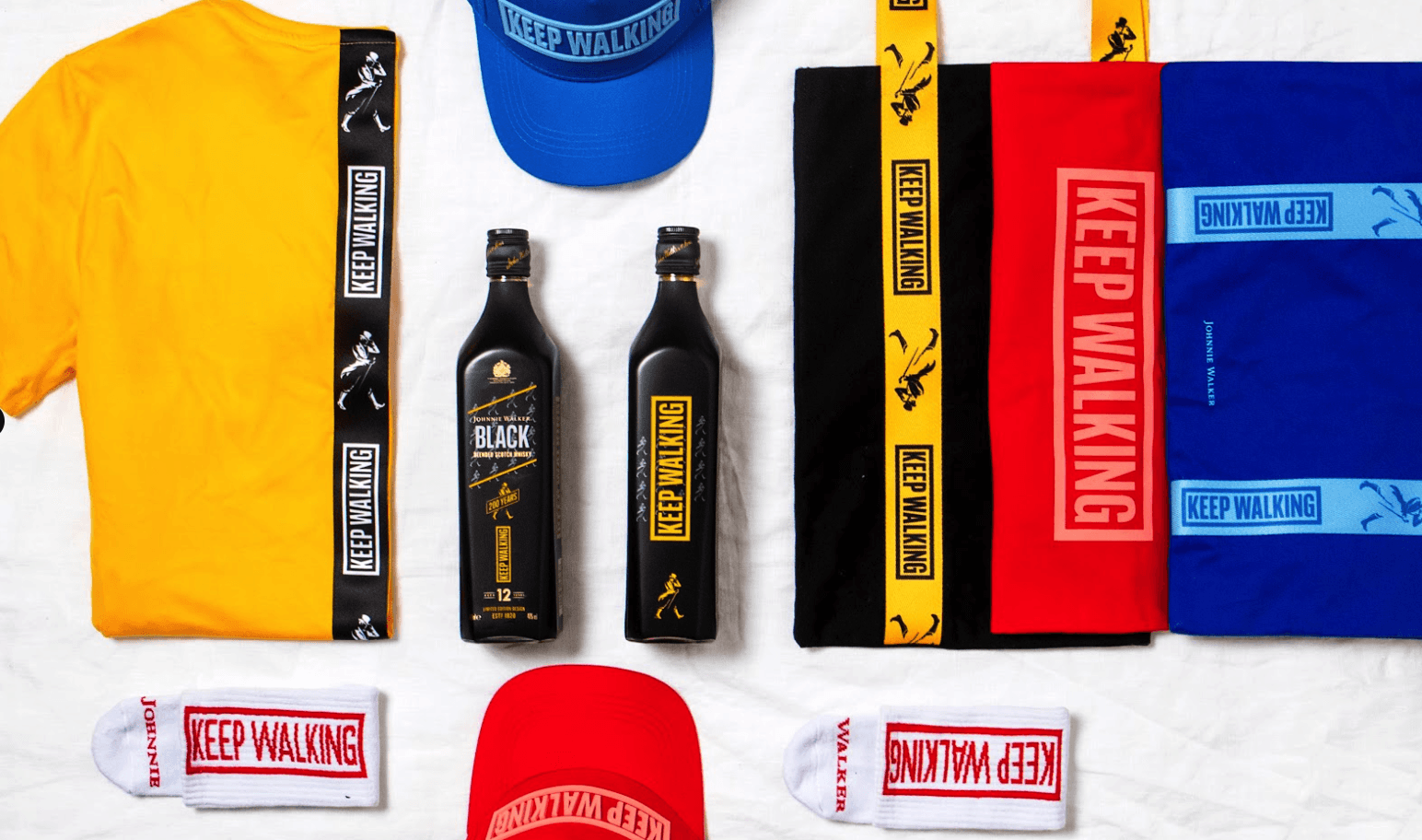
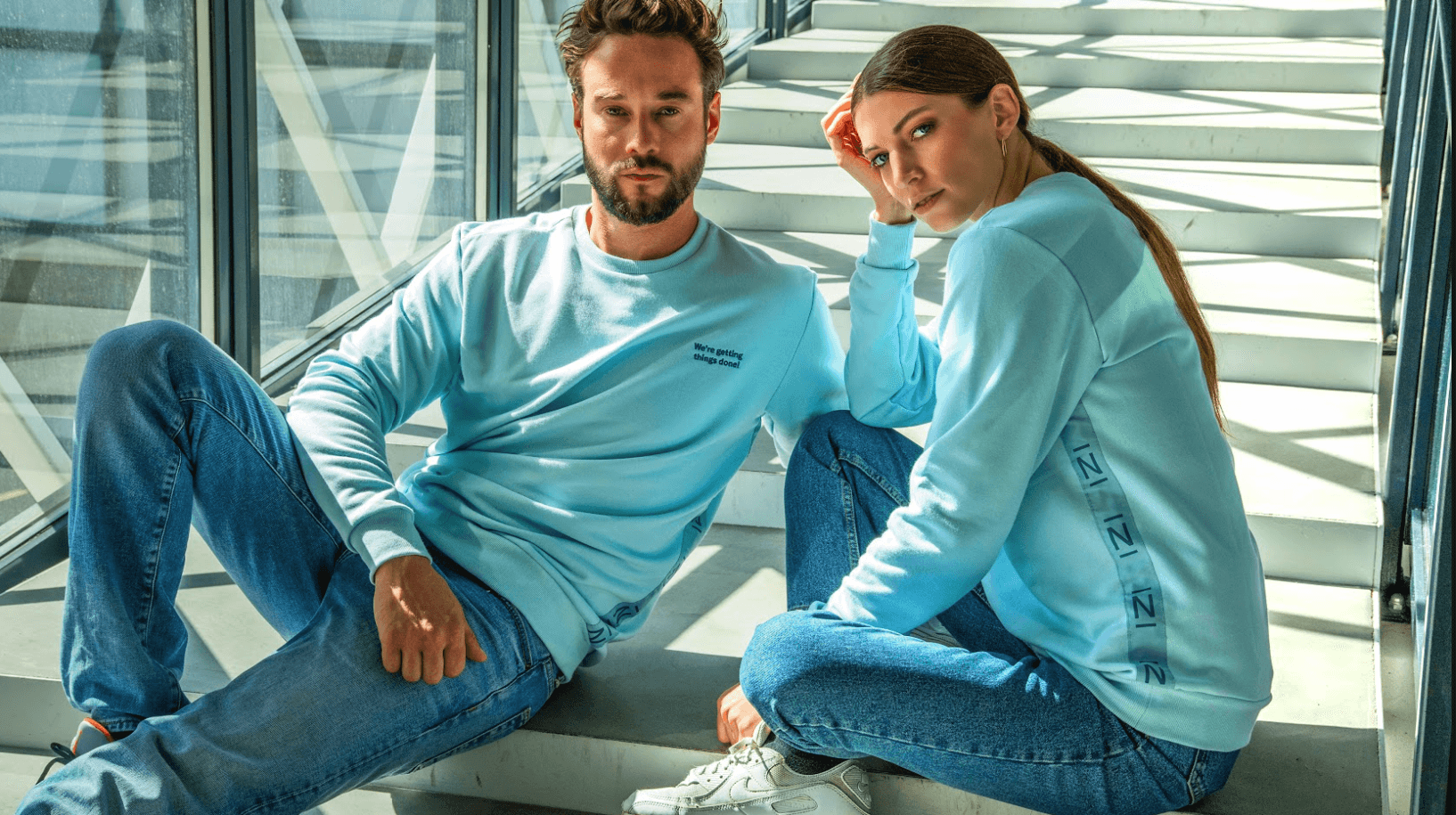


Merchandise can be more than a logo on a t shirt. When it is planned with the same care as a product line, it can generate real revenue, widen brand reach, and create a steady stream of customer touchpoints that feel personal rather than promotional.
The best part is that merchandise works across business sizes and industries. A local service provider, a software company, and a specialty retailer can all profit from it, as long as the items fit the audience and the economics are sound.
Why merchandise can become a revenue channel
Merchandise succeeds when it sits at the intersection of identity and utility. People buy and use items that help them signal belonging, solve a small daily problem, or simply feel good to own. If your business already has customers who like what you stand for, you have the raw material for a merch program.
There is also a second effect that is easy to underestimate: repeated exposure. A mug on a desk, a cap in a weekly rotation, or a tote used for errands turns one purchase into months of brand impressions, without paying for each impression.
Merch also has a resilience that advertising does not. Ads stop the moment the budget stops. Merch keeps working as long as the item stays in someone’s life.
Set the business goal before you pick products
The fastest way to waste money on merchandise is to treat it as a one time creative project. Treat it as a business line with a primary goal and a secondary goal, then design the program around those two outcomes.
A single merch drop can try to do too many things and end up doing none. Clarity creates focus: what you make, how you price it, where you sell it, and how you measure success.
After you decide what you want merchandise to do, keep the goals visible:
- Revenue first: prioritize items with dependable demand, repeatable reorder cycles, and strong gross margin.
- Brand reach: favor items people use in public and feel proud to carry.
- Customer retention: offer limited runs, loyalty perks, or bundles that deepen affiliation.
- Lead generation: reserve specific items for events, partnerships, or referral milestones.
- Stickers
- Gift cards
What to sell: start with “useful,” then add “collectible”
Most businesses do best by launching with practical items that people already buy elsewhere. Utility reduces risk. It also lowers the creative burden, because the customer is buying function first, brand second.
Once you have stable sellers, add a second layer: collectible items. These do not need mass appeal. They need enthusiasm from a smaller group. Collectibles can carry higher margins when scarcity is real and the design is strong.
A simple way to organize the assortment is by role:
| Category | Typical demand profile | Margin potential | Best for | Watch outs |
|---|---|---|---|---|
| Apparel (tees, hoodies, hats) | Medium to high | Medium to high | Identity, community | Sizing complexity, returns |
| Drinkware (mugs, tumblers) | High | Medium | Daily use, gifting | Shipping breakage, quality variance |
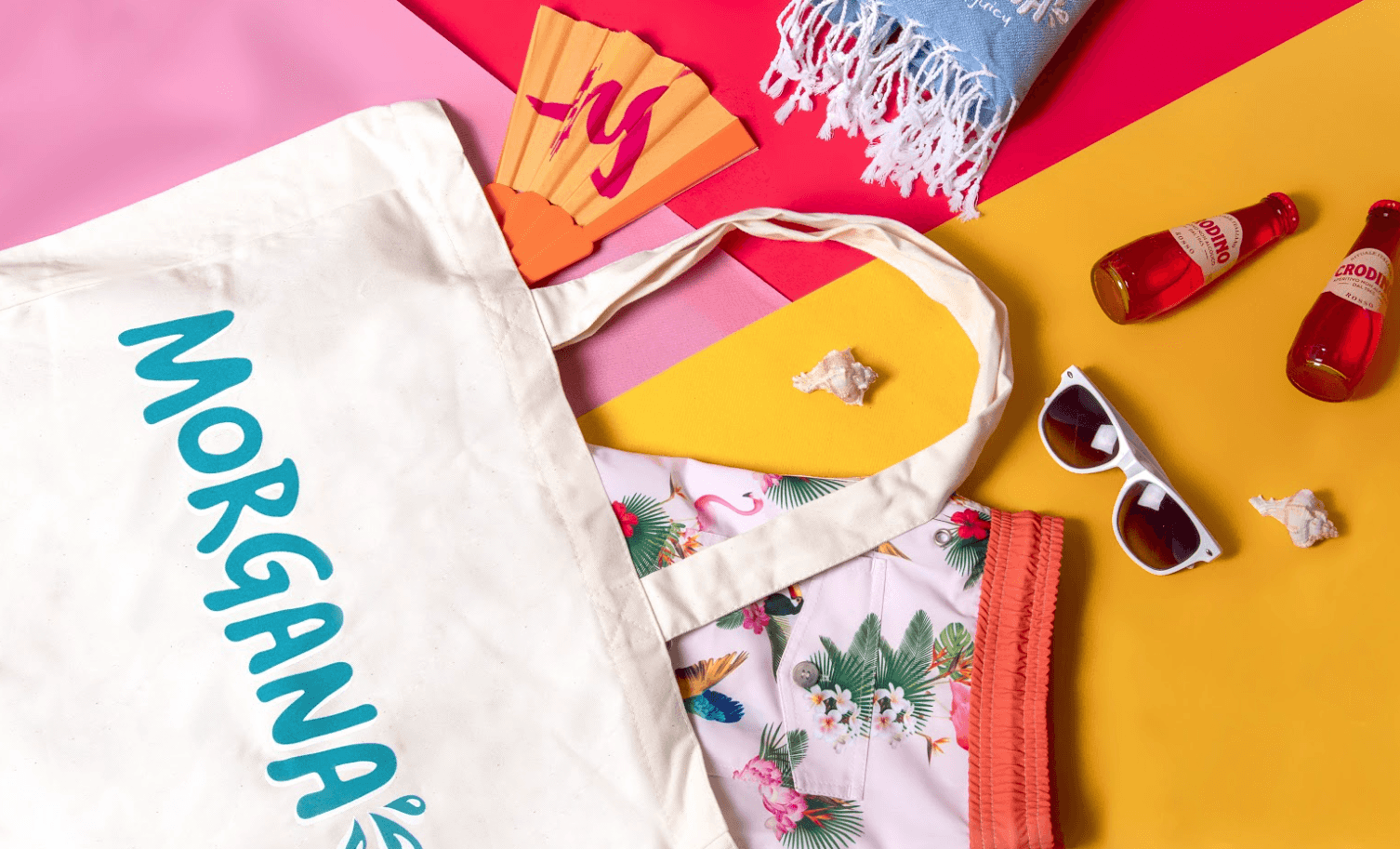
| Bags (totes, backpacks) | Medium | Medium | Public visibility | Printing durability |
| Desk items (notebooks, pens) | Medium | Low to medium | B2B, events | Feels generic if design is weak |
| Premium collectibles (limited art, pins) | Low to medium | High | Superfans, drops | Demand forecasting risk |
| Bundles (kit boxes) | Medium | Medium to high | Higher AOV | Fulfillment time, packaging cost |
Use the table as a filter, not a rulebook. The point is to match the product type to the job you need it to do.
Design that sells without looking like advertising
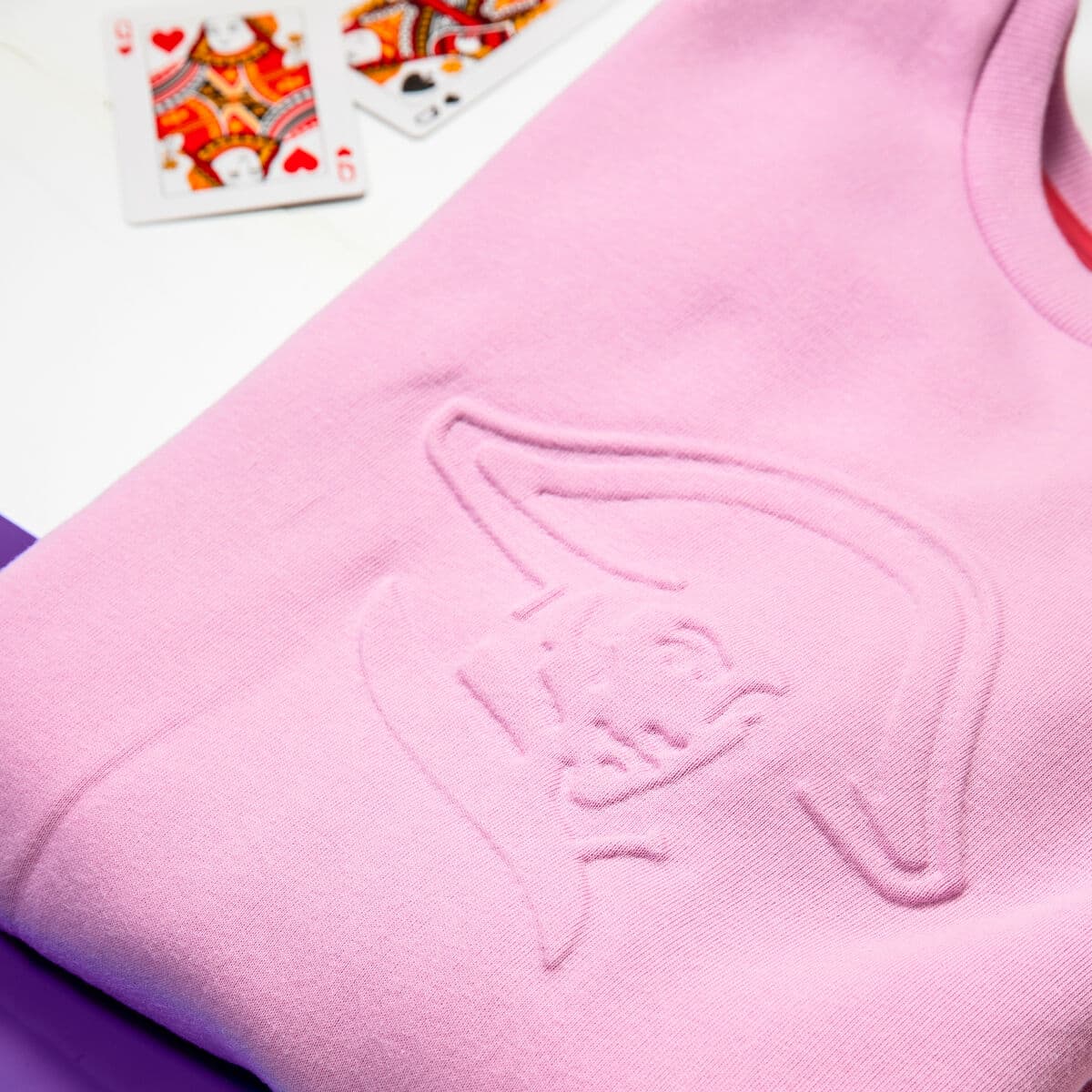
Good merch design is not just “make the logo bigger.” People pay for taste, restraint, and emotional clarity. Many of the best selling pieces are recognizable to insiders and understated to everyone else.
A practical approach is to build a small design system for merchandise. Pick two or three brand colors that print well. Choose one or two typography styles that stay readable on fabric and small items. Decide when the logo appears, and when it stays off the front entirely.
Then test designs using real world constraints:
- How does it look from six feet away?
- Does it still work when the garment wrinkles?
- Will someone wear it to a normal place, not just your event?
One sentence rule: if the item does not look like something you would buy from a brand you admire, redesign it.
Pricing and unit economics: respect the math
Merchandise is often priced emotionally, then corrected painfully. Start with the math, then layer brand positioning on top.
Work backward from a target gross margin that fits your business. Many companies aim for healthy margins on merch because it has real overhead: design time, customer support, returns, payment processing, and unsold inventory. If margins are thin, the program becomes busywork.
Key cost drivers to account for:
- Blank item cost or base product cost
- Decoration cost (screen print, embroidery, laser, etc.)
- Packaging and inserts
- Pick and pack fees or internal labor time
- Shipping cost, including zones and dimensional weight
- Exchanges and defects
Pricing also benefits from a simple ladder. Offer an easy entry item, a core best seller, and a premium option. That gives customers a choice while nudging average order value upward through bundles and add ons.
Inventory strategy: avoid the two classic traps
There are two common failure modes: ordering too much inventory because the mockups look exciting, or ordering too little and frustrating demand that took time to build.
A calmer path is to start with small batches and shorten the feedback cycle. If you have an audience that trusts you, pre orders can reduce risk, as long as you communicate timelines clearly and hit them.
Three inventory models are common:
- Small batch inventory with quick reorders
- Pre order windows with fixed production runs
- On demand production for selected SKUs
Each has tradeoffs. On demand can protect cash flow but may limit product quality choices and increase per unit cost. Small batch gives control and speed but ties up capital. Pre orders can be powerful, though they require strong operations and customer communication.
Production and fulfillment: choose reliability over novelty
Merchandise becomes profitable when operations are boring in the best way. Customers remember late shipments and poor print quality longer than they remember a clever tagline.
Pick suppliers based on consistency and transparency. Ask about print durability, size variance, defect rates, and reprint policies. Request samples. If you cannot afford full sampling, at least sample the best sellers first.
Fulfillment decisions matter just as much. Shipping speed and accuracy influence repeat purchases, and repeat purchases are where merchandise starts to feel like a real line.
After you have a baseline process, add sophistication:
- Branded packaging that is light and protective
- Inserts that encourage a second purchase
- Simple returns and exchanges
- Seasonal shipping cutoff planning
Where to sell: match the channel to the moment
Merchandise is easier to sell when it appears where demand already exists. That could be your website, your physical location, a conference booth, or a partner’s audience.
Different channels serve different purposes, and the best mix often changes through the year. A retail moment might call for inventory on hand. An event might call for a tight assortment that travels well.
A few channel options to consider:
- Your website: strongest brand control and clean data.
- In store or in office: impulse buys and easy bundling with core products.
- Events and pop ups: high energy sales, great for limited items.
- Partner collaborations: shared audiences, often best with a co branded capsule.
- Marketplaces
- Employee stores
Measurement: treat merch like a product, not a poster
If you want merchandise to boost revenue, measurement has to go beyond “it felt popular.” Track performance with the same discipline you apply to other lines of business.
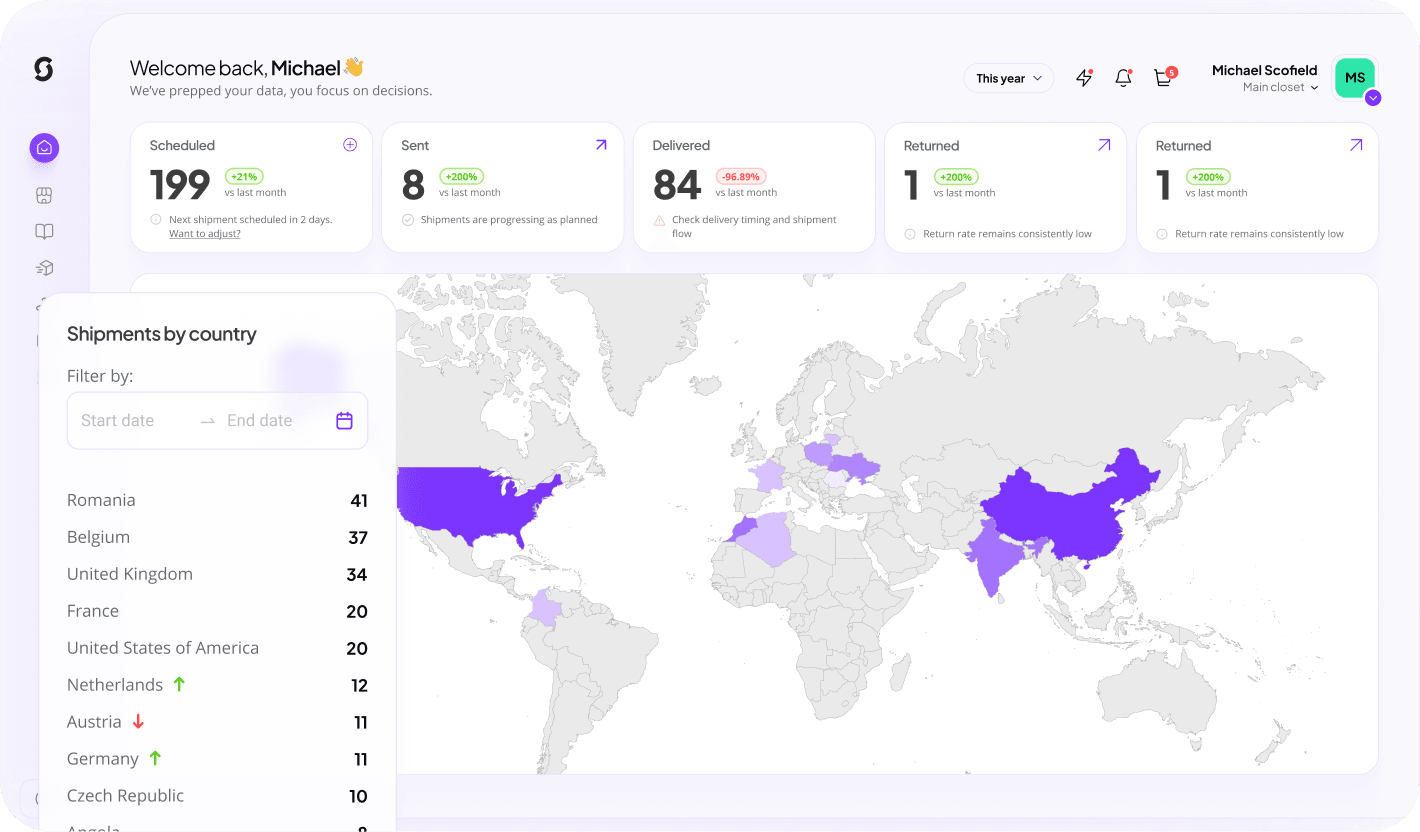
Start with a simple dashboard:
- Revenue, gross margin, and net contribution after fulfillment and returns
- Sell through rate by SKU and size
- Return and exchange rate
- Repeat purchase rate
- Attach rate (how often merch is added to another purchase)
Then connect merch to broader business outcomes. A tote bag might not be your biggest profit item, yet it could drive brand reach and bring new visitors to your store. The goal is to keep both the direct metrics and the halo effects in view, while still protecting margin.
Creative ways merchandise supports revenue beyond direct sales
Direct sales are only one route. Merch can also raise revenue by lifting other lines. When merchandise becomes part of the customer experience, it can increase average order value, improve retention, and strengthen referrals.
Try positioning merch as a “membership signal.” When customers feel like insiders, they come back more often and talk about you more naturally.
Merch can also anchor seasonal campaigns. A limited item can create a reason to pay attention, even when your core offering is steady year round.
Common pitfalls, and how to sidestep them
Many merch programs fail for reasons that are easy to prevent. The issues are rarely about creativity alone. They are about operational discipline and product thinking.
The most expensive mistake is printing a large run before you know what people will actually buy. The second most expensive mistake is choosing a cheap blank or low quality decoration method that saves a dollar and costs you trust.
One more pitfall is confusing internal enthusiasm with market demand. Staff may love a design, and it still may not sell. Let real customer behavior guide the roadmap.
A practical starting plan you can run in 30 days
Start small, move fast, and build evidence. A first release does not need ten products. It needs one or two that are hard to mess up, plus a clear story about why they exist.
Week 1 can focus on selecting the category, finding a supplier, and ordering samples. Week 2 can focus on design finalization and store setup. Week 3 can focus on content, photos, and a tight launch plan. Week 4 can be the launch, plus a post launch review that decides what to reorder and what to cut.
Keep the first cycle honest. If something does not sell, you learned cheaply. If something sells out, you earned the right to expand, add colors, introduce a bundle, or plan a limited run that feels special.
Merchandise is not just extra. When it is treated as a product line with clear goals, sound unit economics, and designs people actually want to use, it becomes a steady engine for revenue and brand strength at the same time.