For custom mugs, printing vs embroidery is a trick question: a ceramic or enamel mug cannot be embroidered. The premium, tactile finish people mean when they say embroidery is engraving or sandblasting, where the mark is cut into the surface instead of printed on top. Print is cheaper, faster and full-colour, from 25 mugs. Engraving and sandblasting cost more, never wear off, and feel expensive, which is why they suit client gifts and high-end brands. Dyeing puts colour in the material itself but needs a higher minimum order.
People search "custom mugs printing vs embroidery" because embroidery is the finish they trust on a hoodie or a cap. They want to know which gives the same premium, durable result on a mug. The honest answer: embroidery does not exist on porcelain. But the instinct is right. The choice that actually matters is print versus the engraved and dyed finishes, and that choice changes the cost, the durability and the whole feel of a custom mug. A mug is a mug, the porcelain barely varies, so the decoration is where it wins or looks cheap.
Why you cannot embroider a mug
Embroidery stitches thread through fabric. A mug is hard porcelain, ceramic or enamel, so there is nothing to stitch into. When someone wants the look they associate with embroidery on a mug, they want three things: a mark that feels tactile, that looks premium, and that never wears off. On a mug, you get all three from engraving or sandblasting, not from thread. So treat "printing vs embroidery" as "printing vs the cut finishes" and the decision gets clear fast.
This matters because the finish sets the tone before anyone reads the logo. A bright full-colour print says fun and promotional. A single engraved mark says considered and premium. Same mug, completely different signal.
The real mug decoration methods
Sunday produces mugs in Europe and decorates them in five main ways. Pick the method first, then design to its strengths.
- Print. Full-colour wrap or a single mark, applied on top of the glaze. The most flexible and budget-friendly option. Best for office kitchens and promotional runs.
- Engraving. The mark is cut into the surface. Tactile, permanent, no ink. The closest thing to the "embroidered" feel people want, and it reads as premium.
- Sandblasting. A soft matte texture blasted into the ceramic. Interior-led and high-end. Feels expensive in the hand and never fades.
- Two-tone and dye. A coloured inside or handle, or a Pantone-in-the-material dye where the colour lives in the ceramic. Dye looks stunning but needs a higher minimum order.
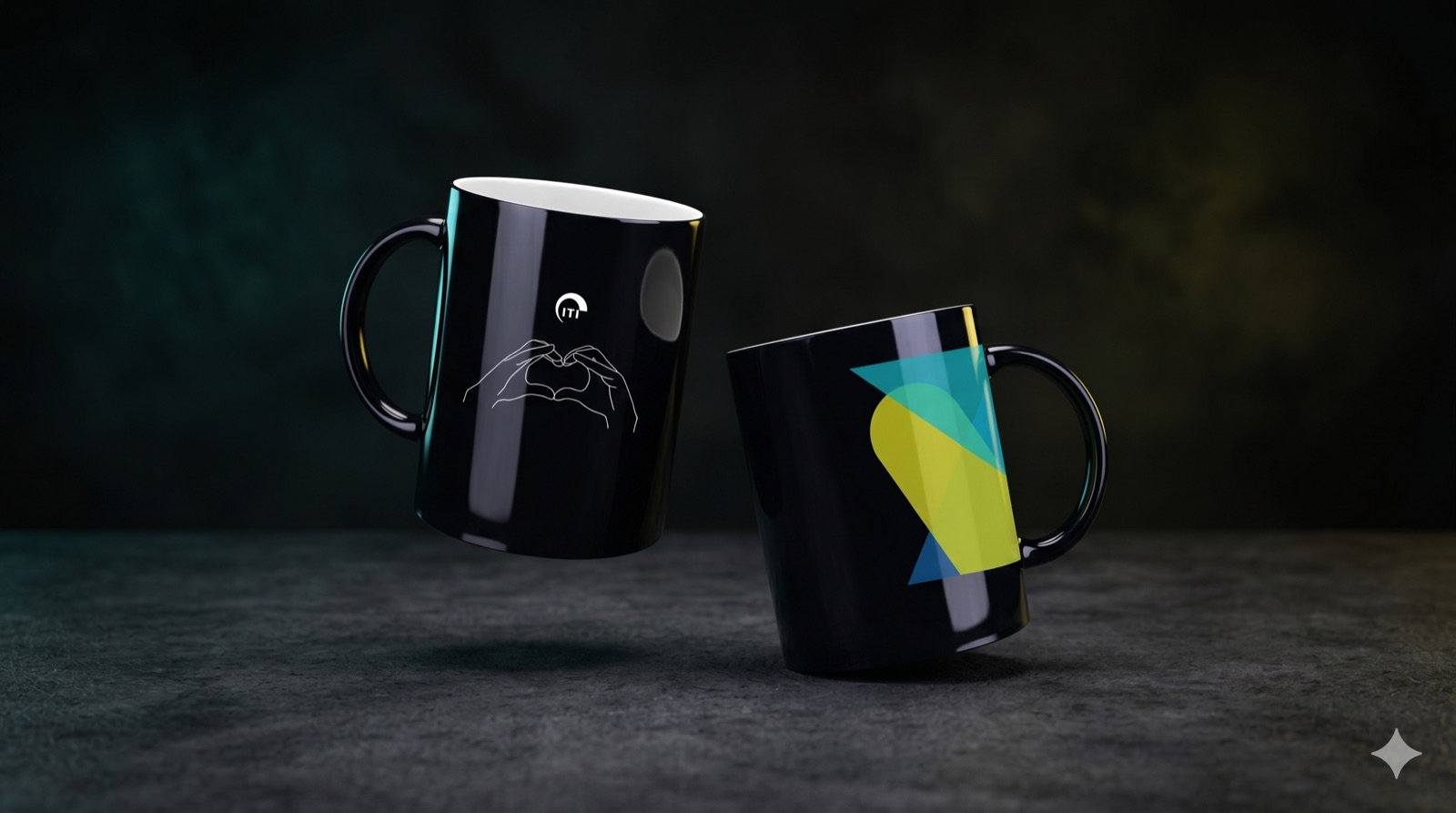
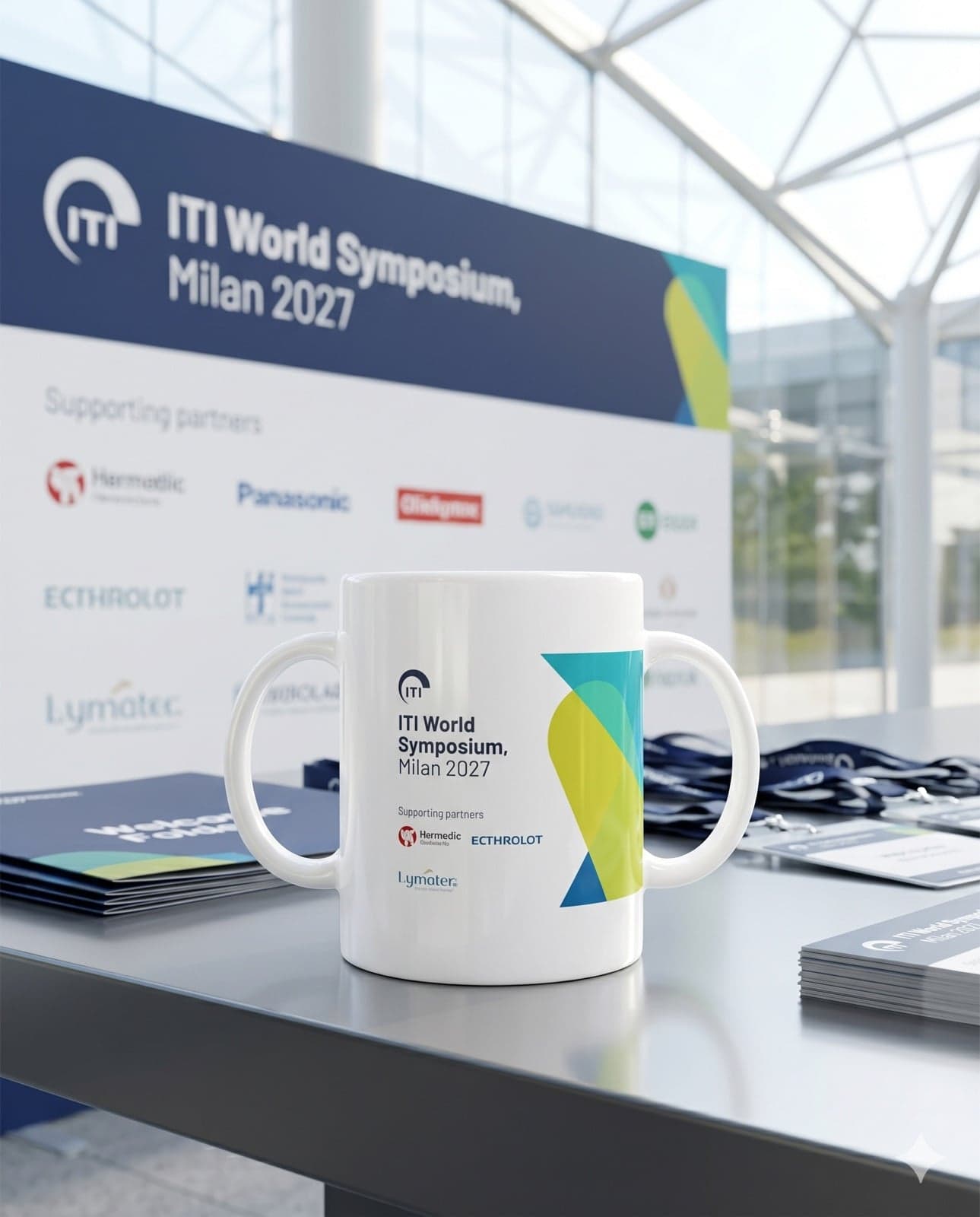
Print is full-colour, flexible and cheap, ideal for the office kitchen. Keep it to two or three brand colours; busy photo wraps fade unevenly after a few hundred washes.
Print vs engraving vs sandblasting vs dye
The trade-offs in one view. Money figures are indicative and depend on volume and design complexity.
| Method | Cost | Durability | Look and feel | Minimum order |
|---|---|---|---|---|
| Print (full-colour or single mark) | Lowest | Good, can wear over years of washing | Bright, flexible, promotional | From 25 |
| Engraving | Higher | Permanent, never fades | Tactile, premium, single-tone | From 25 |
| Sandblasting | Higher | Permanent, never fades | Soft matte texture, high-end | From 25 |
| Two-tone (inside / handle) | Low to medium | In the glaze, very durable | Designed, understated | From 25 |
| Pendulum / Pantone dye | Highest | Colour in the material | Statement, flagship | From 108 |
Lead time across methods is two to four or five weeks depending on complexity. For the full pricing and volume bands, see the custom mugs buyer's guide.
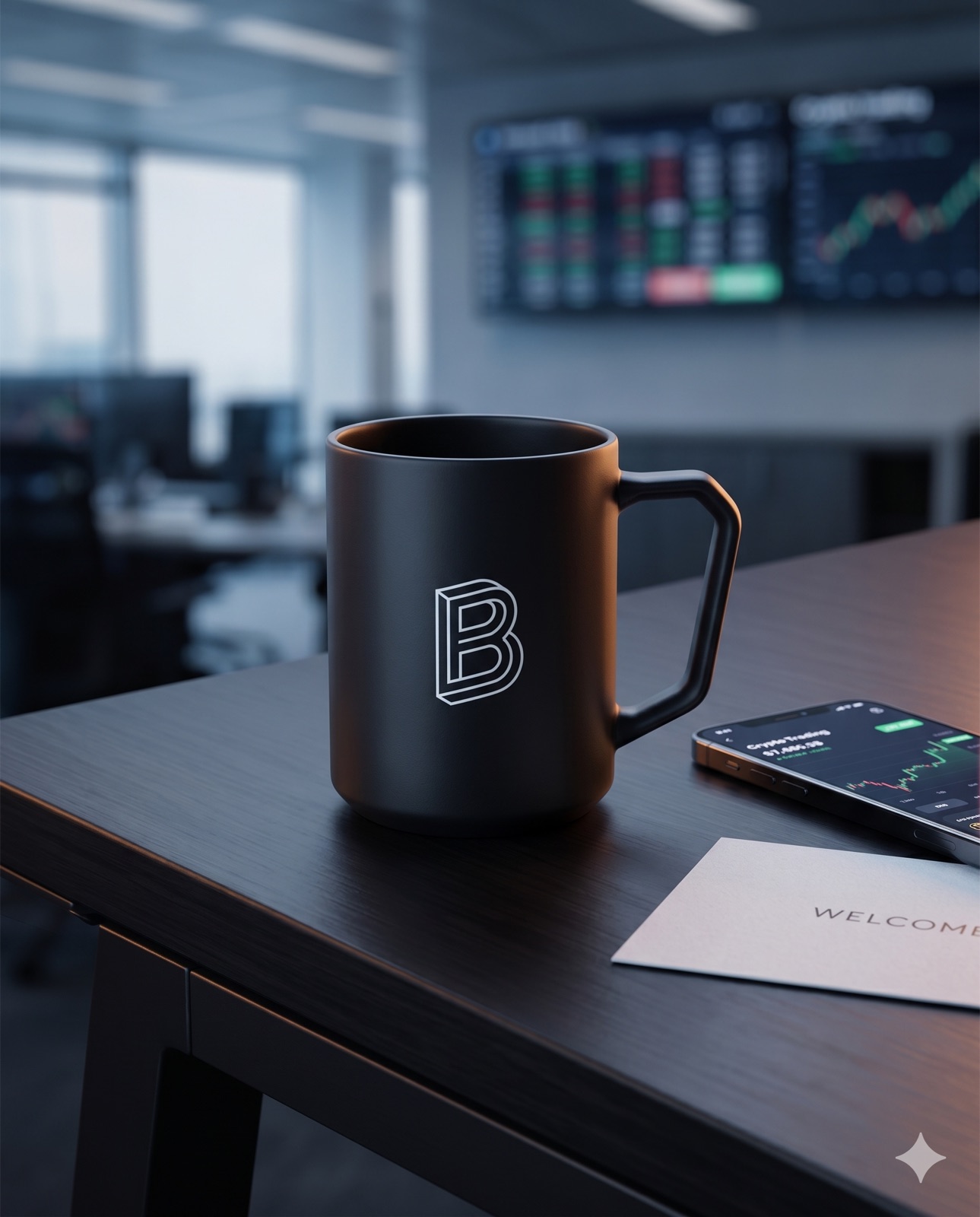
Engraving and sandblasting cut the mark into the surface. No ink, nothing to fade, and a tactile feel, which is what people really want when they ask about embroidery.
How to choose for your use case
The method should match how premium you want the mug to feel and where it will live.
- Office kitchen or promotional run. Print. You want colour, flexibility and a low price per mug. Recognisability beats restraint here.
- Client gift or high-end brand. Engraving or sandblasting. A premium, permanent finish that fits a company's interior and survives daily use. This is the "embroidery feel" for mugs.
- Stylish brand on a budget. Two-tone. A bold inside rim or coloured handle looks designed for almost nothing extra.
- Flagship or signature piece. Pantone dye. The colour lives in the ceramic. Reserve it for bigger runs where the higher minimum order is worth it.
What cheap suppliers get wrong
Stay positive on intent, honest on execution. The mugs that disappoint usually break one rule.
- Promising "embroidered" mugs. If a supplier offers mug embroidery, be careful. They mean a printed patch or a sticker, not a real finish. Ask for engraving or sandblasting by name.
- Ten-colour photo wraps. Photo-realistic prints look busy and fade unevenly. Two or three brand colours age far better.
- Ignoring the handle and rim. The body, handle, inside rim and base are all design zones. A coloured handle is the cheapest way to look considered.
- One mug, no packaging. A single bare mug feels limited. A set with good packaging changes the whole feel.
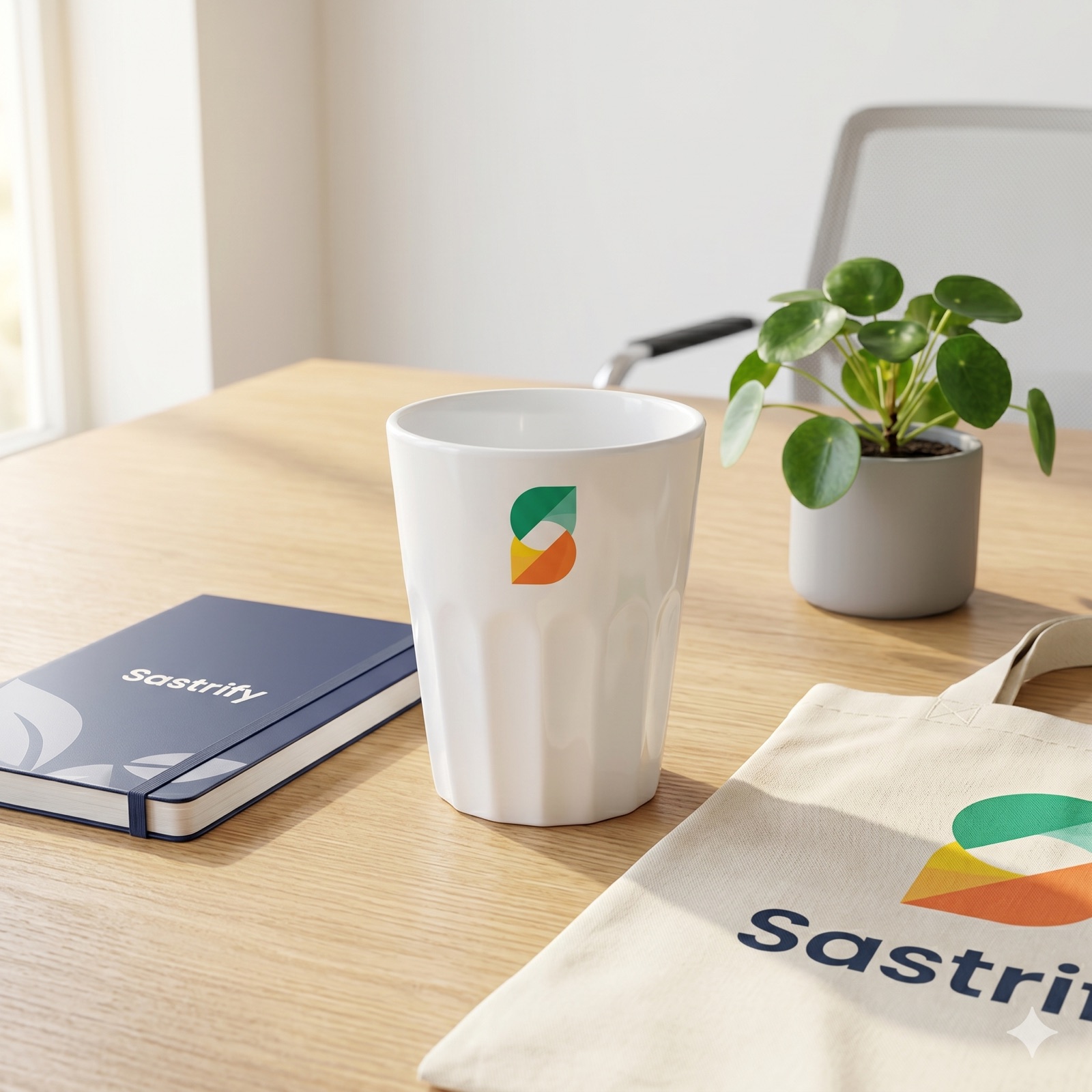
Made in Europe, decorated five ways. The cup barely changes; the finish decides whether it reads as promotional or premium.
Preview your own design
You do not need a designer to start. Drop your logo into the free mug mockup generator and preview your design in your colours in seconds. Test a single mark against a full wrap, try a coloured handle or inside rim, and see which finish fits your brand. When you are ready, Sunday produces in Europe from 25 mugs (dyed from 108), in two to four or five weeks. Browse the catalog, see how it works, or explore the platform.
Custom mugs printing vs embroidery: questions answered
Can you embroider a custom mug?
No. Embroidery stitches thread through fabric, and a mug is hard porcelain, ceramic or enamel, so there is nothing to stitch. The premium, tactile, permanent finish people associate with embroidery is achieved on a mug through engraving or sandblasting, which cut the mark into the surface instead of printing on top.
What is the best decoration method for custom mugs?
Print for colour, flexibility and a low price, ideal for office kitchens and promotional runs. Engraving or sandblasting for a premium, permanent finish that suits client gifts and high-end brands. Two-tone for a designed look on a budget, and Pantone dye for flagship pieces where a higher minimum order is worth it.
Is printing or engraving more durable on a mug?
Engraving and sandblasting are more durable because the mark is cut into the surface and has no ink to fade. A good print lasts for years but can wear over hundreds of dishwasher cycles, especially busy full-colour wraps. For a mug that needs to look new for a long time, choose a cut finish.
How much do custom mugs cost?
Cost depends on the decoration method and volume. Print is the lowest cost per mug, engraving and sandblasting cost more for the premium finish, and Pantone dye is the highest and needs a higher minimum order. See the buyer's guide for indicative volume bands; lead time is two to four or five weeks.
What is the minimum order for custom mugs?
From 25 mugs for print, engraving, sandblasting and two-tone finishes. Dyed mugs start from 108 pieces because the dye process needs a larger batch to be worthwhile. Mugs are made in Europe.
Which mug finish looks most premium?
Engraving and sandblasting look and feel the most premium because they add texture, not just a picture, and never wear off. A Pantone-in-the-material dye effect is the most striking for flagship runs. A restrained two or three colour print on a classic shape also reads as premium when done with restraint.
Keep reading: custom mugs
- Custom mugs: the complete guide
- Best custom mugs companies in 2026
- Custom mugs in bulk: pricing, MOQ and lead times
See your finish on a mug
Create a free account and get free mug designs based on your logo in about 30 seconds. Preview print, engraving and two-tone in your colours before you order.
Get free designs