
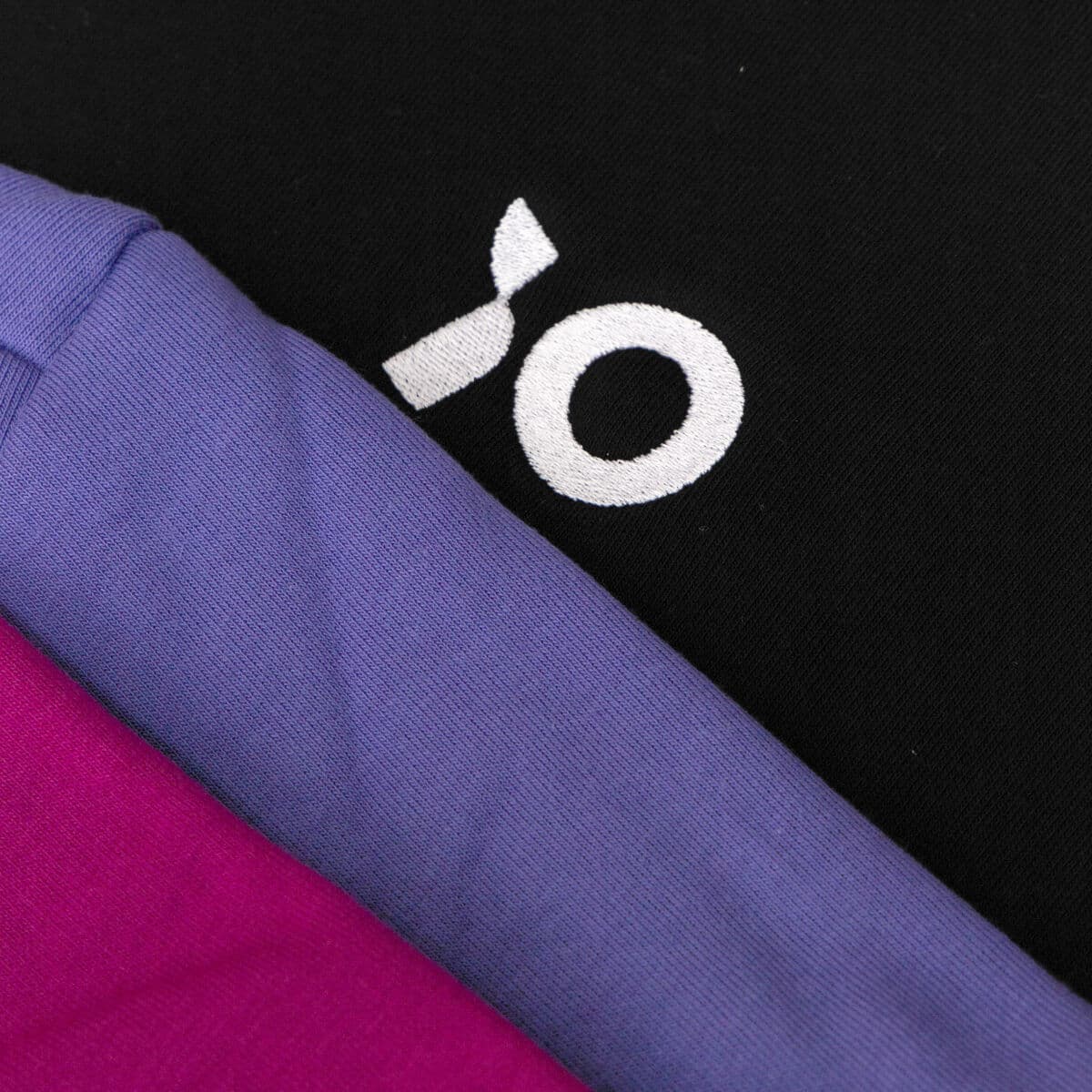
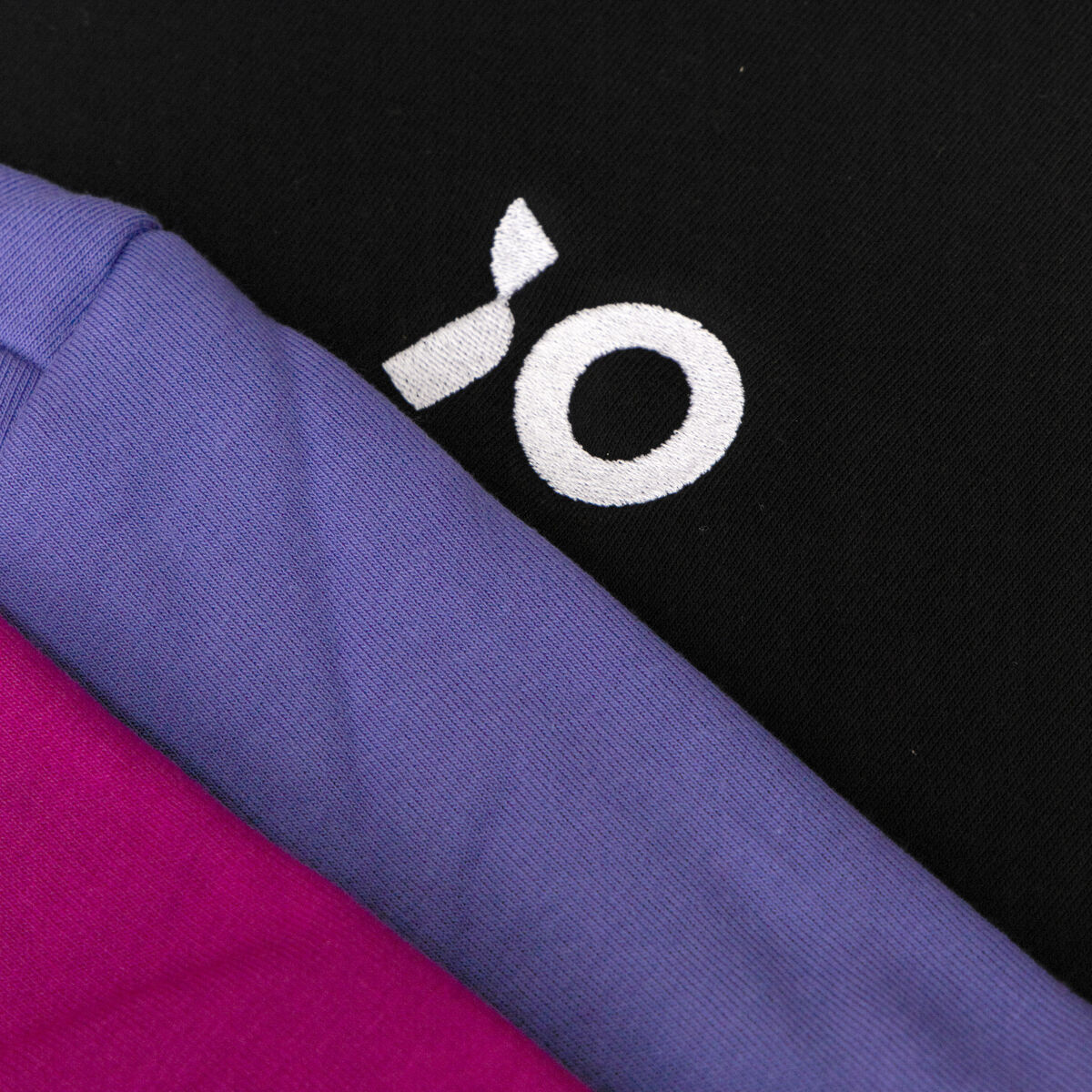
Embroidery is the strongest decoration technique for workwear: the logo is stitched into the fabric and can't wash out. Sewn-on patches and woven labels are equally durable. High-quality screen printing and transfers work too, provided they're chosen for repeated washing. Poor-quality print cracks, fades and peels, making the whole outfit look cheap.
With merch, decoration is an aesthetic choice. With workwear, it's a durability choice. The difference lies in use: a campaign T-shirt only needs to look good for one day, while a work polo needs to look good every day for two years, after dozens of washes, some of them at high temperatures.
That's why the first question isn't "what do I think looks nice" but "how often and how hot does this go through the machine". The answer determines your technique. Below are the four options, what they can handle, and when to choose each one. This article is part of our complete guide to branded workwear.
What's in this article
Why washing tips the scales
Workwear is worn more often, washed more often and used more roughly than office clothing. In hospitality and healthcare, it goes through the machine hot and frequently, sometimes industrially. In retail it's less hot, but just as frequent. In logistics and installation work, friction and wear are added to the mix.
What happens to a poorly chosen decoration is predictable: the print cracks, the color fades, the edges peel away. And the effect is bigger than it seems. A team with a weathered, half-peeled logo doesn't look like a team, it looks like a collection of people in old shirts. That reflects on your company, even if the garment itself is still perfectly fine.
Embroidery: the strongest option
Embroidery is the default choice for workwear that gets washed often, and that's nearly all workwear. The logo is stitched into the fabric with thread. So it doesn't sit on top, it sits inside. It can't wash out, crack or peel. The threads also barely discolor.
- Best for: polos, business shirts, softshells, work jackets, padded jackets, sweaters, aprons, beanies and caps.
- Strength: survives repeated and hot washing, including industrial laundering.
- Look: neat, professional, premium. Works well for brands that don't want to shout.
- Limit: very fine details, thin lines and color gradients don't come out well. Large areas become heavy and stiff.
In practice, that means: a chest logo, a sleeve logo, a company name at a readable size. For a large back logo or a graphic design, switch to a patch or print instead. And always have your logo digitized by someone who understands embroidery, because a logo that looks perfect on screen can become illegible in thread.
Printing: good, if you choose wisely
Print has a poor reputation in workwear, and it's partly deserved. But the fault usually isn't in "print", it's in "cheap print". There's a big difference between a high-quality screen print or a transfer made for repeated washing, and a cheap transfer that gives out after ten washes.
- Best for: larger areas, graphic designs, multiple colors, back logos, T-shirts and sweaters.
- Strength: a good screen print or durable transfer lasts a long time, provided it's chosen for wash resistance.
- Look: flatter and more graphic than embroidery, with more freedom in color and detail.
- Risk: a poor print cracks, fades and peels. That's the fastest way to make a good outfit look cheap.
So always ask explicitly about the wash instructions for the decoration, not just for the garment. And test it. Wash one set ten times the way your team will actually wash it, not the way the manual prescribes. You can read more about techniques and placement in our guide to printing on workwear.
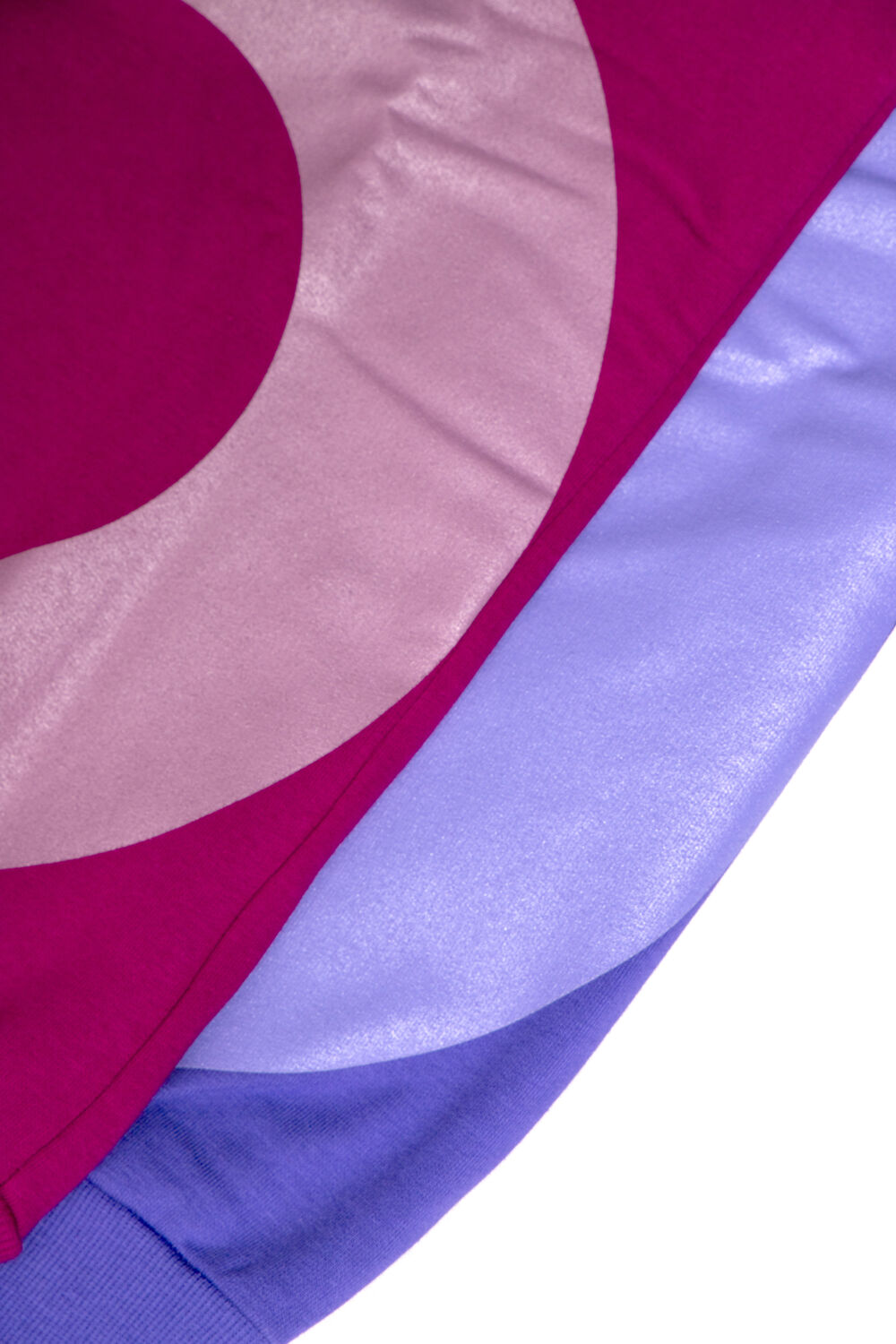
Print isn't the problem, cheap print is the problem. A high-quality screen print or durable transfer lasts a long time, provided it's chosen for wash resistance.
Patches and woven labels: the underrated middle ground
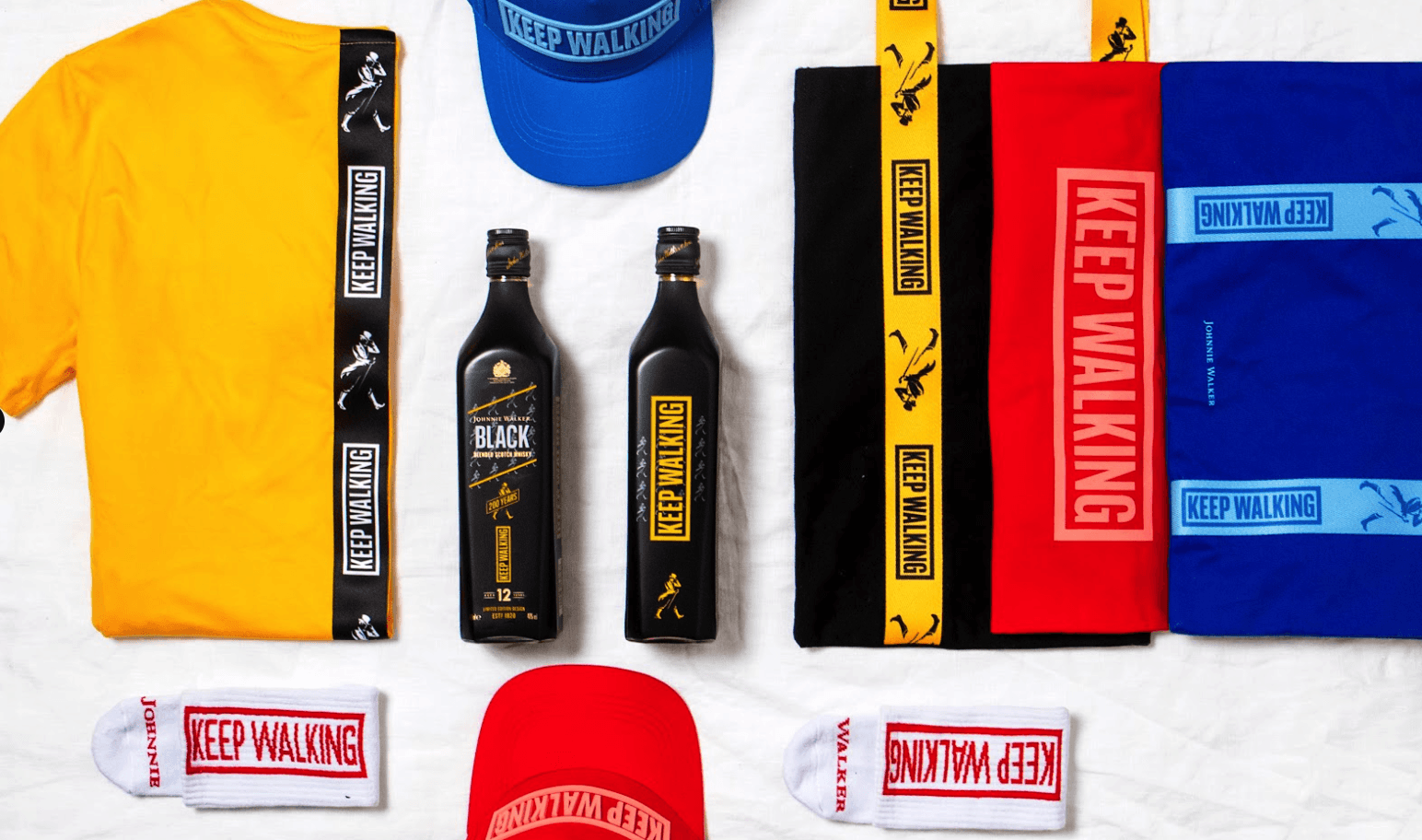
Between embroidery and printing sits a third route that many companies forget: sewn-on patches and woven labels. They're stitched on, so they share the most important property of embroidery: they can't wash out.
- Sewn-on patch. Ideal for a larger back logo or a company name that needs to be readable from a distance. Also great on sleeves and chest pockets.
- Woven label. A subtle, neat detail on an apron, a hem or a collar. Instantly gives an outfit a finished, considered look.
- Stitched branding. Contrast stitching or a custom neck tape make the garment recognizable without needing a logo on it.
In practice: many good workwear programs combine techniques. Embroidery on the chest, a patch on the back, a woven label in the hem. Each technique where it's strongest.
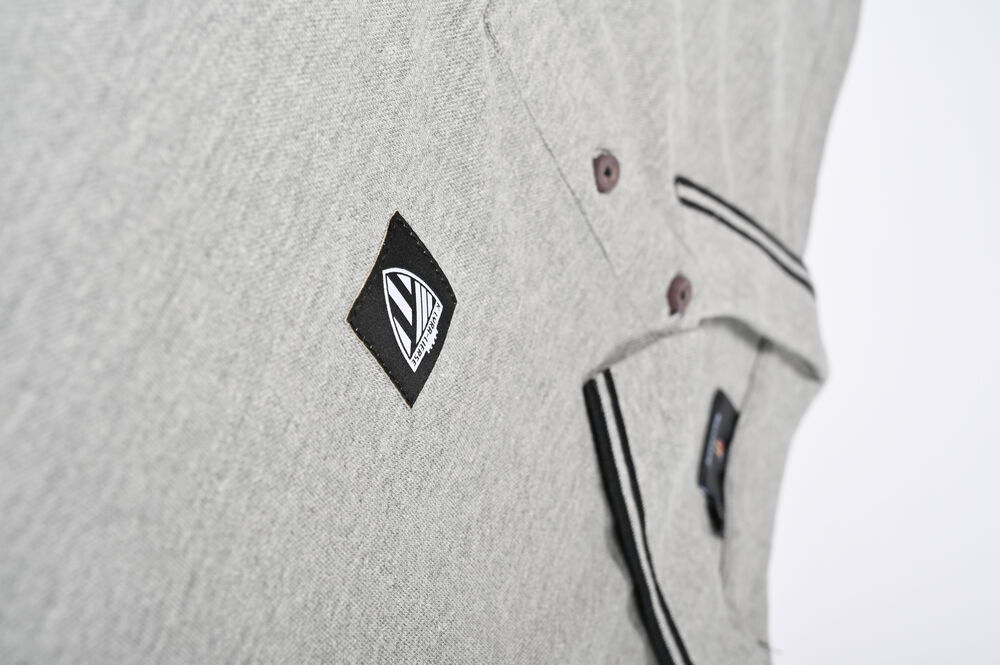
Woven labels and sewn-on patches are stitched in place and share embroidery's strongest property: they can't wash out.
The techniques side by side
| Technique | Wash resistance | Best for | Weakness |
|---|---|---|---|
| Embroidery | Strongest | Chest logo, sleeve logo, polos, jackets, aprons | Fine details and large areas |
| Sewn-on patch | Very strong | Back logo, company name, sleeve detail | Adds thickness to the garment |
| Woven label | Very strong | Hem, collar, apron strap, subtle branding | Small, so not visible from a distance |
| High-quality screen printing | Good, if chosen for wash resistance | Large areas, graphic designs, multiple colors | May soften or fade slightly after years |
| Durable transfer | Fair to good, depending on quality | Small runs, complex colors, fast delivery | Quality differences are large |
| Cheap transfer | Cracks, fades and peels | Nothing in workwear | Makes the whole outfit look cheap |
When to choose what
-
1
Is it washed hot or industrially?
Choose embroidery, patches or woven labels. Hospitality and healthcare are the clearest cases: daily washing, high temperatures, stains. Only choose print if the supplier can substantiate the wash resistance in writing.
-
2
Is the logo small and legible?
Embroidery. A chest logo a few centimeters wide is exactly where embroidery excels: sharp, neat, and it lasts as long as the garment does.
-
3
Is it a large back logo or a graphic design?
Choose a sewn-on patch or a high-quality screen print. Embroidery becomes heavy, stiff and expensive at that size. In logistics, installation and construction, a legible company name on the back is often exactly what you need.
-
4
Do you want a subtle, premium detail?
A woven label in the hem, on the apron strap or in the collar. Small, durable, and it instantly gives an outfit a considered look.
-
5
Is it a small run or a quick test?
Then a durable transfer or print is defensible, as long as you choose consciously. For an initial test on printed stock, that's often the fastest route. But if you're building an outfit that needs to last for years, go straight for stitched branding.
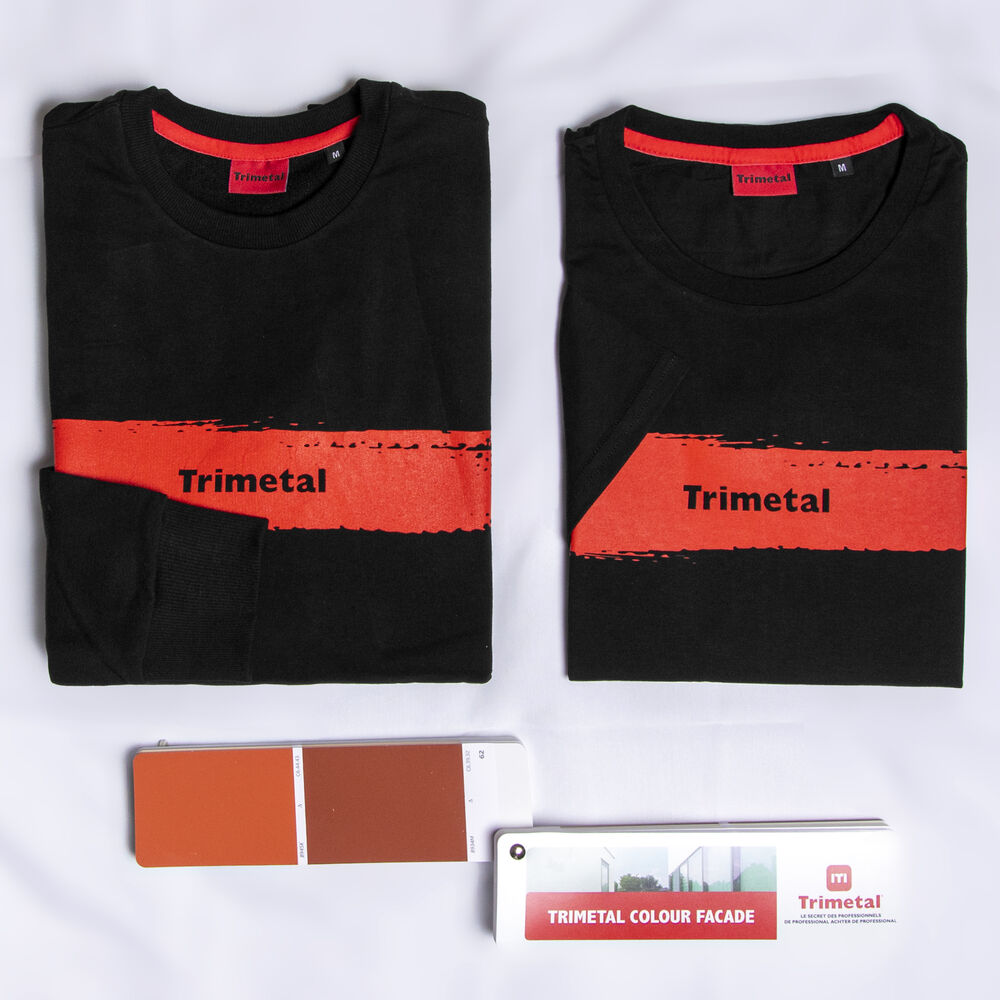
For large areas and graphic designs, print is the logical choice. Embroidery becomes heavy, stiff and expensive there.
Placement: workwear can carry more branding
Workwear allows for more visible branding than casual company clothing, and that's exactly the point. Part of its function is identification. Customers, visitors and colleagues need to see immediately who's working and who they can approach.
Practical placements: chest (the standard spot), sleeve (subtle but visible in motion), back (readable from a distance), collar or hem (for a label), and the garment fully in brand color. In retail, hospitality and service, stronger branding works well because the outfit functions as a uniform. The goal: recognizable, approachable, trustworthy.
Decoration with Sunday
Sunday is merch infrastructure, not a classic supplier. You open a product page and the platform uses your brand data to immediately show design directions with live pricing. You can see what an embroidered logo looks like on a branded polo in your colors, and how each decoration choice changes the price.
Want to see your design before you order? Use the free polo mockup generator: you'll see your logo in your own colors on the garment before anything is made. The full range of branded workwear is on the product page.
A note: Sunday supplies non-certified, branded workwear. Where strict safety standards apply, such as hi-vis or EN ISO 20471, use certified safety wear. If instead of functional workwear you're looking for a voluntary, brand-driven wardrobe that people choose for themselves, read our guide to branded apparel with a logo. And if you first want to know exactly what to buy, start with the workwear buying guide.
About this article
A logo that survives the washing machine
Embroidery, patches, woven labels or high-quality print, chosen for daily use. Made in the EU, with live prices in 30 seconds.
Get free designs