
Event merchandise works when it gives people a reason to keep, use or talk about the product after the event. It fails when it is chosen only because it is cheap or expected at a booth. The strongest approach is a three-tier model: volume giveaways for general traffic, better gifts for ideal prospects, and tailored gifts for strategic accounts. On timing, plan ahead, bundle merch per quarter, order in bulk, store it, and ship to each event in one to two days. Below are the questions buyers ask most.
Good event merch is about uniqueness, quality and usefulness, with tasteful branding that connects the product to the company without feeling like disposable advertising. This FAQ pulls together budget, timing, logistics and measurement. For the full strategy, read the complete event merchandise guide. To build and ship a campaign, look at the Sunday platform and distribution.
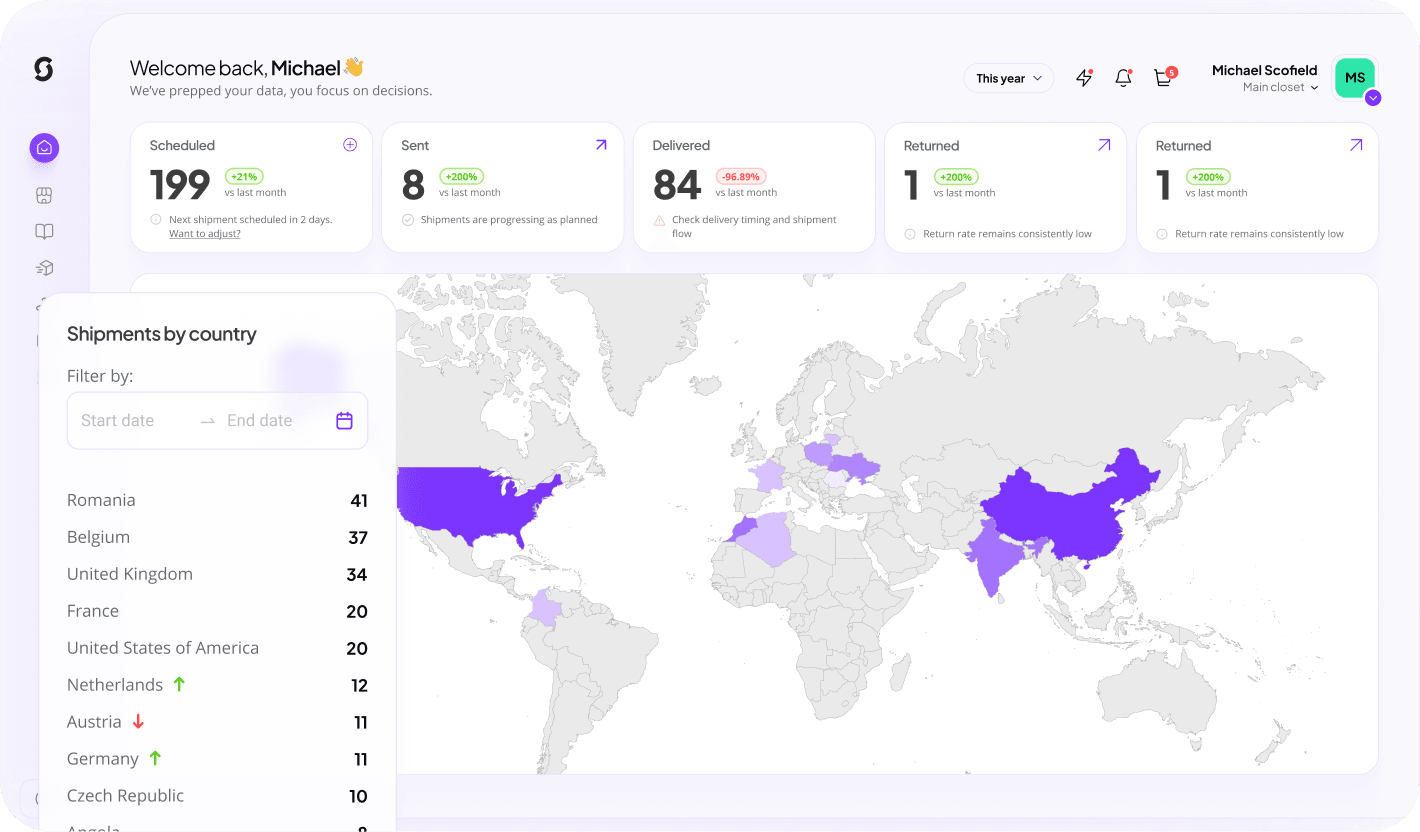
Capture the recipient when you hand an item out, via a landing or redeem page, so you can measure conversion and follow up afterwards.
Running a food activation, festival or tasting? A custom apron is strong event merch for those moments. Browse the custom aprons range and preview a design with the free apron mockup generator. For how it all ships on time, read how it works.
Event merchandise: questions answered
What is event merchandise?
Event merchandise is branded product given out at or around an event, from trade-show booth giveaways and conference swag to attendee gifts and pre-event kits. The point is not to hand out the cheapest thing possible. Good event merch gives people a reason to keep, use or talk about the product after the event, built on uniqueness, quality and usefulness with tasteful branding.
What makes good event merchandise?
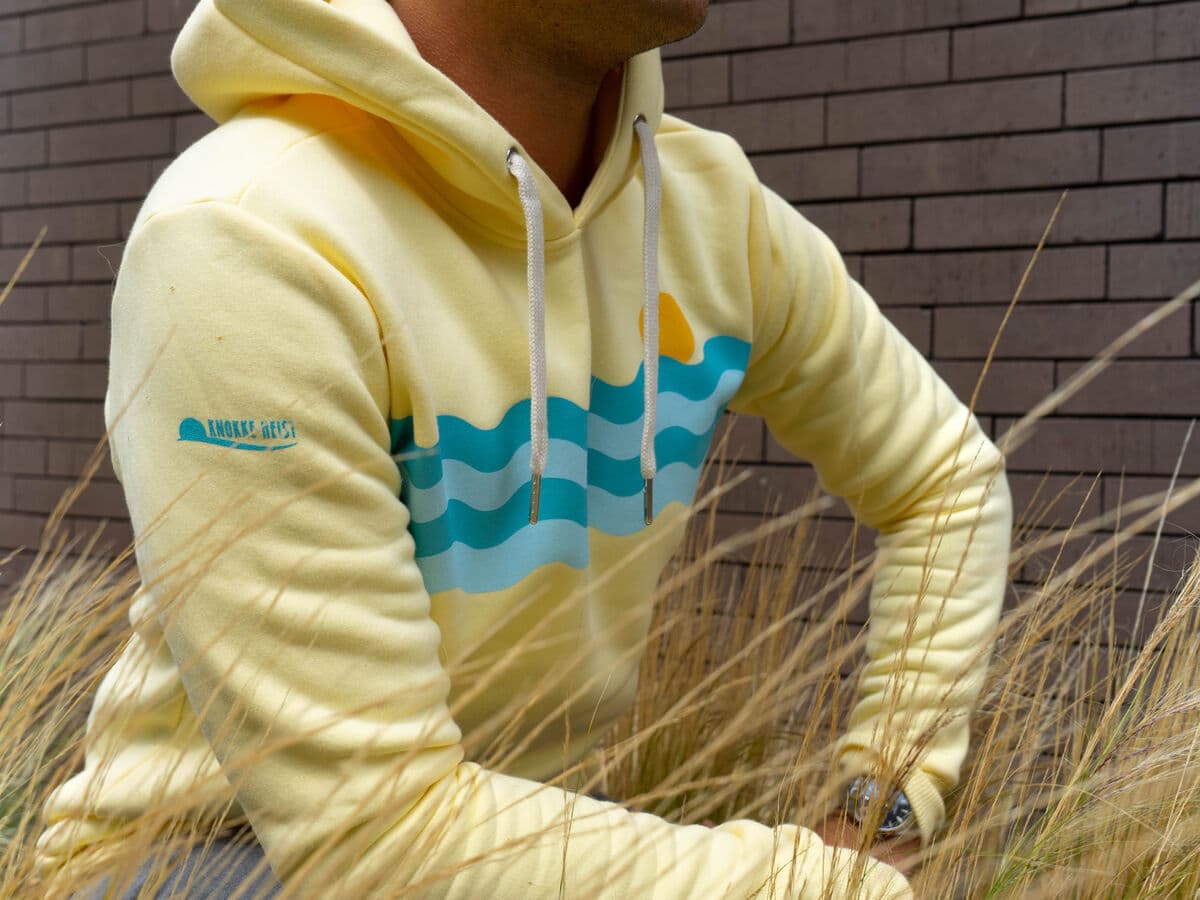
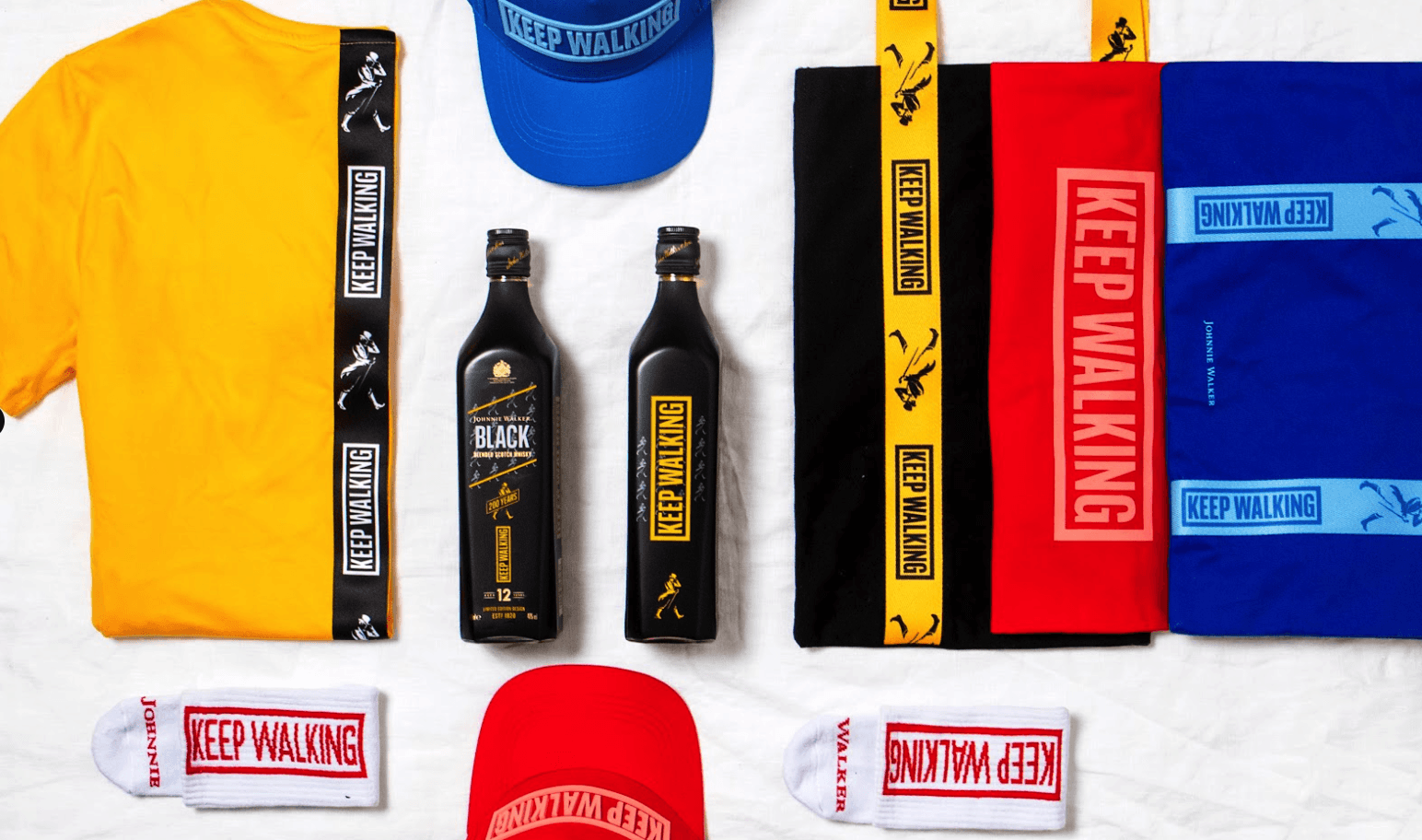
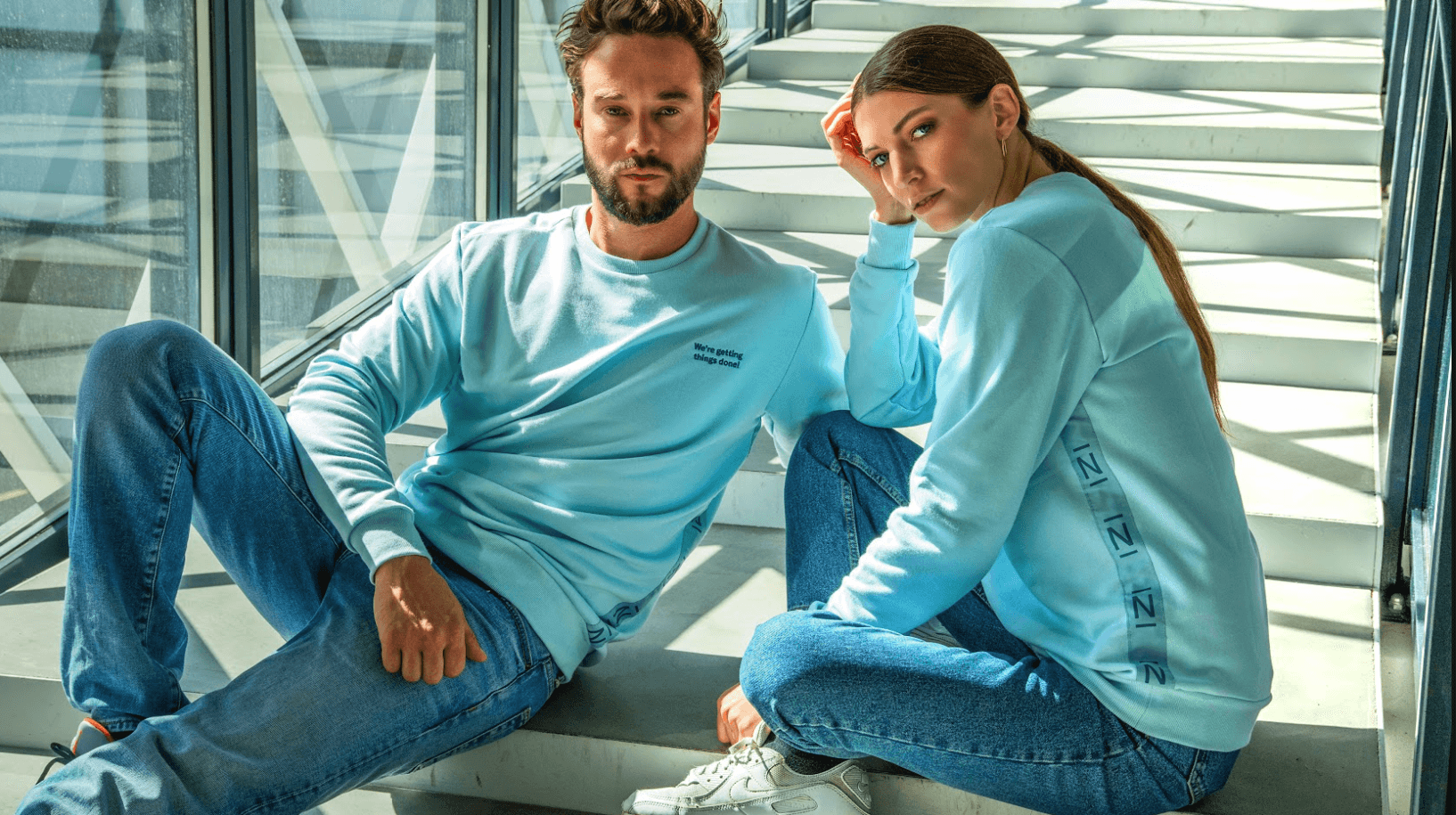
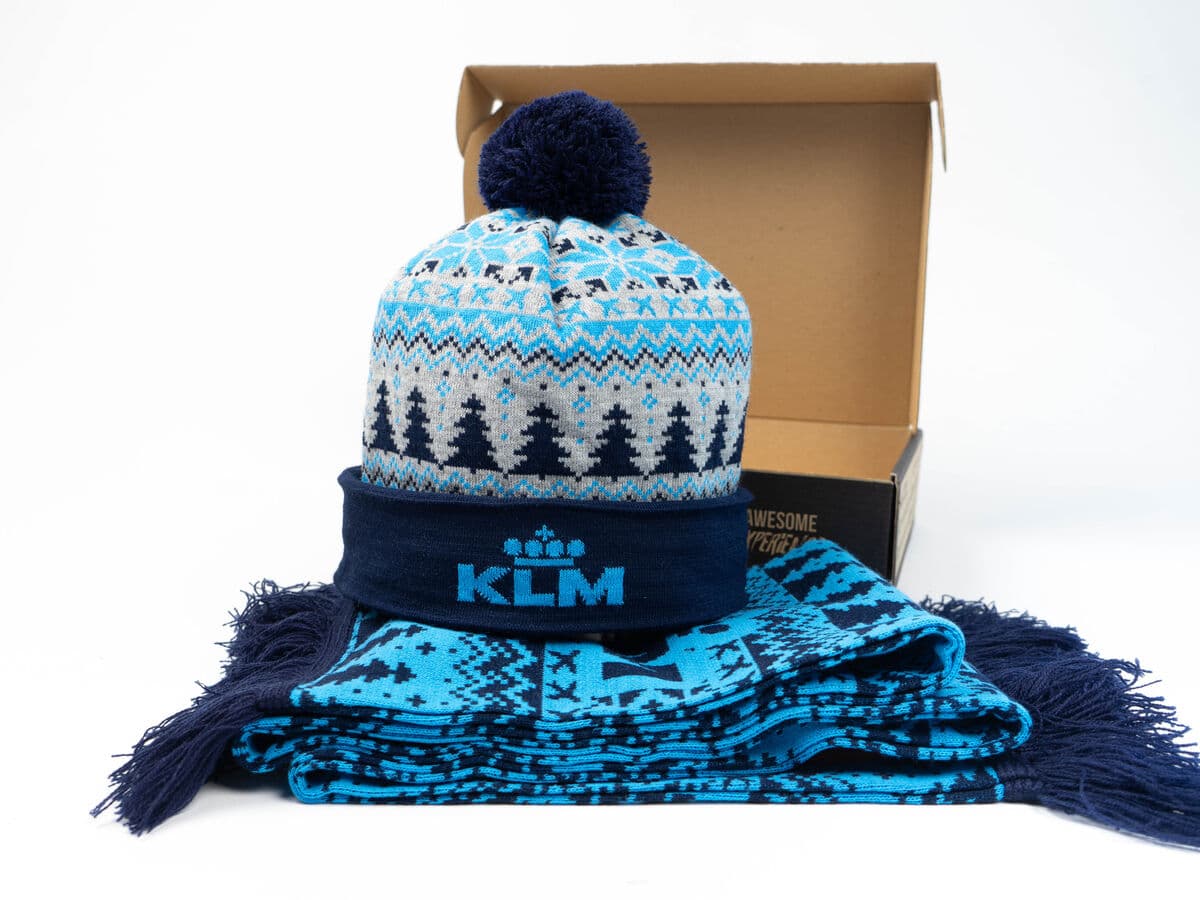
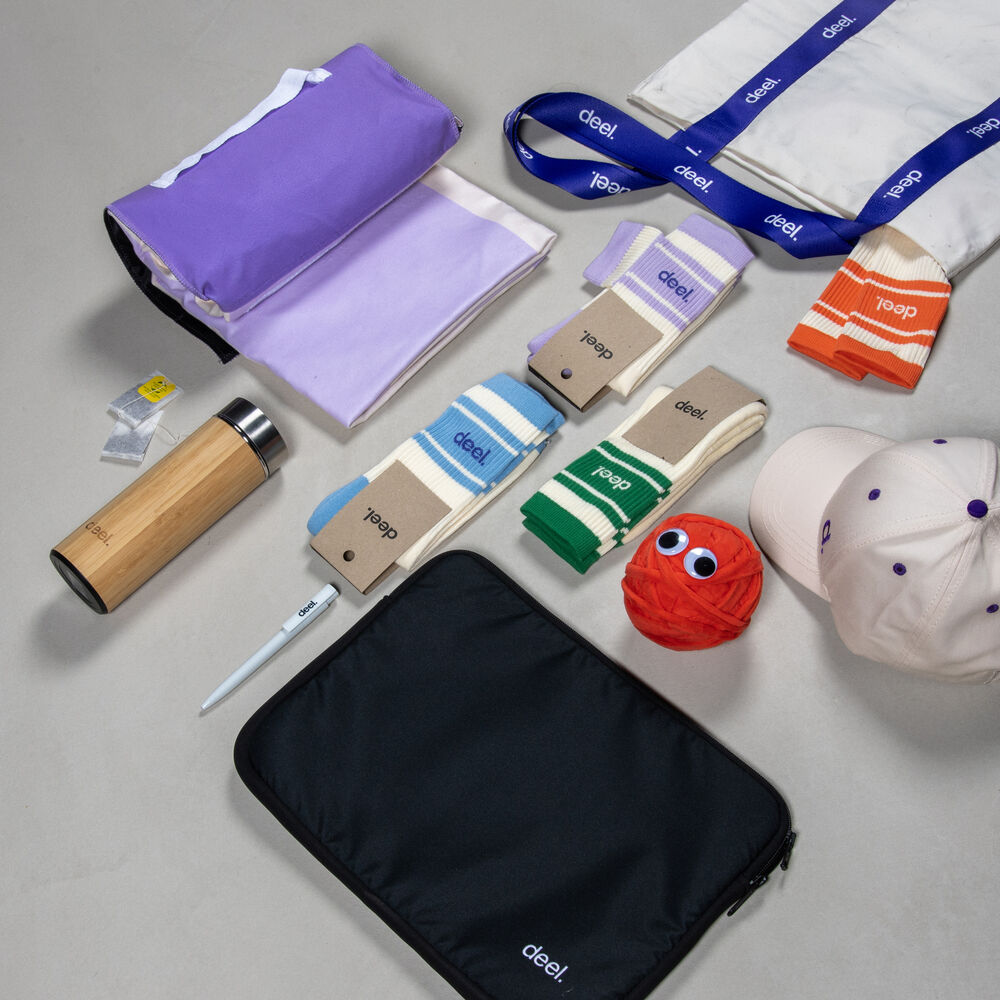
Three things people keep: genuinely unique products they have never seen, beautiful high-quality versions of familiar products such as a premium tee or a durable bag, and useful products such as chargers, adapters and practical travel items. Even a useful product gets binned if it is drowned in branding, so keep branding restrained and connected to the company without feeling like disposable advertising.
How much should I spend on event merchandise?
It is audience-driven, not a fixed ratio. For a high-volume event with few real target accounts, lean mainly to affordable volume giveaways. For a high-stakes event, reduce or cut the cheapest tier and shift budget toward premium items. The smart structure is three tiers: volume giveaways for general traffic, better gifts for ideal prospects, and tailored gifts for strategic accounts, so budget tracks commercial importance.
What is the three-tier event merch model?
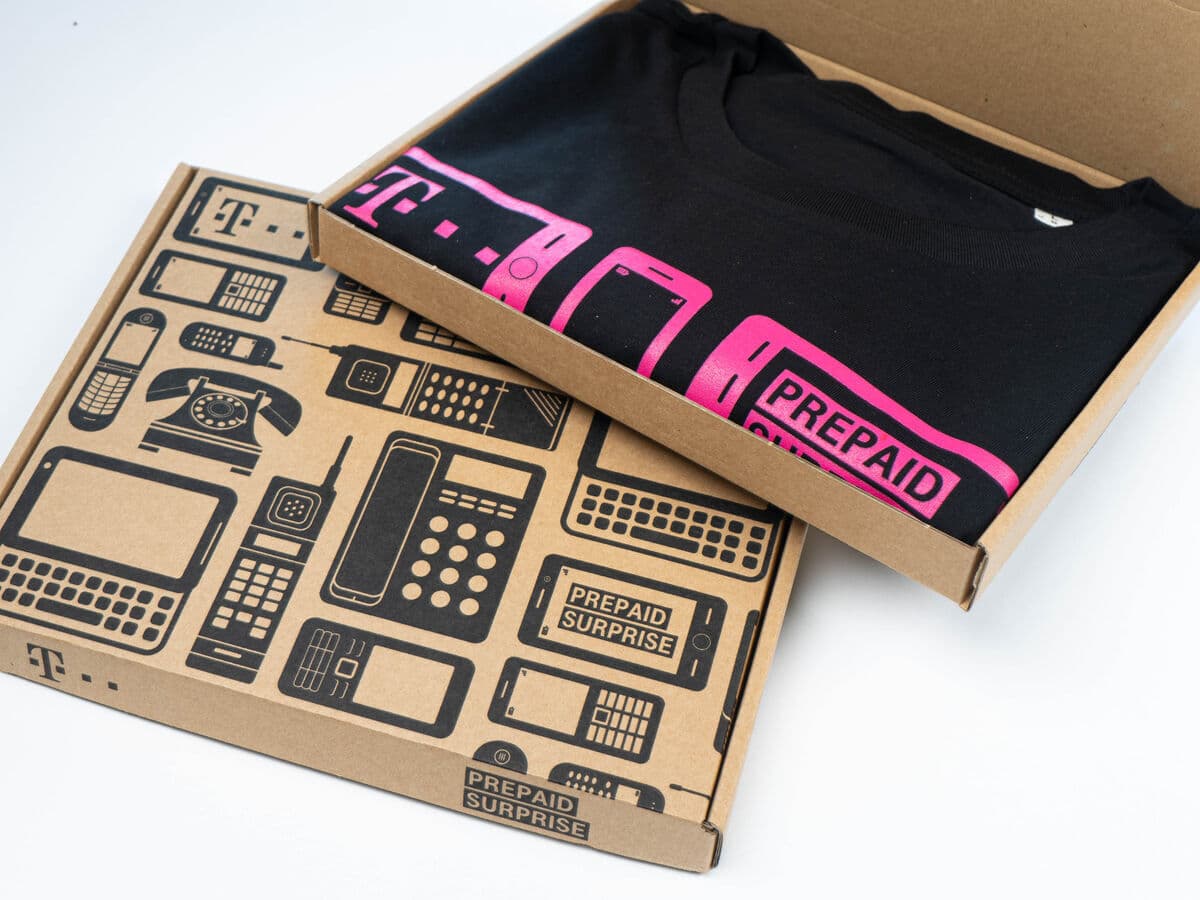
Tier one is volume giveaways for general booth traffic: affordable, easy to distribute and memorable, for basic awareness. Tier two is gifts for ideal prospects who match your target, handed over or sent afterwards via a redeem page, giving a stronger reason to continue the conversation. Tier three is strategic gifts: a highly tailored gift for pre-identified target accounts, tied to a clear commercial objective.
How far ahead should I order event merchandise?
Always plan ahead, because the special and custom items need runway. Sunday's standing advice is to bundle merch per quarter or half-year: forecast what you will need across the next three to six months, order it in bulk for a single discount, and store it. Then ship to each event in one to two days. You get deadline safety, less stress and a lower price than rush-producing per event.
How do I get event merch delivered on time?
Avoid rush production by ordering early and in bulk, then storing the stock. With merch held and ready, it can be kitted and shipped to each event in one to two days. You can also time sends deliberately: a pre-event kit to booked meetings and VIPs to pull them to the booth, and a post-event send to captured, qualified leads. Sometimes shipping before or after beats handing out on the floor.
How do I measure event merchandise ROI?
Capture the recipient when you hand an item out, via a landing page, redeem page or scan. Once you know exactly who received what, you can check conversion rates later and follow up automatically: did they like the item, like the brand, are they interested. As long as every item handed out is tracked, ROI is easy to measure. Untracked handouts are the ones you cannot measure.
What event merchandise should I avoid?
Skip stress balls. Use pens and notebooks only if genuinely useful, and never as the main gift, though a booklet to take home from a speaking event can work as a secondary item. Avoid flimsy, cheap tote bags of the throwaway card or paper type. A better move is to spend a little less overall, buy a smaller quantity of premium items, and run a raffle rather than giving everyone something cheap.
What merch works best by event type?
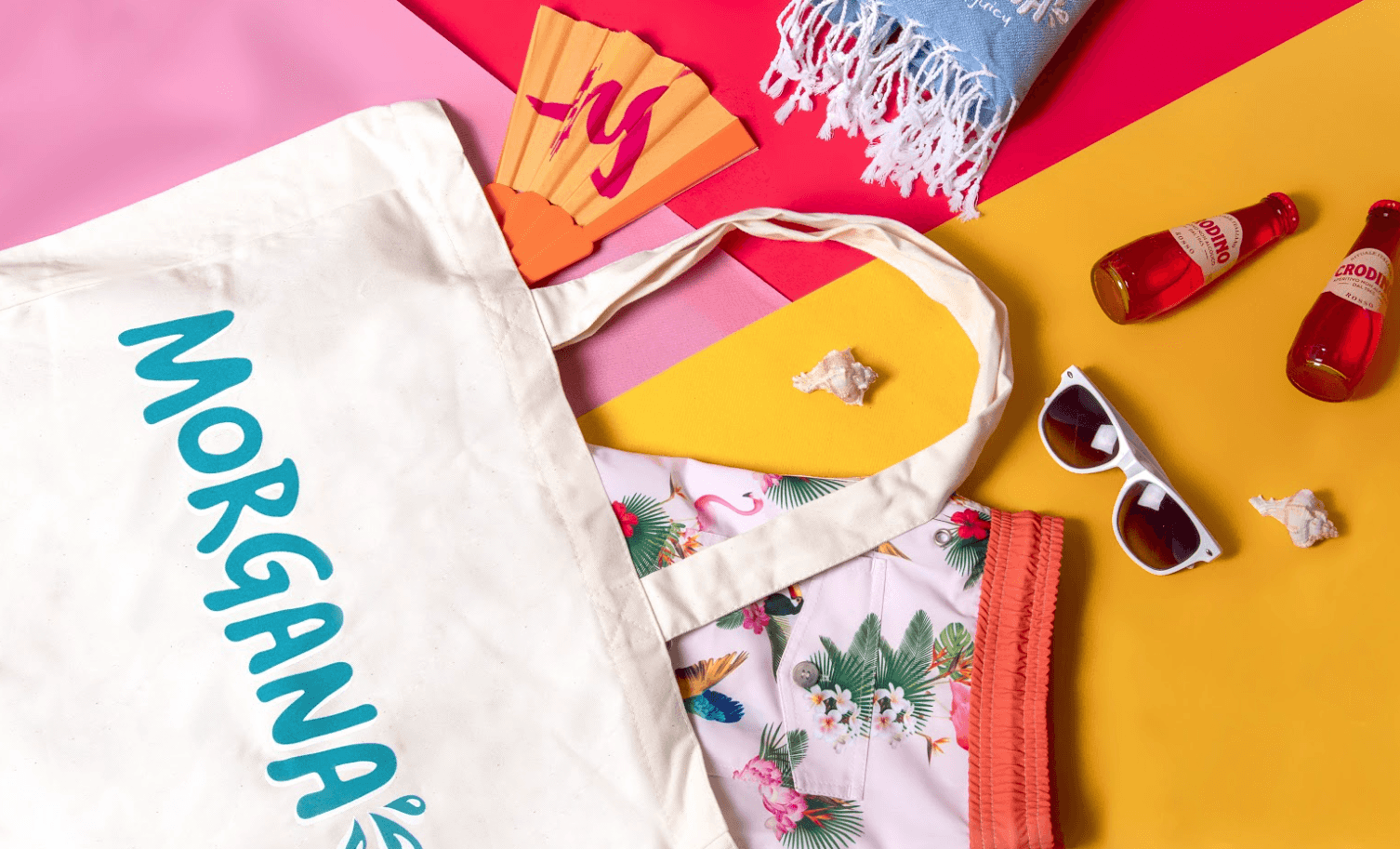
Trade shows: volume plus attractive items so the brand pops and draws people to the booth. Conferences: attendees are there to learn, so optimise for good conversations with premium gifts and items you can send afterwards. Corporate events: the audience is known, so go heavier on branding and on the experience, even a pre-event kit. Festivals: reach B2C, so use festival-practical items like caps, hand fans and sunscreen.
Are custom aprons good event merchandise?
Yes, for the right event. A custom apron is strong event merch for food activations, festivals, tastings and BBQ campaigns, where it dresses the crew as part of the experience or works as a premium giveaway. It is durable, photographs well and is the kind of product people keep and use, which is exactly the test good event merch has to pass.
How does sustainability fit into event merch?
Two levels. First and most important, give people products they will actually use, because a kept-and-used product beats a technically sustainable one that is binned. Second, control quality and materials: material standards, durability, certifications, packaging, transport and sourcing. The right strategy is often produce less, but better. Fewer high-quality, actually-used products beat large volumes of cheap merch.
Is on-site personalization worth it?
It is a nice gimmick that can draw an audience to the booth, but that is largely where the value stops. Treat on-site personalization as an attention and footfall tactic rather than a deeper ROI driver. The bigger wins come from giving the right product to the right person and capturing recipients so you can follow up and measure conversion afterwards.
Keep reading: event merchandise
Build your event merch campaign with Sunday
Forecast, bulk order, store, kit and ship to each event in one to two days, with redeem pages and tracking built in.
Build this campaign