
Employee retention rarely hinges on a single grand program. It is usually the sum of many small signals that tell people, day after day, “You matter here.”
Corporate merch can be one of those signals when it is treated as culture in physical form, not as a box of random freebies. The right items, delivered at the right moments, help people feel seen, connected, and proud to be part of the team.
Retention is emotional before it is rational
Compensation, growth, and flexibility matter. People still leave when they feel anonymous, underappreciated, or disconnected from the mission.
Merch can support retention because it is tangible. It shows up on a desk, in a gym bag, in a Monday morning coffee routine. It quietly reinforces belonging, and belonging is sticky.
A surprising part is that merch does not need to be expensive to be meaningful. It needs to be intentional.
Why physical items can strengthen belonging
Human beings attach meaning to objects. A worn hoodie from a meaningful project, a notebook used during a hard season, a mug that becomes part of a daily ritual, these objects become cues that anchor memories and identity.
When merch is tied to real moments, it becomes more than branding. It becomes a reminder of contribution.
After a team has shipped something difficult, a well designed item can say what busy leaders sometimes fail to say out loud: “That work mattered, and we noticed.”
The difference between “swag” and culture merchandise
Many companies have a closet full of leftovers because the items were chosen for logo visibility rather than employee experience.
A better approach starts with a simple question: would someone choose this if it had no logo at all?
When the answer is yes, you are closer to merchandise that supports retention.
Common traits of culture-forward merch include:
- High comfort
- Subtle branding
- Practical daily use
- Inclusive sizing
- Durable materials
Design for real life, not just the company photo
If people only wear the shirt on volunteer day, the item is not doing much cultural work. The goal is “reach” measured in lived experience, not social media posts.
Think about where employees actually spend time. Hybrid workers move between home, office, coffee shops, airports, school pickup lines, gyms, and grocery stores. The best merchandise fits naturally into that rhythm.
A good design brief tends to include constraints that raise quality:
- Fit and fabric standards
- Color palettes people already wear
- Minimal graphics, thoughtful placement
- Options for warmer and cooler climates
That last point is easy to miss. A beautiful heavy hoodie will not get worn in Phoenix in May.
Merch that matches the employee lifecycle
Retention is shaped by a sequence of moments. Merchandise can reinforce the moments that matter, especially when paired with a note, a manager conversation, or public recognition.
The table below shows a practical way to map items to retention intent.
| Employee moment | What to give | Why it helps retention |
|---|---|---|
| Offer accepted | Welcome box with a practical item (bottle, notebook) | Signals intentionality and reduces “first day anxiety” |
| Week 1 | High quality tee or crewneck, simple branding | Builds early belonging and reduces outsider feeling |
| First shipped project | Limited drop tied to the project name | Connects effort to identity and pride |
| Recognition event | Premium item with a personal note | Makes appreciation tangible, not abstract |
| Promotion or role change | Upgraded desk kit or travel item | Marks growth and communicates trust |
| Anniversary | Choice-based catalog or points | Honors longevity without forcing preferences |
| Return to office cadence change | Bag, tech pouch, mug | Supports new routines during transition |
A good program does not need every row. Two or three well executed touchpoints can outperform a larger, noisy rollout.
Choice beats guessing
Merch can backfire when it feels like clutter. People resent waste, and many feel guilty tossing items, even if they never wanted them.
The simplest fix is choice. Let employees pick sizes, colors, and even categories. Choice also helps across different lifestyles and cultures.
After you commit to choice, the next step is to keep the collection tight. Fewer options with higher quality beats a broad catalog of mediocre items.
Here are common “choice-friendly” categories that age well in most closets and kitchens:
- Outerwear
- Drinkware
- Desk essentials
- Travel accessories
- Minimal hats
Recognition: the secret multiplier
A hoodie without context is a hoodie. A hoodie that marks a milestone becomes a story.
To make merchandise support retention, pair it with recognition that is specific. Generic praise feels cheap. Concrete appreciation feels earned.
A strong recognition moment usually includes:
- What happened: the project, the outcome, the impact
- What it required: grit, creativity, collaboration, leadership
- What it means: trust, growth, readiness for more scope
When leaders do this consistently, the physical item becomes a symbol, and symbols keep people connected during stressful quarters.
Team identity without creating “in groups”
Merch can strengthen culture, and it can also accidentally create a hierarchy. If only certain teams get the best items, others notice.
Fairness matters for retention. People can accept differences in perks when the reasoning is transparent and consistent. They resist when distribution looks arbitrary.
A few guardrails help:
- Define a baseline kit that everyone receives
- Create milestone drops that apply across functions
- Reserve special items for measurable events, not favoritism
- Avoid designs that spotlight only one department’s identity
This is not about making everything identical. It is about making the logic feel respectful.
Build pride without over-branding
Many employees enjoy representing the company, just not as a walking billboard.
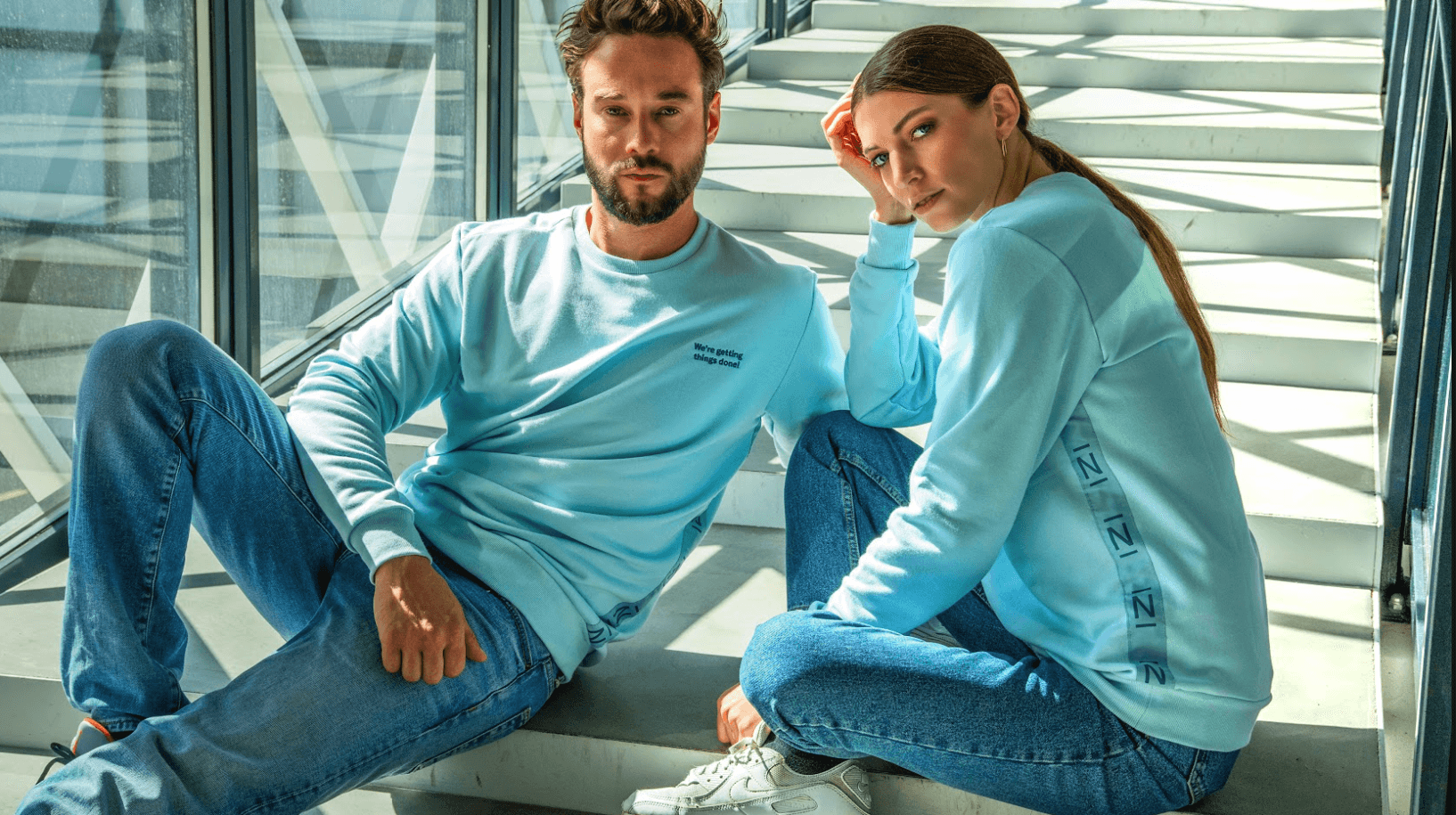
Subtle branding tends to win: small tonal embroidery, a clean mark on a sleeve, an internal phrase that feels like an inside joke without being exclusionary.
Another strong option is values-based design. When done carefully, it feels aspirational rather than corporate. The key is to keep language short and real. People can sense poster phrases.
A single word can carry more weight than a paragraph.
Quality is retention strategy
Low quality merch communicates something you do not want to say: “We cut corners when it comes to you.”
You do not need luxury. You do need durability, comfort, and good fit.
Quality also supports sustainability goals. Fewer items that last longer reduces waste and makes employees more willing to accept physical goods.
If you want a simple internal standard, try this: only ship items you would be comfortable buying with your own money.
Responsible sourcing without slowing everything down
Merch can be produced responsibly while still meeting practical timelines. The trick is to set standards early and work with vendors who can document materials, labor practices, and shipping options.
If sustainability is part of your culture, your merchandise should not contradict it. Employees notice mismatches, and mismatches erode trust.
Responsible choices can include better fabrics, smarter packaging, and consolidated shipping. These are not “nice to have” details. They are part of the signal.
Measuring whether merch is helping retention
Merch is not magic. Treat it like an experiment with clear signals.
Start with a few measurable questions:
- Do employees actually use it?
- Does it improve belonging scores or engagement signals?
- Does it correlate with longer tenure in key groups?
You can track practical metrics without turning it into surveillance. Distribution and redemption rates, size exchange rates, and opt-out rates reveal whether you are sending things people want.
Pair that with light-touch feedback. A two-question pulse after a drop can be enough if you ask the right things: “Would you choose this again?” and “Did this make you feel more connected to the team?”
Retention impact often shows up indirectly first. Better onboarding sentiment, stronger recognition scores, and higher participation in team moments tend to appear before any shift in annual retention numbers.
Common mistakes that make merch feel empty
Most merch programs fail in predictable ways. The good news is that they are fixable.
When you see these patterns, retention benefits usually drop:
- Random timing with no meaningful moment attached
- One-size-fits-all sizing assumptions
- Loud branding that limits real-world wear
- Too many small items that become desk clutter
- Cheap fabrics that shrink, scratch, or fade
Merch should feel like an investment in people, not an expense line that needs to be minimized.
A rollout plan that keeps momentum
A solid approach is to start small, learn quickly, and set a cadence that employees can trust.
Many teams succeed with three phases: an onboarding kit, a milestone recognition drop, and an annual choice-based moment. That creates rhythm without overwhelming people with stuff.
A simple operating model helps too. Decide who owns strategy, who handles logistics, and how managers trigger milestone gifts. When ownership is unclear, items arrive late, and late gifts feel like afterthoughts.
If you want corporate merch to support retention, treat it like any other people program: purposeful, consistent, and designed around real human habits.