Measure a sales-team outfit program on five things: recognition at events, lead capture per event, team confidence, reorder and adoption rate, and cost-per-wear. Recognition and lead capture show the outfit is doing its commercial job. Confidence and adoption show the team actually wants to wear it. Cost-per-wear turns the whole spend into a number you can defend. Track these before and after a refresh and the program proves its own value.
Branded apparel is easy to buy and hard to justify, which is why so many programs drift. The fix is to pick a few honest metrics and watch them over time. None of these require a big analytics stack, just a habit of asking the right questions after each event and each reorder. For the strategy these metrics support, start with the complete sales team outfits guide.
1. Recognition at events
The first job of a coordinated outfit is to make the team identifiable from across the hall. Measure it directly: can an attendee spot your people at a glance, and do visitors mention the team looked sharp or unmistakable? A quick post-event survey of the team and a few customers tells you whether the look is landing. Industry research consistently finds that branded apparel makes staff easier to identify and approach, so this metric is where the outfit earns its first return.
2. Lead capture per event
Recognition should convert into conversations. Track leads or scans captured per event, per rep, and compare a coordinated-outfit event against a baseline. The outfit is never the only variable, but a clear and consistent lift after you tighten the look is a strong signal. Pair this with the booth setup so you are comparing like for like.
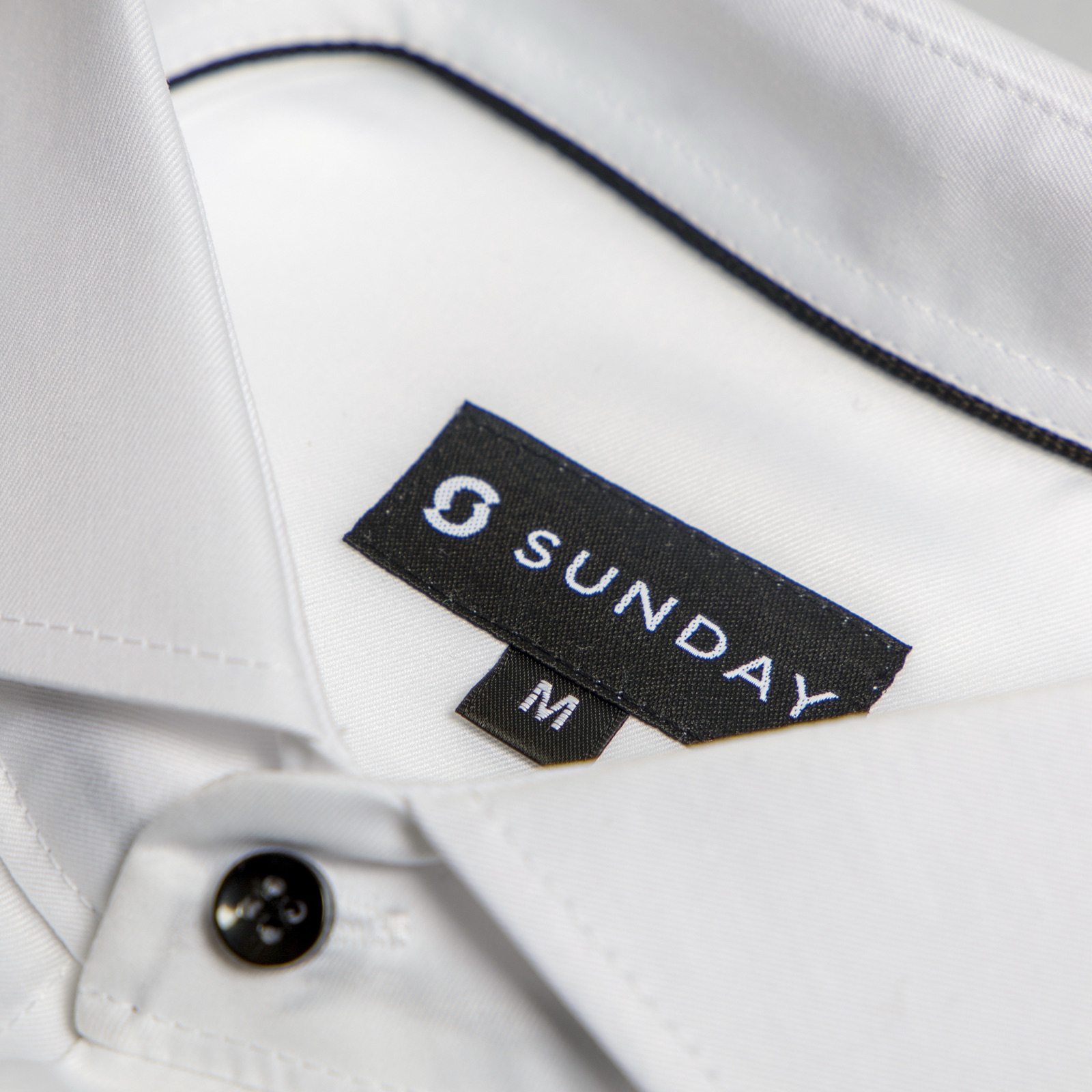
A recognisable, coordinated team in a Sunday-branded business shirt is easier to approach, which is what turns booth traffic into captured leads. Track leads per rep per event to see it.
3. Team confidence
An outfit only works if the team wants to wear it. Confidence is measurable: ask reps whether the kit makes them feel professional and comfortable, on a simple before-and-after scale. Well-fitting branded apparel is linked to noticeably higher happiness at work, and a team that feels good in the kit sells better. If scores are low, the fit or the design is the problem, not the idea.
4. Reorder and adoption rate
The most honest metric of all. If people actually wear the outfit, they will reorder it, request their size, and ask for it for new hires. Track adoption rate, the share of the team using the kit, and reorder volume over time. High adoption means the program is alive. A program nobody reorders is a program nobody wears.
5. Cost-per-wear
This is the number that wins the budget conversation. Divide the cost of a garment by the number of times it is realistically worn. A cheap polo that loses shape and gets retired fast can cost more per wear than a quality one worn for years. Cost-per-wear reframes a premium kit as the economical choice, and it is exactly why going to the bottom of the market usually costs more in the end.
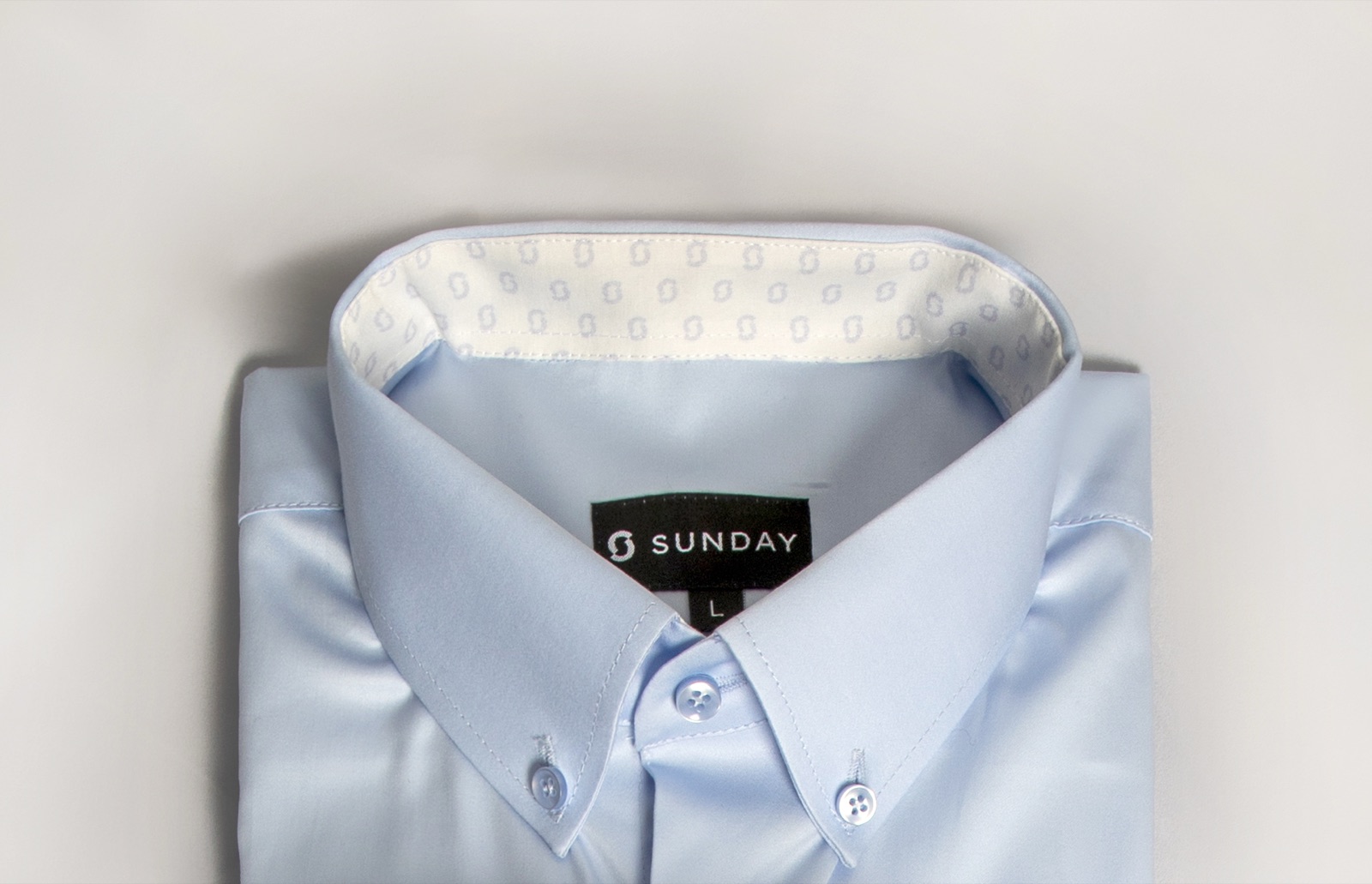
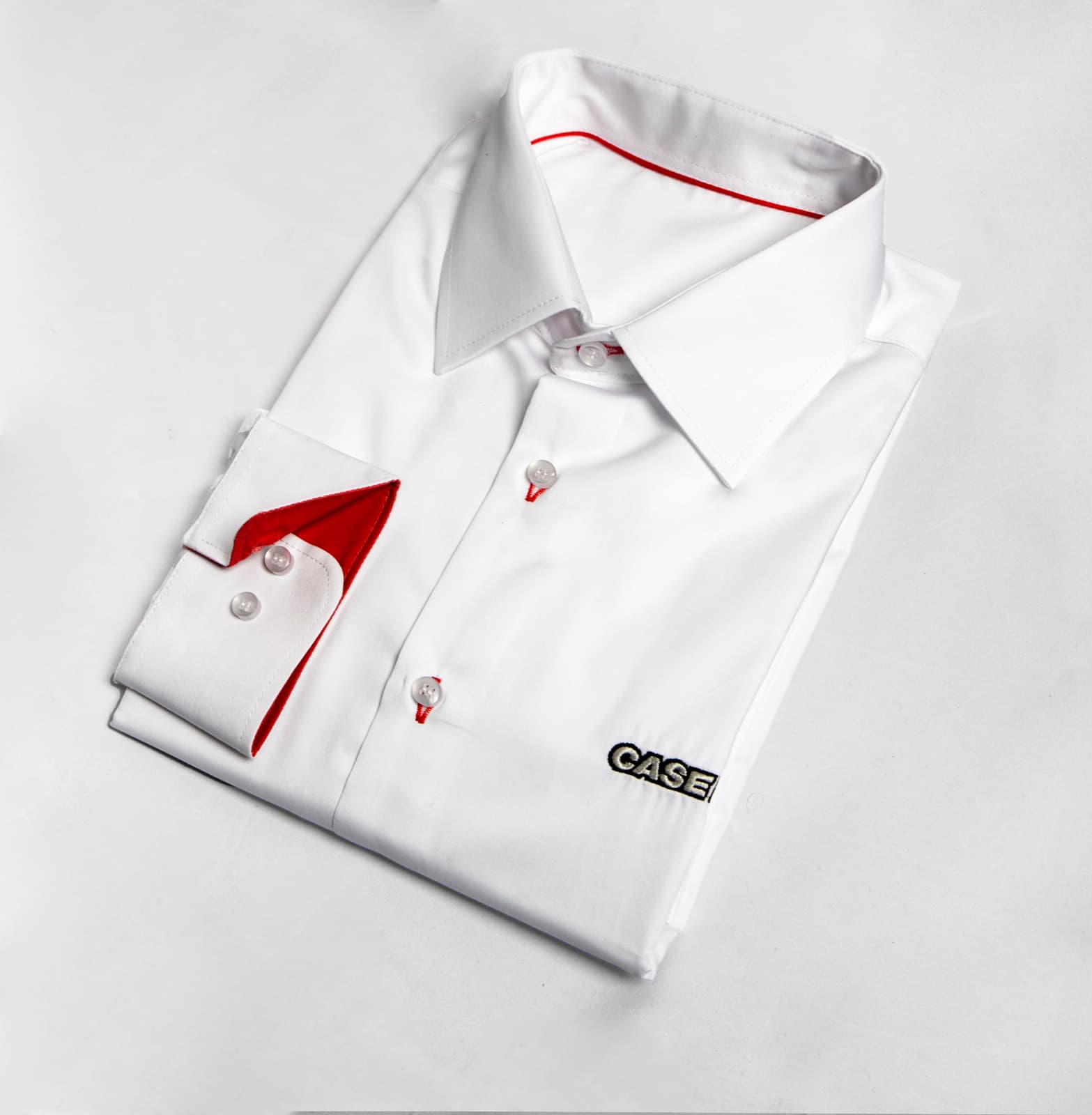
Durability drives cost-per-wear. A close look at a Sunday-branded business shirt shows the quality that holds its shape and spreads the cost across far more wears.
A simple scorecard
You do not need a dashboard. A short scorecard, reviewed after each event and each reorder, keeps the program honest.
| Metric | How to measure it | What good looks like |
|---|---|---|
| Recognition | Post-event survey, team and customers | Team is spotted at a glance |
| Lead capture | Leads per rep per event vs baseline | Consistent lift after a refresh |
| Confidence | Before/after rep scale | Reps feel professional and comfortable |
| Adoption / reorder | Share using the kit; reorder volume | High adoption, steady reorders |
| Cost-per-wear | Garment cost ÷ realistic wears | Lower over the garment's life |
Keep reading: sales team outfits
Run a program you can measure
Create a free account and build a sales-team kit you can size, reorder and track in one place.
Build this campaignMeasuring a sales-outfit program: questions answered
How do you measure if a sales-team outfit is working?
Track five things: recognition at events, lead capture per event, team confidence, reorder and adoption rate, and cost-per-wear. Recognition and lead capture show the outfit is doing its commercial job, confidence and adoption show the team wants to wear it, and cost-per-wear turns the spend into a defensible number. Compare before and after a refresh.
What is cost-per-wear and why does it matter?
Cost-per-wear is the cost of a garment divided by the number of times it is realistically worn. It matters because a cheap polo that loses shape and gets retired fast can cost more per wear than a quality one worn for years. It reframes a premium kit as the economical choice and explains why buying at the bottom of the market usually costs more.
How do I measure recognition at an event?
Ask. A quick post-event survey of the team and a few customers will tell you whether your people were easy to spot and approach. The goal is for the team to be identifiable from across the hall. Branded apparel is consistently found to make staff easier to identify, so a coordinated look should move this metric noticeably.
Is team confidence really measurable?
Yes. Ask reps on a simple before-and-after scale whether the kit makes them feel professional and comfortable. Well-fitting branded apparel is linked to higher happiness at work, and a team that feels good in the outfit performs better. If confidence scores are low, the fit or the design needs work, not the program itself.
What is a good adoption rate for a uniform program?
The honest test is whether people actually wear it. Track the share of the team using the kit and the reorder volume over time. High adoption and steady reorders mean the program is alive and the outfit is liked. A kit nobody reorders is a kit nobody wears, which is the clearest signal that something needs to change.
Do I need analytics software to track this?
No. A short scorecard reviewed after each event and each reorder is enough. The five metrics are simple questions you can answer with a survey, your existing lead counts and basic order data. It helps to run the program in one place, so adoption, reorders and cost-per-wear stay visible rather than scattered across separate orders.