




To measure referral gifts and review rewards, track seven metrics: referral rate, referral conversion, review and testimonial volume, revenue influenced, customer acquisition cost, referral-channel close rate and repeat advocacy. Attribute referrals with unique links or codes, compare the reward cost against revenue influenced and CAC, and watch the close rate. Referral leads usually close stronger because they arrive with trust, which is why the channel earns its reward cost even when that cost is real.
1. Referral rate
The share of customers who make at least one referral in a given period. This is your participation signal. A low referral rate usually means the ask is unclear, poorly timed or hard to act on, not that customers dislike you. Track it by segment, since your happiest customers refer at a far higher rate.
2. Referral conversion
Of the referrals submitted, how many turn into a qualified meeting, an opportunity or a closed customer. This tells you the quality of the referrals, not just the volume. Ten warm, well-matched referrals beat a hundred cold ones. Watch conversion at each step so you know where referrals stall.
3. Review and testimonial volume
Count the reviews, testimonials, case studies and social posts generated over time. Because you cannot promise a reward for a positive review, measure the volume produced after you deliver a strong experience and send thank-yous. Rising volume is a sign the recognition model is working without crossing any compliance line.

Reviews, testimonials and social posts are advocacy outputs. Track their volume over time rather than trying to buy any single one.
4. Revenue influenced
The revenue tied to referred deals. In B2B a single referral can influence a software contract or a major installation worth thousands to millions, so revenue influenced is often the headline number. Attribute it with unique referral links or codes so a deal can be traced back to the advocate who started it.
5. Customer acquisition cost
Divide the total program cost, including reward products and fulfilment, by the customers acquired through referrals. Compare this against your paid and outbound CAC. Referral CAC is usually lower, which is the core financial case for spending real money on rewards.
6. Referral-channel close rate
The win rate on referred opportunities versus every other channel. Referral leads typically close stronger because they arrive with trust already in place. If your referral close rate sits well above your average, that gap is the number that justifies investing in the program even when rewards cost real money.
7. Repeat advocacy
How many advocates refer more than once, or advocate across formats such as a referral plus a review plus a case study. Repeat advocacy is the sign that recognition is compounding. A customer you recognised well becomes a long-term ambassador, and that is the whole point of the program.
The measurement stack at a glance
| Metric | What it tells you | How to attribute |
|---|---|---|
| Referral rate | Participation | Advocates over active customers |
| Referral conversion | Quality of referrals | Funnel stages per referral |
| Review volume | Advocacy output | Count over time, after the fact |
| Revenue influenced | Financial impact | Unique links or codes |
| CAC | Efficiency | Program cost over referred customers |
| Close rate | Channel strength | Referred wins vs other channels |
| Repeat advocacy | Compounding value | Advocates with multiple actions |
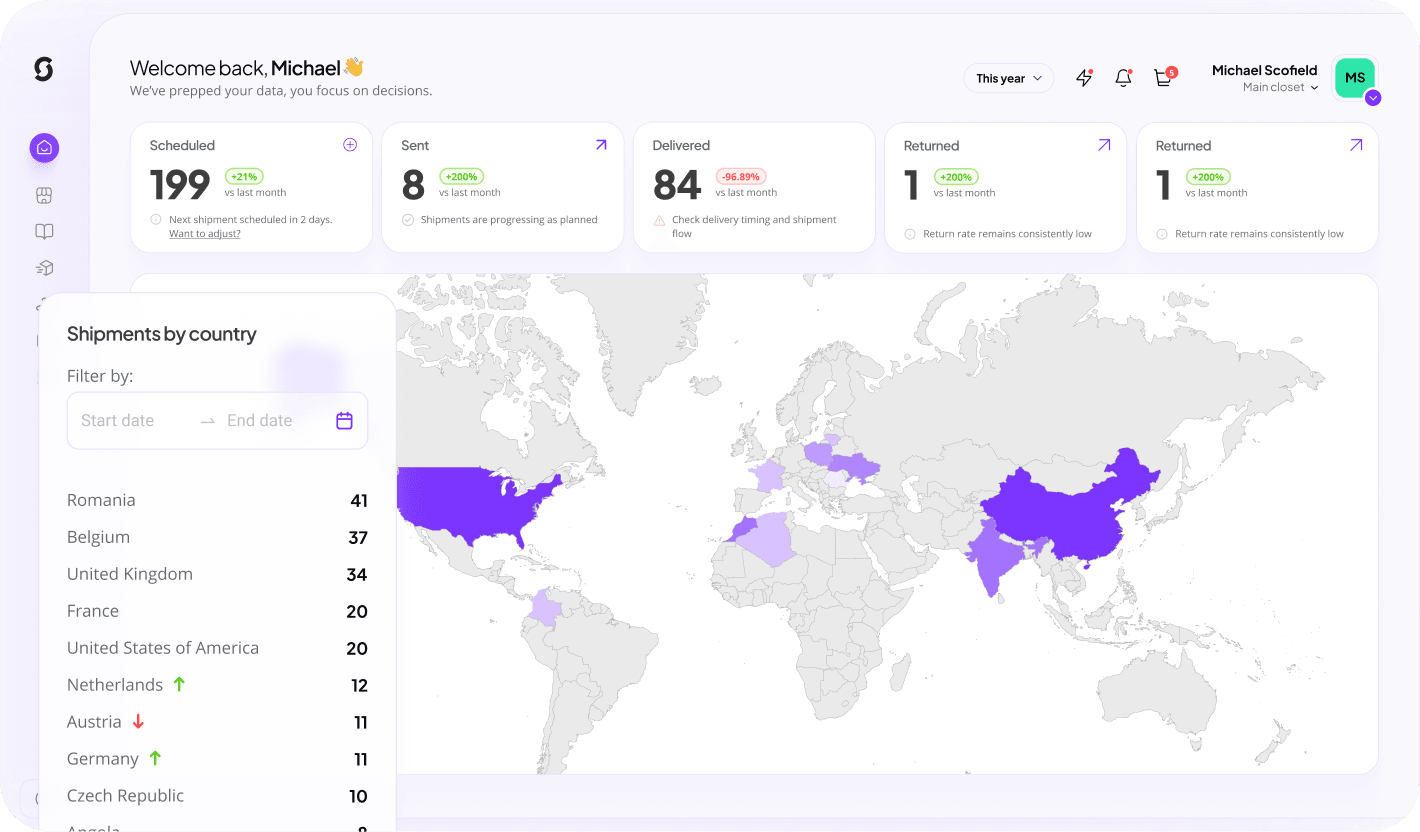
A redeem page and CRM triggers make attribution clean, since each reward is tied to a specific action. Read the how it works overview. Sunday's platform handles the redeem, fulfilment and tracking so the data is captured for you.
Keep reading: referral gifts and review rewards
Track every reward to a result
Sunday ties each reward to a trigger with redeem pages, CRM integration and delivery tracking, so revenue influenced and CAC are measurable. Create a free account to start.
Build this campaign with Sunday