


To run a customer appreciation gifts program, treat it as a campaign in six steps: define the trigger and qualification criteria in your CRM, choose a relevant gift and budget proportional to account value, personalise the gift, message and timing, automate fulfilment through a redeem page and gifting platform, ship globally with customs handled, and measure ROI by tracking a recipient cohort against a control group over six months. The CRM holds the commercial data and triggers; the gifting platform handles selection, addresses, packaging, customs and delivery.
The mindset that makes it work. Customer appreciation gifting is not sending a product. It is recognising the value of a customer relationship in a deliberate, relevant and measurable way. Done well it strengthens relationships, opens new commercial conversations and keeps the brand top of mind. Done badly it is obligatory corporate noise. The difference is running it as a program with a reason, a process and a way to measure it, not an object a salesperson found in a cupboard.
Step 01: Define the trigger in your CRM
The program starts in your CRM (HubSpot, Salesforce or similar), because that is where the commercial data lives. Decide what qualifies a customer for a gift, then encode it as criteria. Strong triggers include the anniversary of the relationship, hitting a revenue or purchasing milestone, growing to a number of licences or users, expanding into new services, or completing a major rollout or project together.
When a customer meets the criteria, they are automatically added to a segment or list. The CRM stays the segmentation and trigger layer. Project-based triggers are especially powerful: they let you recognise the work of the customer's internal stakeholders, not just the contract.
Step 02: Choose the gift and budget
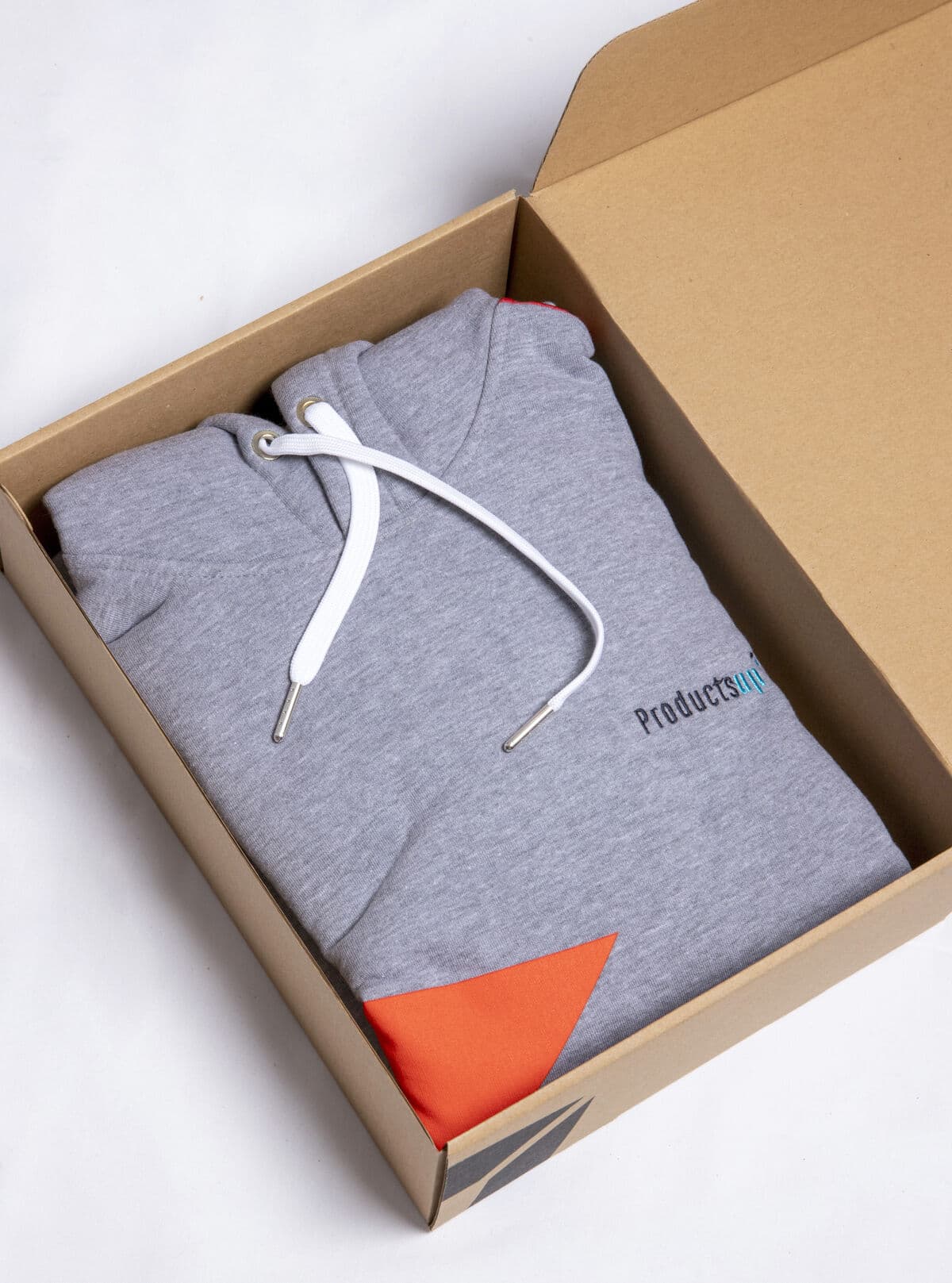
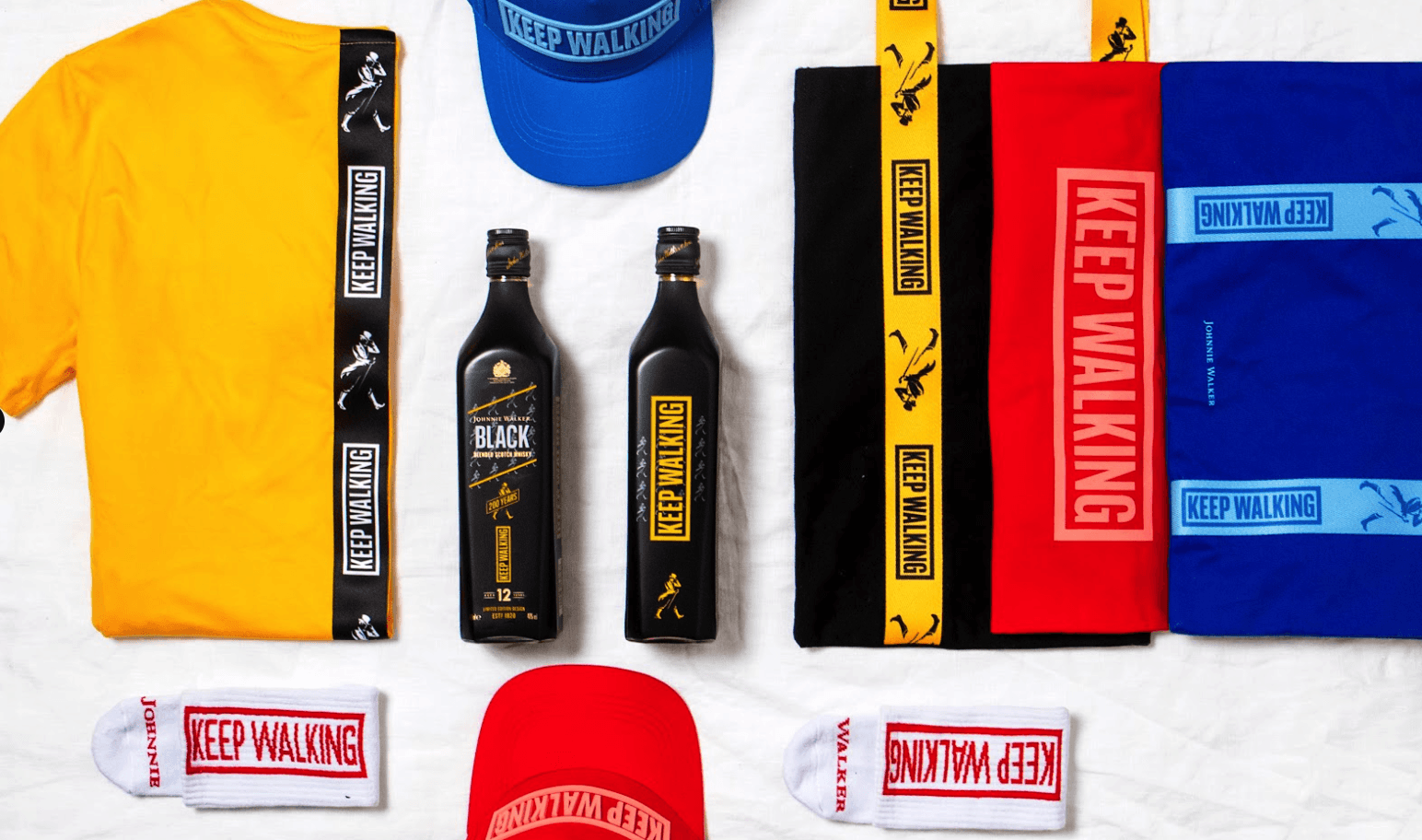
Pick a gift that is genuinely useful, wearable or relevant, so it feels selected for the recipient rather than pulled from leftover event stock. A premium branded tote or a curated kit works across broad lists; a co-branded box suits strategic accounts. Set the budget proportional to the customer's commercial value: around 35 to 50 euros per recipient feels thoughtful, roughly 25 euros works at high volume, and 75 to 100 euros fits high-value accounts. Do not send a lavish gift to a 100-euro-a-month account.
A few rules keep gifts inclusive: avoid alcohol in broad or international campaigns, and avoid size-dependent apparel unless clothing is highly relevant. The paired tote is a natural hero: preview it in your colours with the free tote bag mockup generator or browse custom tote bags.
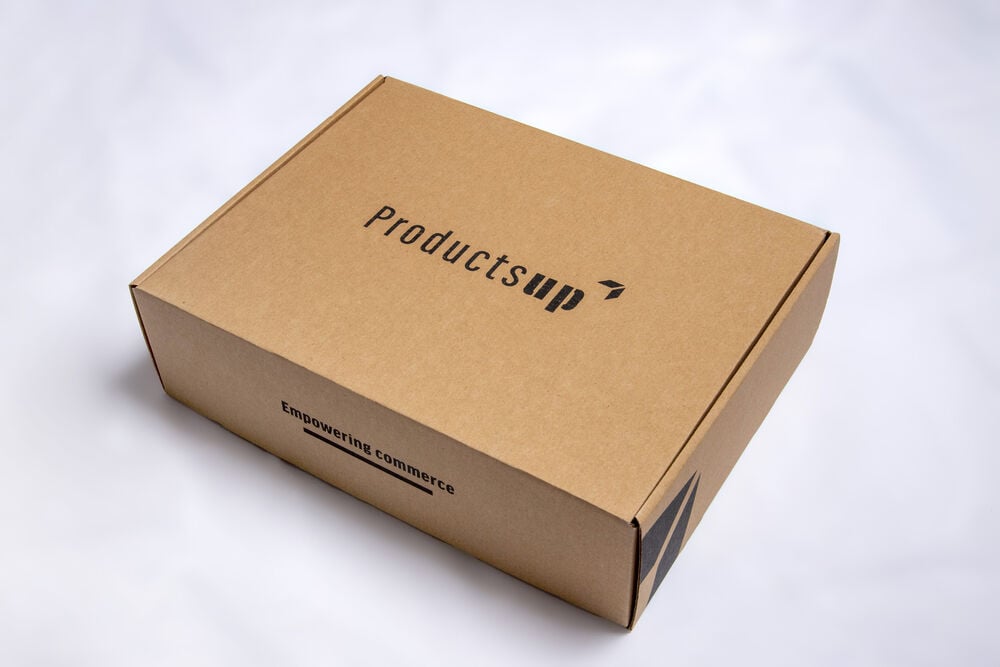
Choose the gift for the segment. Relevance and quality of selection matter more than raw spend.
Step 03: Personalise gift, message and timing
Personalisation does not mean a unique product per person. Personalise three things: the gift (relevant to the segment, relationship or project), the message (a personal note explaining why they are being recognised), and the timing (it arrives at a meaningful moment). A personal follow-up then confirms arrival, captures the reaction and reopens the conversation.
For strategic projects, go further with co-branded gifts that carry both logos, making the gift part of the shared project story. One multi-country rollout with a major consulting partner used a co-branded collection for the stakeholders behind each country launch, recognising the people who did the work. (Named clients pending final verification.)
Step 04: Automate fulfilment
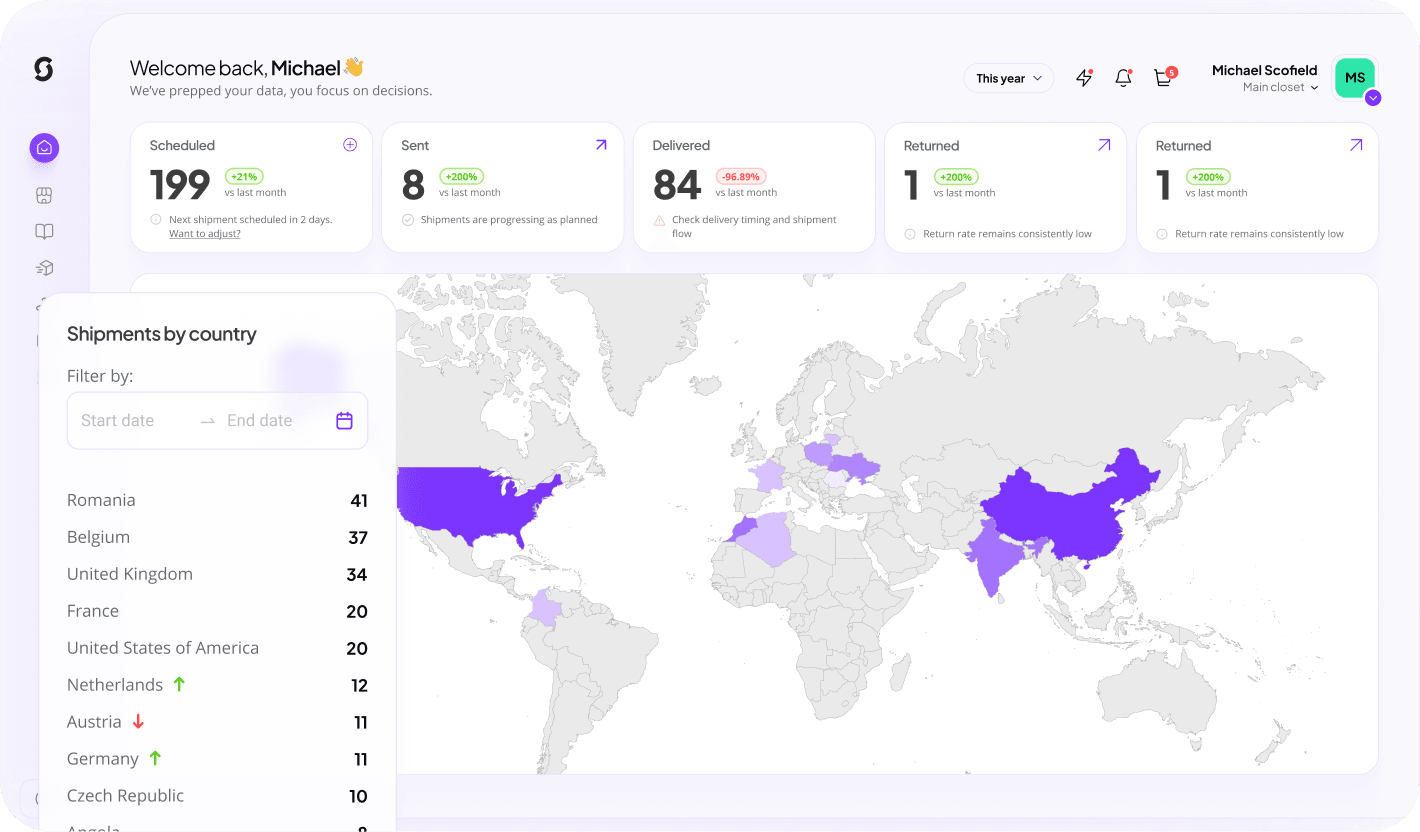
Once the CRM list exists, automation removes the admin without removing the human element. The qualified list can trigger a Sunday redeem page, sync with the platform, auto-initiate the gift, notify the account owner to add a personal message, and launch a follow-up workflow. The reason, message and follow-up still feel personal; the chasing and logistics do not.
| The CRM owns | The gifting platform owns |
|---|---|
| Commercial data and account value | Product selection and customisation |
| Qualification criteria and triggers | Address collection via redeem pages |
| Segmentation and lists | Packaging, customs and fulfilment |
| Account-owner notifications | Global delivery and tracking |
See how the platform connects to your stack.
Step 05: Ship globally without burdening the recipient
International gifting is sensitive, and the recipient should never have to chase a courier, fix an address, pay an import duty or handle customs documents. A gift should feel effortless. That requires four things done right:
- Accurate recipient data. Redeem pages let customers submit their own address and choices, so nothing bounces.
- Packaging adapted to the product. Protect breakables and make sure the outer box arrives intact.
- Shipping optimised for dimensional weight. International air freight is priced on volume, so poor packaging means paying to ship air.
- Customs handled proactively. So recipients never get a surprise duty bill, which is what causes refused and returned packages.
Sunday combines address collection, packaging, customs, international logistics, tracking and fulfilment in one workflow. See how distribution handles sending to hundreds of people across borders.
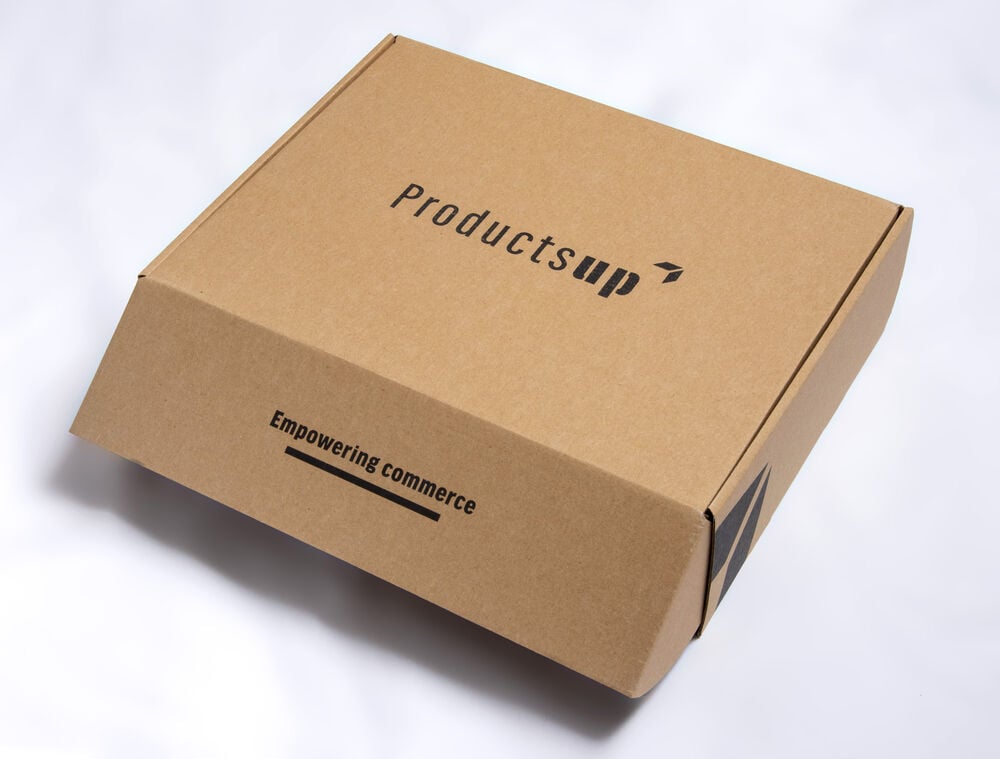
Done right, the recipient just receives a thoughtful gift. The address collection, customs and logistics happen invisibly behind it.
Step 06: Measure the return
Measure against commercial and relationship outcomes so gifting stops being a cost line. The practical method: create a cohort of all recipients and track them for the next six months against a control group of similar non-recipients. Compare additional project revenue, upsell and expansion revenue, referral-influenced new business, internal and external referrals, net revenue retention, account growth and engagement.
Impact is not always immediate. A thoughtful gift keeps you top of mind and opens conversations, so the return shows up in both the short and long term.

Run as a campaign, gifting becomes a measurable lever: a cohort you can track, not a cost line you defend.
How Sunday fits
Sunday is not just where the gift comes from. It is the infrastructure to plan, personalise, automate and fulfil customer-appreciation campaigns at scale: a curated catalogue of high-quality branded products, custom kits and packaging, redeem pages for addresses and choices, CRM-triggered automation, international fulfilment, customs handling, warehousing and global delivery tracking. The product is one part; the value is making the campaign feel thoughtful to the recipient while staying operationally simple for the sender. See how it works.
Running a customer appreciation program: questions answered
How do I start a customer appreciation gifts program?
Start in your CRM. Define what qualifies a customer for a gift, the anniversary of the relationship, a revenue milestone, a completed project, and encode it as criteria so qualifying customers are added to a segment automatically. Then choose a relevant gift and budget, personalise the message, automate fulfilment through a redeem page and gifting platform, ship globally, and measure the return against a control group.
How does CRM automation fit with gifting?
The CRM stays the segmentation and trigger layer because it holds the commercial data. When a customer qualifies, the list triggers a Sunday redeem page, syncs with the platform, auto-initiates the gift, notifies the account owner to add a personal note, and launches a follow-up. The gifting platform handles product selection, address collection, packaging, customs and delivery. Automation removes the admin, not the human element.
How do I measure the ROI of customer gifting?
Create a cohort of all recipients and track them for six months against a control group of similar non-recipients. Compare additional project revenue, upsell, expansion revenue, referral-influenced new business, net revenue retention, account growth and engagement. Impact is not always immediate, so look at both short and long term.
What budget should the program use?
Make budget proportional to the customer's commercial value. Around 35 to 50 euros per recipient generally feels thoughtful; roughly 25 euros works at high volume; 75 to 100 euros fits high-value accounts. Do not send a lavish gift to a low-value account. Quality of selection and execution matters more than raw spend.
How do I ship gifts internationally without problems?
Collect accurate addresses with a redeem page, adapt packaging to the product, optimise shipping for dimensional weight, and handle customs proactively so recipients never get a surprise duty bill. A surprise charge is what causes refused and returned packages. Sunday combines address collection, packaging, customs, international logistics, tracking and fulfilment in one workflow.
How is this different from running a loyalty program?
Loyalty rewards are earned and known in advance, given when a customer hits a defined threshold or tier. Customer appreciation is explicit, sometimes unexpected recognition tied to the relationship or a project. A good program keeps them distinct so appreciation does not blur into a formal loyalty scheme, onboarding or anniversaries. Both can run off the same CRM triggers with different gifts and messaging.
Keep reading: customer appreciation gifts
Run your appreciation program on Sunday
CRM-triggered, personalised, automated and shipped worldwide with customs handled. Live in 30 seconds.
Build this campaign with Sunday