

Customer appreciation gifts are gifts sent to existing customers to recognise the value of the relationship, tied to a specific reason such as a project completed, a milestone reached or simply thanking them for their business. Treated as a campaign rather than an object, they strengthen retention, open expansion conversations and keep your brand top of mind. The best programmes pick the right segment and reason, send a genuinely useful and well-designed gift with a personal note at a meaningful moment, automate the workflow from the CRM, and measure the result against a control group of similar non-recipients.
The core idea: treat appreciation as a campaign, not as an object a salesperson found in a cupboard. A gift with no reason, no story and no follow-up is corporate noise. A gift with a clear reason, a personal message and the right timing is a relationship move. The whole guide is about the second kind.
What customer appreciation gifting really is
Customer appreciation gifting is recognising the value of a customer relationship in a deliberate, relevant and measurable way. That is the whole definition, and every word earns its place. Deliberate, because you choose who and why. Relevant, because the gift fits the recipient and the moment. Measurable, because you track what it does to the relationship and the revenue.
Done well, it strengthens relationships, opens new commercial conversations and keeps your brand top of mind. Done badly, it is obligatory corporate noise: generic, impersonal and disconnected from the person receiving it. The difference is not the budget. It is whether you treat it as a campaign with a clear reason, or as an object someone grabbed from event leftovers.
Three categories, kept distinct
People lump three different things together under gifting and then wonder why none of them lands. Keep them separate and each one works.
- Client gifting is a general gesture: a summer gift, a Christmas gift, an end-of-year gift. It is not tied to a behaviour or a milestone. The purpose is simply to give.
- Customer appreciation is explicit recognition: thank you for being our customer, thank you for completing this project. It is tied to the relationship, the collaboration or a specific contribution.
- Loyalty rewards are earned and known in advance: given when a customer hits a revenue threshold, a subscription tier, a purchase volume or another target.
This guide is about the middle category. Keeping it distinct is what stops appreciation overlapping with onboarding, work anniversaries, partner campaigns or formal loyalty programmes. Each of those is its own play, and appreciation is the thank-you to an existing customer for the relationship itself.
What makes a gift meaningful
Three elements separate a meaningful gift from a forgettable one.
- A clear reason and story. Deliberately choose which segment to appreciate and why. The reason is the gift; the object just carries it.
- A genuinely useful, relevant product. Something useful, wearable or relevant that feels selected for them, not pulled from leftover event stock.
- On-point design and quality. Good enough that the recipient is genuinely pleased to receive it.
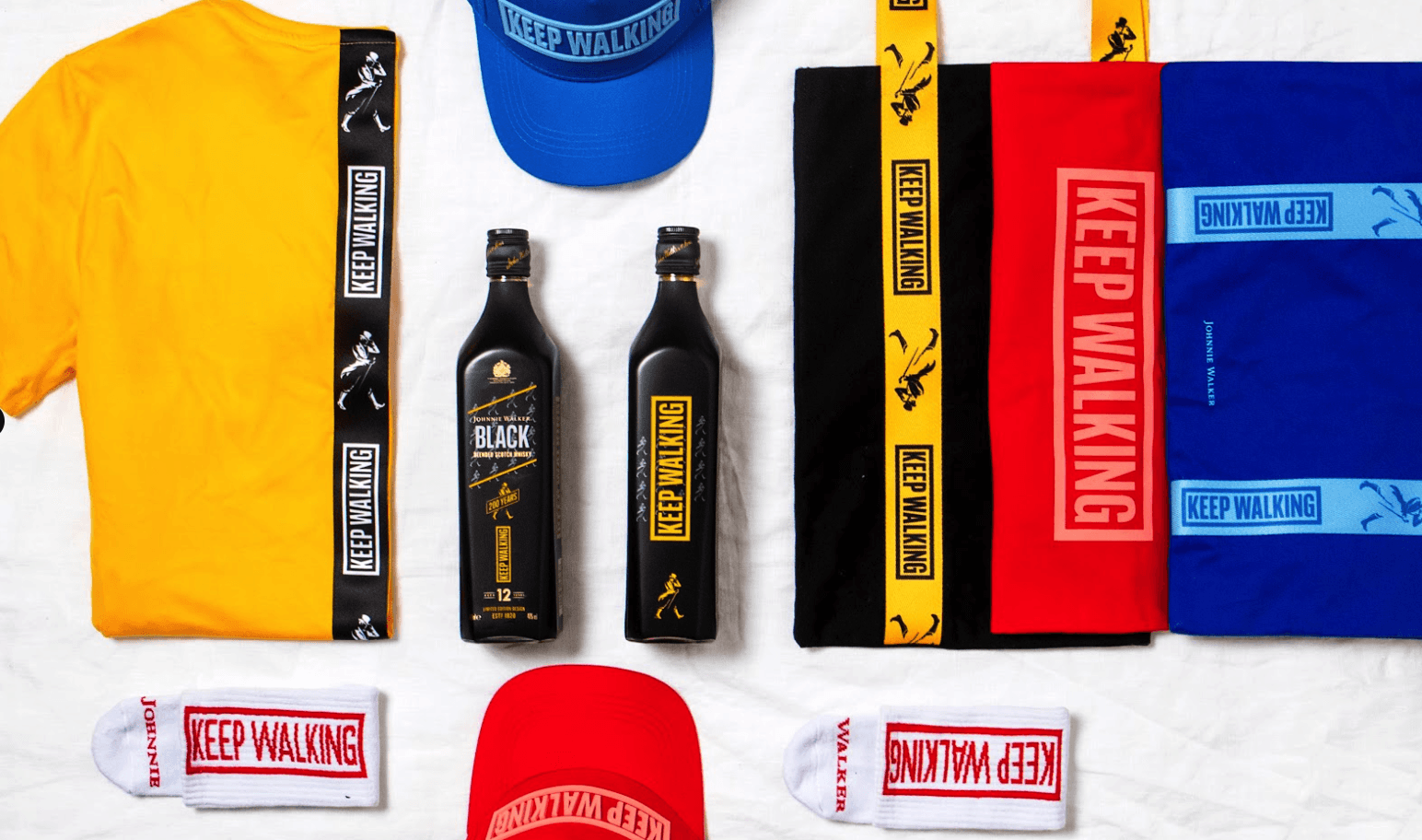
Here is the benchmark to hold yourself to: would your customers actively ask when their gift is arriving, or say they are looking forward to it? If the answer is yes, the gift is meaningful. If you cannot imagine anyone being excited, you are sending noise. A premium branded item people actually want to use, like a well-made tote or a quality blanket, clears that bar far more often than a generic trinket does.
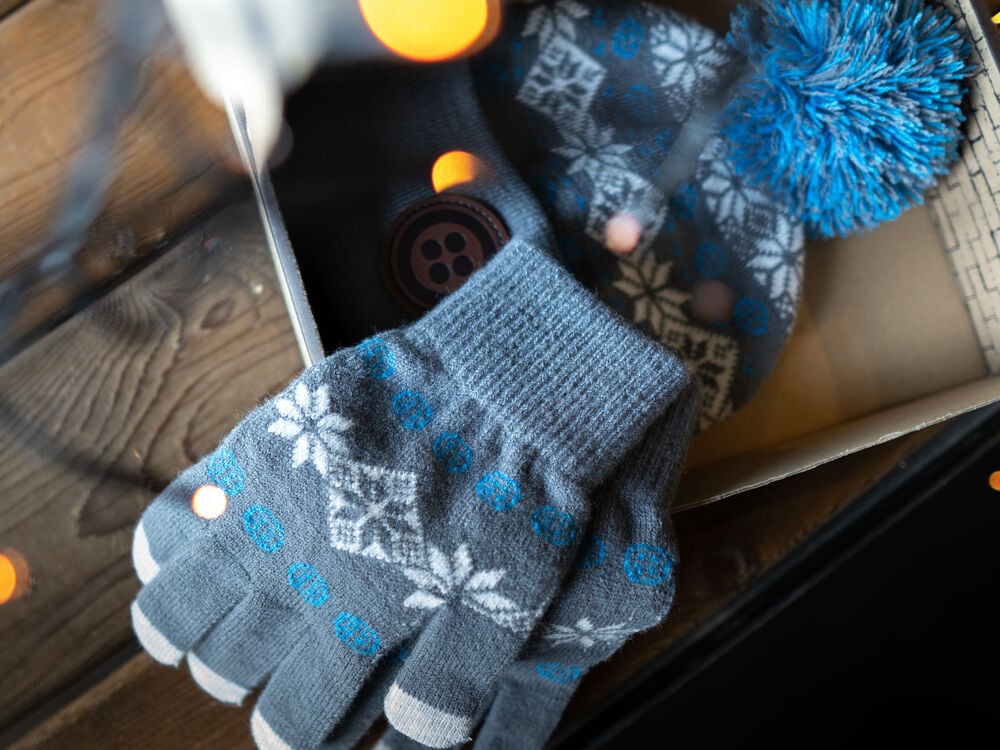
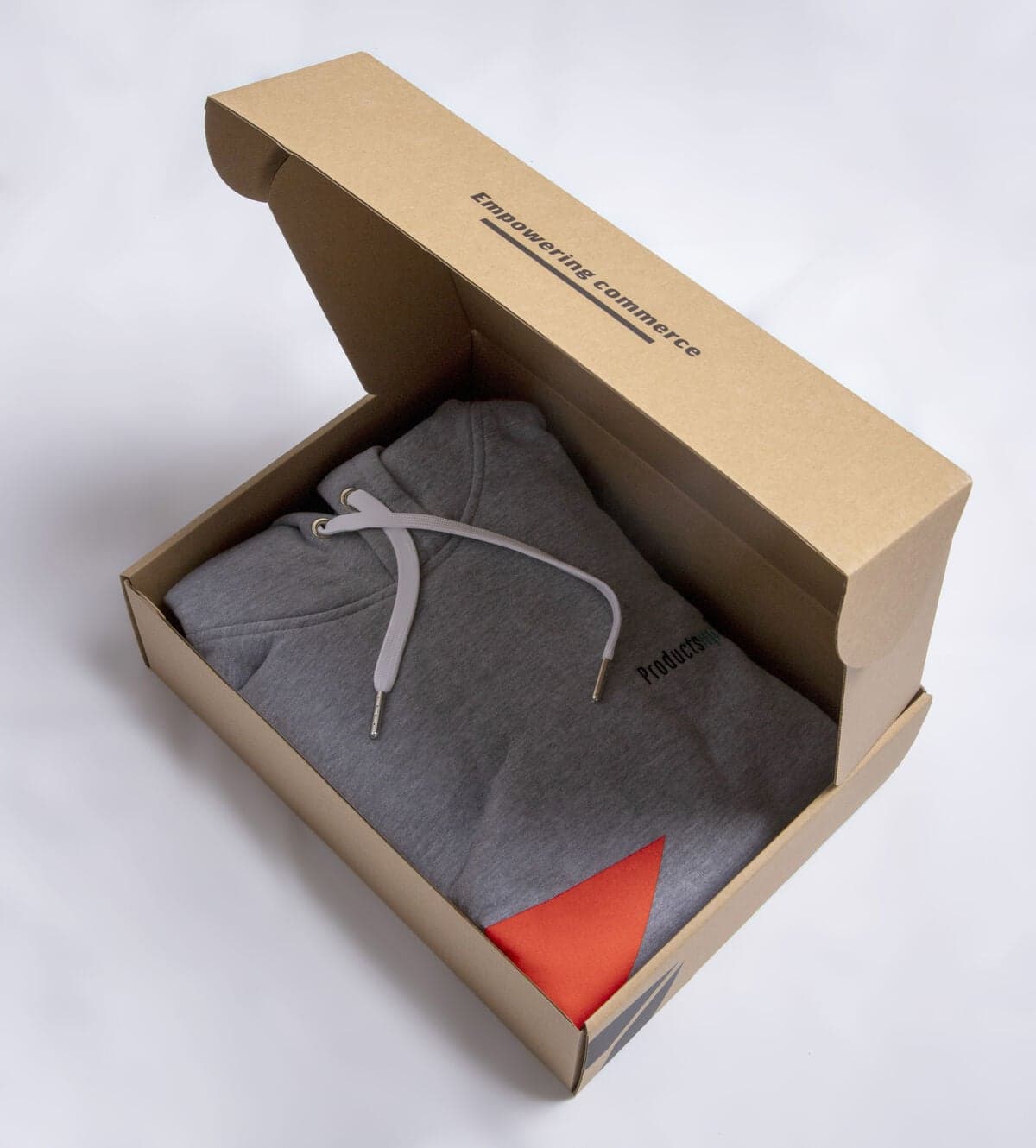
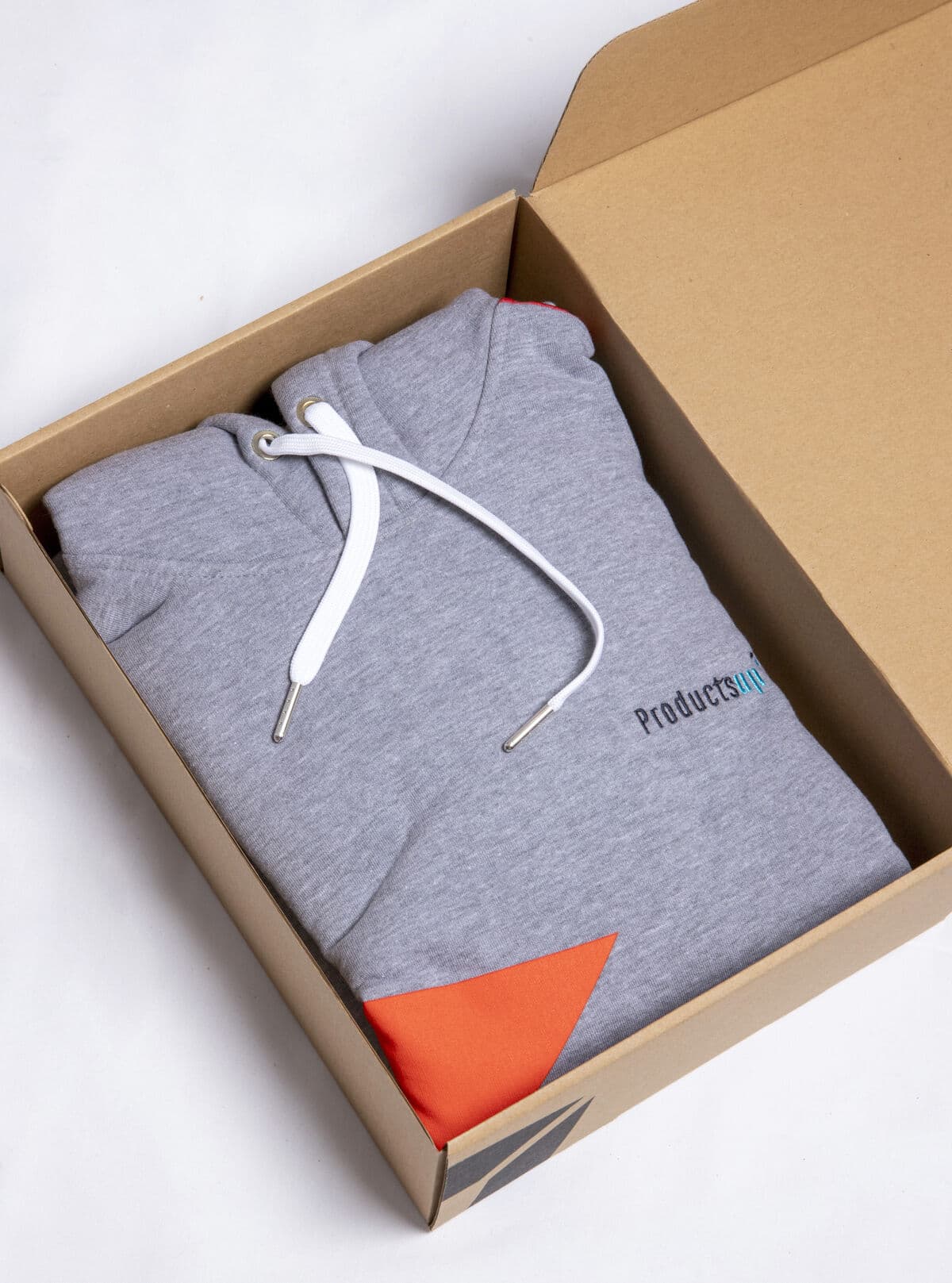
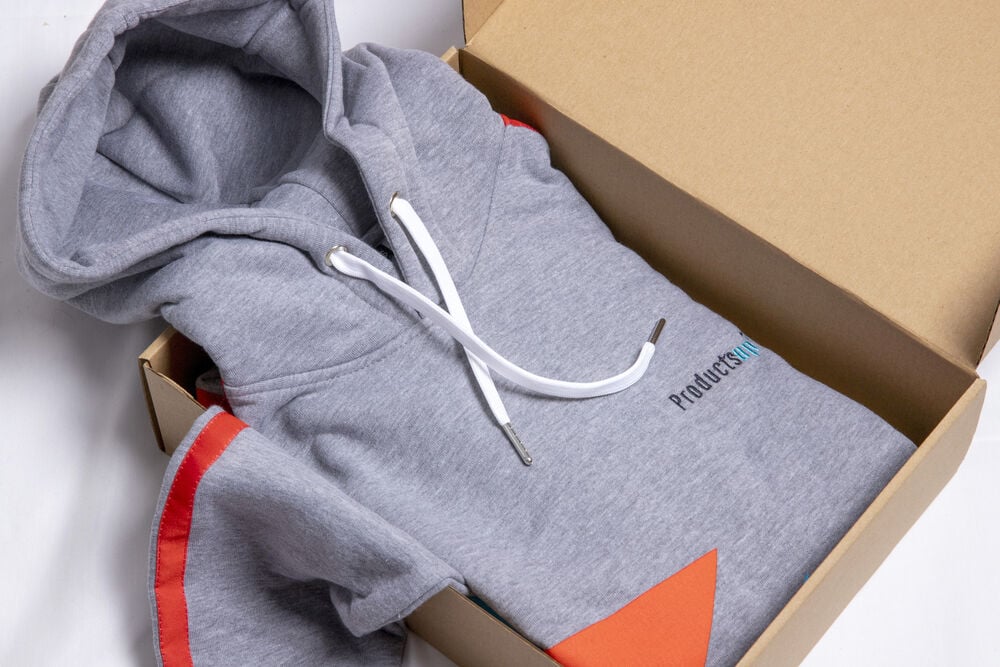
A considered gift box. The reason, the message and the quality of what is inside are what make appreciation land, not the size of the logo.
The proof: a gift that helped close $3M
Gifting performs when it supports a clearly defined commercial strategy, not a broad, unqualified blast. The clearest proof is an account-expansion campaign one customer ran through Sunday. They identified high-value customers who were not yet using part of the enterprise suite, segmented those accounts, and focused on the decision-makers who had previously signed the commercial relationship.
The gift was a custom box with subtle branded products, including a premium blanket. Around €30,000 was invested in the campaign. It contributed to a closed deal worth roughly $3 million. The lesson is not spend more. The lesson is point the gifting at a defined commercial objective and a qualified segment, and it stops being a cost line and starts being a growth lever.
When to send: timing and triggers
The strongest broad moments are Christmas and end-of-year, and summer when the theme fits. But the gifts that land hardest are tied to something personal to the relationship.
- The anniversary of the relationship.
- Hitting a revenue or purchasing milestone.
- Growing to a number of licences or users.
- Expanding into new services or completing a major rollout.
- Finishing an important project, or a number of projects together.
Project-based gifting is especially powerful, because it recognises the work of the customer's own internal stakeholders, not just the contract. The people who pushed the project through are the ones who feel seen, and they are the ones who renew and expand. Customer Appreciation Week is a valid moment to stand out, but appreciation should not be confined to one designated week. Use the moments most relevant to each relationship.
How to thank loyal customers
Thanking loyal customers well comes down to specificity. A generic thank you reads as a mailmerge. A specific one names the thing: the project you shipped together, the milestone they hit, the years you have worked together. The product matters, but the reason and the note matter more.
The practical formula is simple. Pick the segment and the reason. Choose a useful, well-designed product that suits them. Add a personal note that explains why they are being recognised. Time it to land at a meaningful moment. Then follow up personally to confirm it arrived and reopen the conversation. That last step is where most programmes fall down and where the commercial value actually shows up.
Customer loyalty gifts
Customer loyalty gifts sit at the edge of appreciation, and the distinction is worth keeping. A loyalty gift is earned and known in advance: a customer crosses a revenue threshold, reaches a subscription tier or hits a purchase volume, and the reward is triggered. An appreciation gift is a recognition you choose to give, not a reward the customer has banked toward.
In practice the two can run on the same infrastructure. A loyalty reward is just an appreciation gift with the qualifying rule defined up front in your CRM. The product thinking is identical: useful, well-designed, proportional to the value of the account, and delivered without burdening the recipient. The only real difference is whether the customer expected it.
Personalisation at scale
Personalisation does not mean a unique product per person. That does not scale and it is not the point. Personalise three things instead.
- The gift. Relevant to the segment, the relationship or the project.
- The message. A personal note explaining why this customer is being recognised.
- The timing. It arrives at a moment that means something.
Then add a personal follow-up that confirms arrival, captures the reaction and reopens the conversation. For strategic projects you can go further with co-branded gifts. One example: a multi-country software rollout delivered with a major consulting partner got a co-branded collection for the stakeholders behind each country launch, which made the gift part of the shared project story rather than a one-sided thank you.
Budget: how much to spend
Around €35 to €50 per recipient generally feels thoughtful. But the right number is the one proportional to the customer's commercial value. Do not send a lavish gift to a €100-a-month account, and do not send a token to an account worth six figures a year.
| Account profile | Typical budget | Notes |
|---|---|---|
| High-volume, broad appreciation run | ~€25 / person | Thoughtful campaigns can land at this level with the right selection |
| Standard appreciation | €35-50 / person | The general band that reads as considered |
| High-value or strategic accounts | €75-100 / person | Proportional to the value and potential of the relationship |
There is no universal over-the-top threshold. Stay commercially reasonable and proportionate to the value, the potential and the strategic importance of the account. The quality of the selection and the execution matters more than the raw spend. A €40 gift chosen well beats a €90 gift chosen carelessly every time.
Automate from your CRM
Programmes start in the CRM, in HubSpot, Salesforce or whatever holds your commercial data. That is where you define the triggers and the qualification criteria. When a customer qualifies, they are automatically added to a segment or list.
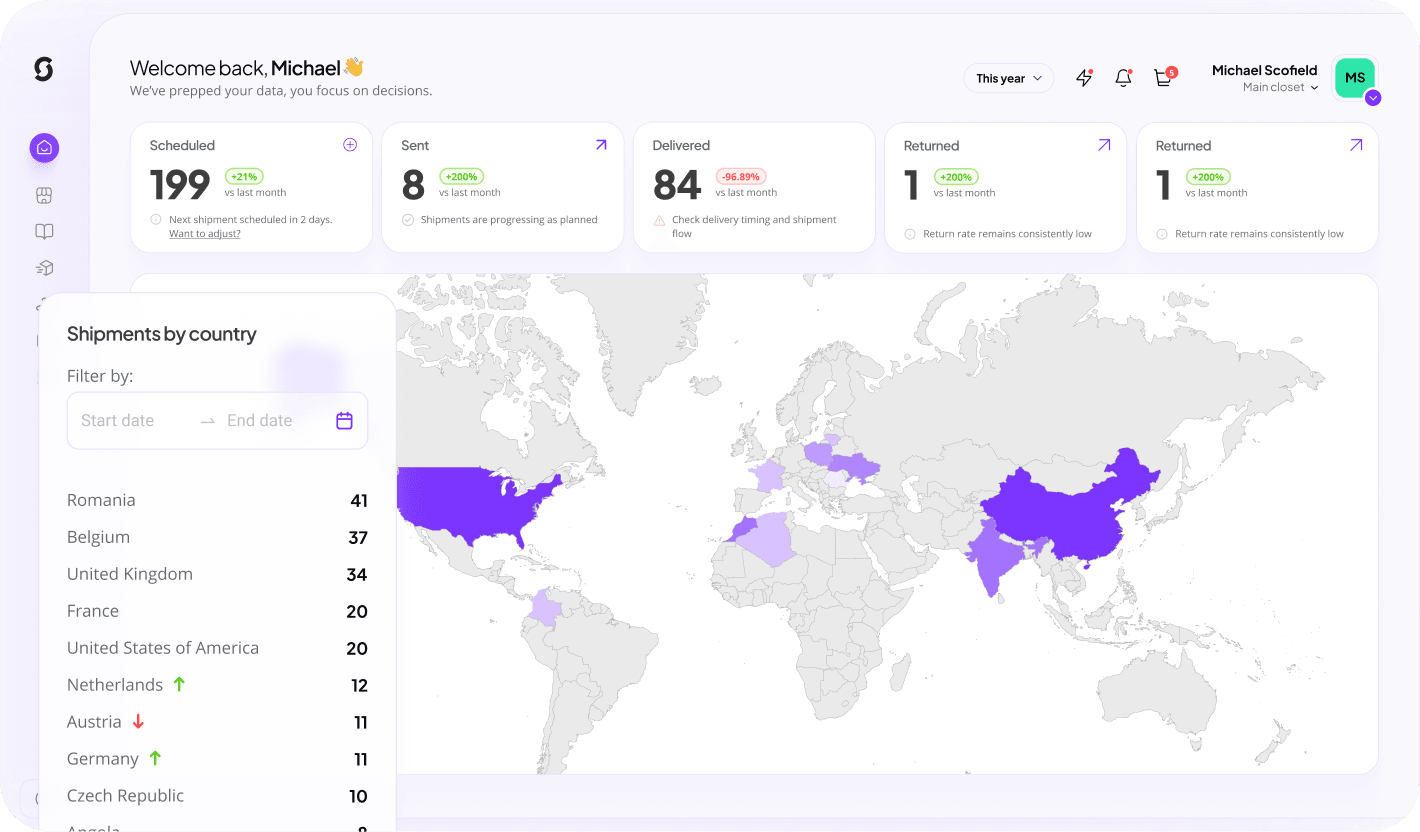
That list does the rest. It can trigger a Sunday redeem page, sync with the platform, auto-initiate a gift, notify the account owner to add a personal message, and launch a follow-up workflow. The division of labour is clean: the CRM stays the segmentation and trigger layer because it holds the commercial data, and Sunday handles the gifting workflow, address collection, product selection, fulfilment and delivery. Automation removes the admin, not the human element. The reason, the message and the follow-up still feel personal. Explore the platform that runs it.
From CRM trigger to doorstep. Automation handles address collection, packaging and fulfilment so the account owner only adds the personal note.
How to send customer gifts globally
International gifting is sensitive, and the rule is simple: the recipient should never be burdened. A gift should feel effortless, with no chasing couriers, fixing addresses, paying import duties or handling customs paperwork. The moment a customer gets a surprise duty bill, the gift has backfired.
Getting it right comes down to four things. Start with accurate recipient data: Sunday redeem pages let customers submit their own address and choices, which removes the biggest source of failed deliveries. Adapt the packaging to the product so breakables are protected and the outer box arrives intact. Optimise for shipping efficiency, because international air freight is priced on dimensional weight, so poorly packed boxes mean paying to ship air. And handle customs proactively so recipients never see a surprise tax bill, which is what causes refused and returned packages. Sunday combines address collection, packaging, customs, international logistics, tracking and fulfilment in one workflow. That is what our distribution service is built for.
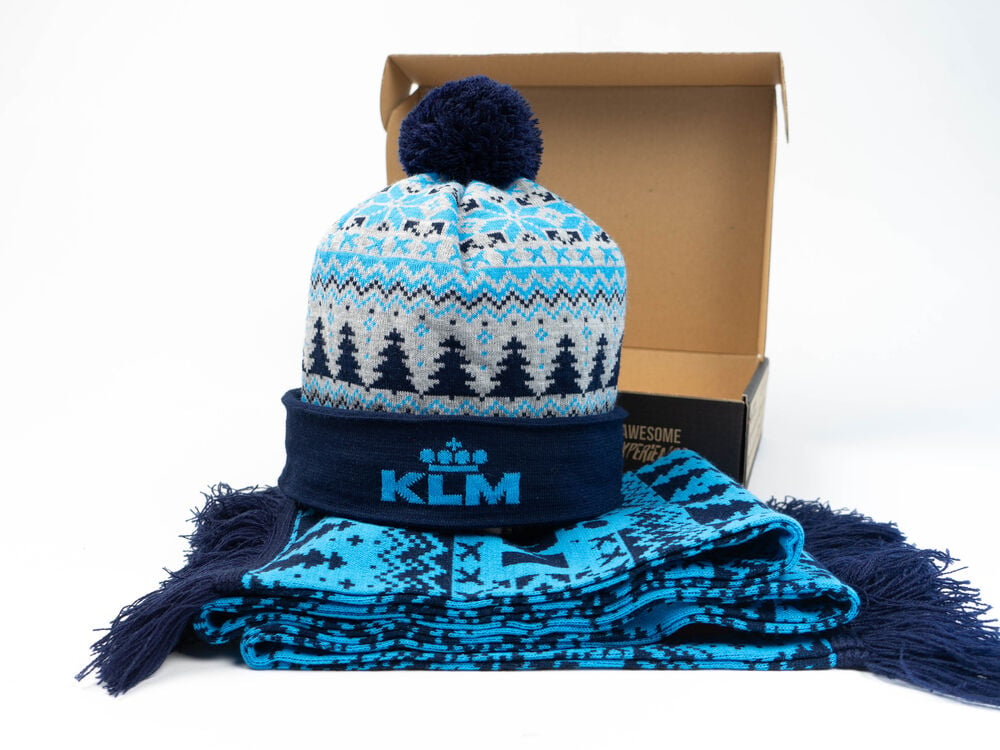
Packaging and customs done right. A gift that arrives intact, duty-free and on time is the whole point of global appreciation.
What to avoid: the cringe list
Two categories cause most of the misfires.
- Alcohol in broad or international campaigns. For cultural, religious and personal reasons it excludes too many people. Mocktails and alcohol-free options are safer for broad audiences. Alcohol is fine only when you personally know the recipient appreciates it. The problem is indiscriminate use.
- Size-dependent products. Asking for clothing sizes can feel sensitive and intrusive. Unless apparel is highly relevant to the relationship, prefer products with no sizing. They are easier to run and more inclusive, which is exactly why sizeless items like totes and blankets are such reliable appreciation gifts.
Above all, keep it stylish, respectful, useful and appropriate to the relationship. A gift that makes someone do work, feel excluded or feel uncomfortable is worse than no gift at all.
How to measure ROI
Measure customer appreciation against commercial and relationship outcomes, not vanity metrics. The practical method is a cohort and a control. Create a cohort of all gift recipients and track the next six months against a control group of similar customers who did not receive a gift. The gap between them is your signal.
- Additional project revenue, upsell and expansion revenue.
- Referral-influenced new business, internal referrals to new teams, external referrals.
- Net revenue retention and account growth.
- Engagement, and for some accounts internal user growth, because gifts create champions and introduce new teams in the same account.
Impact is not always immediate. A thoughtful gift keeps you top of mind and opens conversations, so the return can show up short and long term. The cohort-versus-control method is what turns gifting from a cost line into a measurable growth programme.
Customer appreciation week ideas
Customer Appreciation Week, and Customer Appreciation Day on the first Friday of May, is a useful anchor if you want a shared moment. It gives a campaign a reason and a deadline, which helps internal coordination. Run a themed gift across a segment, pair it with a personal note from each account owner, and use the week as the trigger date in your CRM.
But do not let the calendar become the only time you say thank you. The strongest appreciation is tied to the relationship's own moments: the project you finished, the milestone they hit, the anniversary of working together. Use the designated week to stand out, then keep appreciating across the year at the moments that matter to each customer.
Customer appreciation gifting vs the old approach
| Old gifting approach | The Sunday approach | |
|---|---|---|
| Reason | None, or a generic season | A clear reason tied to the relationship |
| Product | Leftover event stock | Useful, well-designed, chosen for the segment |
| Personalisation | Same gift, no note | Gift, message and timing personalised |
| Delivery | Manual addresses, surprise customs bills | Redeem pages, customs handled, global tracking |
| Follow-up | None | Personal follow-up reopens the conversation |
| Measurement | A cost line nobody tracks | Cohort vs control over six months |
How Sunday fits
Sunday is not here to sell you a gift. The connection comes naturally from what executing the campaign well actually requires: a curated catalogue, high-quality branded products, custom kits and packaging, redeem pages for addresses and choices, CRM-triggered automation, international fulfilment, customs handling, warehousing and inventory, and global delivery tracking.
The positioning is the point. It is not Sunday can supply the gift. It is Sunday provides the infrastructure to plan, personalise, automate and fulfil customer-appreciation campaigns at scale. The product is one part. The value is making the campaign feel thoughtful to the recipient while staying operationally simple for the sender. A branded tote is one of the most reliable products for this, sizeless, useful and well-liked: see the full range of custom tote bags for why it works so well in an appreciation kit. Preview one in your colours with the free tote bag mockup generator, explore the full catalog, or see how it works.
Build your appreciation campaign with Sunday
Plan it, personalise it, automate it from your CRM, ship it worldwide with customs handled. Create a free account and design the gift in your brand in 30 seconds.
Build this campaign with SundayCustomer appreciation gifts: questions answered
What are customer appreciation gifts?
They are gifts sent to existing customers to recognise the value of the relationship, tied to a specific reason such as completing a project, hitting a milestone or simply thanking them for their business. They differ from general client gifting, which has no trigger, and from loyalty rewards, which are earned and known in advance. Treated as a campaign with a clear reason, a personal note and the right timing, they strengthen retention and open expansion conversations.
How much should I spend on a customer appreciation gift?
Around €35 to €50 per recipient generally feels thoughtful, but the budget should be proportional to the customer's commercial value. High-volume runs can work at roughly €25 a person with the right selection, and high-value or strategic accounts can justify €75 to €100. There is no universal over-the-top threshold. The quality of the selection and execution matters more than the raw spend.
When should I send customer appreciation gifts?
The strongest broad moments are Christmas, end-of-year and summer. The gifts that land hardest are tied to the relationship: the anniversary of working together, a revenue or licence milestone, expanding into new services, or finishing an important project. Project-based gifting is especially powerful because it recognises the customer's own internal stakeholders. Customer Appreciation Week is a useful anchor, but do not confine appreciation to one week.
How do I personalise gifts at scale?
Personalise three things rather than the product itself: the gift relevant to the segment or project, the message as a personal note explaining why they are recognised, and the timing so it arrives at a meaningful moment. Add a personal follow-up to confirm arrival and reopen the conversation. For strategic projects, co-branded gifts with a partner make the gift part of a shared story. Automation removes the admin, not the human element.
How do I measure the ROI of customer gifting?
Create a cohort of all gift recipients and track the next six months against a control group of similar non-recipients. Measure additional project revenue, upsell and expansion, referral-influenced new business, net revenue retention and account growth. For some accounts, internal user growth matters because gifts create champions. Impact is not always immediate, so track both short and long term.
How do I send customer gifts internationally without customs problems?
The recipient should never be burdened. Start with accurate addresses, ideally collected through a redeem page where the customer submits their own details. Adapt packaging to the product, optimise for dimensional weight so you are not paying to ship air, and handle customs proactively so no one gets a surprise duty bill. Sunday combines address collection, packaging, customs, logistics, tracking and fulfilment in one workflow.
What customer gifts should I avoid?
Avoid alcohol in broad or international campaigns for cultural, religious and personal reasons; mocktails and alcohol-free options are safer, and alcohol is fine only when you know the recipient appreciates it. Avoid size-dependent products like apparel unless it is highly relevant, because asking for sizes feels intrusive. Sizeless, useful items such as tote bags and blankets are more inclusive and easier to run at scale.
What are good B2B customer appreciation gifts that do not feel generic?
Useful, well-designed, sizeless products that the recipient would happily keep: a premium branded tote, a quality blanket, a considered gift box with a few good items rather than many cheap ones. The product matters less than the reason and the note. The benchmark is whether a customer would actively look forward to receiving it. If you cannot imagine that, choose something better.