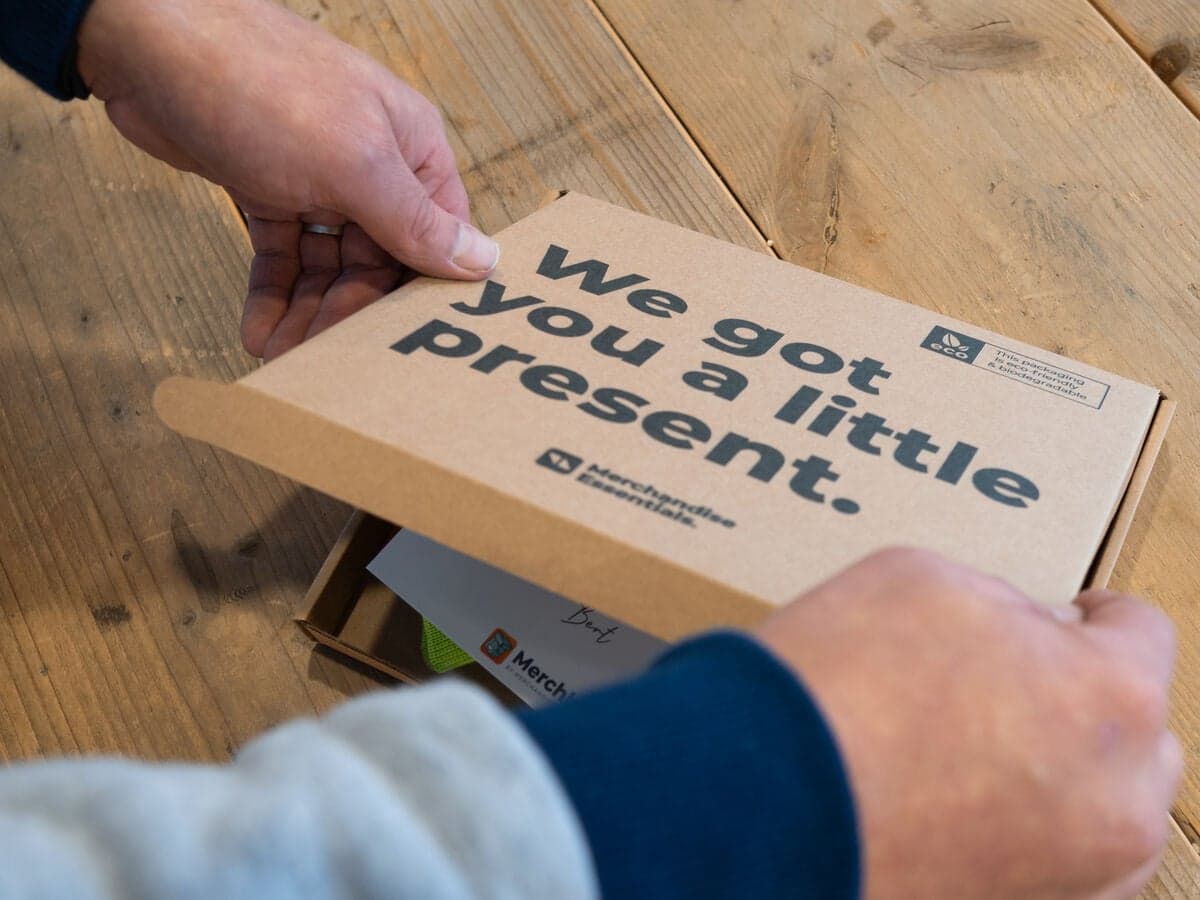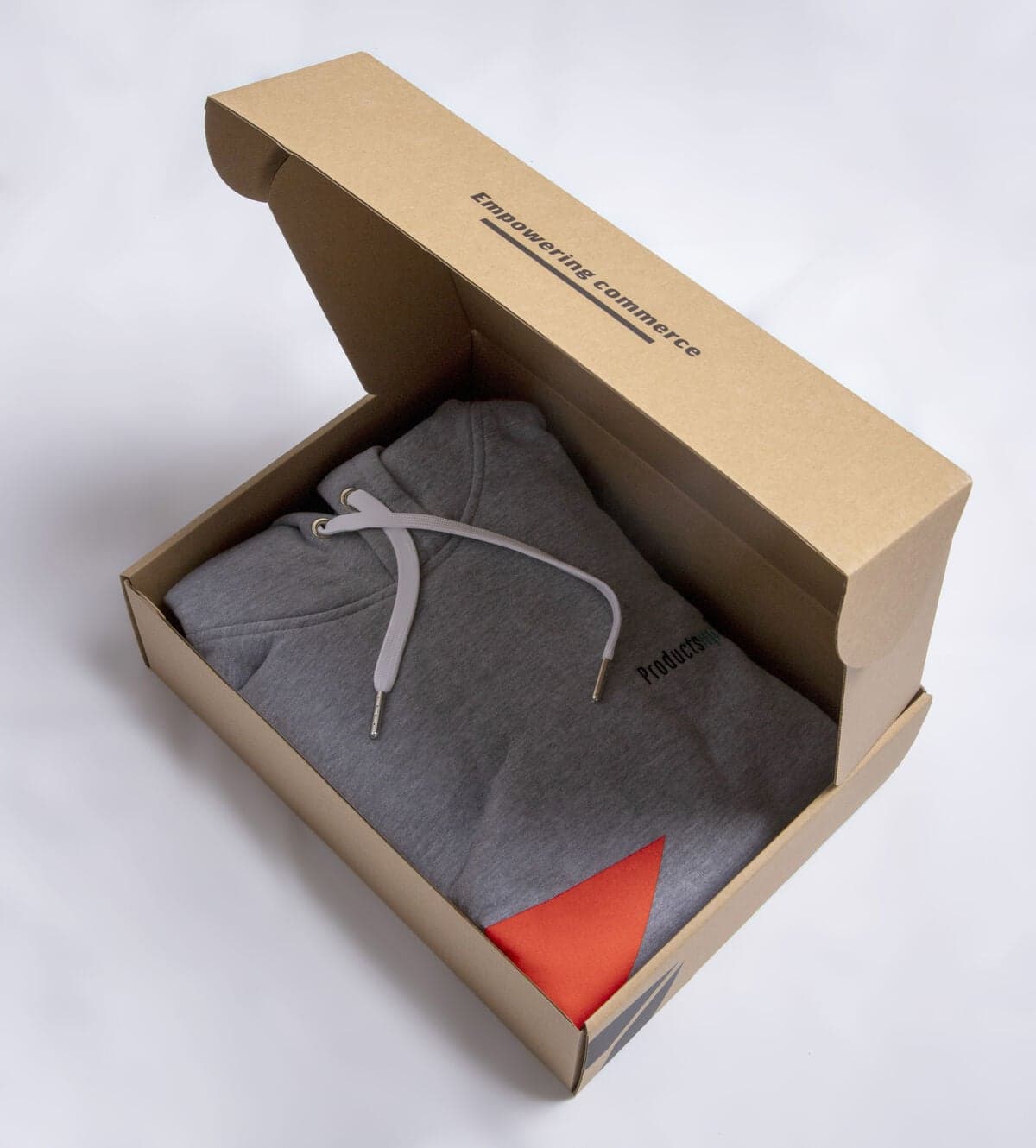
To run a referral gifts and review rewards program, choose the model first: thank-you recognition (best for reviews and organic advocacy) or a structured incentive announced up front (best for referrals). Define clear triggers, set proportionate tiers, reward as close to the action as possible, and stay compliant by never paying for positive public reviews. Keep it manual and personal at low volume, and automate with CRM triggers, redeem pages and fulfilment once you reach hundreds a month.
Step 0: earn the advocacy first
Every advocacy program starts with product and service quality. Merch cannot compensate for a poor experience. The order is fixed: create a strong experience, earn genuine advocacy, recognise it, then make it easy to advocate again. Rewarding an unhappy customer too early backfires, so this step comes before any reward design.
Step 1: pick the model
There are two models, and they suit different actions. Choose deliberately.
| Thank-you recognition | Structured incentive | |
|---|---|---|
| How it works | The customer acts independently, then you send an unexpected gift | A clear program announced up front (1 referral = tee, 2 = hoodie, etc.) |
| Best for | Reviews and organic advocacy | Referrals, a measurable commercial action |
| Why | Avoids making the action feel purchased | Clear progression sustains advocacy |
Many programs run both: structured incentives for referrals, and quiet thank-you recognition for reviews and organic advocacy. Treat referral gifts and review thank-yous as parts of one advocacy program, alongside testimonials, case studies, social posts and community contributions.
Step 2: define the triggers
A trigger is the moment that fires a reward. Vague triggers create inconsistent execution, which destroys trust, so make them explicit.
- Referral gifts. The trigger can be the referral submitted, a qualified meeting, a converted opportunity or a completed purchase. Decide which, and whether different tiers fire at different points.
- Review rewards. The trigger is a voluntary, independent review or testimonial, and the reward is a thank-you sent afterwards, never promised in advance.
- Broader advocacy. Testimonials, case studies, social posts, event participation, interviews and community contributions can each have their own trigger.
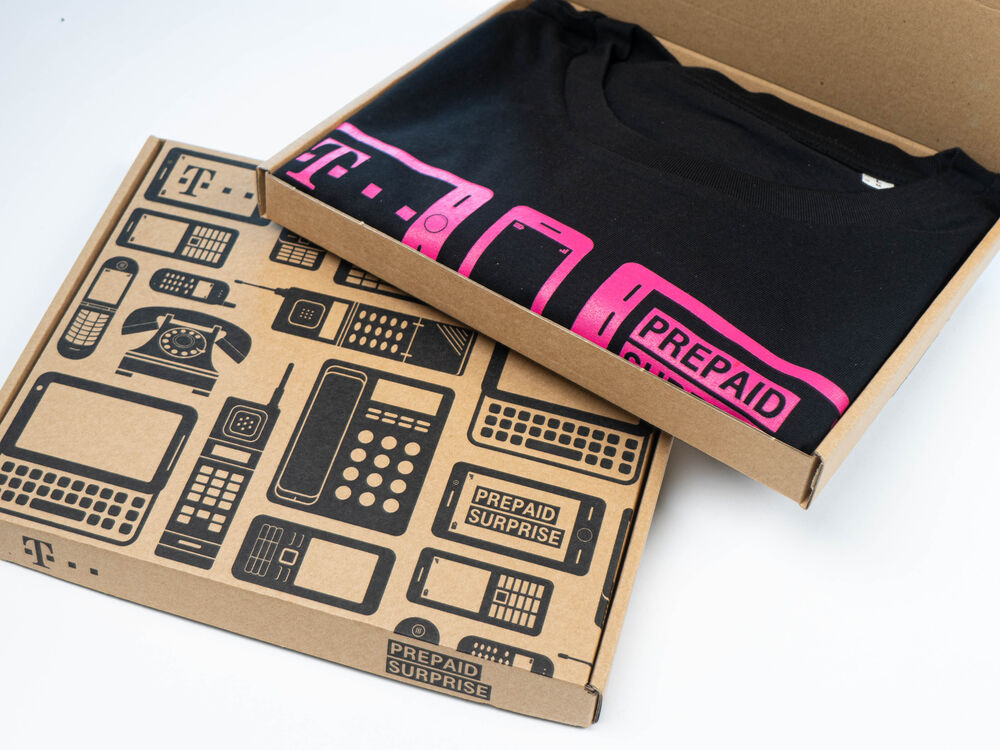
A trigger should map to a packaged, ready-to-send reward. The tighter the link between the action and the gift arriving, the stronger the recognition.
Step 3: set the tiers
Tiering works well for referrals, scaled by number, quality, qualified meetings, conversions, revenue or customer value. A clear ladder sustains advocacy because advocates can see the next rung.
- Small recognition first. A gift card, credit or a single well-chosen branded item for a first referral.
- Stronger merch after repeats. Credit plus a branded gift, then a step up in apparel, for example 1 referral = tee, 2 = hoodie.
- An ambassador pack at a milestone. A curated pack of coordinated apparel and premium items at, say, 3 referrals.
- An experience for top advocates. A premium experience or office visit at a milestone such as 5 referrals or a converted enterprise referral.
Match the reward to purchase value, margin, CAC, conversion likelihood and relationship value. A standard consumer referral gets a small reward, a converted enterprise referral justifies a substantial gesture. For reviews, be more cautious: do not offer better rewards for public positive reviews, thank customers after an independent review instead. Ambassador merch, like a piece of custom sportswear, works especially well at the higher tiers because advocates wear it, and you can preview a design in the free sportswear mockup generator.
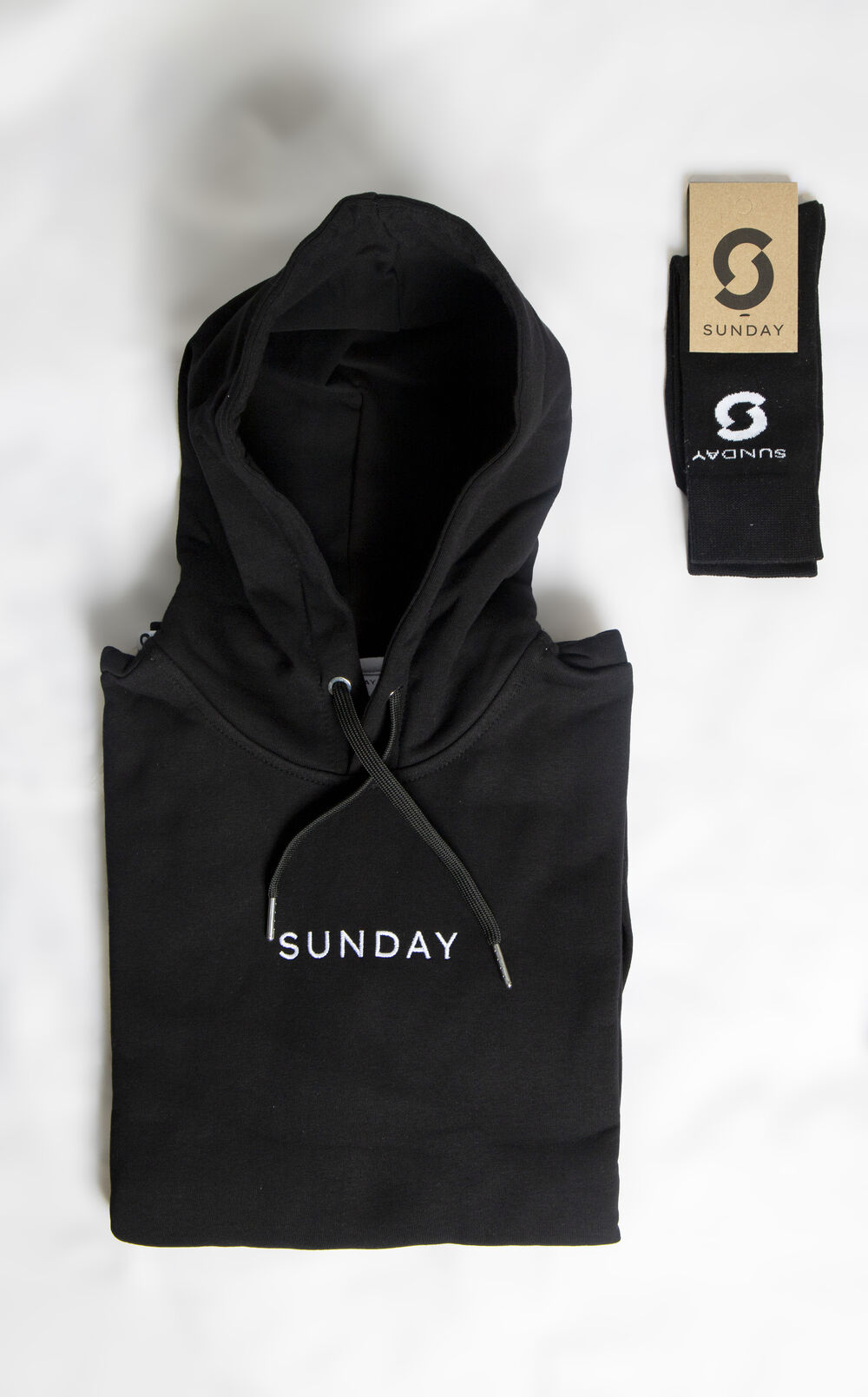
Merch at the higher tiers turns advocates into ambassadors. Something they wear signals membership every time, which is exactly what money cannot buy.
Step 4: reward on time
Reward as close to the action as possible. The tighter the link, the stronger the association. Delays weaken the emotional impact.
- Review submitted. Send the thank-you the next day.
- Referral made. Call or thank the same day.
- Referral converted. Trigger the larger reward immediately.
- Testimonial published. Package the gift as soon as it goes live.
Step 5: stay compliant
This is the step that protects the whole program. Google Reviews, Trustpilot and similar platforms restrict paid or incentivised reviews. Never say "leave a positive review and get a gift."
Step 6: automate by volume
Automation depends on volume, and the goal is to remove logistics, not recognition.
| Volume | How to run it |
|---|---|
| Low-volume B2B | Keep it manual and personal. A salesperson or CSM calls the advocate, writes a personal message, selects a gift and launches the shipment. |
| High-volume (hundreds a month) | Automate via CRM (HubSpot, Salesforce): trigger the thank-you email, a redeem page, reward selection, address collection, fulfilment and tracking. The advocate can choose from packages. |
Sunday provides the infrastructure for both: curated reward packages, exclusive ambassador merch, tiered collections, redeem pages, address collection, CRM triggers, platform integrations, automated fulfilment, global distribution and tracking. Small programs keep the manual personal touch while Sunday handles delivery, large programs automate the whole flow from trigger to shipment. See how it works or explore the platform.
The end state: an advocate wearing the brand, ready to refer again. Automation should make this repeatable without making it feel automated.
Step 7: measure what matters
Track the metrics that show whether the program is building advocacy and pipeline, not just shipping gifts.
- Referral rate, and the number and quality of referrals.
- Referral conversion and referral-channel close rate.
- Review and testimonial volume, and advocate participation.
- Revenue influenced and CAC.
- Repeat advocacy over time.
Referral leads often close stronger because they arrive with trust, which is why the channel is worth a real reward cost.
How do I run a referral gifts program?
Pick the model first: a structured incentive announced up front for referrals, or quiet thank-you recognition for reviews and organic advocacy. Define explicit triggers (referral submitted, qualified meeting, converted opportunity), set proportionate tiers, and reward as close to the action as possible. Keep reviews compliant by never paying for positive public reviews. Run it manually and personally at low volume, and automate with CRM triggers, redeem pages and fulfilment as volume grows.
What are the two referral program models?
Thank-you recognition means the customer acts independently and then receives an unexpected gift, which is best for reviews and organic advocacy because it avoids making the action feel purchased. A structured incentive is a clear program announced up front, such as 1 referral equals a tee and 2 equals a hoodie, which works for referrals because they are a measurable commercial action and clear progression sustains advocacy. Many programs run both.
What triggers should a referral reward use?
For referrals, the trigger can be the referral submitted, a qualified meeting, a converted opportunity or a completed purchase, and different tiers can fire at different points. For reviews, the trigger is a voluntary, independent review, with the reward sent afterwards and never promised in advance. Explicit triggers matter because vague ones cause inconsistent execution, which destroys trust.
How do I keep a review rewards program compliant?
Never say "leave a positive review and get a gift," because Google Reviews, Trustpilot and similar platforms restrict incentivised reviews. Deliver a strong experience, let the customer review independently, then thank them afterwards. On your own channels you have more flexibility to request testimonials, product photos, interviews and UGC, still with transparent rules. Reward the act of an independent review after the fact, never the sentiment of a public one.
When should I automate a referral program?
Automate based on volume. Low-volume B2B stays manual and personal: a salesperson or CSM calls the advocate, writes a personal message, selects a gift and ships it. At hundreds a month, automate via CRM with triggered thank-you emails, a redeem page, reward selection, address collection, fulfilment and tracking. Automation should remove logistics, not recognition, so the advocate still feels acknowledged.
What should I measure in a referral program?
Track referral rate, the number and quality of referrals, referral conversion, review and testimonial volume, advocate participation, revenue influenced, CAC, referral-channel close rate and repeat advocacy. Referral leads often close stronger because they arrive with trust, which is why the channel justifies a real reward cost. Measuring repeat advocacy shows whether recognition is turning customers into long-term ambassadors.
Keep reading: referral gifts and review rewards
Run the whole flow on Sunday
From CRM trigger to redeem page to global shipment, Sunday handles the logistics so you keep the recognition. Build a referral and review rewards program that scales.
Build this campaign with Sunday