

Most client gift advice is about the moment of giving. Something impressive arrives, the recipient is pleased, and the relationship is warmer for a week.
The measured data points somewhere else entirely. In the study below, the effect on brand perception had almost nothing to do with how impressive the gift was, and almost everything to do with whether the recipient used it where other people could see.
The finding most companies leave on the table
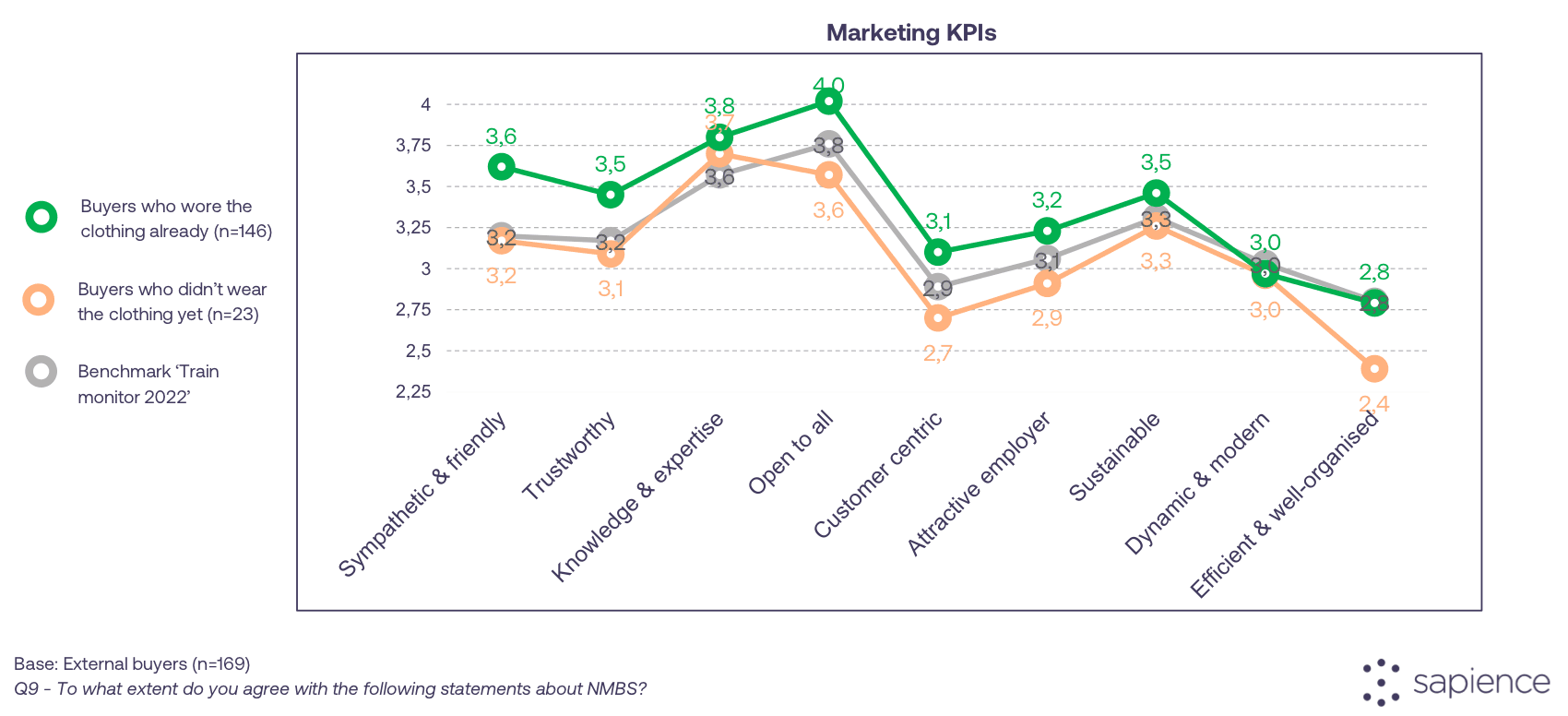
In a 2023 study run by Sapience with the Vrije Universiteit Brussel, 258 people were surveyed after receiving branded clothing from NMBS/SNCB.
Two thirds of them were external recipients rather than employees. And the entire brand and reputation effect came from that group.
| Measure (external recipients, n=169) | Benchmark | Recipients |
|---|---|---|
| Net Promoter Score | -27 | +1 |
| Overall brand image (1 to 5) | 3.20 | 3.34 |
| Sympathetic & friendly | 3.2 | 3.6 |
| Trustworthy | 3.2 | 3.4 |
A 28 point NPS swing, crossing from a net-detractor to a net-promoter population, without the underlying service changing at all.
Most companies restrict branded items to staff. On this evidence, that means forfeiting the whole external effect.
Idea 1: Give something they will use in public
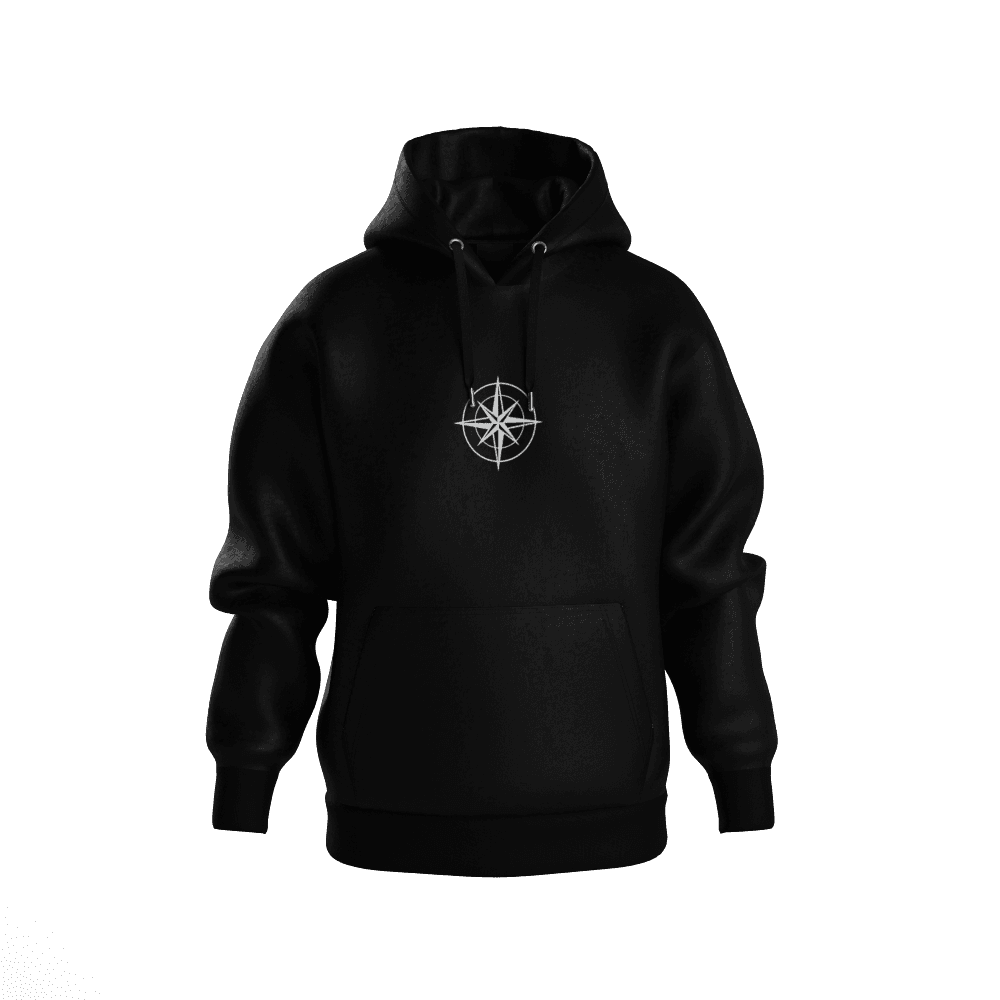
The effect concentrated among recipients who actually used the item, not those who simply received it. That single condition does more work than budget, packaging or presentation.
Usage varies enormously by category:
| Item | Used 2+ times | Never used |
|---|---|---|
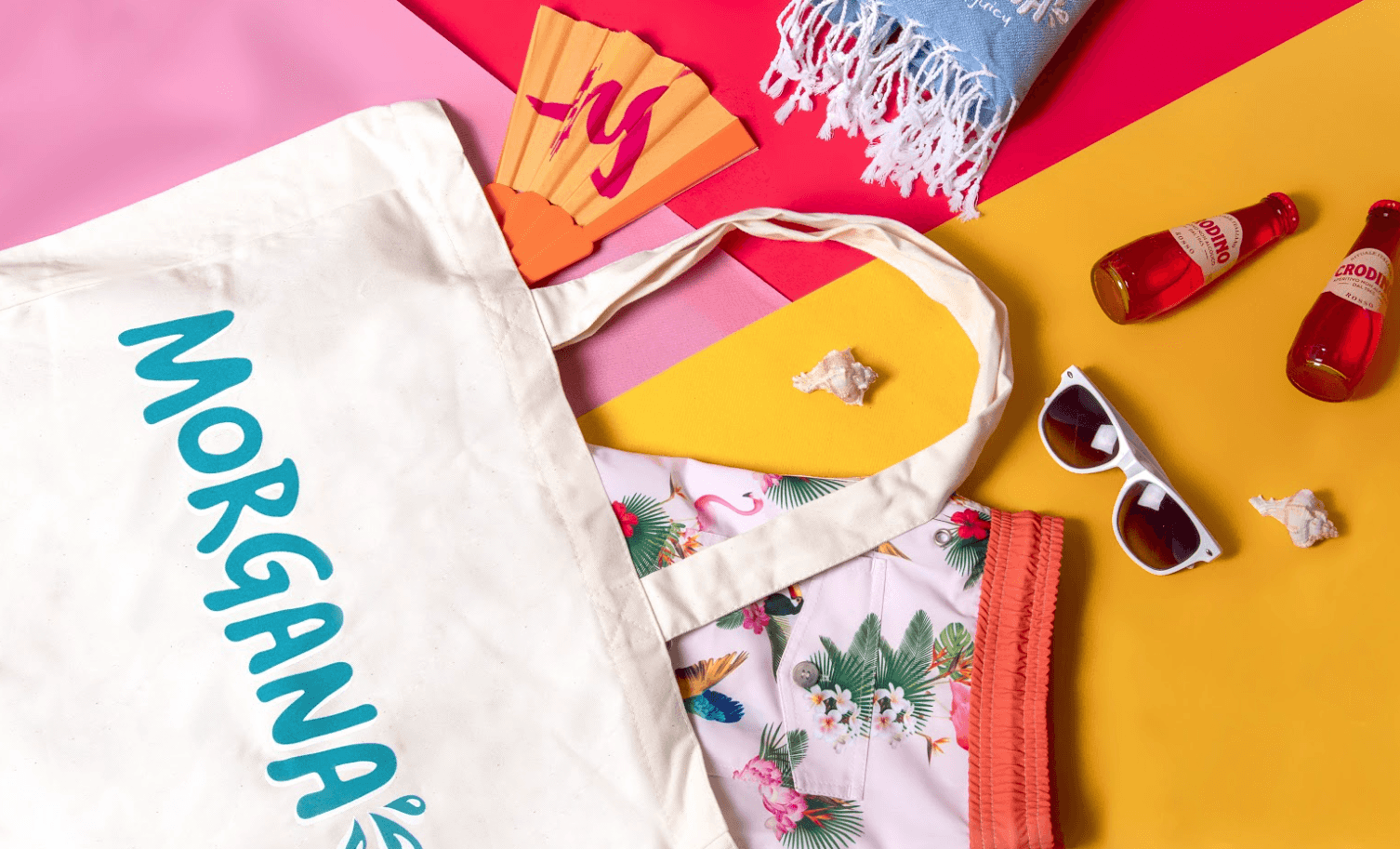
| Bag | 69% | 15% |
| Sweater | 67% | 10% |
| T-shirt | 59% | 13% |
| Plain socks | 50% | 31% |
Nearly a third of plain socks were never used at all. A gift with a 31% never-used rate is not a cheap gift, it is a gift that fails a third of the time.
Idea 2: Let the branding be visible
Discreet branding is the default instinct for client gifts, on the theory that an obvious logo looks self-serving.
The data does not support the instinct. Visible branding produced measurably stronger effects, and it is not hard to see why: an unbranded item is just a nice object, with no association attached to it. If the branding is invisible, you have bought someone a present rather than done any marketing.
The resolution is not less branding. It is branding on something good enough that the recipient does not mind carrying it.
Idea 3: Stop assuming expense is the signal
Here is the detail that reframes client gifting entirely.
The external recipients in this study paid for their items. NMBS sold the collection rather than giving it away, and the full effect still showed up.
That is hard to reconcile with the idea that a client gift works because it demonstrates how much you spent. It suggests the mechanism is use and visibility, not perceived value transferred.
Practically: an item people would choose beats an item people are impressed by.
Idea 4: Aim at warmth, not competence
Across nine brand attributes, the ones that moved were all warmth attributes. Sympathetic and friendly rose 12.5%. Trustworthy, expertise and openness also rose significantly.
Meanwhile efficient and well-organised did not improve at all, and sat marginally lower.
So be precise about what you are buying. If clients find you capable but cold, this addresses the actual gap. If clients doubt your delivery, a gift will not fix it and may read as deflection.
Idea 5: Match the item to the relationship stage
| Stage | What works |
|---|---|
| Prospect | Small, useful, no obligation implied |
| Onboarding | Something that marks the start. See the onboarding gifts guide |
| Renewal or milestone | Higher quality, still chosen for use rather than display |
| Seasonal | Occasion carries it. Holiday gifting |
Idea 6: Let them pick
Choice solves the sizing problem, the taste problem and the waste problem simultaneously. It also raises usage, which is the only variable that matters. A client gift programme run through a store where recipients select their own item outperforms a single item chosen centrally by someone who has never met them.
What to avoid
- Anything sized wrong. Apparel without choice has a built-in failure rate.
- Perishables to an unknown office. They arrive when nobody is in.
- Desk objects. Never seen by anyone outside the room, so no external effect at all.
- Anything with a compliance problem. Some sectors and countries cap or ban client gifts outright. Check before you ship.
How to know whether it worked
Add a single question to your existing customer survey or NPS follow-up asking whether the respondent received and used the item, then split your existing results by that answer.
That split is precisely how the study separated a real effect from a flattering average. The method is in our survey questions guide, and the full methodology and limitations, including that this is correlational rather than causal, are in the study itself.
Frequently asked questions
What are good client gift ideas?
Items the recipient will actually use in public. In benchmarked data, bags and sweaters were used repeatedly by around two thirds of recipients while plain socks were never used by 31%. An unused gift produces no effect regardless of cost.
Do client gifts actually improve the relationship?
In a benchmarked study, external recipients showed a 28 point NPS swing from -27 to +1 and a 4.4% rise in brand image. The effect concentrated among those who used the item rather than merely received it.
Should client gifts be branded?
Visible branding produced measurably stronger effects. Discreet branding forfeits the mechanism, since the item is then just a nice object with no association attached.
How expensive should a client gift be?
Less relevant than whether it gets used. In the study, recipients had paid for their own items and the effect still held, which suggests perceived expense is not what drives it.
Should we give merchandise to clients as well as staff?
Most companies do not, and in this study that would have meant forfeiting the entire brand image and NPS effect, since both came from the external group rather than employees.
Further reading
The full research study · Counting conversations instead of impressions · 25 corporate gift ideas · Customer gifts for fintech · Items ranked by measured usage · Client gifts explained