
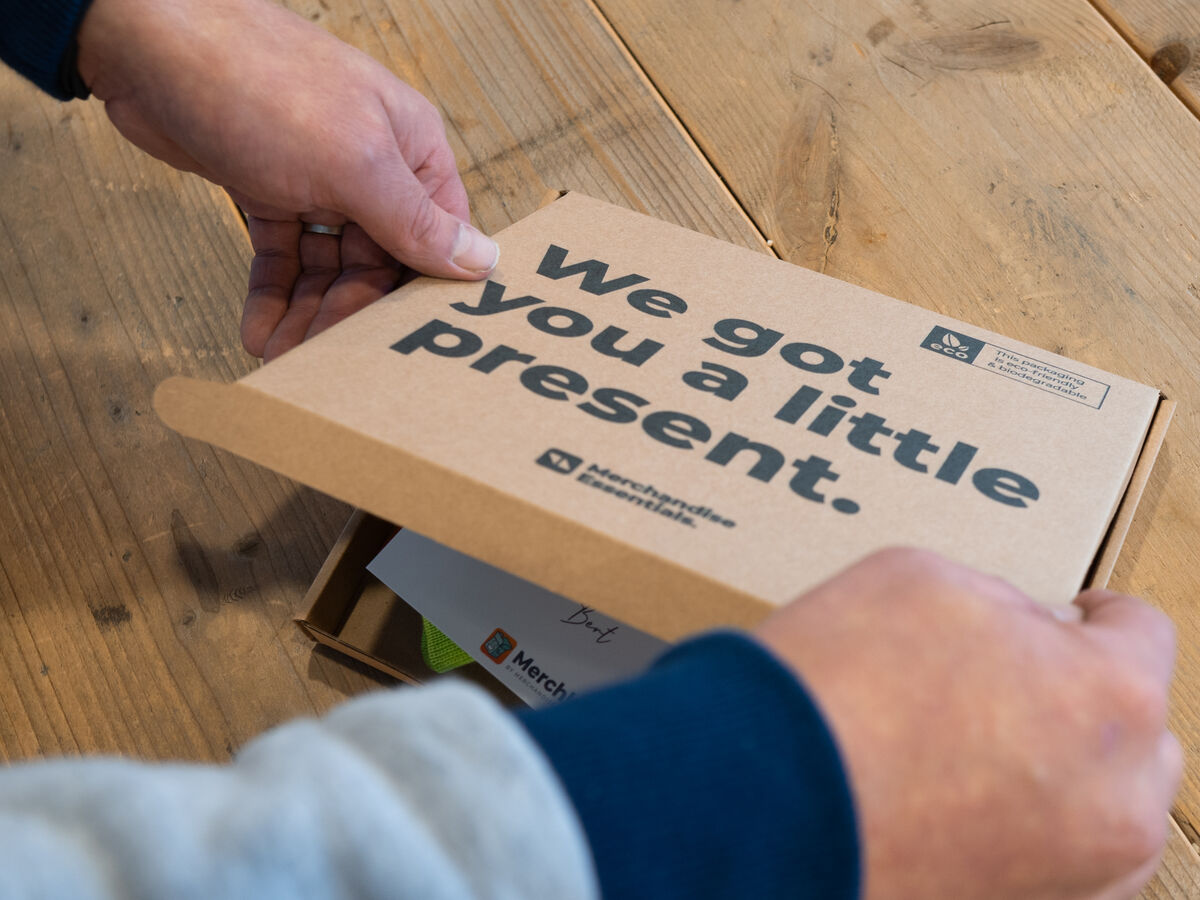
Personalized corporate gifts are gifts where each recipient receives something individual to them: their name, a personal note, a product made for them, or their own choice from a curated set. It is the highest-value form of corporate gifting and the most operationally complex. For large campaigns, personalising the note rather than every product is the practical sweet spot.
Note on spelling. Personalized corporate gifts and personalised corporate gifts are the same thing. American English uses the z, British and most European English uses the s. Both appear on this page on purpose, because buyers search for both.
This guide is part of the complete corporate gifts guide.
What's in this guide
What personalisation actually means
Personalisation is the point where a gift stops being a batch and starts being individual. In practice it shows up in four forms, and they are very different jobs.
- Names. The recipient's name printed, engraved or embroidered on the product itself.
- Notes. A message written for that person, printed on a card or the packaging.
- Custom products. An item made specifically for that recipient or that small group.
- Choice. The recipient picks their own gift from a short, curated selection.
All four make a gift feel personal. Only two of them scale comfortably past a few hundred recipients. That distinction decides most gifting programmes.
Branded vs custom vs personalised corporate gifts
Three words get used interchangeably and should not be. The difference decides cost, lead time and how the gift feels when it arrives.
| Type | What it means | Best for |
|---|---|---|
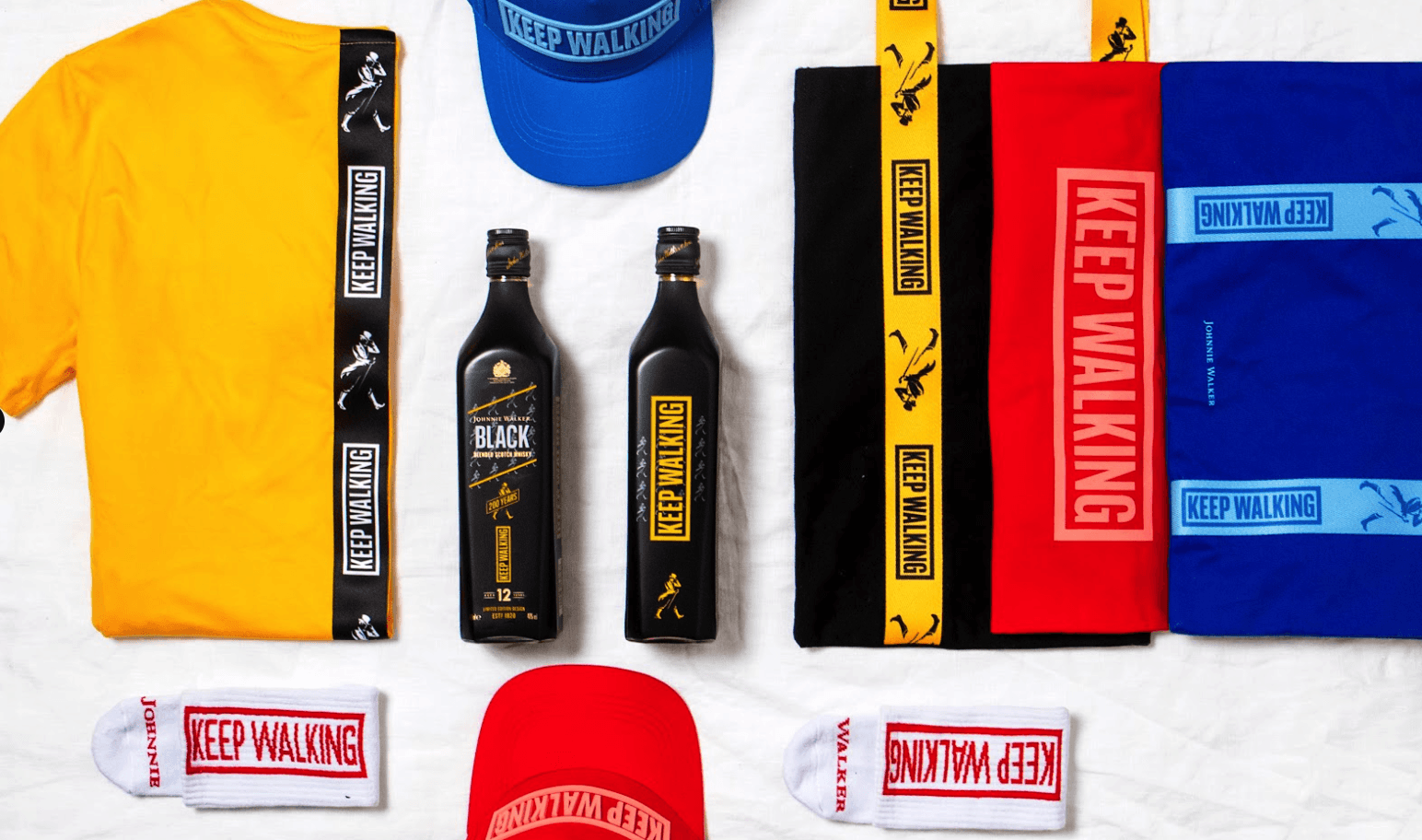
| Branded | An existing product decorated with your logo: print, engrave, embroider, laser | Fast, cost-effective, larger volumes |
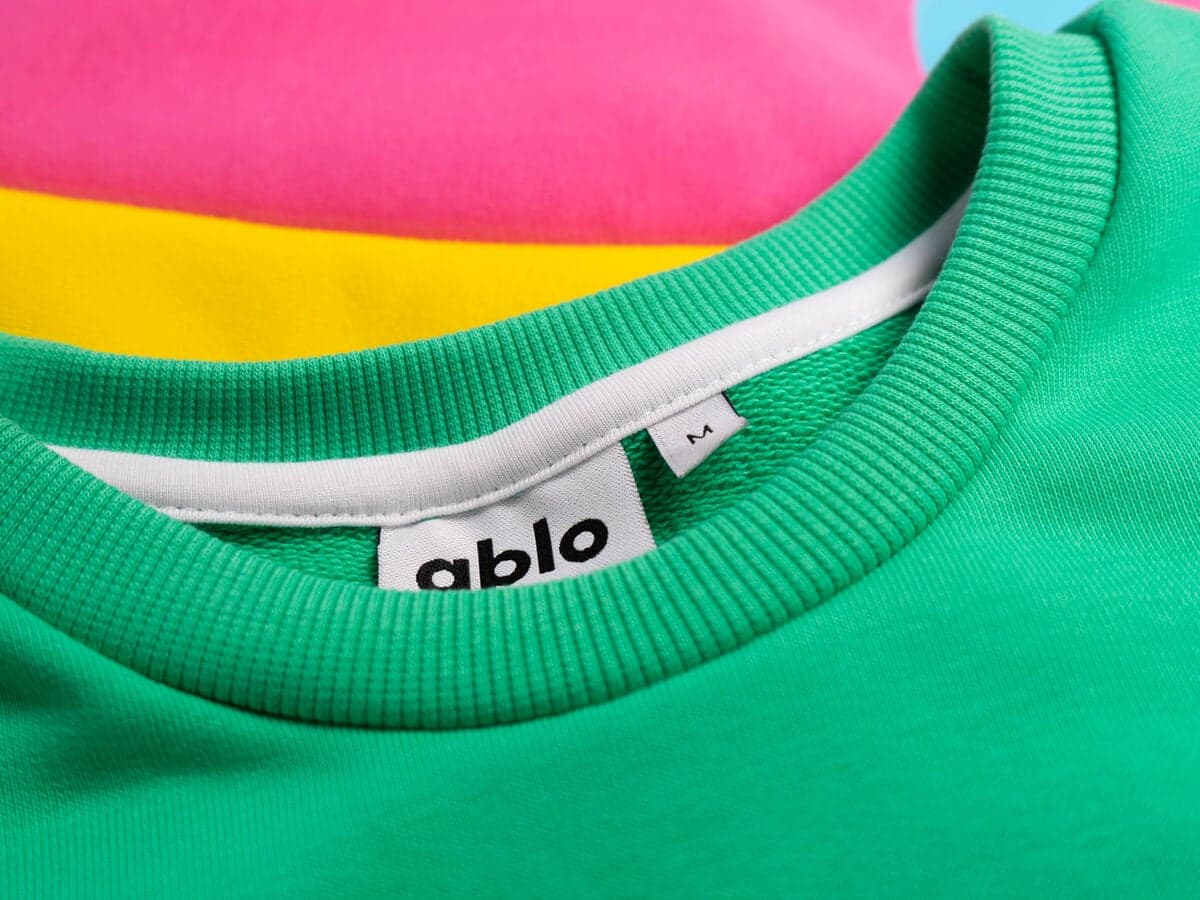
| Custom | Every element is the brand: colours, linings, neck labels, packaging, zippers, trims, hardware, hidden messages | Recipients who notice the difference immediately |
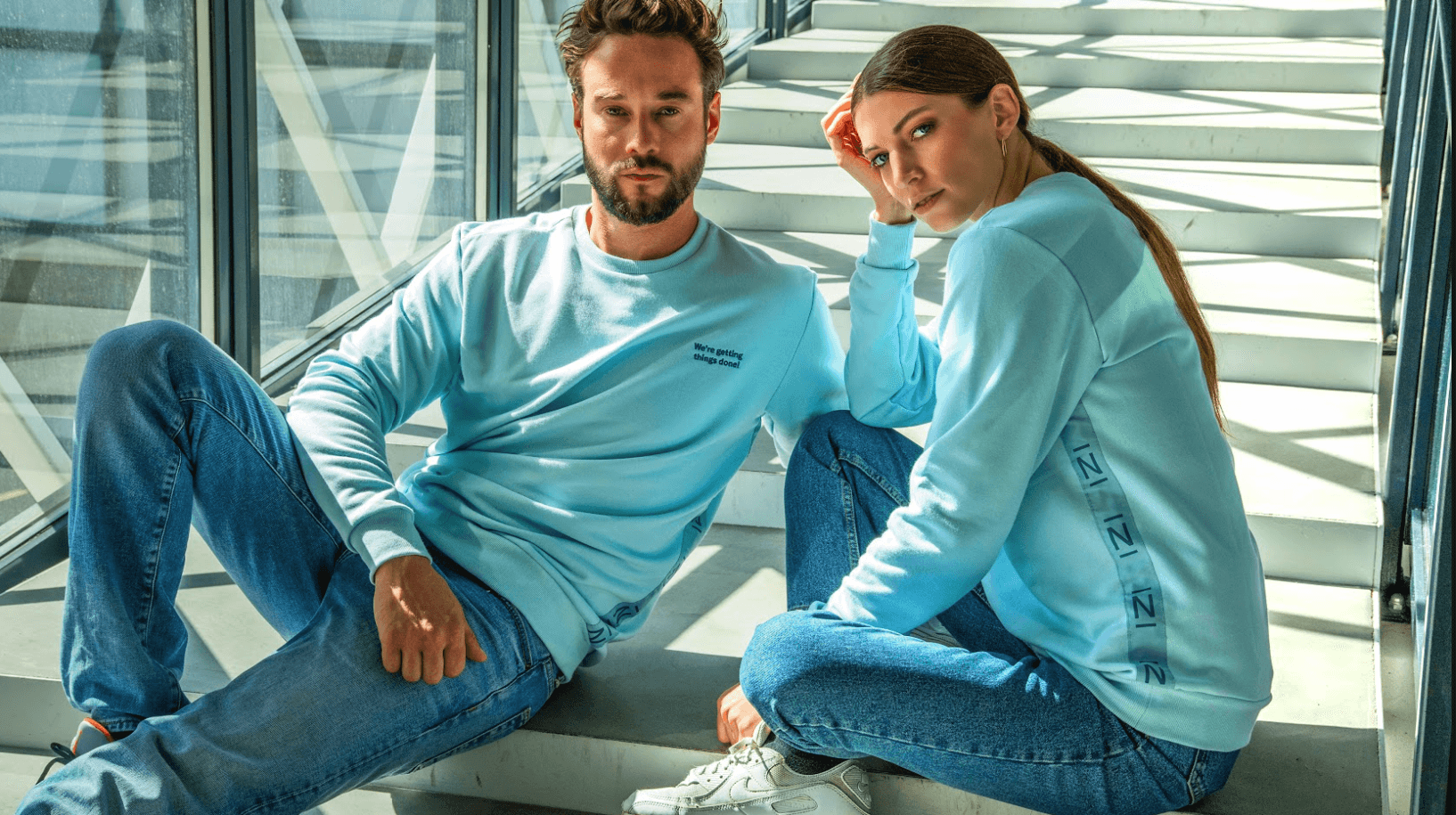
| Personalised | Every recipient gets something unique: a name, a note, a custom product, or their own choice | High-value gifts where the individual matters |
The three stack rather than compete. A personalised gift is usually also branded, and often custom. The question is not which one to pick, but how far up the ladder your objective actually justifies going. There is a full breakdown of the middle rung in custom corporate gifts.
The real cost of personalisation
Personalising every product sounds generous. Operationally it is a different programme. You now need clean per-recipient data, a production run that is effectively a run of one, per-item quality control, individually matched packing, and a shipping process where the wrong box going to the wrong person is a visible failure rather than an invisible one.
That complexity is fine at fifty recipients. At five thousand it becomes the project. And it is worth being honest about the return: most of the emotional lift comes from the recipient feeling seen, not from their name being printed on the item. There are cheaper ways to create that feeling.
The sweet spot: personalise the note, not every product
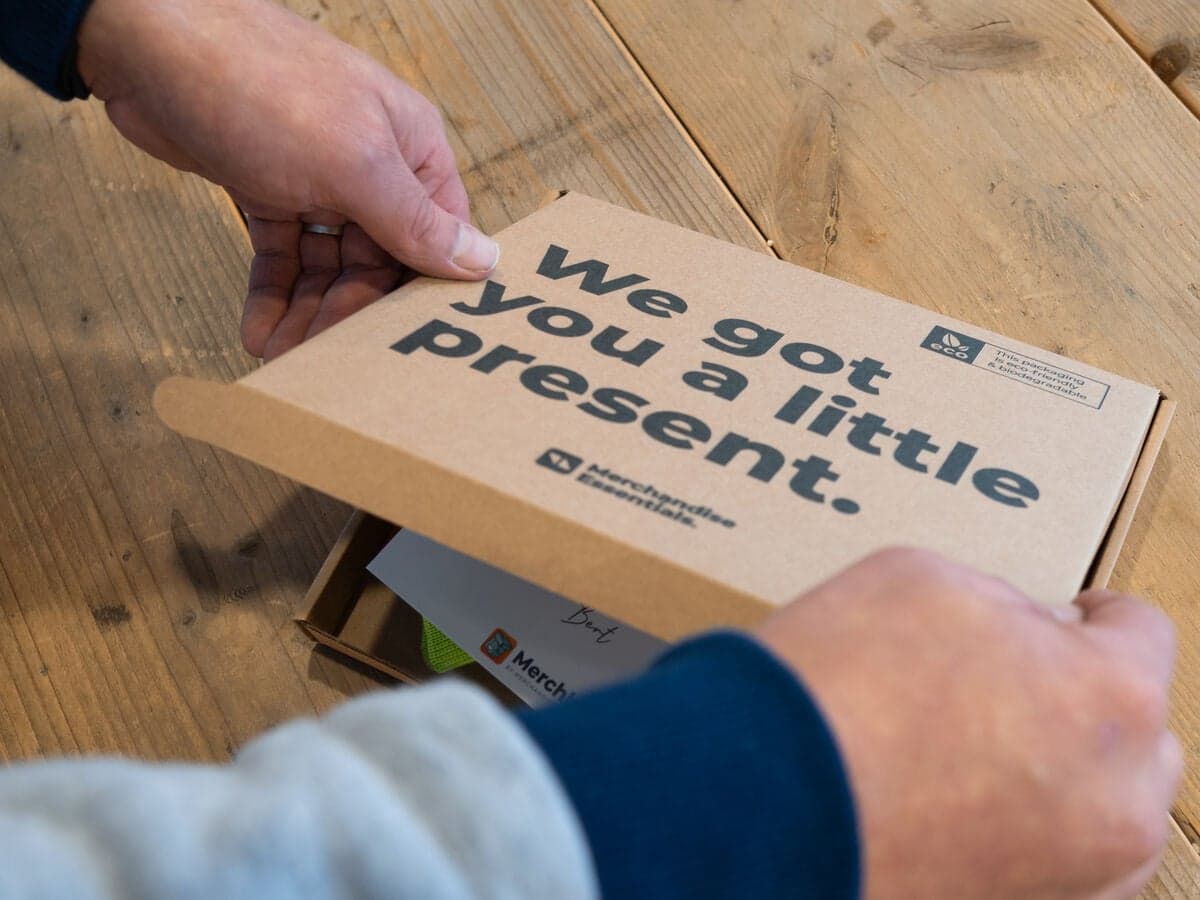
For large campaigns, the highest-return move is to keep the product consistent and personalise the message. A handwritten or personalised note feels human, lands emotionally, and does not blow up the logistics. It is the one part of a gift that is genuinely cheap to make individual.
A good note names the reason. Not "Happy holidays from the team," but the specific thing this person did, or the moment this gift marks. That is what makes the recipient feel the company created something for them, rather than cleared warehouse shelves.
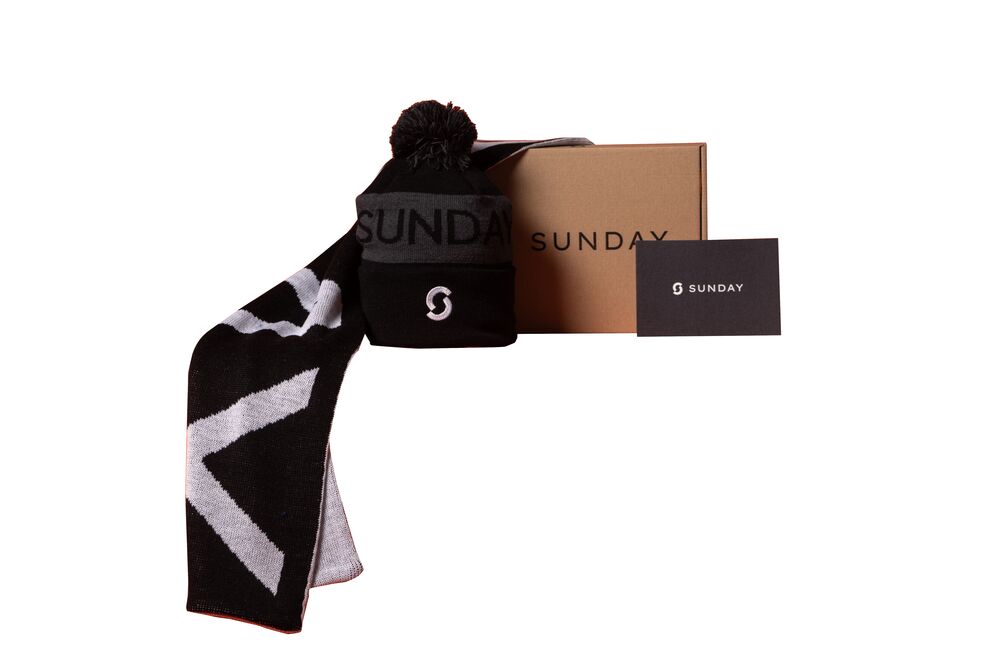
Keep the product consistent and let the card carry the personal message. It reads as thoughtful and it ships like a batch.
Give a choice of two or three
The other simple, powerful form of personalisation is letting people choose. Offer a curated selection of two or three gifts and let the recipient pick. It is dramatically easier to run than per-recipient customisation, and in many cases it produces a better result.
The reason is that choice itself improves the experience. A recipient who chose their gift is invested in it before it arrives. They also cannot be disappointed by a guess that missed, because nobody guessed. And you get a useful side effect: the pick rates tell you what your audience actually wants next time.
Keep the selection short. Two or three options, occasionally four. A long list turns a gift into a shopping task and quietly removes the feeling of being given something.
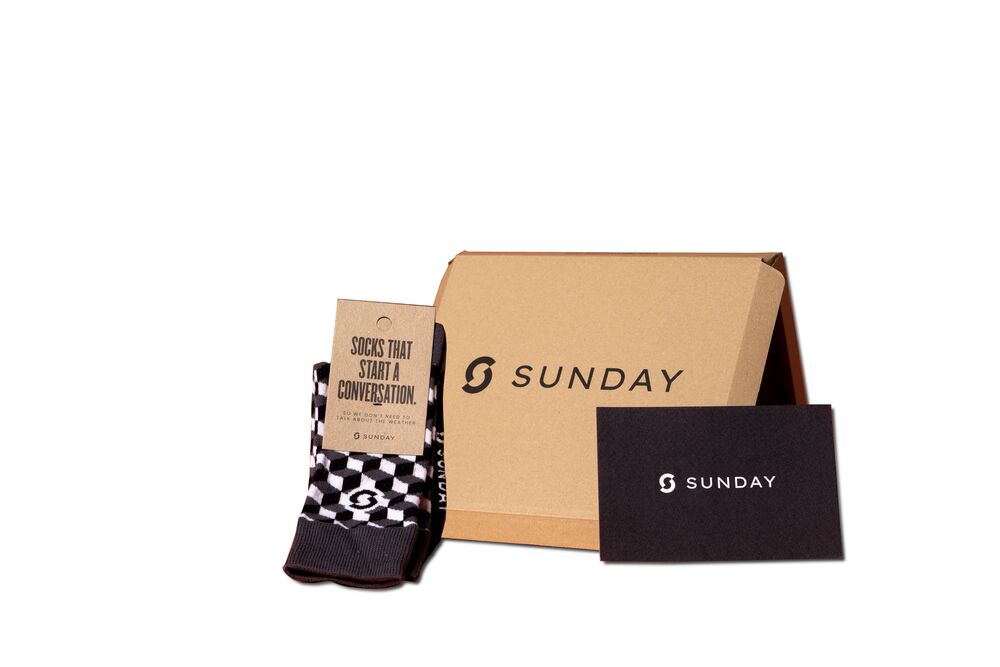
Two or three curated options beat one guess. Recipients pick, and the pick rates tell you what to send next time.
Gender: offer choice, do not assume
Splitting a gift programme into "gifts for men" and "gifts for women" is a guess dressed up as thoughtfulness. It gets the wrong item to a meaningful share of your recipients and it dates badly.
The better answer is the same mechanism as above. Offer a small curated choice of two to four products and let people select. Choice beats assumptions based on gender, and it produces a better experience for everyone, including the people the assumption would have got right.
How to run personalised gifting at scale
The reason most companies avoid personalisation is not price. It is operational complexity: selecting products, collecting addresses, holding stock, shipping internationally, handling customs, managing fulfilment. Personalisation multiplies every one of those.
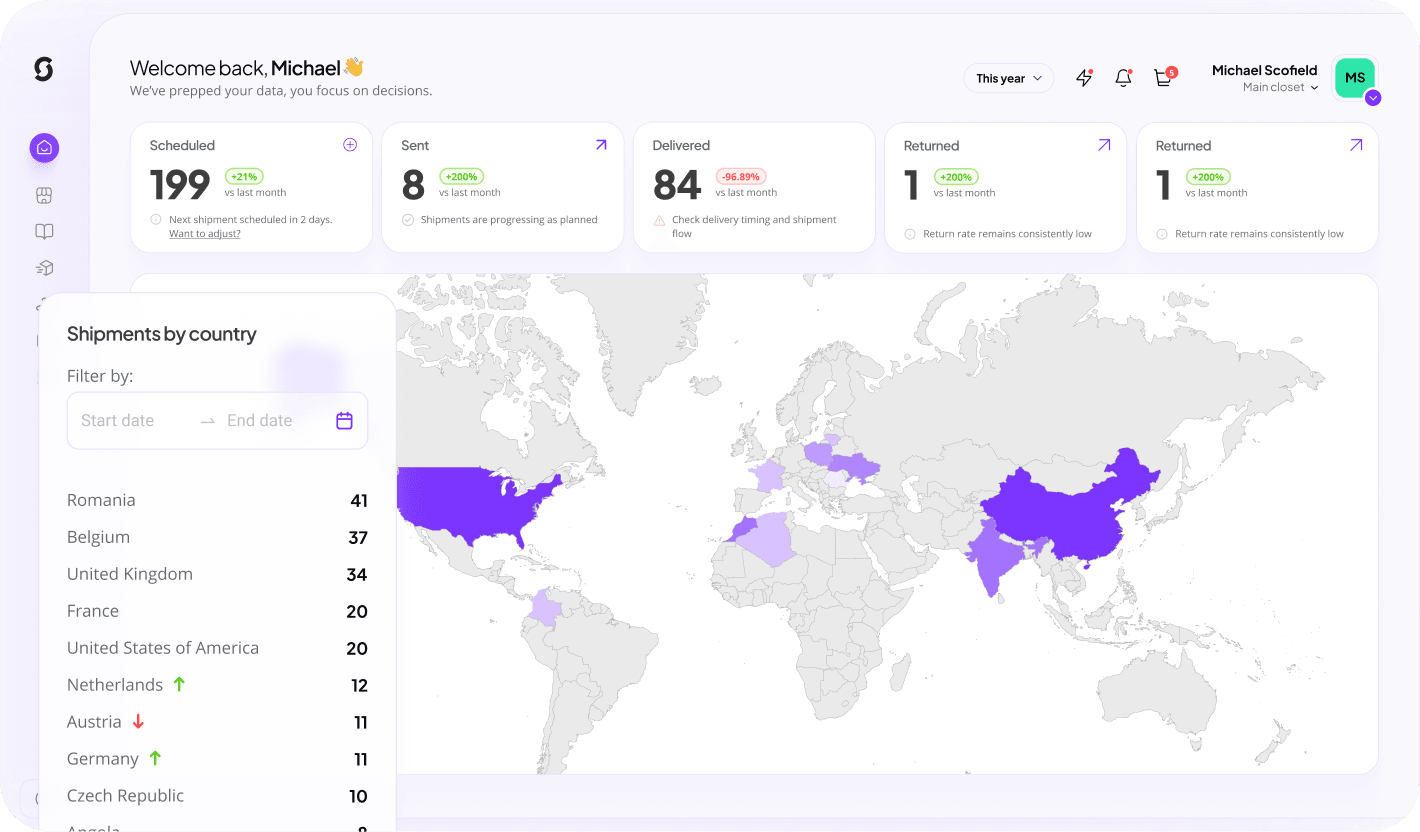
The rule that keeps it manageable is to automate the administration and keep the humanity. Automate storage, inventory, picking, packing, shipping, address collection, customs documents and tracking. Keep human the relationship decisions, the personal notes and the choice of the right moment. Automation removes admin, not warmth.
Sunday runs this layer for you: recipients submit their own addresses and pick their gift, orders trigger from your CRM or HRIS when a moment fires, and everything ships with DDP so nobody receives a customs invoice with their gift. A gift should never surprise the recipient with duties. If they have to pay to accept it, it stops being a gift.
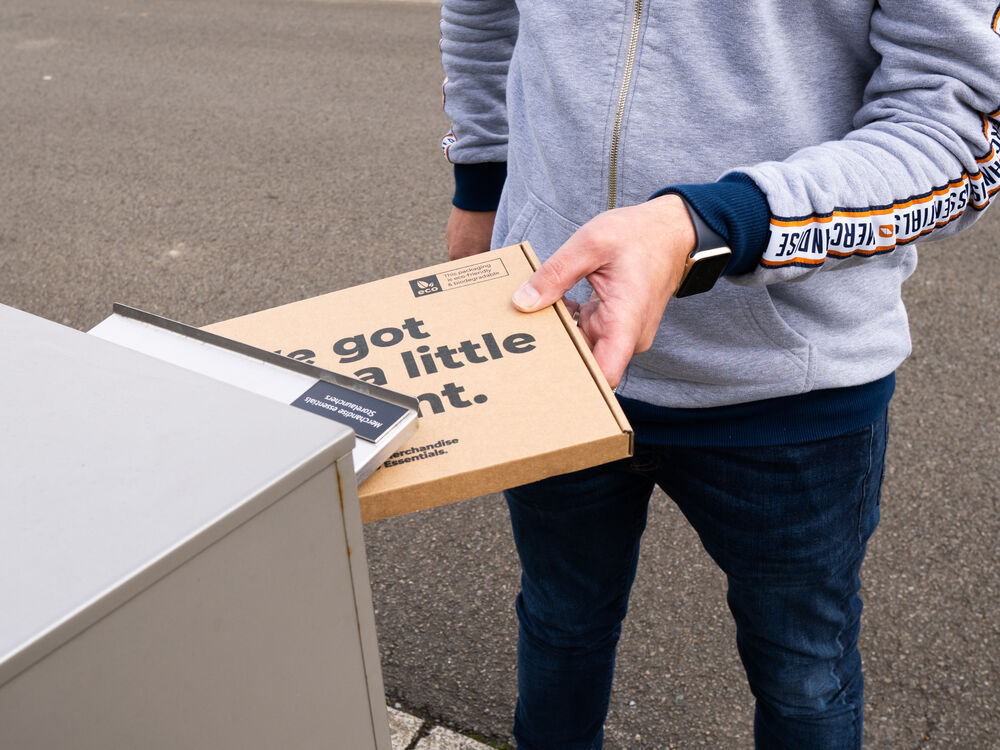
The last hundred metres is where personalised programmes usually break. Address collection, customs and delivery are the parts to automate.
What to personalise, by campaign size
| Recipients | Personalise this | Skip this |
|---|---|---|
| Up to ~50 | The product itself: names, engraving, made-for-them items | Nothing. At this size, go as far as the relationship justifies |
| 50 to ~500 | The note, plus a choice of two or three gifts | Per-recipient product customisation, unless the account is strategic |
| 500+ | The note, the packaging, and the choice mechanism | Names on products. The overhead outweighs the lift |
Where the recipient sits relative to your company also matters. Employees are comfortable with expressive, clearly branded gifts. Clients are the least likely to want another company's logo, so personal touches should be in the note and the presentation rather than on the item. That split is covered in corporate gifts for employees and corporate gifts for clients, and the branding side is in corporate gifts with logo.
One practical starting point: custom socks personalise beautifully at the packaging level and carry a note perfectly, without a sizing problem. See the custom socks guide, the custom socks product page, or preview a design in the free sock mockup generator. If you are gifting for a specific season, corporate Christmas gifts and customer appreciation gifts cover those moments. Browse what is possible in the catalog, or see how it works end to end.
About this article
Personalise the part that counts
Recipient choice, address collection, personalised notes, premium packaging and global DDP shipping, automated in one platform. Create a free account and build your programme.
Build your gifting programme