

To run a partner appreciation gifts program, map gifts to specific triggers (onboarding, certification, first deal, revenue milestones, campaigns, events), choose a flexible product range rather than one universal gift, personalise to the partner and individual, then automate the whole flow through your CRM or PRM so gifts initiate without manual admin. Budget roughly 1 to 2% of partner-generated revenue, and measure against partner quality, activation and market impact, not the number of packages sent.
Merch does not replace the commercial foundations. Rebates, sales incentives, SPIFFs, margin structures and MDF remain necessary, partners need clear financial reasons to sell and support. Gifting sits outside those, adding the emotional, personal, visible layer cash cannot. A program is how you deliver that layer consistently, at scale, without forgetting anyone. Here are the steps.
Step 1. Define the triggers
Map each gift to a specific behaviour
The gift should map to a milestone, not be sent without context. Build a trigger map first. The strongest triggers: onboarding (a kickoff package to start representing the brand), training and certification (a visible, lasting reward), first deal (recognises individual effort and builds an early connection), deal and revenue milestones (first project, N closed deals, sales volume, annual thresholds, new-market expansion), short-term sales campaigns (a reward for hitting a target, the way Lamett rewarded partners who sold a set volume from a priority range), and events (kickoffs, QBRs, co-branded trade shows, awards, launches).
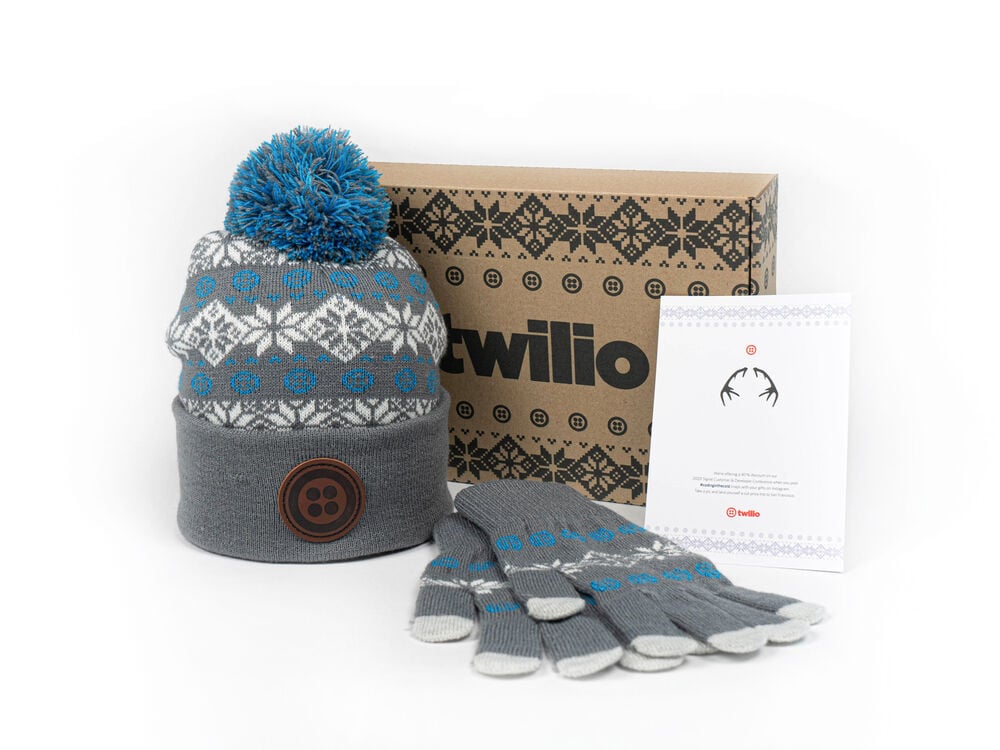
Each trigger maps to a gift. Onboarding, certification, first deal, milestone, campaign, event. The trigger map is the backbone of the program.
Step 2. Choose a flexible product range
Offer a range, not one universal gift
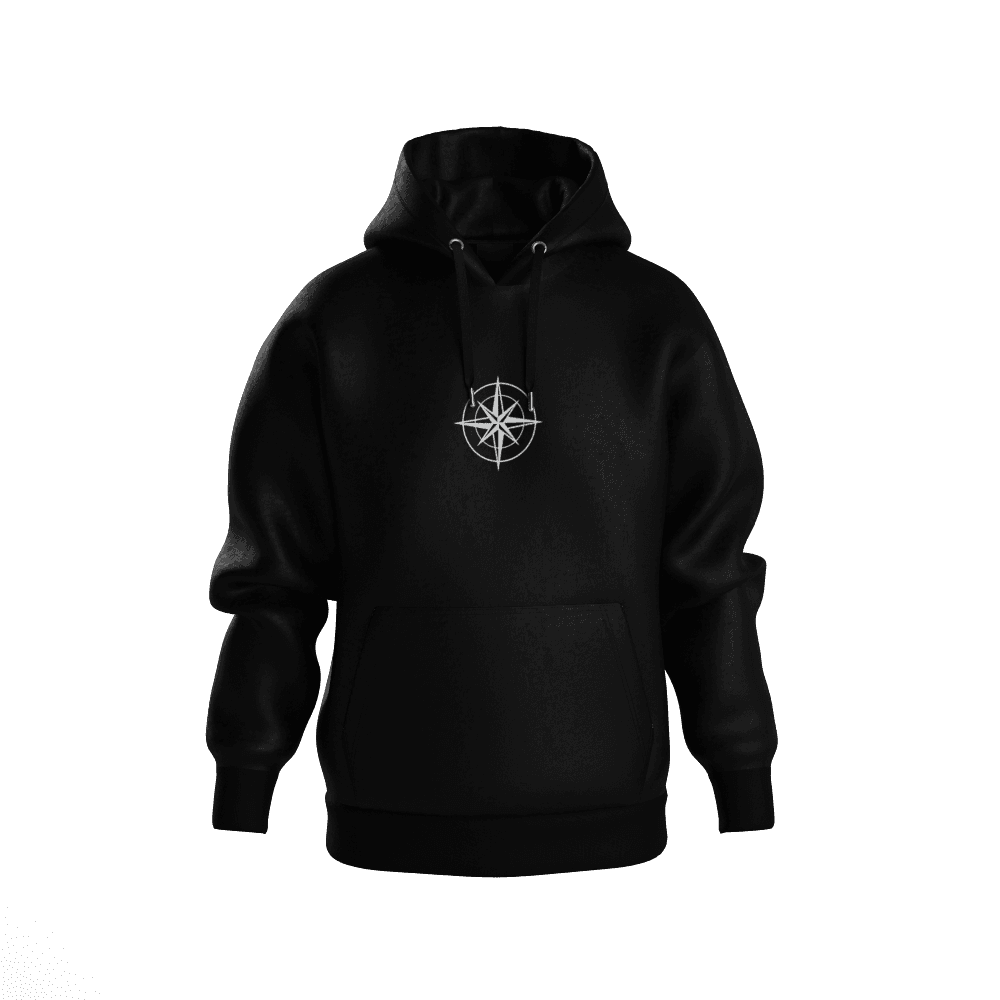
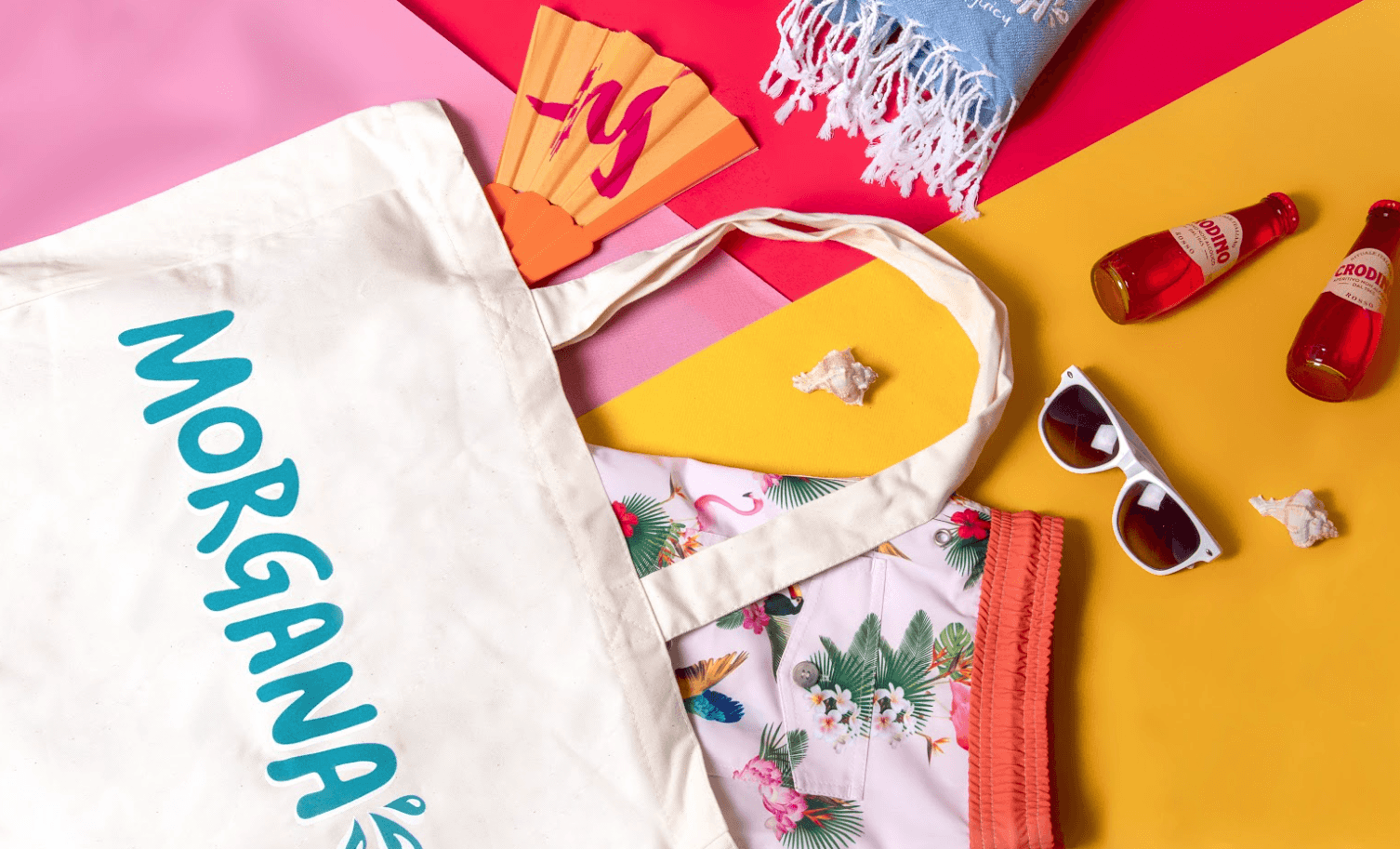
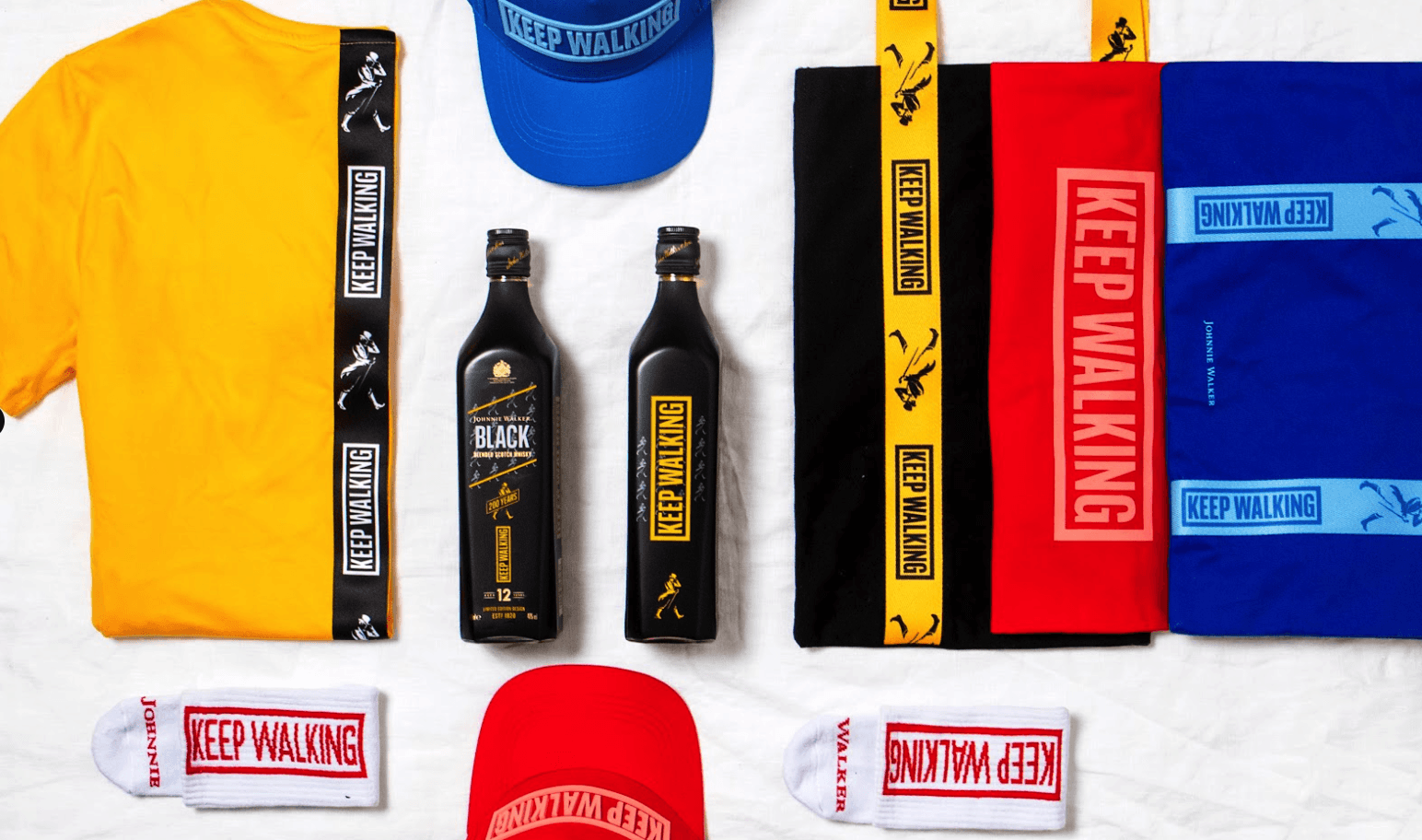
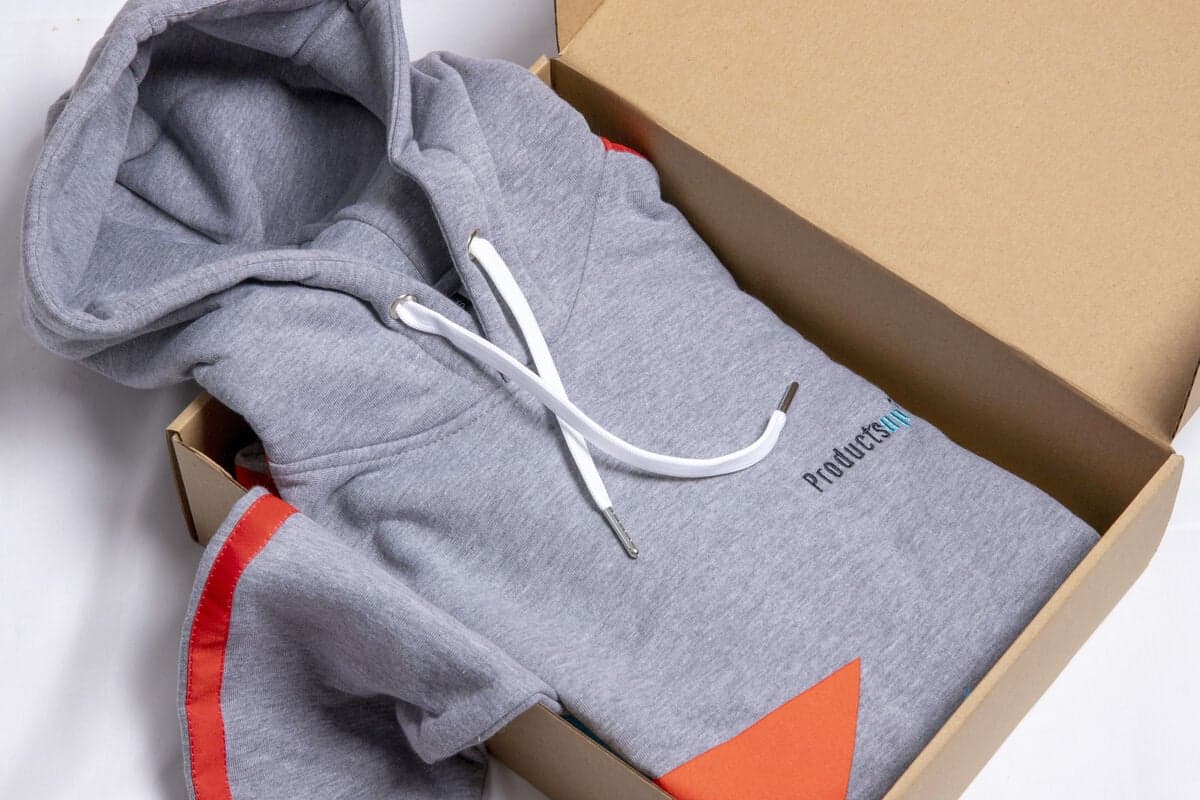
Partner programs do not need one gift for everyone. Offer a range that the trigger and audience can draw from: apparel, backpacks and travel bags, desk accessories, water bottles, winter products, event merch, tech accessories and co-branded collections. Because partners actively represent you, the merch can carry stronger branding than a customer gift, and they will genuinely want to use it. A branded custom beanie is a natural winter option for onboarding kits, outdoor partner events and seasonal campaigns, one useful choice in the range, not the default.
Step 3. Personalise the gift
To the partner, and to the individual
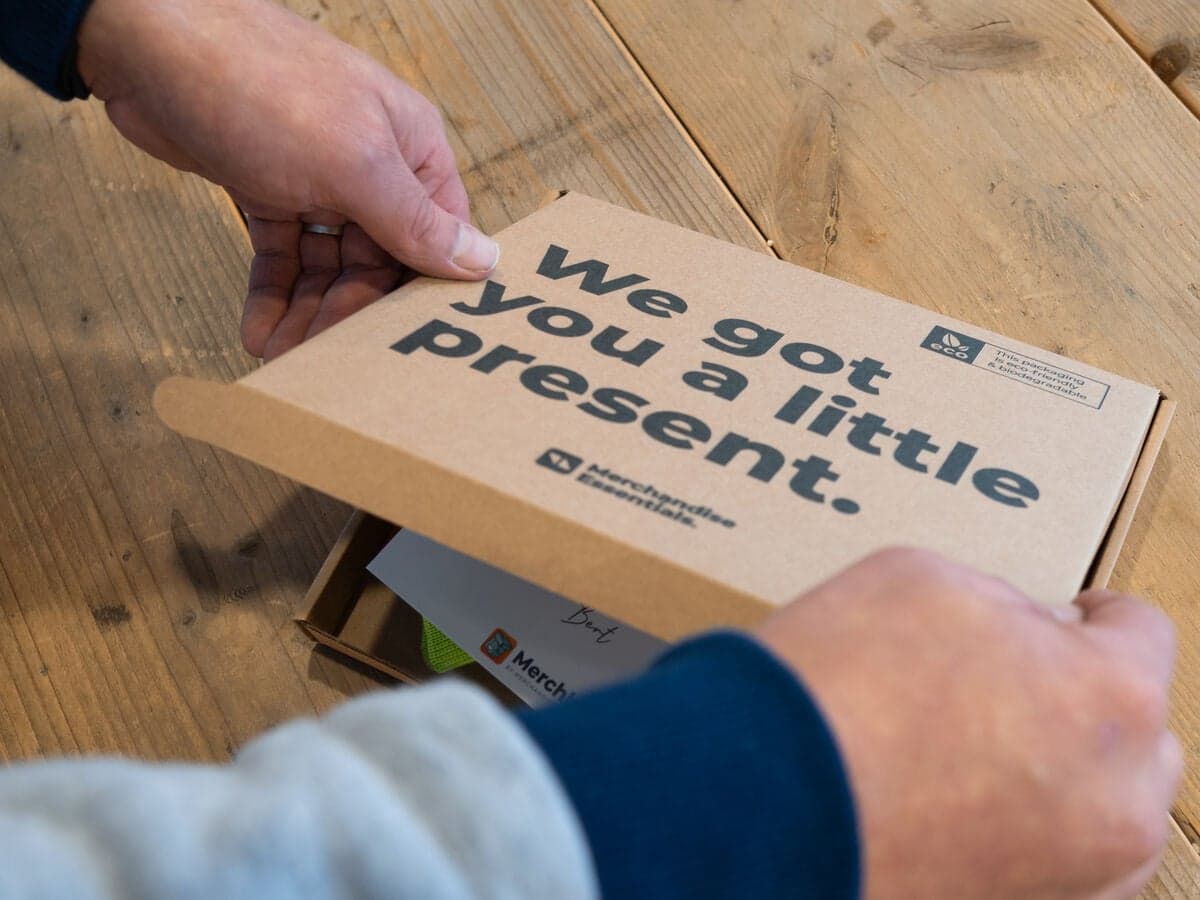
Personalisation is what separates a program from a bulk send. Recognise the individual where it matters, a salesperson's first deal, a named certification, not just the partner company. Add a personalised card, co-brand the merch where a co-branded collection fits, and match the gift to the partner's market and climate. For a co-branded design, preview it first in the free beanie mockup generator so the partner sees exactly how both logos sit together before anything ships.
Step 4. Pick a delivery model
Auto-triggered gifts, a partner webshop, or both
There are two scalable models, and many programs run both.
| Model | How it works | Best for |
|---|---|---|
| CRM/PRM auto-gifting | Store partner data; when a trigger is met, the system connects to your gifting platform and initiates the gift automatically | Milestone and onboarding gifts at scale, with no manual admin |
| Credit-based partner webshop | Partners earn credits (training, tier, deals, targets) and spend them on an approved collection; they can reward employees, bulk-order or pick co-branded merch | Giving partners freedom while keeping brand and budget control |
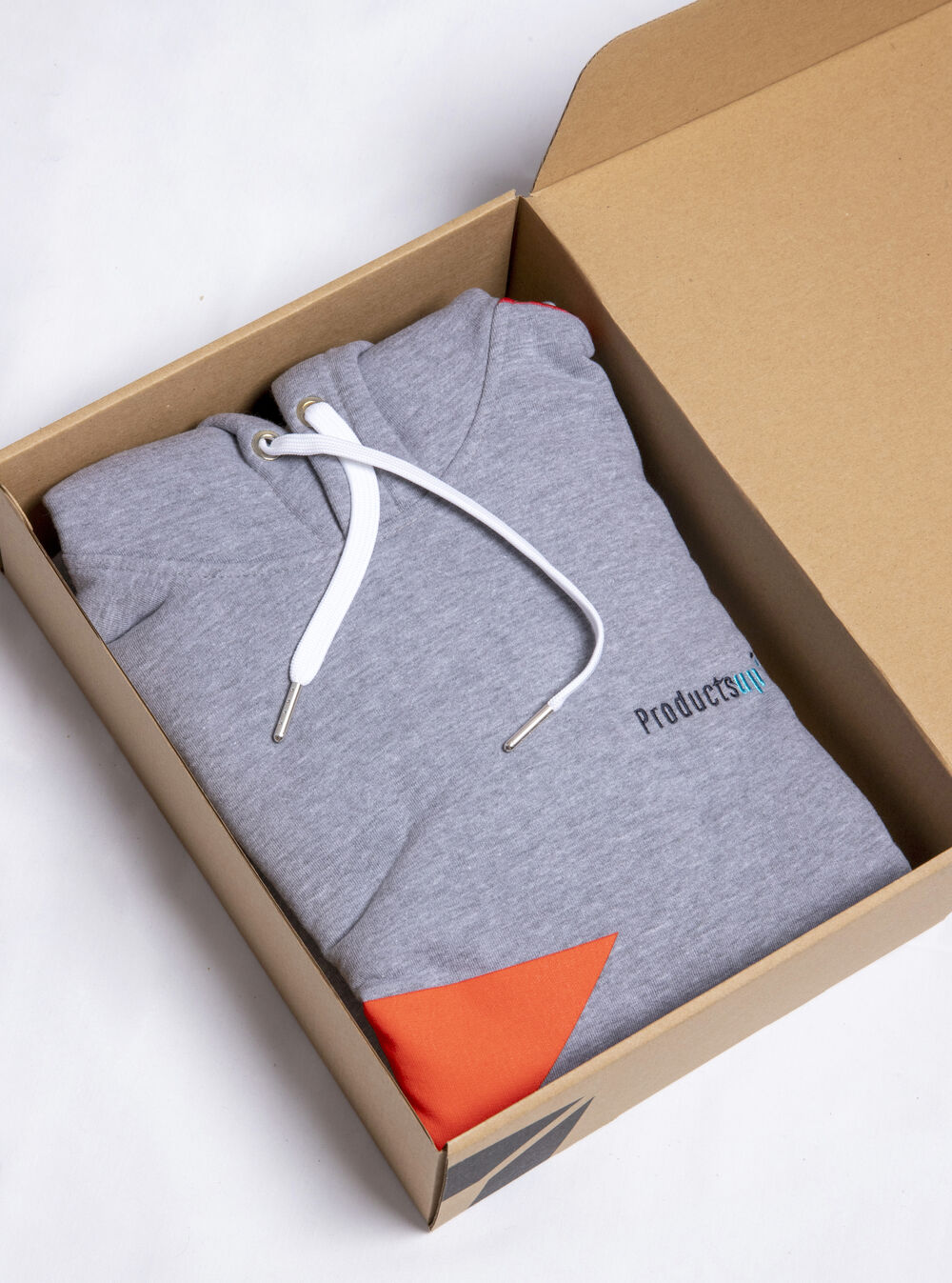
A credit-based partner webshop gives partners freedom to choose, while you keep the collection on-brand and the budget controlled.
Step 5. Automate the flow
The hard part is the requests, not the courier
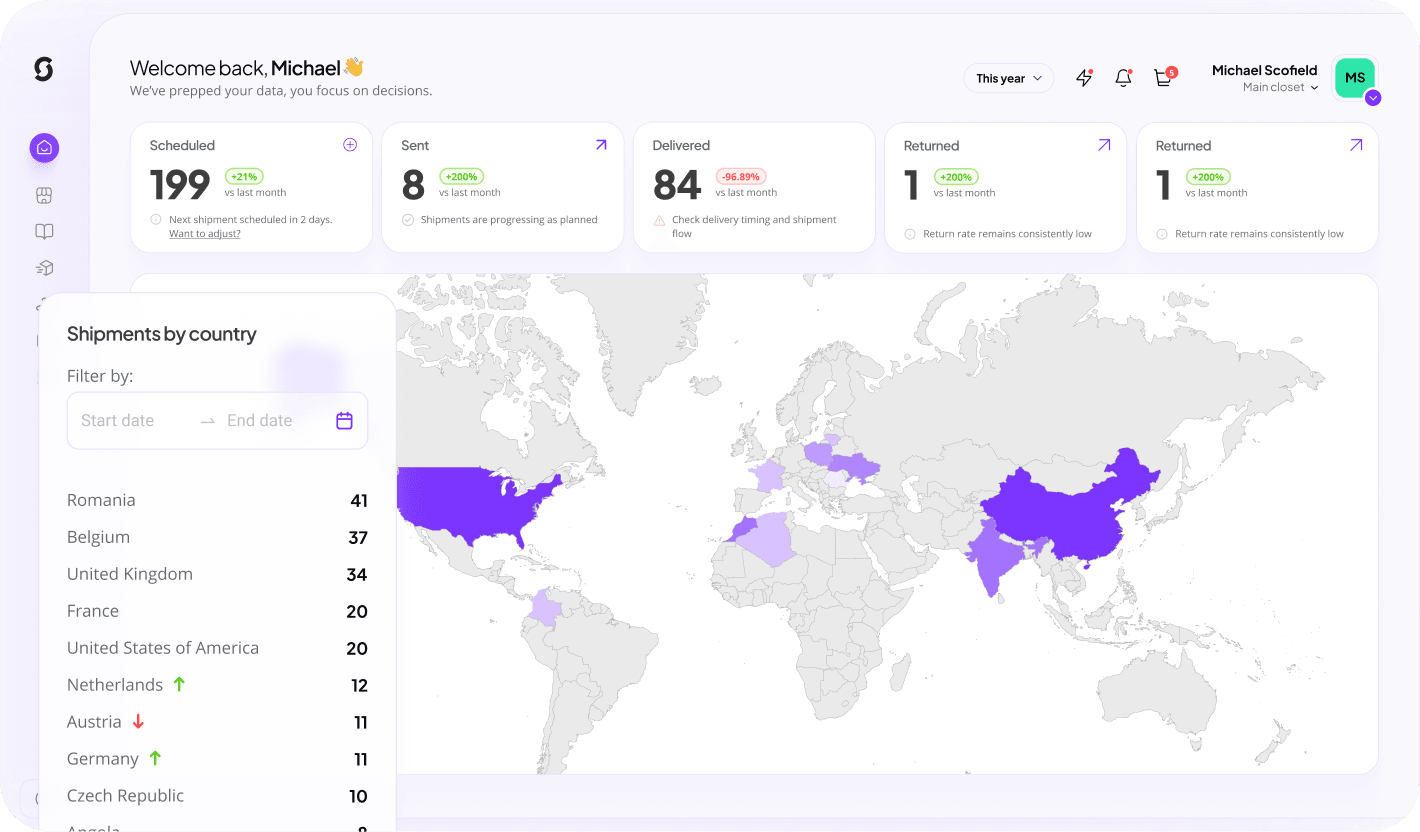
The difficult part of global partner gifting is never the shipping itself. It is capturing requests, collecting product choices, confirming addresses and sizes, tracking eligibility and forgetting no one. Since you are already giving a gift, you cannot demand hours of back-and-forth from the partner. So automate the whole flow: recipient selection, eligibility checks, product choices, address and size collection, approvals, inventory, shipment creation, international fulfilment, customs documentation and tracking. This is exactly what Sunday's distribution infrastructure and platform are built to handle. AnyDesk runs its IT-partner program on automated onboarding gifts and engagement-linked merch for this reason, and AVR uses partner merch as a scalable local brand-distribution system, shipping to end customers on a local partner's behalf.
Global fulfilment, customs and tracking handled in one flow, so no partner is forgotten and the partner-ops team is not running a logistics project.
Step 6. Set the budget
A percentage of partner-generated revenue
Reserve roughly 1 to 2% of partner-generated revenue for joint marketing and merch, tuned by margin, industry, strategic importance, market potential, tier, local brand strength and growth goals.
| Partner revenue | Indicative merch + marketing budget |
|---|---|
| €50k | ~€1,500 |
| €100k | ~€2,000–3,000 |
| €1M | ~€10,000+ |
Also create a standardised onboarding package for every new partner, regardless of revenue, so they can represent the brand immediately, before they have hit any threshold.
Step 7. Measure the right things
Tie spend to partner quality and market impact
Do not measure success by packages sent. Connect merch spend to strategic partner behaviour. Track partner NPS and end-customer NPS or service quality (unlock more merch budget for partners with strong service, so you reward investment in implementation and support, not just sales), certifications and training completion, partner activation (engaged employees, portal use, training completion, merch redemption, campaign participation), market importance (invest more in developing markets that need awareness), and the commercial signals: partner-sourced pipeline, registered deals, closed and repeat revenue, retention, product mix and priority-campaign participation.
Running a partner gifting program: questions answered
How do I build a repeatable partner gifting program?
Define a trigger map (onboarding, certification, first deal, revenue milestones, campaigns, events), offer a flexible product range rather than one universal gift, personalise to the partner and individual, then automate the whole flow through your CRM or PRM so gifts initiate without manual admin. Budget roughly 1 to 2% of partner-generated revenue and measure against partner quality and activation, not packages sent.
Where does gifting fit alongside rebates, SPIFFs and MDF?
Outside them. Rebates, sales incentives, SPIFFs, margin structures and MDF give partners the financial reasons to sell and support, and gifting does not replace them. Gifting adds a recognition and engagement layer that cash cannot, recognising individual effort and strengthening the relationship. The two complement each other.
How do I automate partner gifting across borders?
The hard part is capturing requests, collecting product choices, confirming addresses and sizes, and tracking eligibility, not the courier. Automate the full flow: recipient selection, eligibility checks, product and size collection, approvals, inventory, shipment creation, international fulfilment, customs documentation and tracking. A platform like Sunday provides the request-to-delivery infrastructure so partner ops does not run a logistics project.
How much should a partner gifting program cost?
A common heuristic is 1 to 2% of partner-generated revenue for joint marketing and merch, tuned by margin, strategic importance and market potential. As a guide, a €50k partner maps to around €1,500, €100k to roughly €2,000 to 3,000, and €1M to €10,000 or more. Add a standardised onboarding package for every new partner regardless of revenue.
How do I measure partner gifting ROI?
Tie spend to partner quality and market impact, not packages sent. Track partner and end-customer NPS, service quality, certification and training completion, partner activation (portal use, merch redemption, campaign participation), market importance, and commercial signals like partner-sourced pipeline, registered deals, closed and repeat revenue and retention. Connect merch to strategic partner behaviour.
What is a partner merch webshop?
A credit-based store where partners earn credits through training, tier upgrades, deals and campaigns, then spend them on an approved collection. They can transfer credits to employees, bulk-order, choose co-branded products or pick event merch. It gives partners freedom while keeping the collection on-brand and the budget controlled, and it scales appreciation across the whole channel.
Keep reading: partner appreciation gifts
Build your partner gifting program with Sunday
Set the triggers, design the collection, connect your CRM, and let Sunday handle global fulfilment. Live in 30 seconds.
Build this campaign