
To run an event merchandise program, treat it as an operating flow, not a per-event scramble: forecast, bulk order, store, kit, redeem, ship and track. Forecast the merch you need for the next three to six months of events, order it in bulk for one discount, and store it. Then kit on demand and ship to each event in one to two days. Capture every recipient with a redeem page or scan so the ROI is measurable, and often ship the gift before the event (a pre-event kit to pull people to the booth) or after it (to reward captured, qualified leads) rather than handing it out on the floor.
Most event merch fails operationally before it fails creatively. Teams decide late, rush-produce per event, hand things out untracked, and then cannot measure what happened. The fix is a repeatable program. Here is the seven-step flow.
The seven steps
Forecast 3 to 6 months ahead
The special and custom items need runway, so always plan ahead. List your events for the next three to six months and forecast the merch each one needs across the tiers: volume giveaways, ICP-match gifts and strategic-account gifts. This single step removes most of the deadline risk that wrecks event merch.
Bulk order in one run
Order the forecasted merch in bulk, in one run, for a single bulk discount. Bundling per quarter or half-year is materially cheaper than rush-producing per event, and it avoids the per-event panic entirely. Quantity is one of the biggest price levers, so consolidating orders pays twice: lower unit price and lower stress.
Store it
Store the merch so nothing depends on a tight per-event deadline. With the stock sitting ready, each event becomes a fulfilment task rather than a production scramble. Sunday stores it for you, which is what makes the rest of the flow fast.
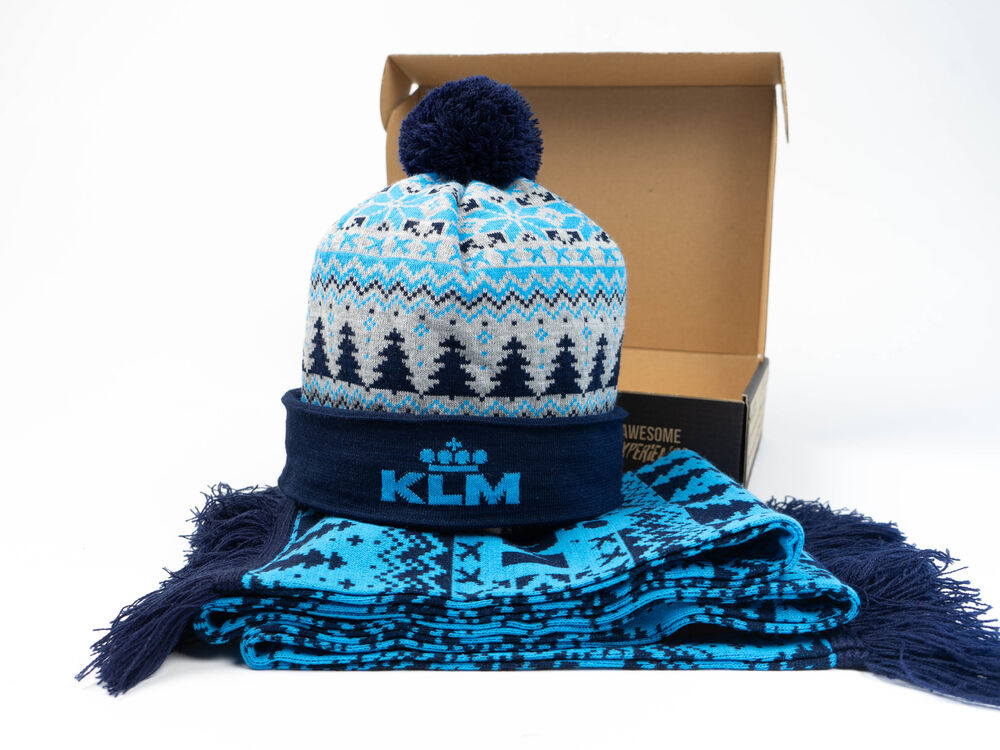
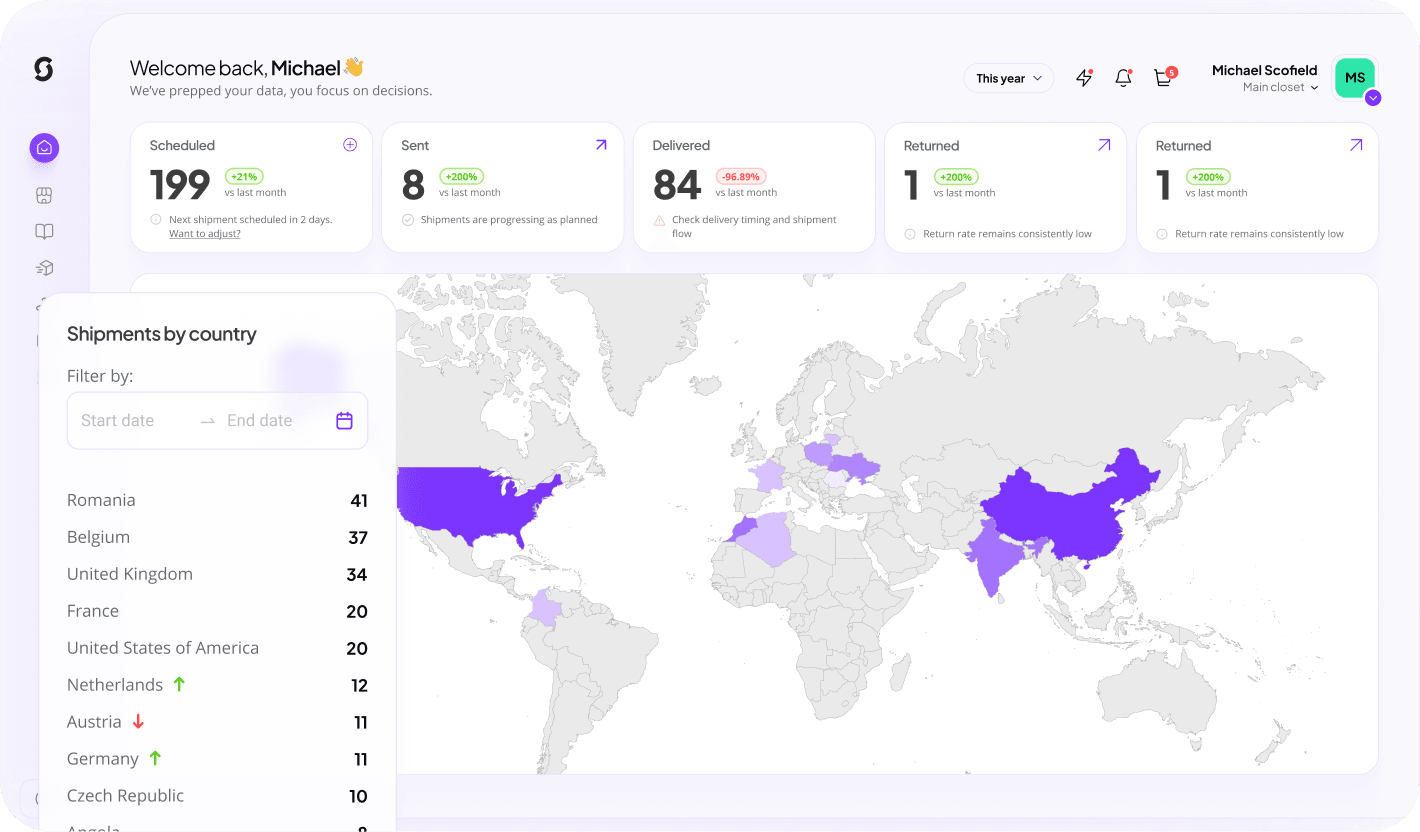
Store the merch once, and each event becomes a fulfilment task. With stock ready, Sunday ships to each event in 1 to 2 days.
Kit on demand
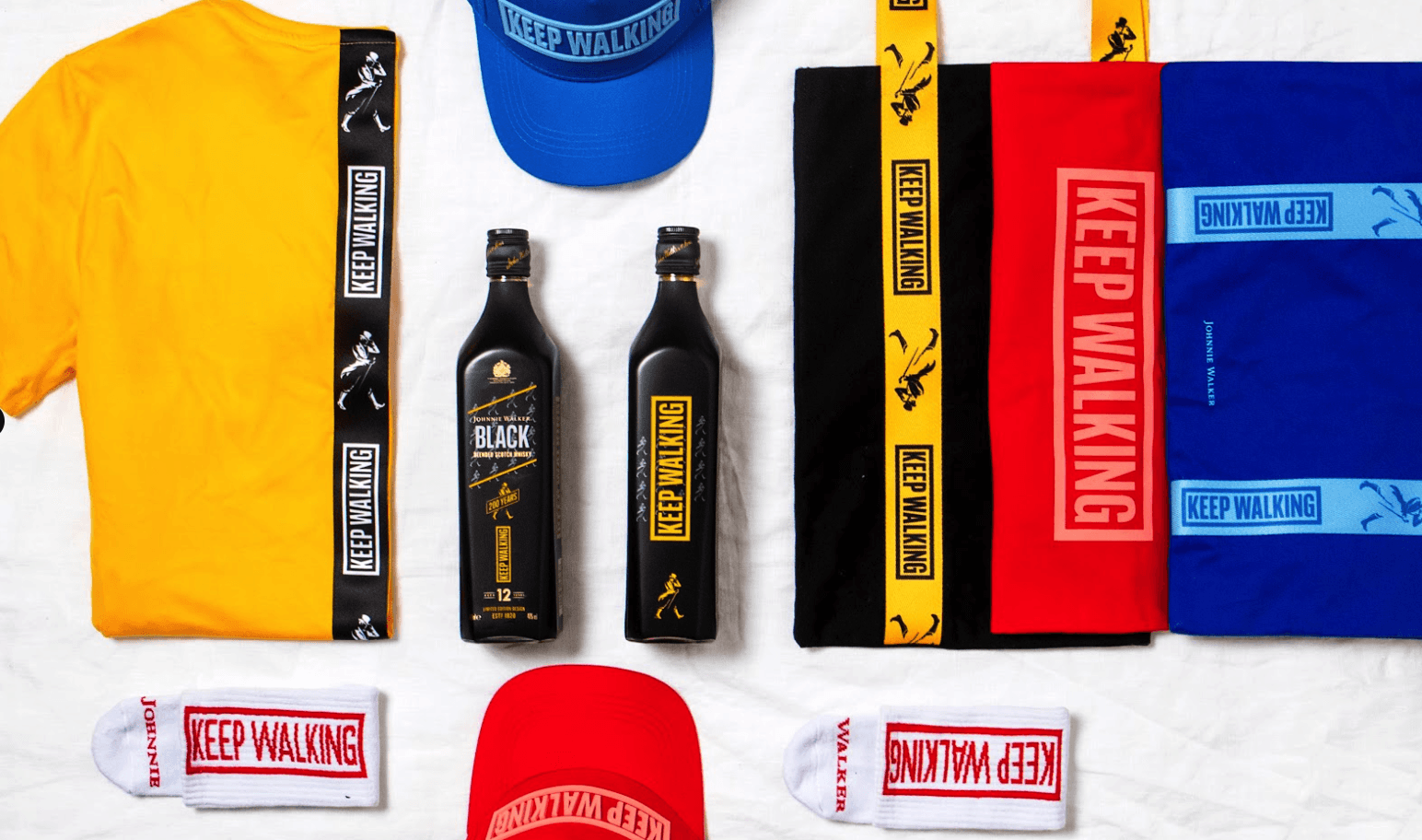
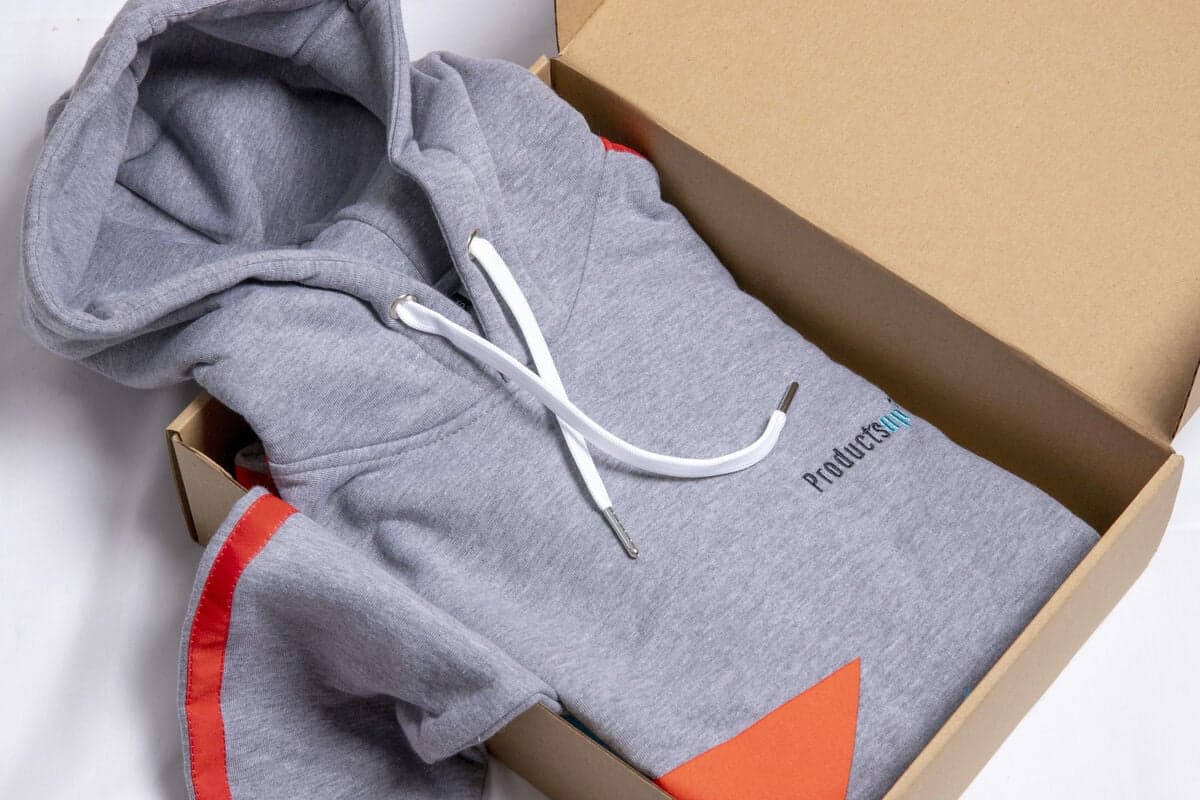
Assemble the right kit for each event on demand: the volume giveaway, the ICP-match gift, the strategic gift, and any event-specific extras like an on-brand apron for a food activation. On-demand kitting means you build exactly what each event needs from stored stock, with no over-production.
Redeem and capture
Set up a redeem page or lead-capture flow for the higher-value gifts. Instead of handing premium items to everyone, you capture the recipient, did they like the item, do they like the brand, are they interested, and the platform can follow up automatically. This is how a giveaway becomes a tracked lead.
Ship, before or after the event
Ship the kit to each event in one to two days from stored stock. But here is the key move: sometimes it is better to ship the gift before or after the event than to hand it out on the floor. A pre-event kit sent to booked meetings and VIPs pulls them to your booth. A post-event send rewards captured, qualified leads and lets you track every recipient.
Pre-event kits pull people to the booth; post-event sends reward captured leads. Often the best handout is not a handout at all.
Track every recipient
Lock the person when you hand an item out, via a landing page, a redeem page or a scan. As long as you track every item handed out, ROI is easy to measure, because you know exactly who received what and can check conversion rates later. Untracked handouts are the only ones you cannot measure, so make capture the default, not the exception.
Forecast, bulk, store, kit, redeem, ship, track. The whole program runs on the same engine, so every event is reliable and measurable.
Map the flow to the three tiers
The operating flow is what makes the three-tier strategy executable. Each tier uses the same engine differently.
| Tier | How it ships | How it's tracked |
|---|---|---|
| Tier 1 — volume giveaways | Kitted and shipped to the booth for general traffic | Optional scan; awareness and later recall |
| Tier 2 — ICP-match gifts | Held back at the booth or sent afterwards via redeem page | Captured at handout; tracked follow-up |
| Tier 3 — strategic gifts | Often shipped before the event as a pre-event kit to VIPs | Tied to a named account and a commercial objective |
Running a food activation, tasting or festival as part of the program? An on-brand apron is event merch too. Browse the custom aprons page, or preview a design with the free apron mockup generator. You can also preview branded bags with the free tote bag mockup generator.
Event merch programs: questions answered
How do you run an event merchandise program?
Treat it as a repeatable flow rather than a per-event scramble: forecast, bulk order, store, kit, redeem, ship and track. Forecast the merch you need for the next three to six months of events, order it in bulk for one discount, and store it. Then kit on demand and ship to each event in one to two days. Capture every recipient with a redeem page or scan so you can measure ROI, and often ship the gift before or after the event rather than handing it out on the floor.
Should I ship event merch before, during or after the event?
All three have a place, and the floor handout is often the weakest. A pre-event kit sent to booked meetings and VIPs pulls them to your booth, which is ideal for strategic, Tier 3 gifts. A post-event send rewards captured, qualified leads and lets you track every recipient, which suits Tier 2 ICP-match gifts. Hand the affordable volume giveaways out at the booth. Sometimes it is genuinely better to ship the gift before or after the event than to hand it out on the floor at all.
How do I plan event merch on a tight timeline?
Plan ahead, because special and custom items need runway. The standing advice is to bundle merch per quarter or half-year: forecast the merch you will need for events over the next three to six months, order it in bulk for one discount, and store it. Then ship it to each event in one to two days. The net effect is far safer deadlines, much less stress, and a lower price than rush-producing per event, plus on-demand kitting and redeem pages for tracked follow-up.
How do you measure event merch ROI?
Lock the person when you hand an item out, via a landing page, a redeem page or a scan. Once every item is tracked, you know exactly who received what, so you can check conversion rates later and the platform can automatically follow up on whether they liked the item, like the brand and are interested. Untracked handouts are the only ones you cannot measure. Shipping before or after the event helps too, because a pre-event kit drives booth visits and a post-event send keeps every recipient measurable.
Why bulk order and store event merch?
Because quantity is one of the biggest price levers and rush production is the most expensive way to buy. Forecasting three to six months of events and ordering in one bulk run gets you a single discount and a lower unit price, while storing the stock means each event is a fast fulfilment task rather than a production scramble. With stock stored, you can kit on demand and ship to each event in one to two days, which removes the deadline stress entirely.
How does the program map to the three-tier merch model?
The flow makes the three tiers executable. Tier 1 volume giveaways are kitted and shipped to the booth for general traffic. Tier 2 ICP-match gifts are held back at the booth or sent afterwards via a redeem page, captured for tracked follow-up. Tier 3 strategic gifts are often shipped before the event as a pre-event kit to named VIPs and target accounts, tied to a clear commercial objective. Same engine, used differently per tier, so budget tracks commercial importance.
Keep reading: event merchandise
Run your event merch program on Sunday
Forecast, bulk order, store, kit, ship in 1 to 2 days and track every recipient with redeem pages. Build your program with live pricing in 30 seconds.
Get free designs