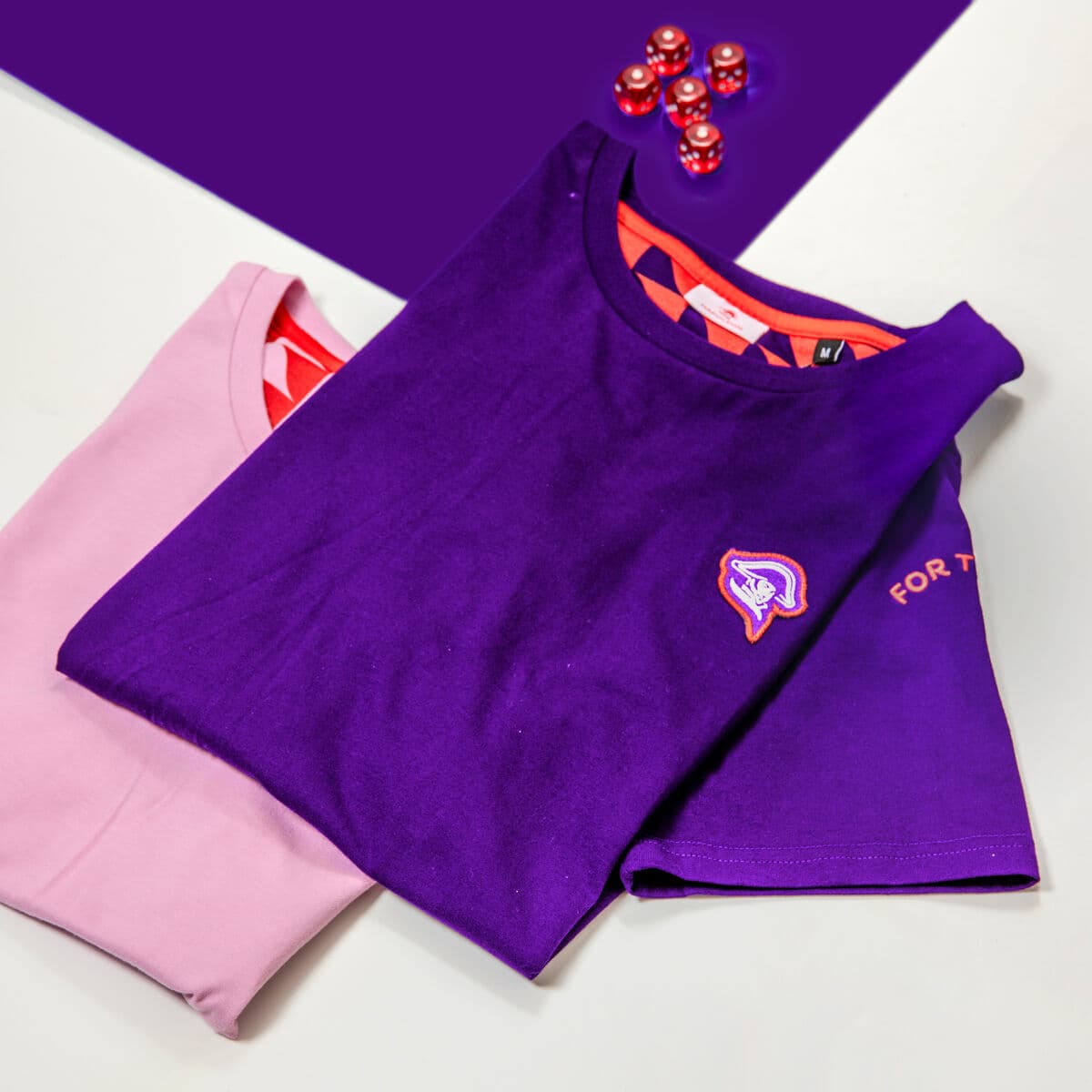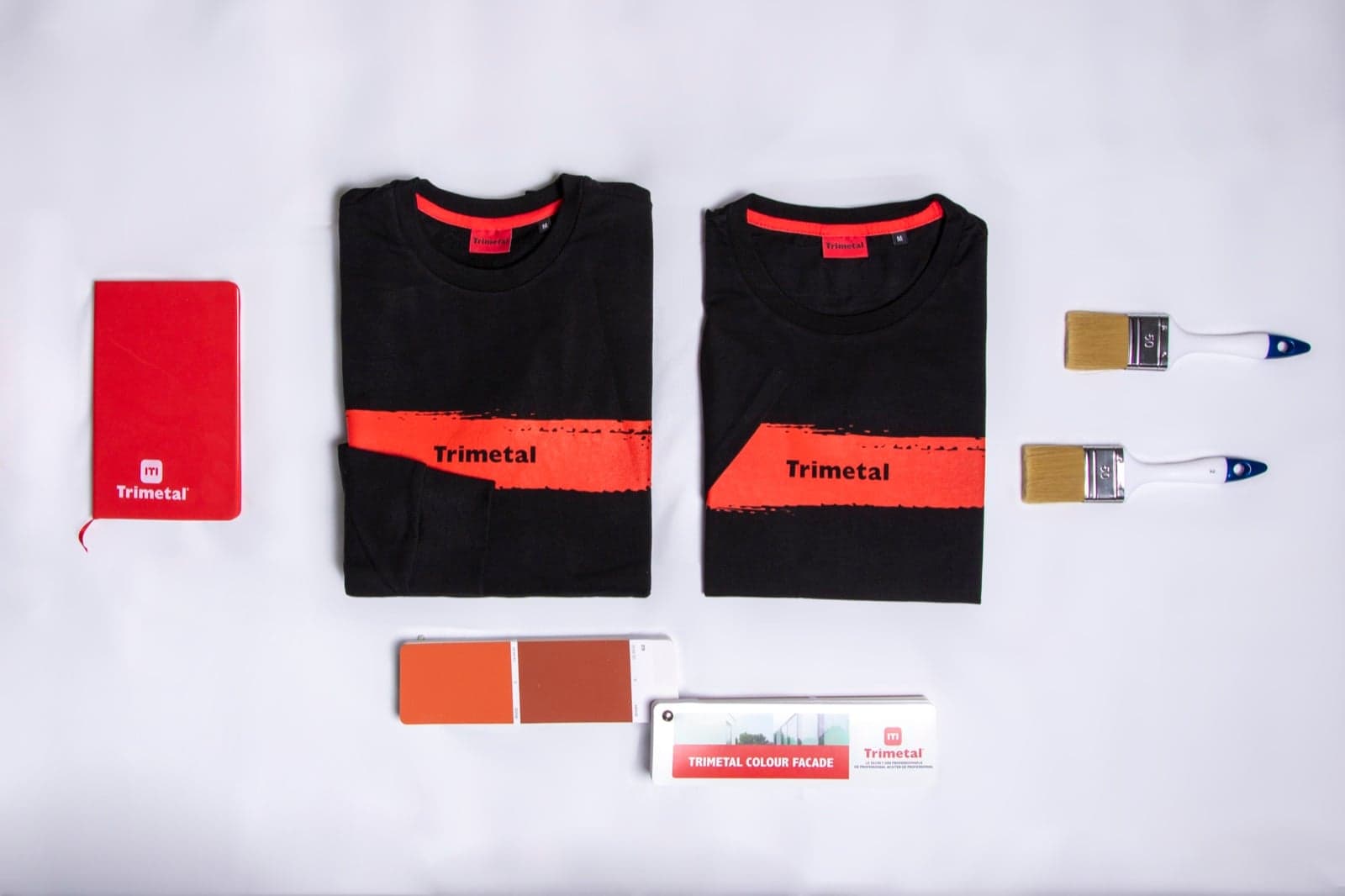
Every enterprise I talk to buys merchandise the same way it buys everything else: shortlist three vendors, request three quotes, pick the lowest price per unit. It feels responsible. In my opinion, it is exactly wrong, and it is quietly costing these companies far more than the cents they saved on a t-shirt.
Here's the part procurement doesn't like to hear: merch isn't a category with its own strategy. It's tail spend. And tail spend needs a completely different buying strategy than the one almost every company defaults to.
What tail spend actually is
Procurement teams already use this term, even when merch never comes up in the conversation. Tail spend is the long list of small, scattered purchases that make up the majority of an organization's transactions but only a fraction of its total spend value. It has no dedicated category manager, no annual RFP cycle, no seat at the vendor negotiation table. It just happens, in dozens of small pockets, all year long.
Merch sits deep inside that tail. HR orders onboarding kits. Marketing orders event swag. Sales orders client gifts. A regional office orders its own hoodies because nobody told it not to. Each order is tiny. Add it up across a five-thousand-person company and it is easily a few hundred thousand euros a year, spread across dozens of teams that never talk to each other.
Why "buy it like your biggest spend" doesn't work
Compare merch to something like your company car fleet or your core SaaS stack. That kind of spend is concentrated: one contract, one negotiation, one vendor, huge volume. When spend is that concentrated, price discipline is exactly the right instinct. Every euro shaved off the unit price gets multiplied by thousands of units or dozens of renewals. Full control and full price focus make sense, because the position you negotiate from is real and the savings compound.
The real cost isn't the price tag. It's the hours.
This is the part that gets missed almost everywhere. The waste in tail spend rarely lives in the product price. It lives in the friction of managing it in a hundred places at once: a marketer building artwork in a generic design tool because there's no brand template, a regional lead emailing three suppliers for quotes, someone chasing a minimum order quantity, finance reconciling a dozen separate invoices for the same quarter, a vendor mixing up sizes, a reorder that takes six weeks because nobody owns the relationship.
None of that shows up on a price sheet. All of it shows up in hours that enterprises never measure, because nobody tracks "time spent managing merch" as a line item. They should.
| Dimension | Core spend (fleet, SaaS, real estate) | Tail spend (merch) |
|---|---|---|
| Volume per purchase | Large and concentrated | Small and scattered across teams |
| Vendor relationship | Long-term, heavily negotiated | One-off, ad hoc, repeated per team |
| What actually moves the total cost | Unit price | Process, admin time and rework |
| Right buying strategy | Full control, full price focus | One consolidated, self-serve system |
Proof: two companies that stopped optimizing for unit price
Zalando
Consolidated platform 15% cost reductionZalando's merch admin time dropped from 40 hours a month to 40 minutes, total cost fell 15%, and lead times went from weeks to five days. None of that came from renegotiating unit prices. It came from replacing a dozen scattered processes with one platform.
HubSpot
60% shipping cost cut 5 weeks to 2 daysHubSpot cut shipping costs by 60% and delivery time from five weeks to two days the same way: not by squeezing a supplier on price, but by removing the operational chaos of managing merch logistics themselves.
The controversial part
So here's the opinion that tends to ruffle procurement feathers: stop optimizing merch RFPs for unit price. Market-conform pricing is table stakes, not a differentiator, and any credible vendor lands in the same ballpark. The variable that actually moves the number is which vendor has the infrastructure to run the entire buying behavior for you: self-serve ordering so teams don't need to email anyone, one brand-controlled template so nobody freelances a logo file, consolidated invoicing instead of a dozen separate ones, and global fulfillment so a hoodie ordered from Singapore doesn't ship from a warehouse in Rotterdam.
Pick that vendor over the one that's four percent cheaper per unit, and you won't just save more money. You get months of your teams' time back, and you stop finding out about brand-guideline violations after the merch has already shipped.
What this means for buyers and marketers
- Change the scorecard. Ask less about price per piece and more about how much of the process disappears once you sign.
- Count the hands. How many people currently touch a merch order from request to delivery, and how many will touch it after?
- Check the paper trail. Is there one system of record, or will finance still be matching invoices from six suppliers next quarter?
- Protect the brand automatically. A platform that enforces your brand guidelines is worth more than a five percent discount, because the two hours you spend fixing an off-brand mockup are the real cost of the "cheaper" vendor.
Merch will never be your biggest line item, and it shouldn't be managed like it is. It should be managed like what it actually is: a distributed, high-friction, low-margin-of-error tail spend category, where the money isn't in the price of the product. It's in never having to think about it again.
About this article
Stop running merch like a hundred small RFPs
One platform for ordering, brand control, production and global shipping, so your teams stop spending their week on logistics. Create a free account to see how it works.
Build this with Sunday