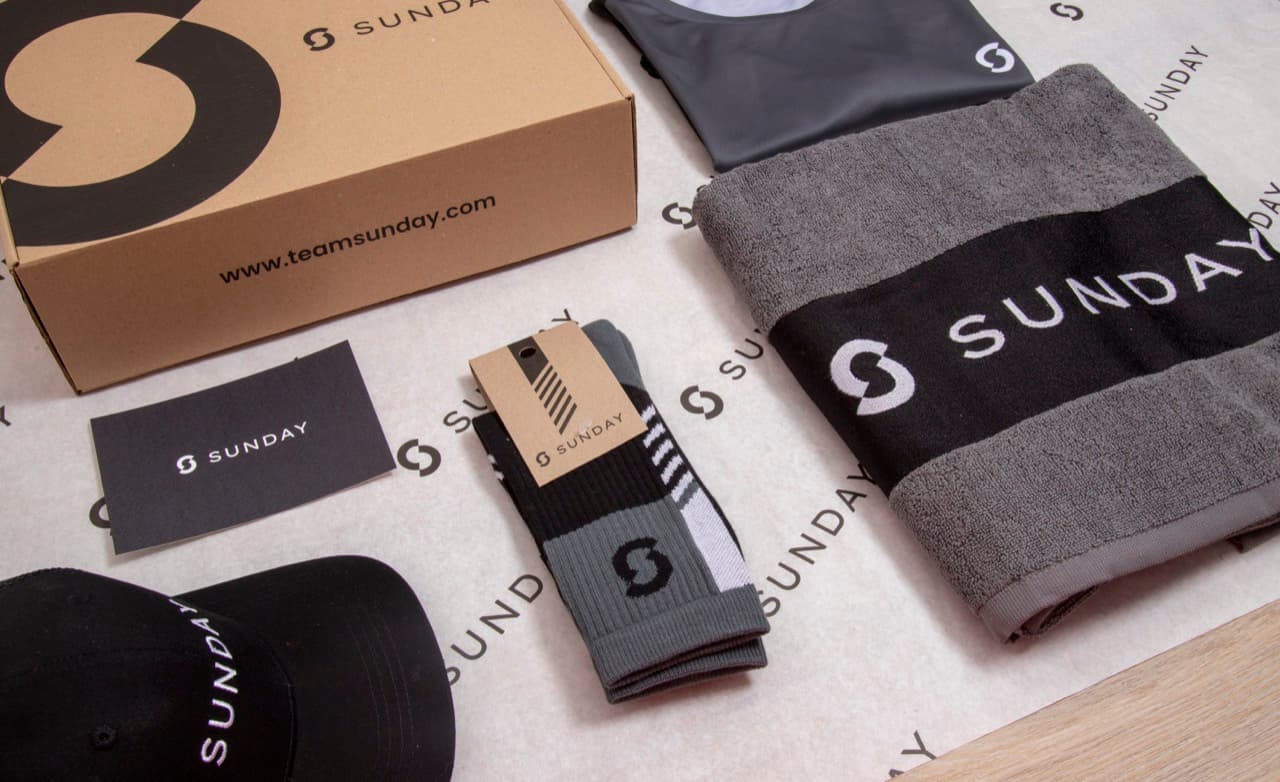

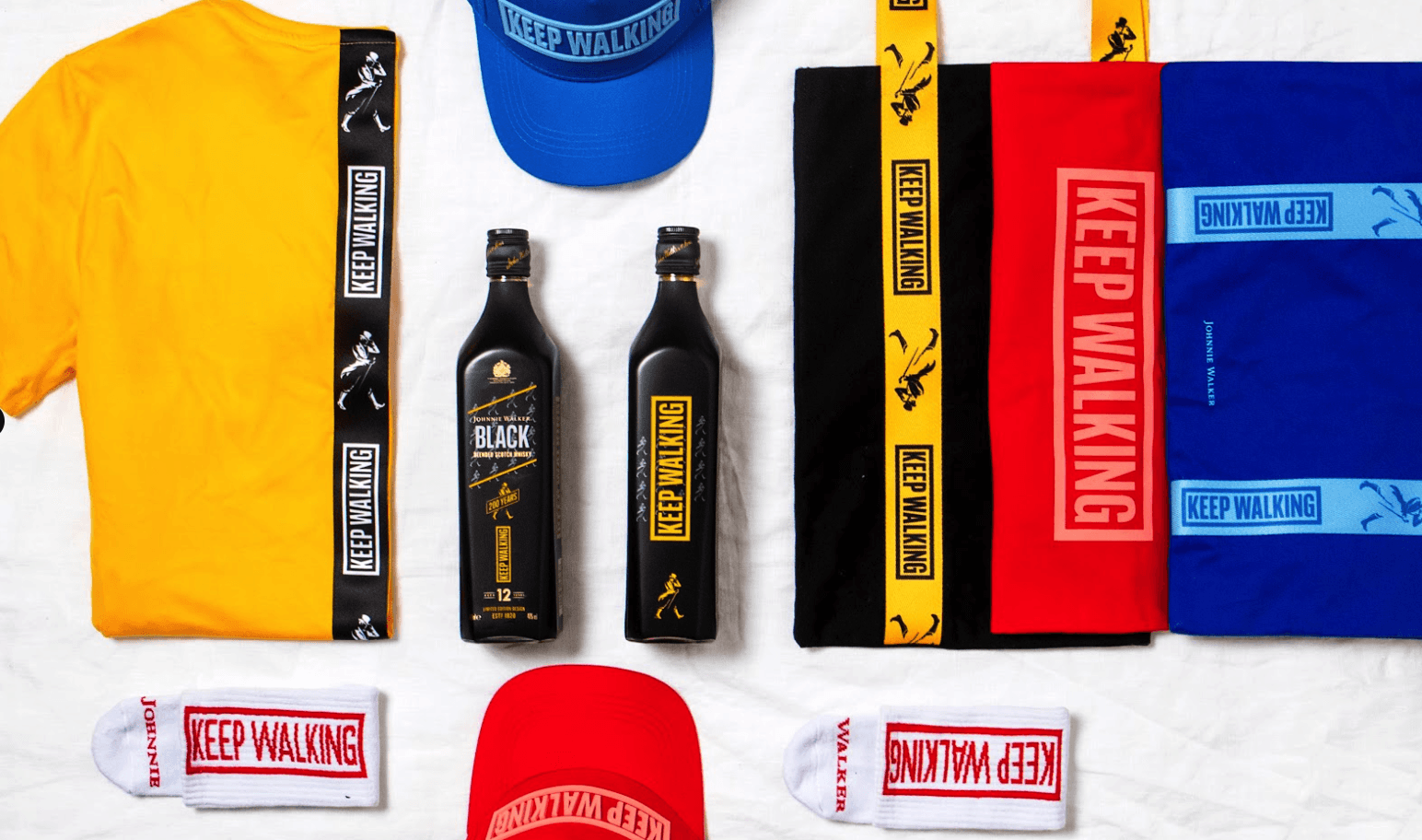


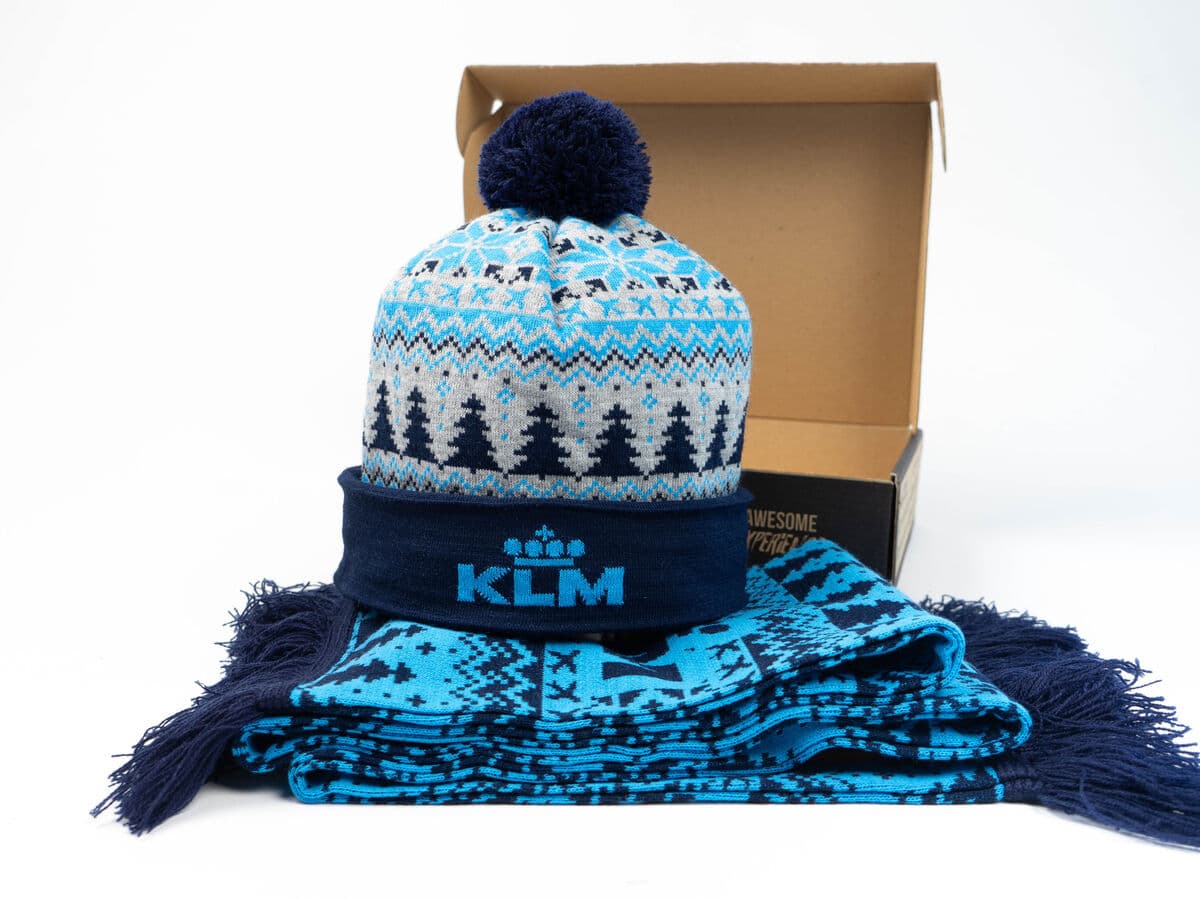
A partner onboarding kit is a physical welcome package for a new reseller, distributor, agency, installer or affiliate. The message is not "welcome to the team" but "welcome to the ecosystem". A good kit pairs useful branded products, such as a backpack, apparel and a desk item, with enablement materials and a clear next step. Trigger it at the moment the partner becomes meaningfully active, tier it by partner value, and automate the fulfilment. Below are the questions channel teams ask most.
Partner onboarding kits win on activation and mindshare, not on head-term search volume. Your partner often carries several vendors, and a premium, useful kit buys attention in a crowded bag. This FAQ pulls together contents, timing, tiering, automation and measurement. For the full strategy, read the complete partner onboarding kits guide. To build and ship one, look at the Sunday platform and distribution.
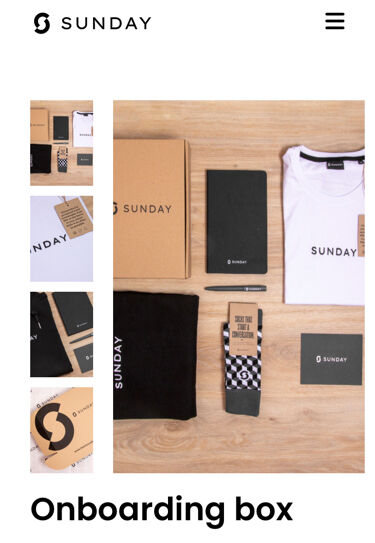
A strong kit pairs useful, premium products with enablement materials and a clear next step, so the box activates the partner rather than just thanking them.
A backpack is one of the strongest anchor items for a partner kit, because it travels with the recipient and gets used for years. Browse the custom backpacks range and preview a design with the free backpack mockup generator. For how it all ships across regions, read how it works.
Partner onboarding kits: questions answered
What is a partner onboarding kit?
A partner onboarding kit is a physical welcome package sent to a new reseller, distributor, agency, installer or affiliate when they join your partner program. It combines useful branded products with enablement materials and a personal welcome note. The message is "welcome to the ecosystem": you are now one of the people representing and growing this brand. Its job is to create belonging, support enablement and accelerate the partner becoming active.
What should you include in a partner onboarding kit?
Include a useful desk item that stays visible, a backpack for commuters and travellers, apparel, and often a bottle, notebook or charging product. Crucially, add enablement materials: product information, program benefits, key contacts, sales enablement, academy or certification links and a clear next action. Every shipment is a chance to educate and activate, so pair the merch with the information the partner needs to get moving.
How is a partner kit different from a new-hire kit?
The products can overlap, a backpack, apparel, a bottle, a desk item, but the communication is different. An employee kit says you are joining the internal team, culture and role. A partner kit says you are joining the ecosystem, becoming an ambassador, representing the product and growing together. The packaging, card and enablement information should reflect that shift from internal team to commercial partner.
When should a partner onboarding kit be sent?
Send it at the moment the partner becomes meaningfully active, which is not always the contract date. Common triggers are a signed agreement, completed self-service registration, certification, a first deal or a first installation, and tier upgrades. Pick the milestone you most want to reinforce. Some programs send a starter kit at signing and a second reward after the first successful deal or install.
How do you tier partner onboarding kits?
Tier by partner type, size, revenue potential, strategic importance, market, certification status and integration level. Tiering affects product quantity and value, customisation, co-branding, the number of employee kits and partner-store access. The goal is a kit standardised enough to scale but tailored to the partner's value, so a small partner gets fewer items and a large, strategic partner gets a richer, co-branded package.
Is co-branding a partner kit worth it?
Yes, for higher tiers and meaningful volume, where the vendor funds it and the partner earns it. Co-branding works as a reward and a status signal, not an admin burden for everyone. Standardise the logo position, maximum dimensions, approved colours and products and production rules, so you run one global collection localised for selected partners rather than bespoke artwork for each one.
How do you automate partner kit fulfilment?
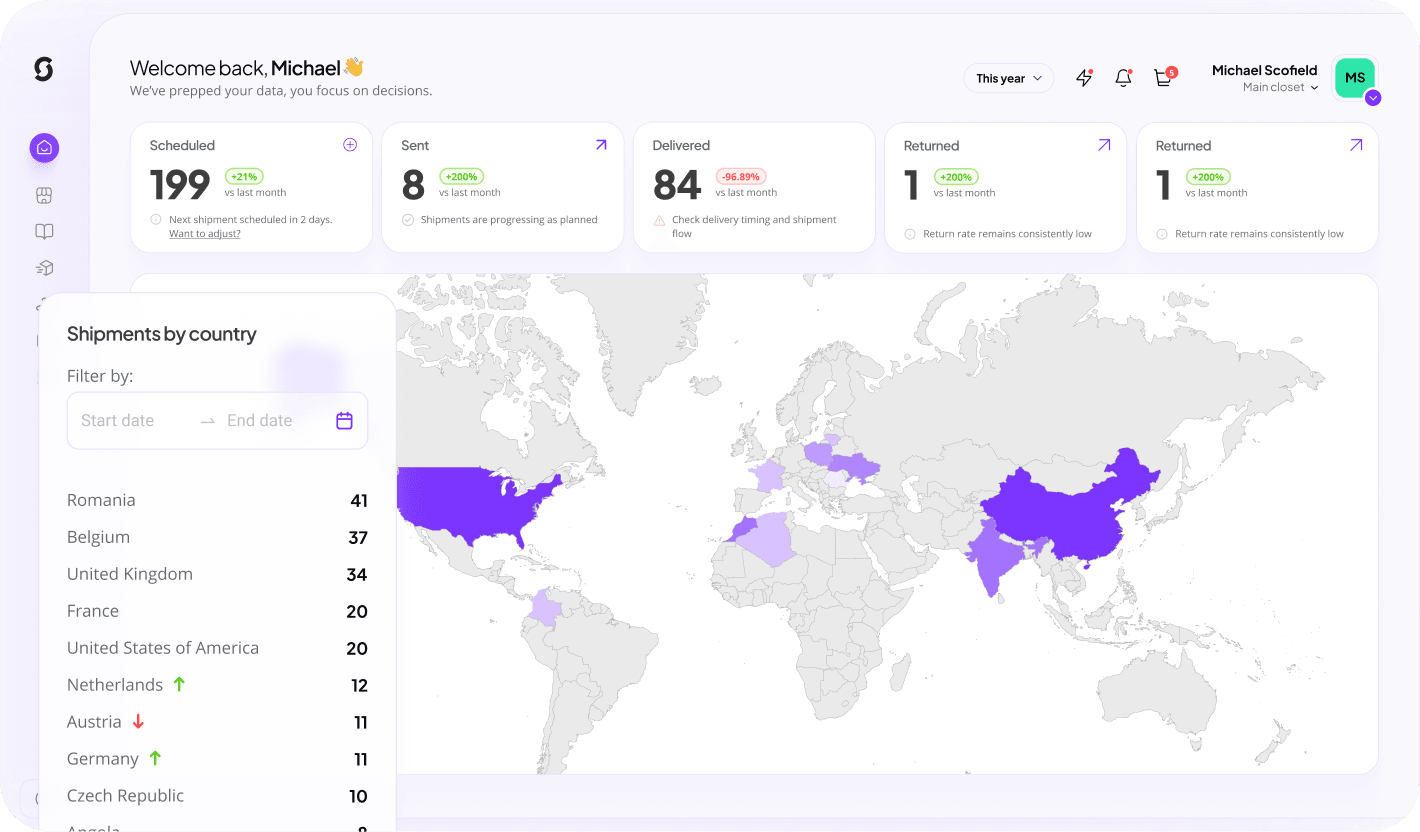
Connect your CRM or PRM so kit triggers fire on objective data: status, agreement date, certification, employee count, tier and first-deal date. There are two models. Fully automatic sends an invitation or package on an objective trigger, ideal for registrations, online certification and standard signings. One-button approval lets a manager press a single button to trigger the email, address collection, product and shipment. Automate the admin, not the relationship decision.
How do redeem pages work for partner kits?
A redeem page is ideal because the vendor often lacks the recipient's details. The partner opens a personalised page and enters their name, address, company, partner type, and product choice, size or variant. You can add partner branding, co-branding, enablement information, a welcome message and the next step. It solves the biggest practical problem in partner shipping: missing and outdated addresses and unknown sizes.
When should you outsource partner kit distribution?
Past roughly 25 active partners, external distribution becomes valuable, and it is essential once you have multiple countries, recurring shipments, tiers, co-branding, bulk boxes, certification triggers or hundreds of partners. The hard part is rarely the courier; it is missing addresses, size and product collection, bulk shipments, customs and duties, tracking and chasing forgotten partners. At scale, packing boxes becomes a multi-person internal job. Build relationships instead.
How do you measure whether a partner kit worked?
Measure against the objective, not the gesture. Useful metrics include time to first deal, activation rate, certification completion, first-install speed, engagement, churn, active partner employees, revenue ramp, merch redemption and tier progression. A reseller program watches time to first deal; an installer program watches certification and first-install speed; a distributor watches employee activation and local growth. The kit should support a business outcome you can track.
How much should you budget for a partner onboarding kit?
Set the budget against the partner's commercial value: the deal value, expected partner revenue, margin, size, local-market opportunity, commitment and strategic importance. Treat it as a percentage of the partner's marketing or commercial value rather than a flat cost. Unlike cashback, merch adds value beyond the recipient, through local brand awareness, visibility at the partner's own customers, and equipping the partner's employees.
Does a physical kit actually improve partner activation?
Used well, yes. A premium, useful kit tied to a real trigger creates belonging and buys mindshare with a partner who carries several vendors, which supports faster activation. The kit does not replace enablement; it anchors it. The strongest programs pair the physical box with a guided first-weeks journey and clear next steps, then measure activation to confirm the kit is doing its job rather than just being a nice gesture.
Keep reading: partner onboarding kits
Build a partner onboarding kit in 30 seconds
Design the kit, add co-branding for your top tiers, and let Sunday collect addresses and ship it across regions automatically.
Build this campaign