
Recycled custom aprons exist, and they are a sensible option, but sustainability is not the first thing most buyers should chase. The single most important eco decision with an apron is durability: a well-made apron that gets used and washed for years beats a superficially "sustainable" one that performs poorly and is quickly replaced. Choose for quality, washability and design first, then pick recycled materials such as denim, recycled PU leather or organic cotton where they fit, and avoid overclaiming.
Materials and sustainability are not the primary decision factor for an apron. Buyers care most about durability, quality, design and washability, and that is the right order. The good news is that the most durable apron is usually also the more sustainable one, because it lasts. This guide covers the eco materials worth knowing, where recycled options make sense, and how to talk about it without greenwashing. Browse the range on the custom aprons page or in the catalog.
Durability is the real sustainability story
The most sustainable apron is the one people actually use, for a long time. An apron that survives frequent hot washing, strong straps intact, fabric still structured, decoration still sharp, does its job for years. A cheap apron that frays, fades or falls apart gets binned and replaced, which is worse on every measure including the environmental one. So the durability checklist and the sustainability checklist are mostly the same list.
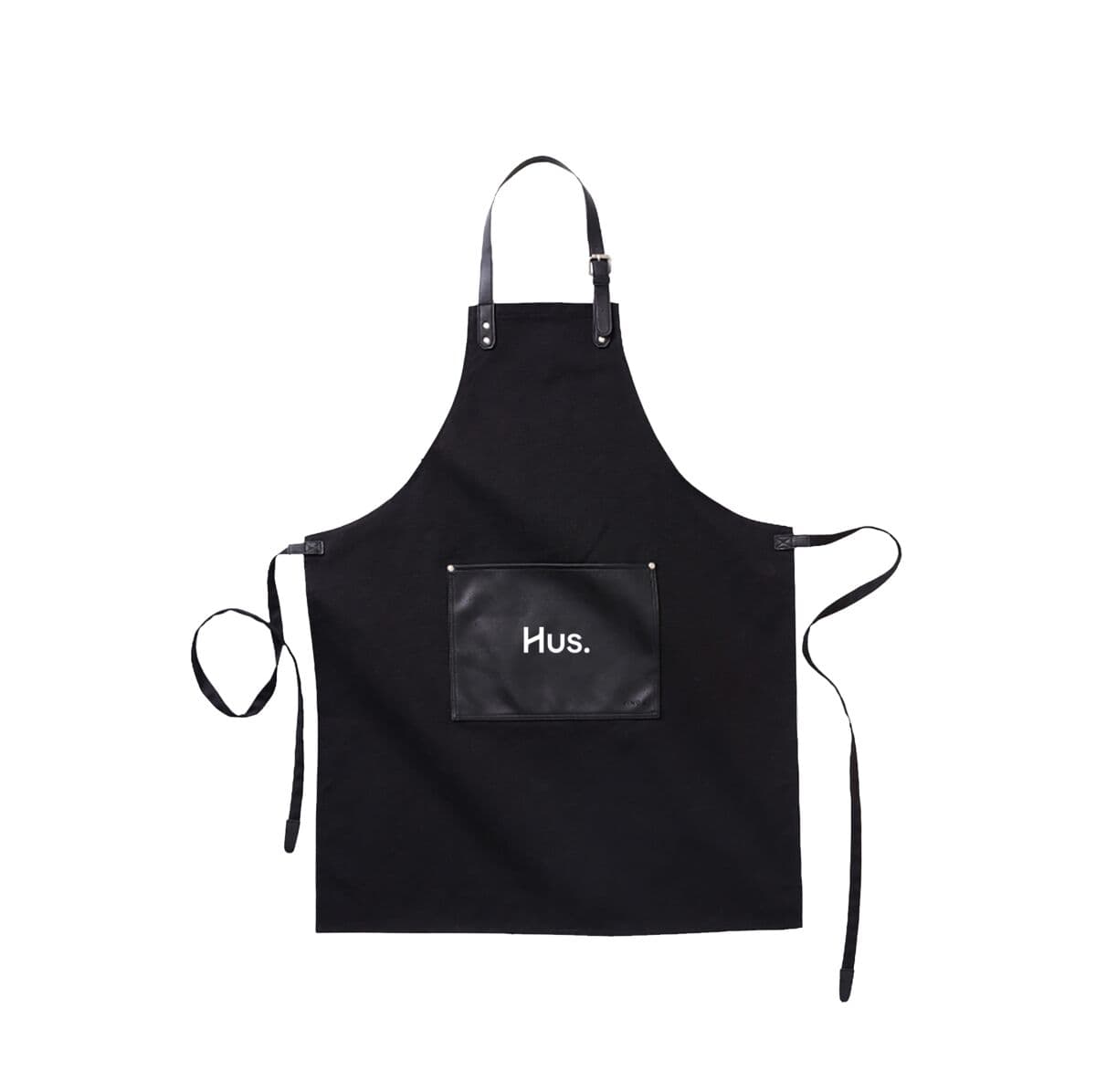
This is why the strap test, the fabric weight and the decoration choice covered in our printing vs embroidery guide matter here too. Embroidery and leather labels survive demanding conditions, so the apron keeps looking good and stays in use. A durable, used apron is the credible sustainability win.
A sturdy, well-built apron stays in use for years. Durability is the most credible sustainability decision you can make.
The eco materials worth knowing
Several materials give you a genuine sustainability angle without sacrificing the durability that makes an apron worth owning.
| Material | Why it stands out | Best for |
|---|---|---|
| Denim | Strong, full of character, wears in rather than out over time | BBQ, craft, gifting and premium hospitality aprons |
| Recycled PU leather | A leather look without traditional leather | Premium gifting and barista aprons |
| Organic cotton / recycled fabrics | A relevant eco story for brands that prioritise it | Brands with a clear sustainability position |
Denim is a standout because it is strong and ages well, which is exactly the durability point. Recycled PU leather gives the premium leather aesthetic many gifting aprons want, without traditional leather. Organic cotton and recycled fabrics are relevant for brands that genuinely prioritise sustainability, and worth choosing when that is part of your story.
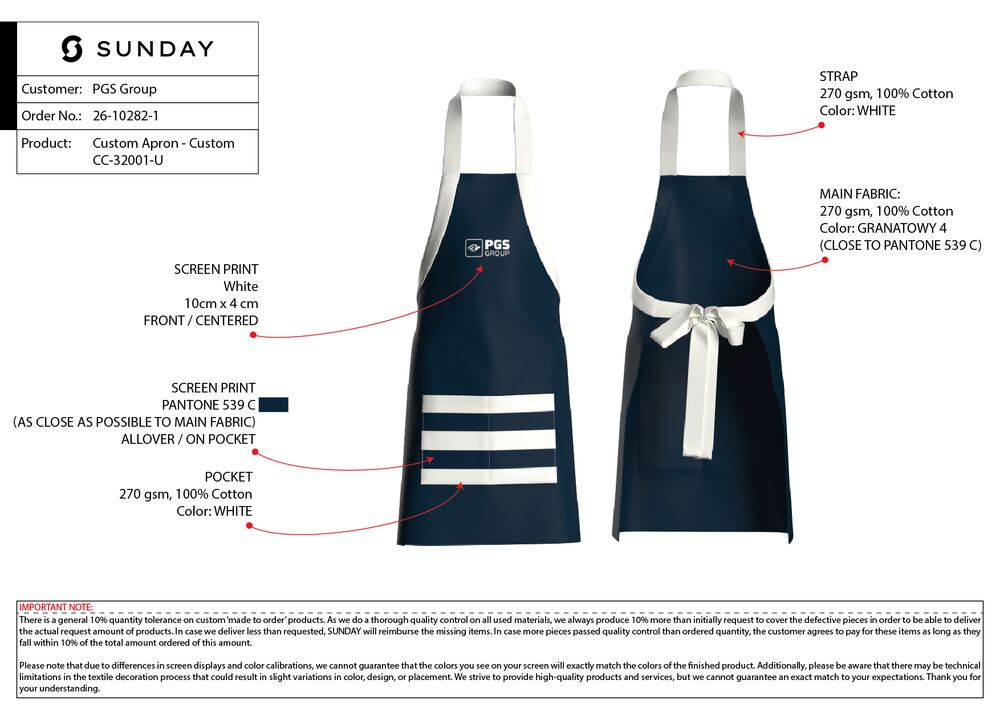
Recycled fabrics and recycled PU leather give a real eco angle. Choose them where they fit the brand, and let the apron's durability carry the claim.
How to talk about it without overclaiming
The fastest way to lose credibility is to exaggerate the sustainability story. Don't dress up a standard apron as a planet-saver. Be specific about the material, point to durability as the real lever, and only make claims you can back. Where you have certifications or recycled content, state them plainly. Where you don't, lead with quality and longevity, which is an honest and genuinely greener position.
- Lead with durability and washability, the real reason an apron lasts.
- Name the material honestly: denim, recycled PU leather, organic or recycled cotton.
- State certifications or recycled content where you have them, and skip the vague claims where you don't.
- Choose embroidery or a leather label so the apron stays in use, not in a drawer.
- Order well, store and ship efficiently rather than over-producing. See distribution.
For more on running an efficient, low-waste apron order, read how it works for forecasting and storing stock instead of over-ordering.
Keep reading: custom aprons
Design a durable apron in 30 seconds
Pick a denim or recycled material, drop in your logo, choose embroidery or a leather label, and preview a real mockup before you order.
Get free designs