
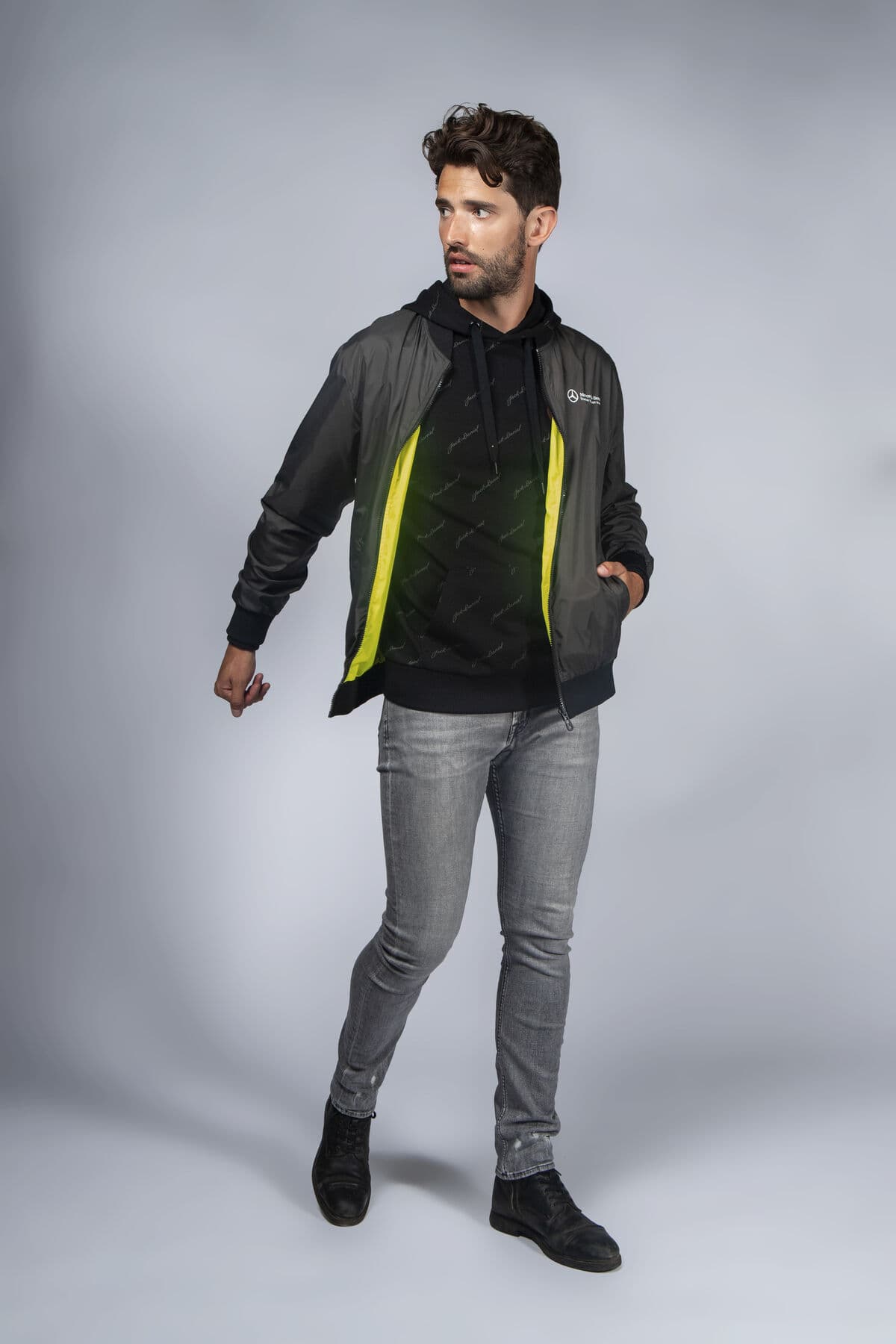
A recycled custom jacket uses recycled materials, most often recycled polyester from post-consumer plastic, in the shell, the lining or the insulation. The credible options are backed by certifications like the Global Recycled Standard, bluesign and PFC-free finishes. But the biggest sustainability lever is durability: a well-made jacket worn for years beats a recycled one thrown away after a season.
What makes a custom jacket sustainable
Sustainability in a jacket is not one thing. It is a stack of decisions about materials, finishes, durability and how the garment is used. Get the stack right and the jacket is genuinely better, not just marketed that way.
- Recycled materials. Recycled polyester, often made from post-consumer plastic bottles, is the most common eco option for shells, linings and padding. Recycled synthetic insulation is the sustainable counterpart to virgin fill.
- Cleaner finishes. PFC-free water-repellent treatments avoid the most harmful chemistry while still shedding rain.
- Durability. A strong zipper, clean stitching and quality fabric keep the jacket in use for years. The longer it is worn, the lower its real footprint.
- Restraint. A timeless jacket with subtle branding stays in rotation. A loud, dated promo jacket gets retired fast, which is the opposite of sustainable.
Recycled materials, explained
Most of the eco choice in a jacket comes down to what the fabric and fill are made of. Here is what the common terms actually mean.
| Material | What it is | Where it shows up |
|---|---|---|
| Recycled polyester (rPET) | Polyester spun from recycled plastic, often bottles | Shells, linings, softshell faces |
| Recycled synthetic insulation | Padding made from recycled fibres | Puffers and bodywarmers, as the synthetic-down alternative |
| Recycled nylon | Nylon reclaimed from waste streams | Technical and weather-facing shells |
| PFC-free DWR | A water-repellent finish without per- and polyfluorinated chemicals | Any weather-resistant outer layer |
On puffers, recycled synthetic insulation doubles as the practical choice. High-quality synthetic fill performs close to real down at a more realistic price, and a recycled version adds the eco credential without a performance penalty for most corporate use.
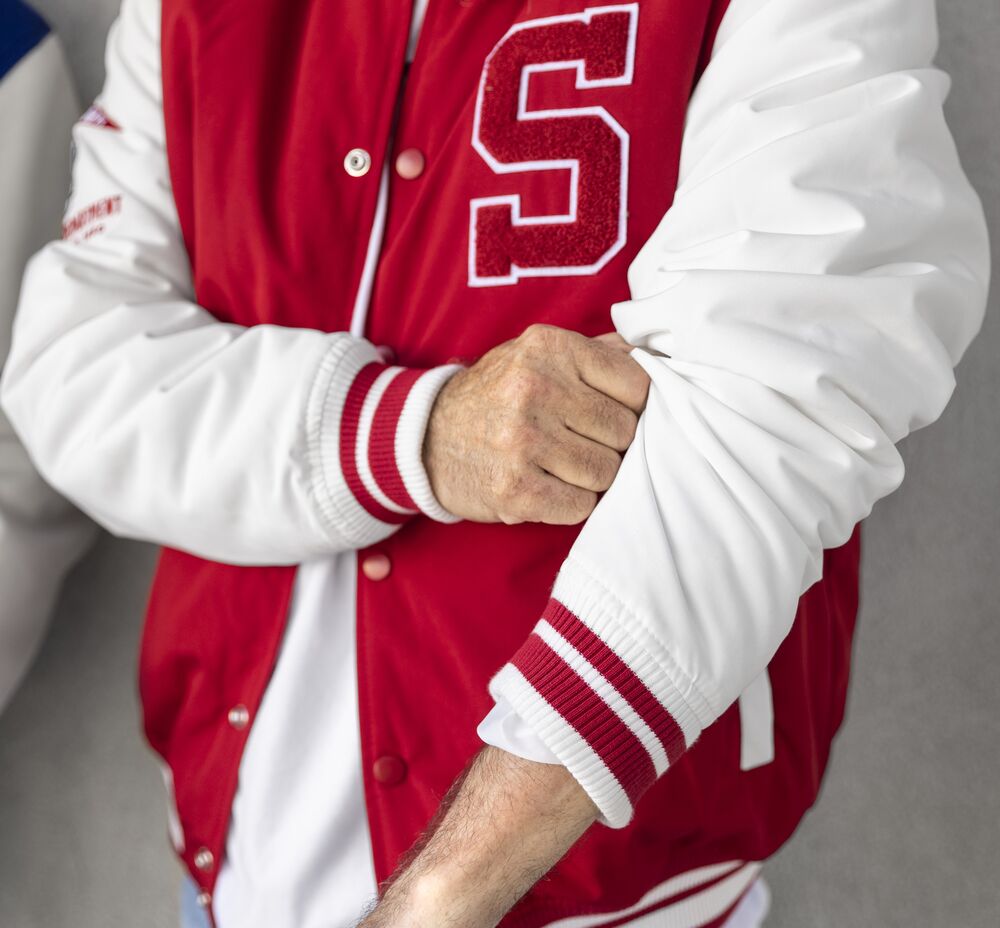
The most sustainable jacket is the one worn the longest. Material choice matters, but durability matters more.
The certifications that prove it
Recycled claims are only as good as the proof behind them. A few certifications do the heavy lifting, and it is worth asking for them by name.
- Global Recycled Standard (GRS): verifies recycled content and tracks it through the supply chain, with social and environmental criteria attached.
- bluesign: screens the inputs and the manufacturing process for chemical safety and resource use.
- OEKO-TEX: tests textiles for harmful substances.
- PFC-free: confirms the water-repellent finish avoids the most persistent chemistry.
Brand it so it gets worn for years
The sustainability of a jacket is decided as much by design as by material. A jacket people genuinely want to wear stays out of the cupboard, and that is where the footprint actually drops.
- Keep branding subtle. A small, clean chest embroidery ages far better than a large back logo.
- Choose a timeless type and colour. A classic softshell or bodywarmer outlasts a trend-led piece.
- Match the spec to the climate so the jacket is useful, not redundant.
- Use durable decoration. Embroidery lasts the life of the garment.
To browse recycled and standard options together, see the custom jackets range and the full catalog. To preview an eco jacket in your colours before you order, use the free jacket mockup generator, and see how it works.
Keep reading: custom jackets
See a recycled jacket in your brand
Preview an eco jacket in your colours with live pricing in 30 seconds, then order a run built to last.
Get free designs