Short answer: no. Estonia has no general tax-free allowance for gifts an employer gives an employee, not for a birthday, not for a holiday, not for a work anniversary, and not for a small branded item worth a few euros. Every non-cash gift or benefit is, by default, a taxable "erisoodustus" (fringe benefit) under the Income Tax Act (Tulumaksuseadus, TuMS) §48, and the tax is charged to the employer, not deducted from the employee's payslip. There are a few narrow, specifically enumerated exceptions (health and sport benefits, employer housing), but none of them is a "gift allowance," and none of them covers a branded mug, a hoodie, or a bottle of wine. This article lays out exactly how the rules work, where the real exceptions sit, and how the much friendlier client-gift regime differs.
Why almost every employee gift is taxed, at the employer
Under TuMS §48, any benefit an employer provides to an employee in a form other than money, goods, services, discounts, or anything else with a monetary value, counts as erisoodustus if it isn't part of the employee's ordinary taxable wage. This is a broad definition on purpose. A branded jacket, a wellness hamper, a bottle of wine at Christmas, tickets to an event, a spa voucher: all of it falls under erisoodustus unless it matches one of the specific carve-outs described below. Value doesn't matter. A €5 keyring and a €500 watch are treated identically in principle; both are erisoodustus, just at different values.
What makes Estonia's approach distinctive is who pays. The tax obligation sits entirely with the employer, not the employee. The employee doesn't declare the gift as personal income and doesn't see a change in their take-home pay because of it. Instead, the employer calculates and remits two taxes on the value of the benefit:
- Income tax at 22/78 of the net value of the benefit (this "gross-up" fraction is how Estonia handles taxes that are borne by the payer rather than withheld from the recipient).
- Social tax at 33%, charged on the sum of the benefit's value and the income tax already calculated on it.
Worked through with round numbers: a gift with a net value of €100 triggers income tax of roughly €28.20 (100 × 22/78), then social tax of roughly €42.30 (33% of €128.20). Total tax due is around €70.50, on top of the €100 the gift itself cost. In other words, a company giving employees a plain €100 item is looking at a total cost near €170, not €100. That ratio holds roughly steady regardless of the item's price because the calculation is proportional.
These amounts are reported on the employer's TSD Annex 4 and are due the same way payroll taxes are, monthly. There's no minimum threshold below which erisoodustus stops applying, and no "occasional small gift" carve-out anywhere in the law.
The narrow exceptions: health, sport, and housing
Estonian tax law does recognize a small number of specific, closed-list benefits an employer can provide without triggering erisoodustus. It's worth being precise about what these are, because they get misread as a general "gift budget" more often than any other part of the rules. They aren't that.
Health and sport benefits, up to €400 per employee per year. This covers a defined list: gym or pool access, massage, and licensed dental, rehabilitation, psychology, physiotherapy, or nutrition counselling services, plus health insurance premiums. To qualify, the benefit must be offered on equal terms to all staff, not selectively to a few people. Sports gear, workout clothing, catering, and transport are explicitly excluded from this list, even though they might feel "health-adjacent." Buy someone running shoes and it's erisoodustus; pay their gym membership and it can fall inside the €400 exemption.
Employer-provided accommodation, up to €500 per month in Tallinn or Tartu, or €250 per month elsewhere in the country, can also be provided tax-free, subject to its own conditions under the same section of the law.
Neither of these is a gift rule. They exist because the legislator decided specific categories of employee wellbeing spending shouldn't be taxed as a benefit in kind, full stop. If what you're planning is a branded item, a hamper, or a seasonal present, these exemptions simply don't apply, no matter how you structure it.
One more distinction worth flagging: if a company gives cash, a bonus, a gift card top-up processed as pay, or any other form of money, that isn't erisoodustus at all. Cash is simply ordinary wage income to the employee, taxed through normal payroll income tax and social tax, the same as their salary. Erisoodustus only exists for benefits paid in a form other than money.
12 low-complication merchandise ideas
Given that any physical employee gift triggers erisoodustus regardless of value, the honest framing is this: there's no way to make a branded item "tax-free," so the goal becomes picking items where the cost, including the roughly 70% erisoodustus tax load on top, still stays modest and predictable, and where the employer treats that cost as a known, budgeted line rather than a surprise. Below are twelve options across a range of price points, from a coffee mug to a set of wireless headphones, so you can see how the total cost scales.
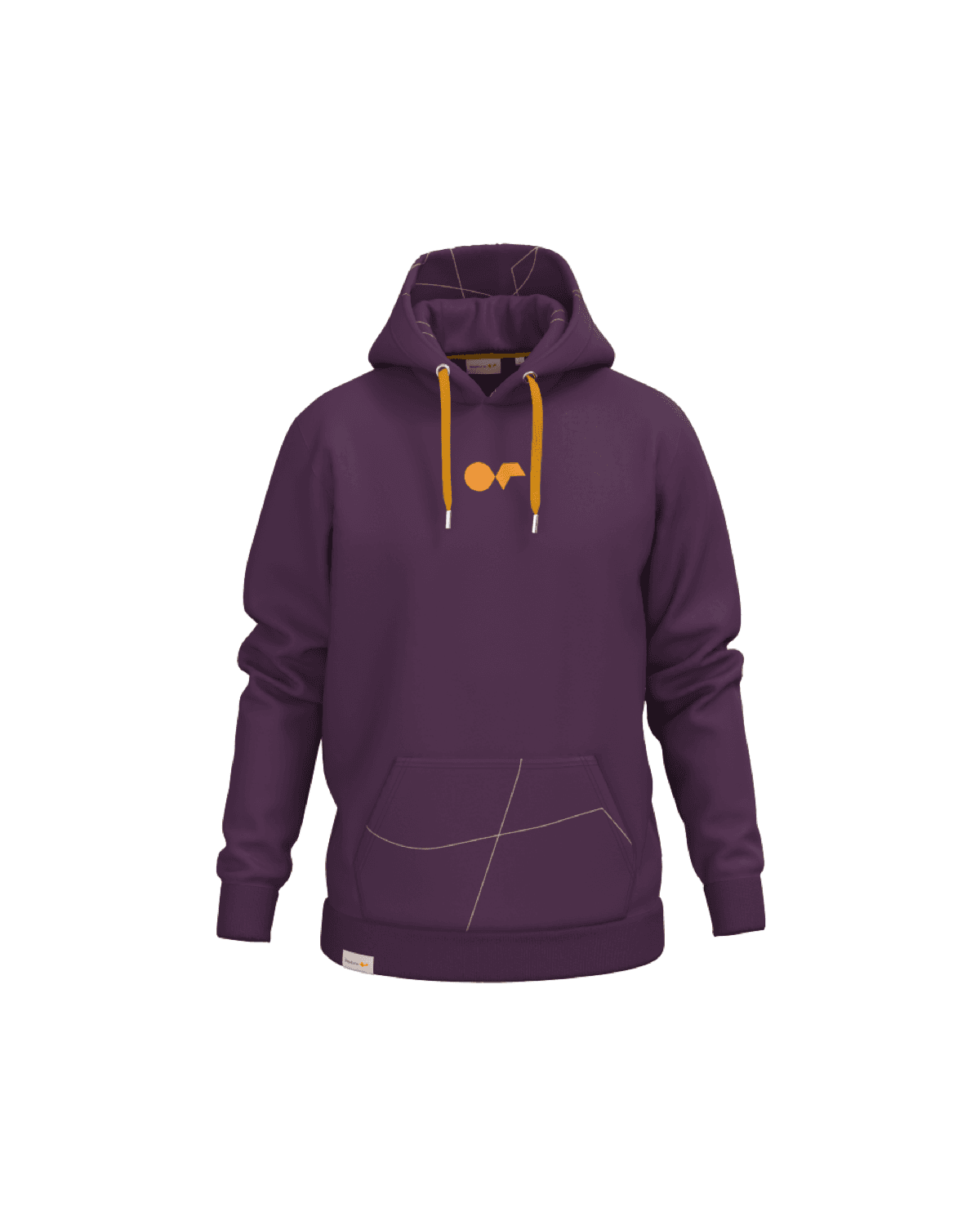
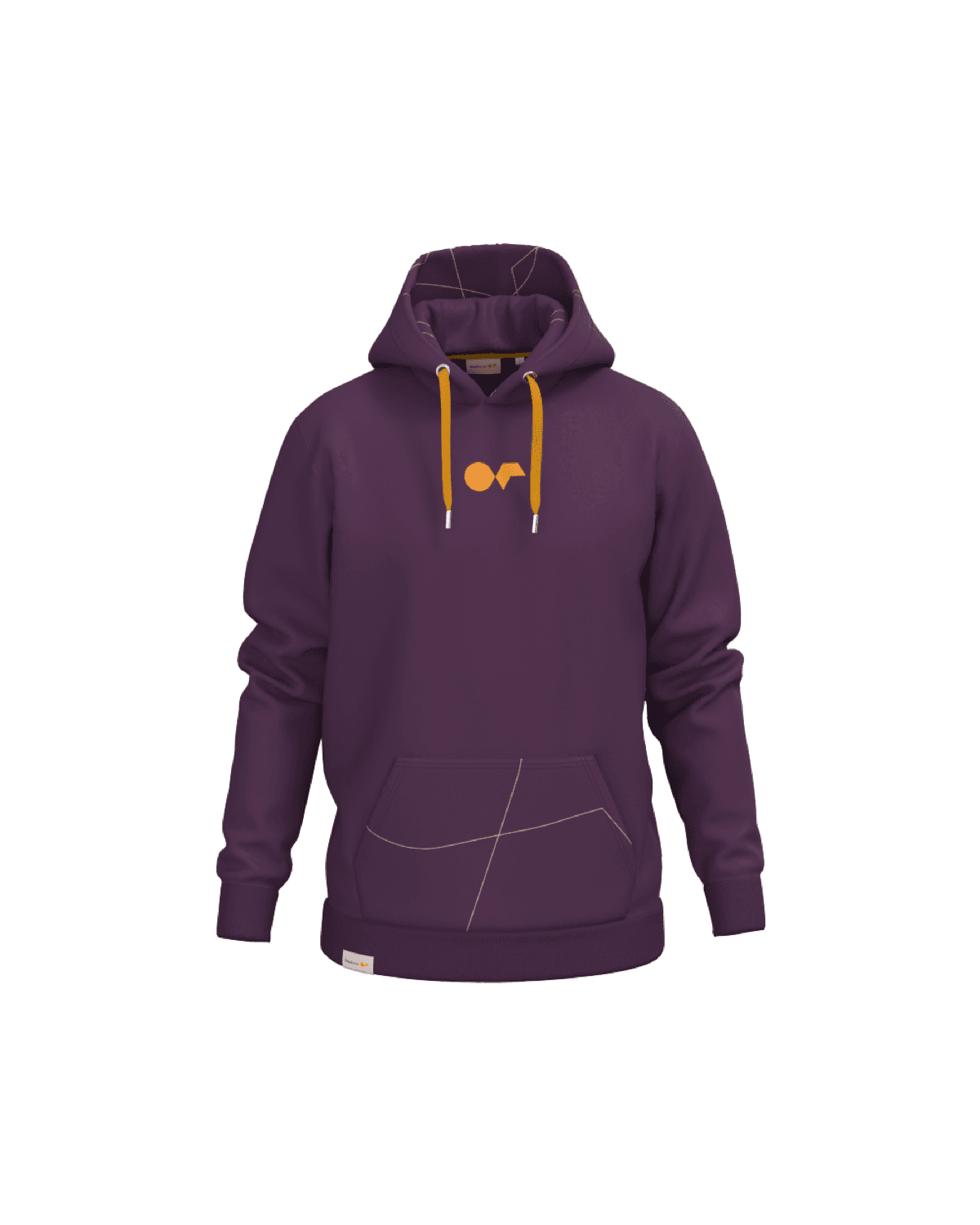
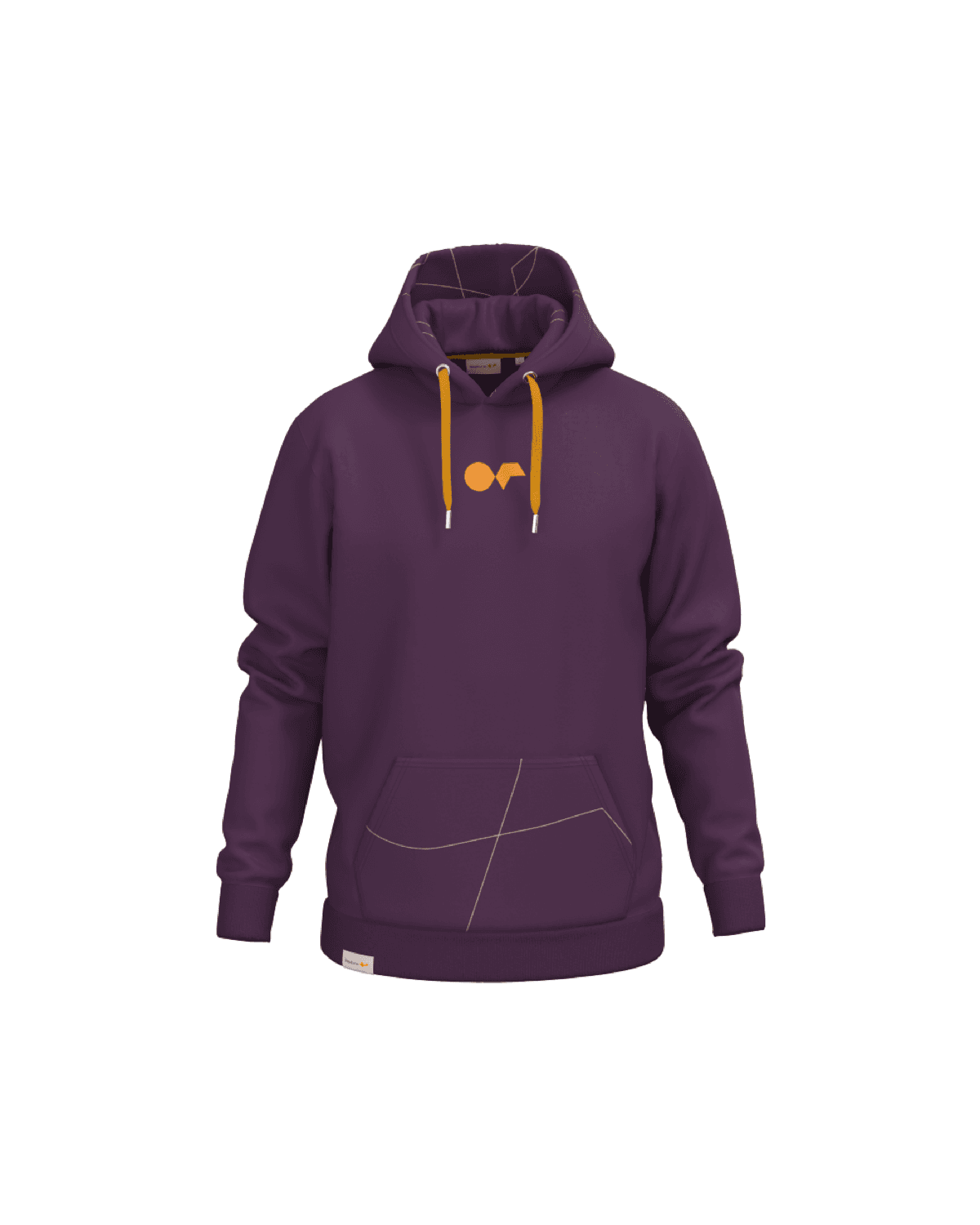
1. Hoodie: The Rex
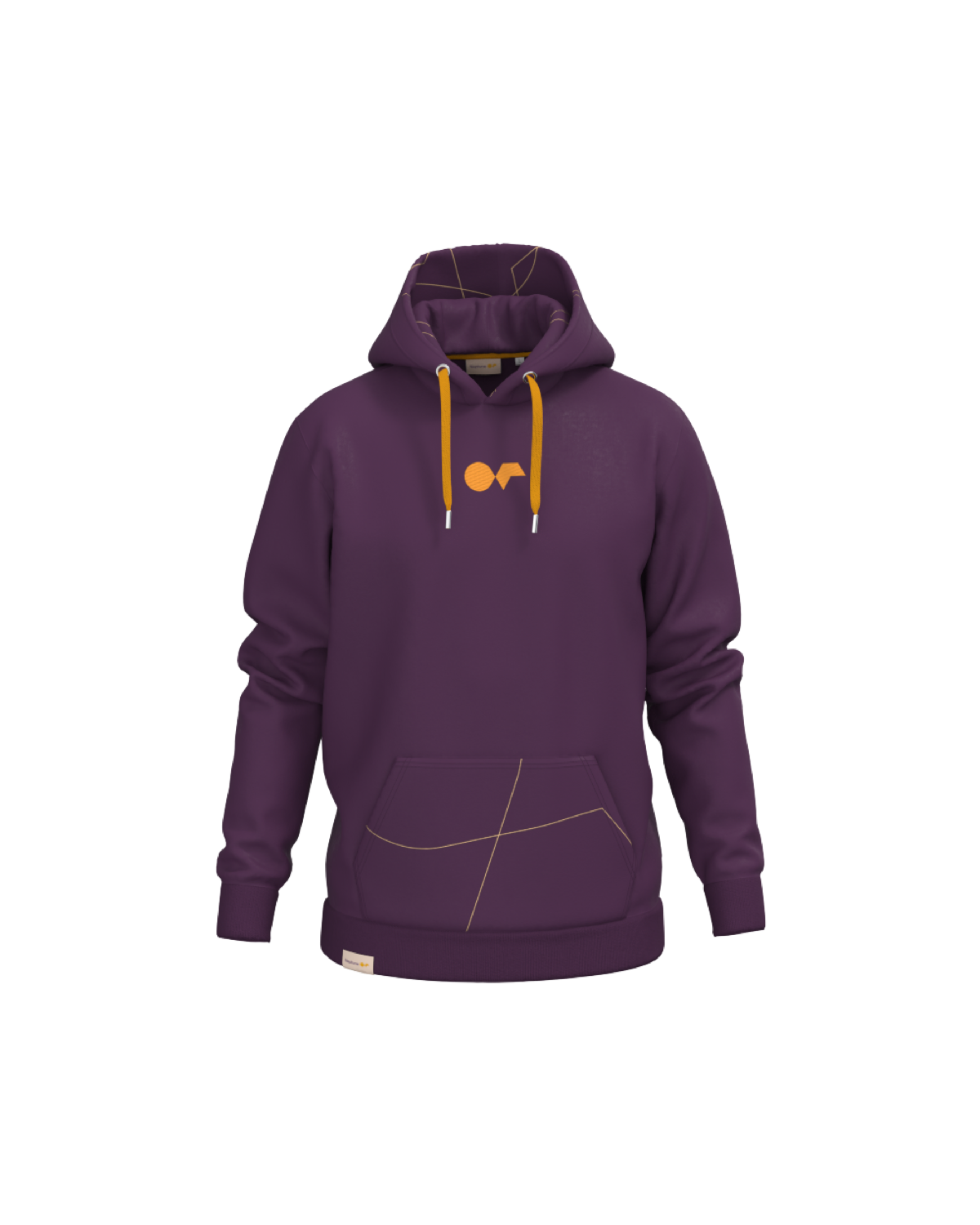
A heavier item like a hoodie carries a bigger erisoodustus bill in absolute terms, but it's also the gift employees notice and wear the most, which is a fair trade for a lot of HR teams planning a single flagship gift moment (a work anniversary, a new-hire welcome kit) rather than a frequent one.
- Material: Brushed cotton-poly fleece
- Branding: Embroidered logo on chest, print options on sleeve
- Order: MOQ 100 · from €40.09
2. Sports Socks
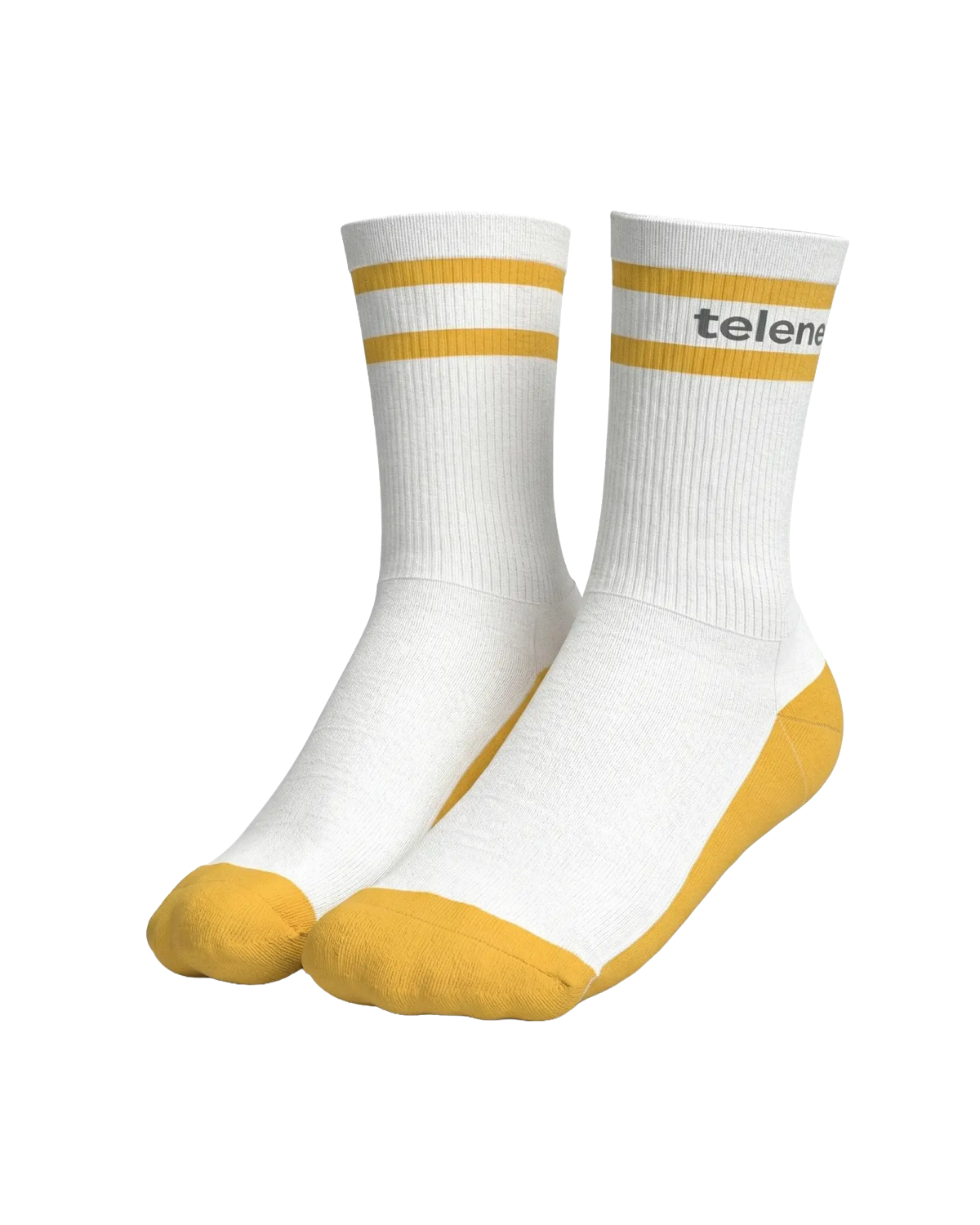
At the low end of the price scale, socks keep the total tax cost small in absolute euros even after the erisoodustus load, which makes them a sensible filler item in a bundle rather than a standalone gift.
- Material: Cotton-blend knit
- Branding: Woven logo on cuff
- Order: MOQ 100 · from €4.00
3. Recycled Steel Bottle
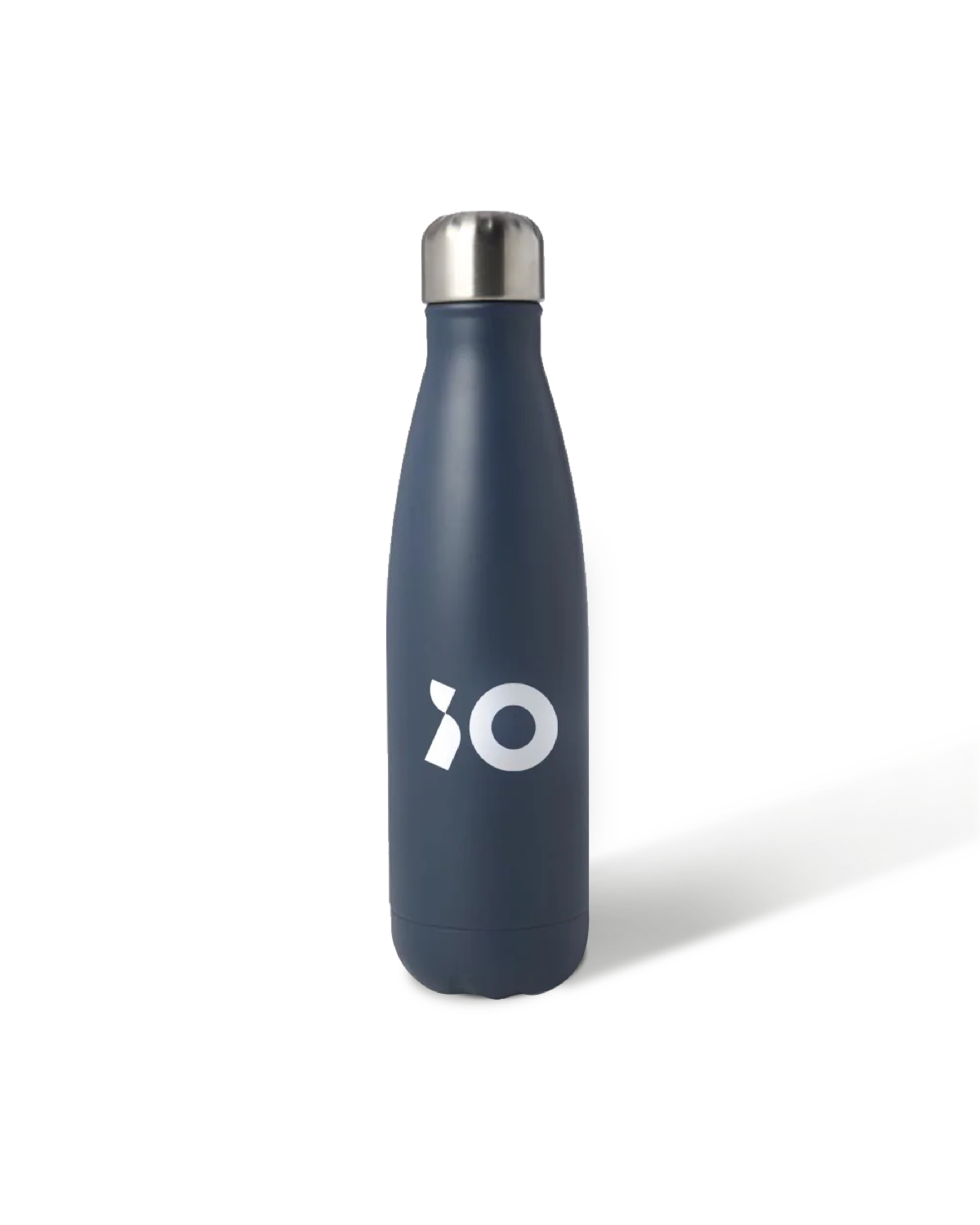
A durable bottle sits in the middle of the price range and tends to get daily use, which is the kind of everyday-utility item that makes the tax cost easier to justify internally.
- Material: Recycled stainless steel
- Branding: Laser engraving
- Order: MOQ 50 · from €11.00
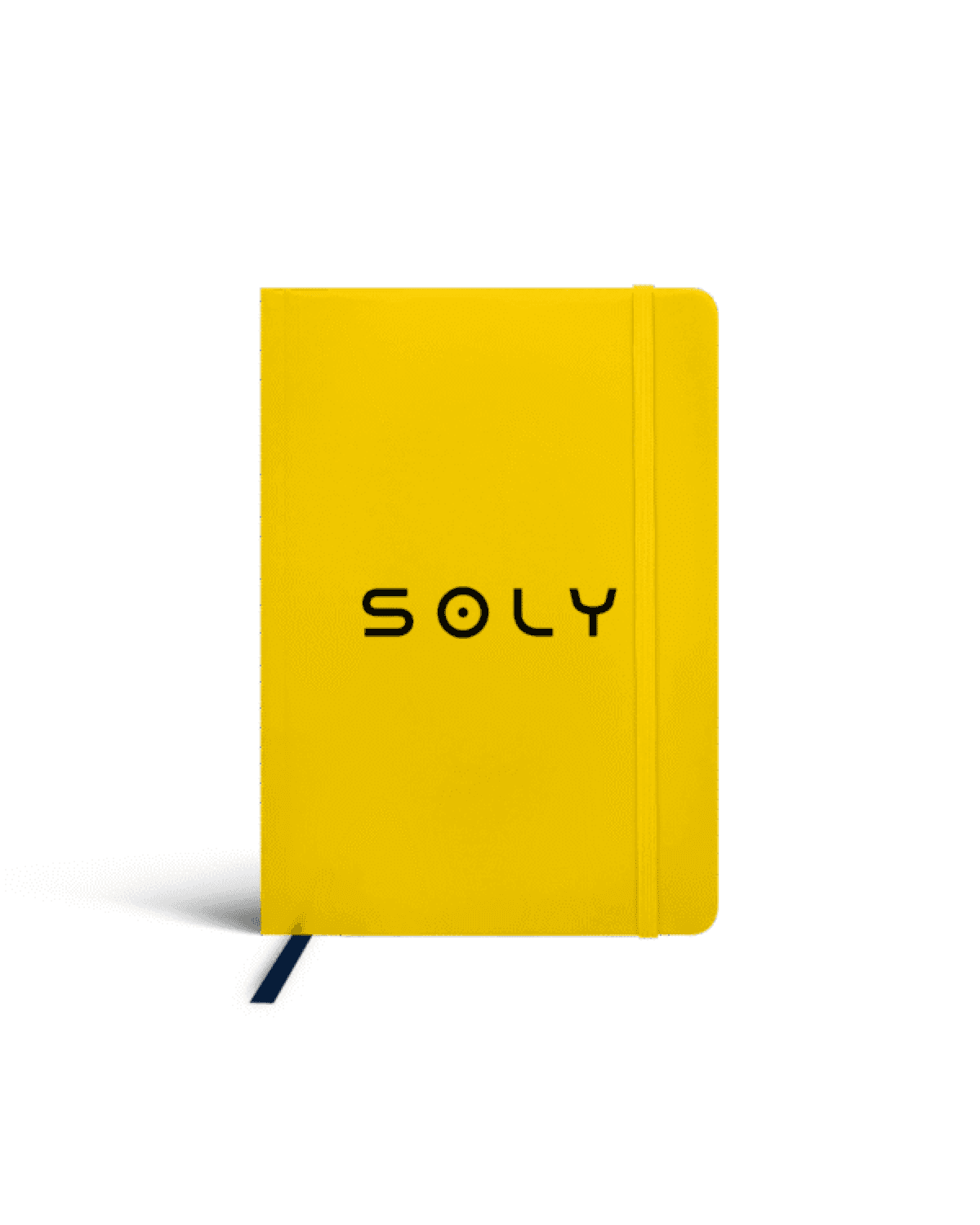
4. A5 Notebook
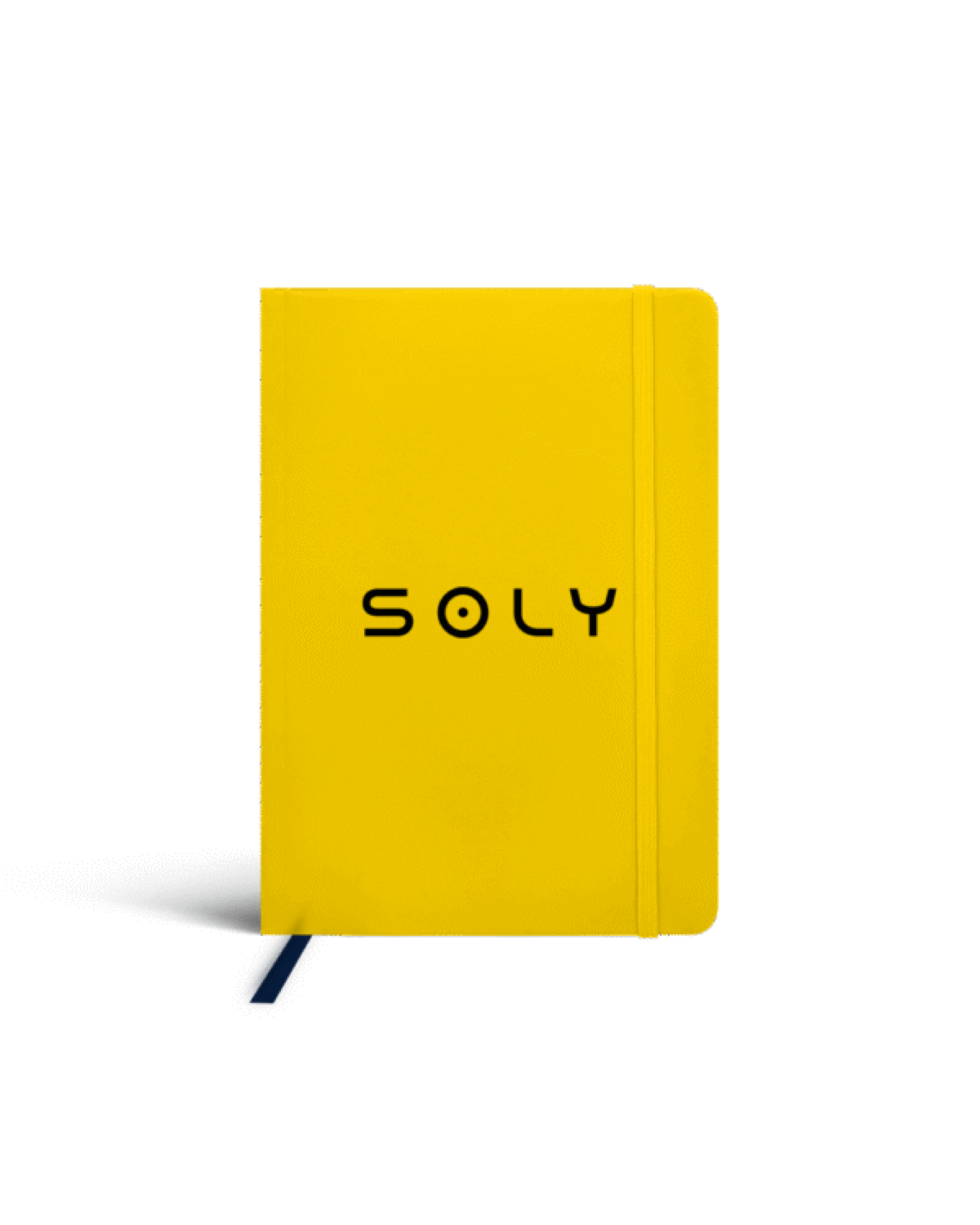
One of the cheapest items on this list, so the total euro cost including erisoodustus tax stays negligible even ordered in volume, which is why notebooks show up so often in onboarding kits.
- Material: Recycled paper, hardcover
- Branding: Foil or debossed logo on cover
- Order: MOQ 100 · from €4.58
5. Premium Tote Bag
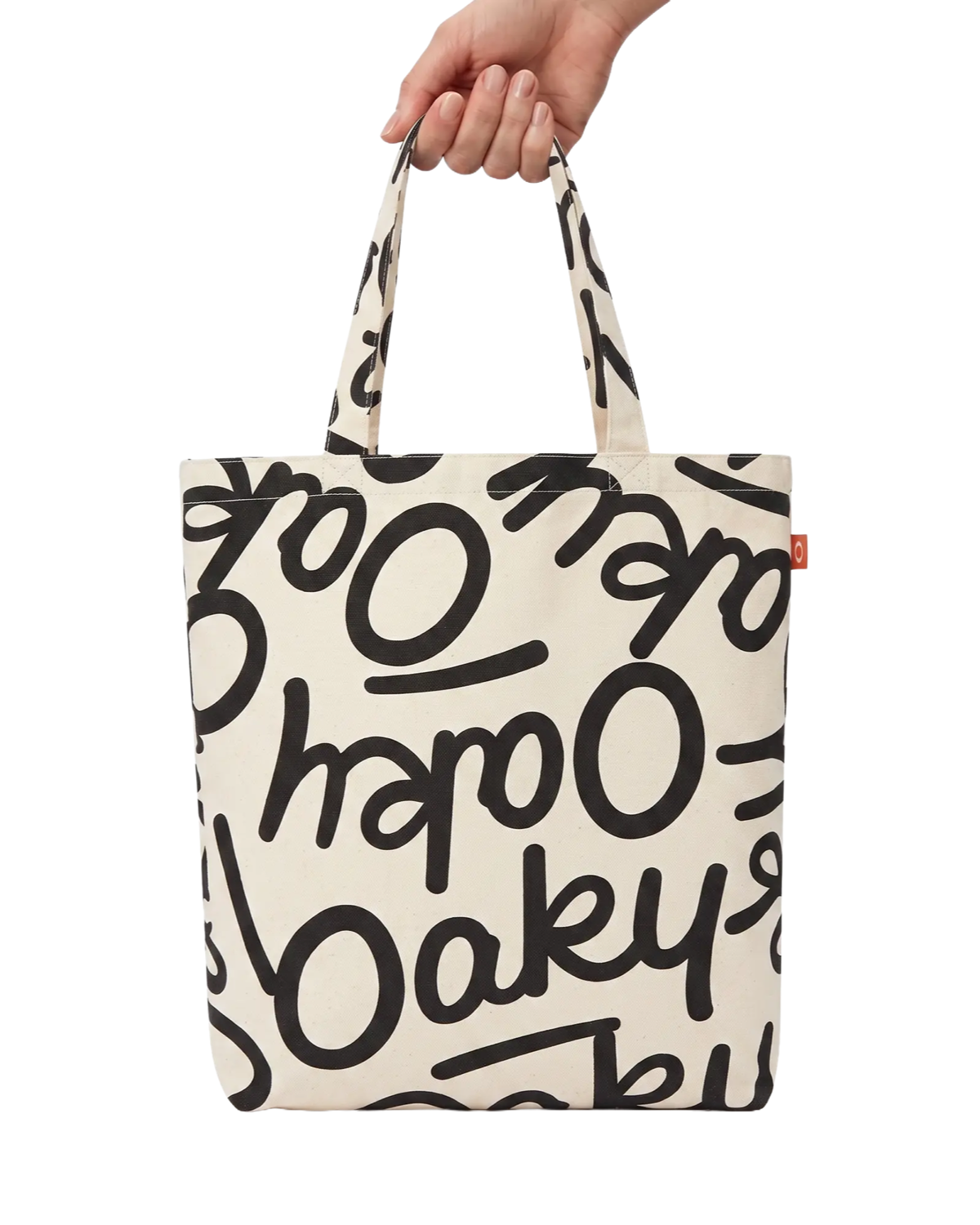
A tote is visible, portable, and cheap enough that the erisoodustus math barely registers, making it a low-friction default for a "thank you" gift handed to a whole team at once.
- Material: Heavyweight cotton canvas
- Branding: Screen print
- Order: MOQ 100 · from €6.44
6. Knitted Scarf
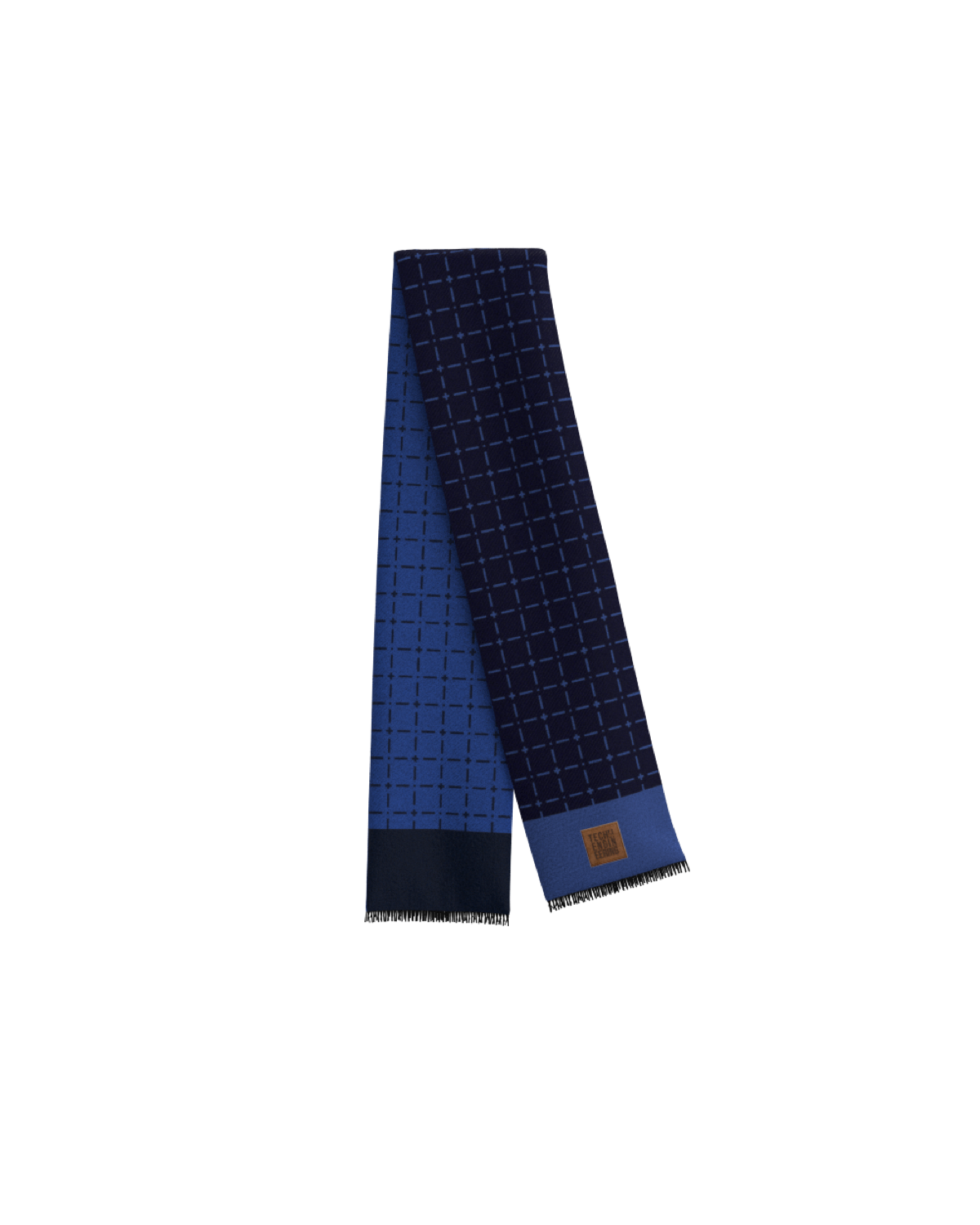
A seasonal item like a scarf works well for a winter gift moment specifically, and its price keeps the erisoodustus add-on modest even if handed out to a large team.
- Material: Knitted acrylic-wool blend
- Branding: Woven label
- Order: MOQ 100 · from €7.66
7. Baseball Cap
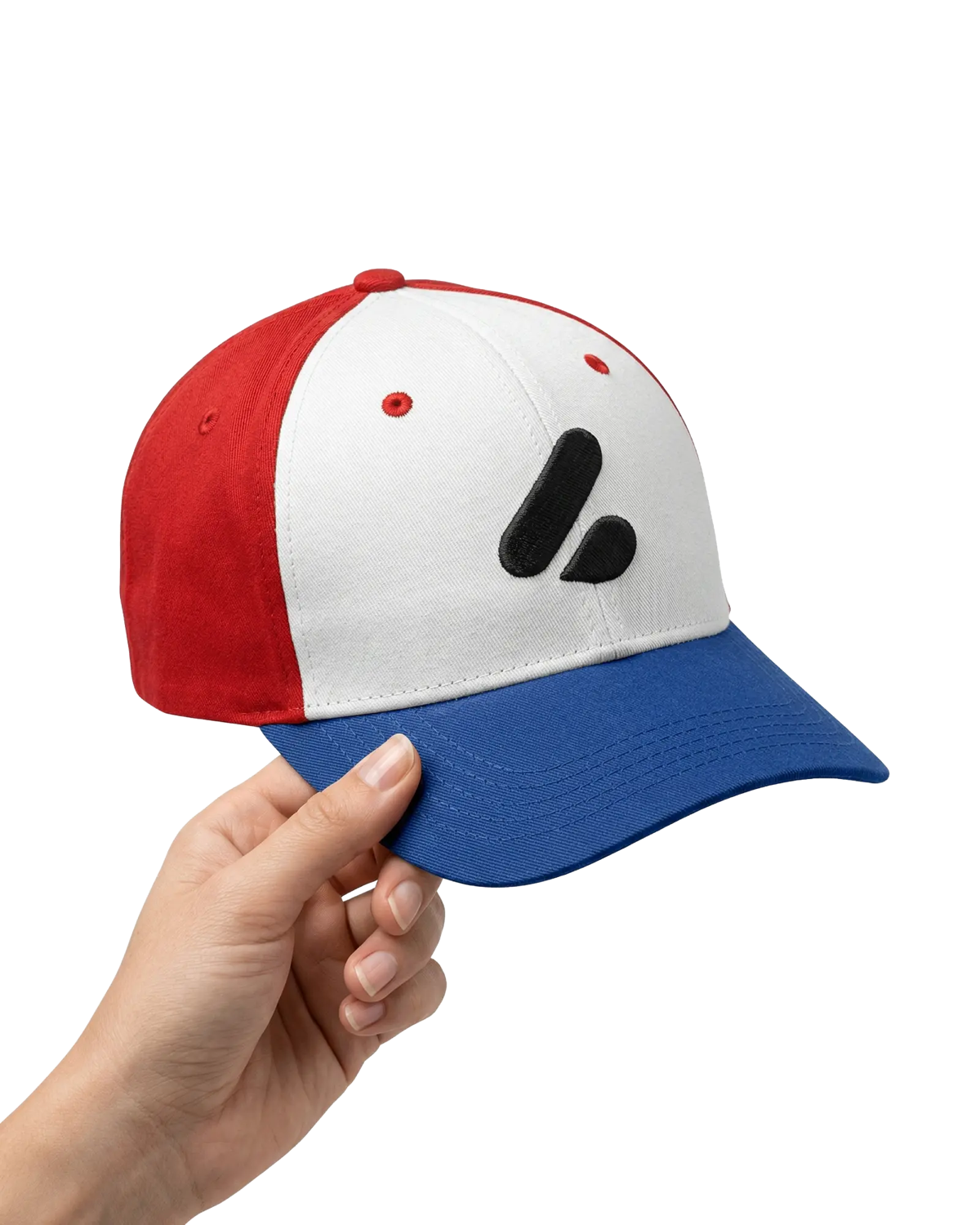
Caps are a classic low-cost apparel gift; the erisoodustus tax on an item this cheap is a rounding error next to the goodwill it tends to generate.
- Material: Cotton twill
- Branding: Embroidered front panel
- Order: MOQ 100 · from €8.34
8. Espresso Mug
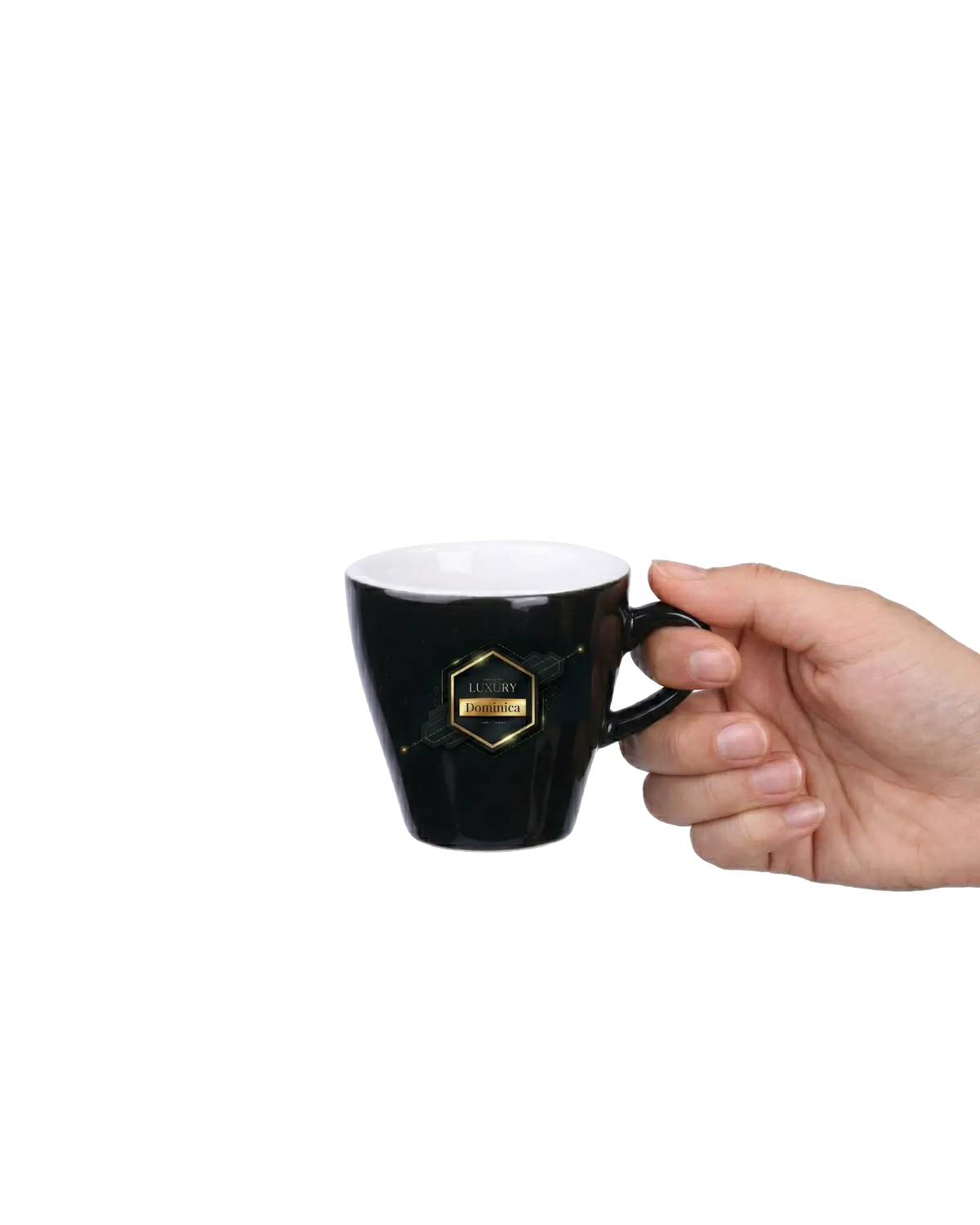
A desk-use item like this is cheap enough that most finance teams don't bother tracking the erisoodustus cost per unit; it's folded into a single annual "swag" budget line instead.
- Material: Glazed ceramic
- Branding: Full-color print or engraving
- Order: MOQ 108 · from €8.44
9. Bamboo Tea Bottle
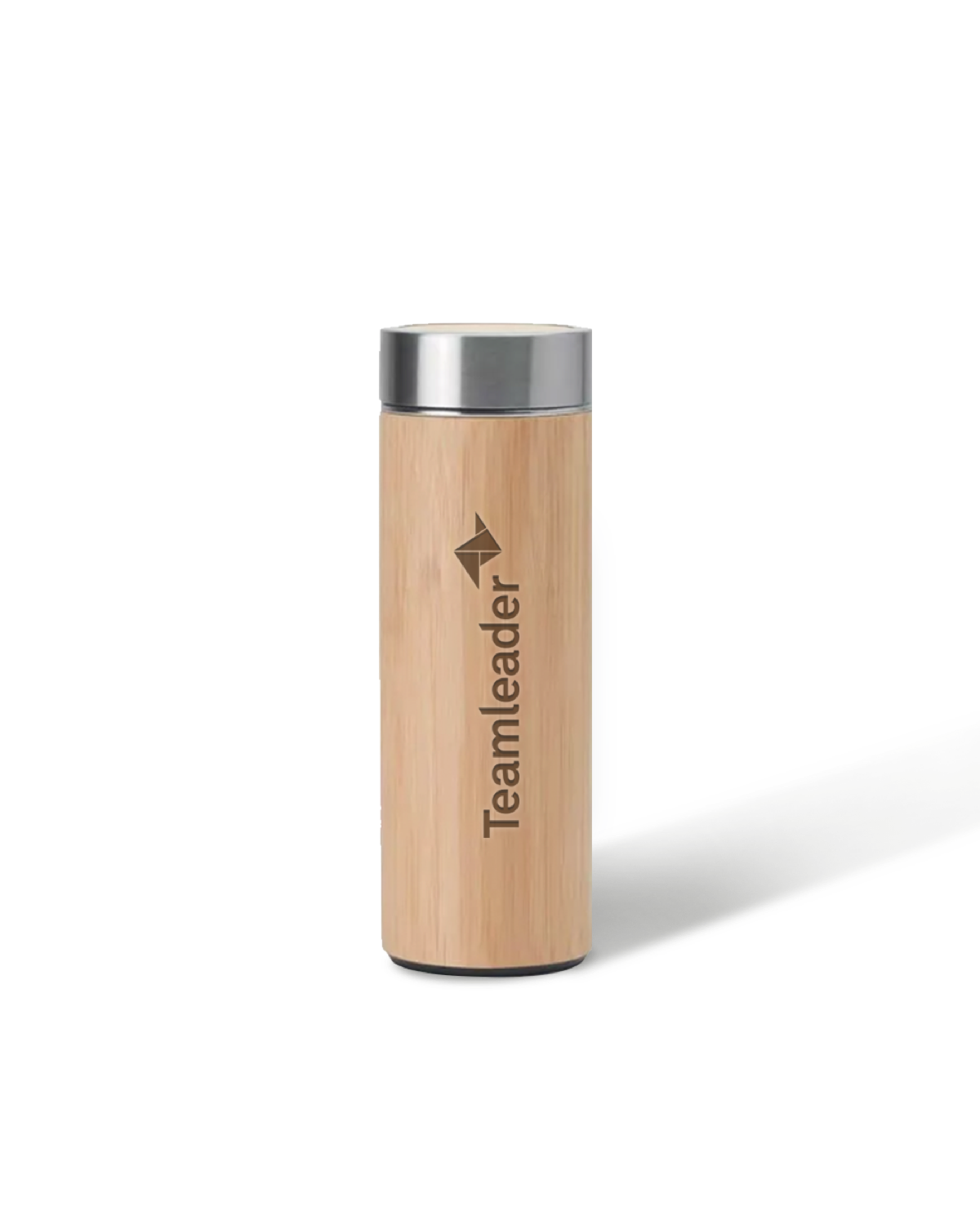
A mid-priced sustainable item like this suits companies that want the gift to reflect an environmental angle; the tax treatment is identical to any other physical gift regardless of the eco-friendly materials.
- Material: Bamboo fibre with double-wall glass insert
- Branding: Laser engraving on bamboo band
- Order: MOQ 50 · from €18.70
10. RollTop Backpack
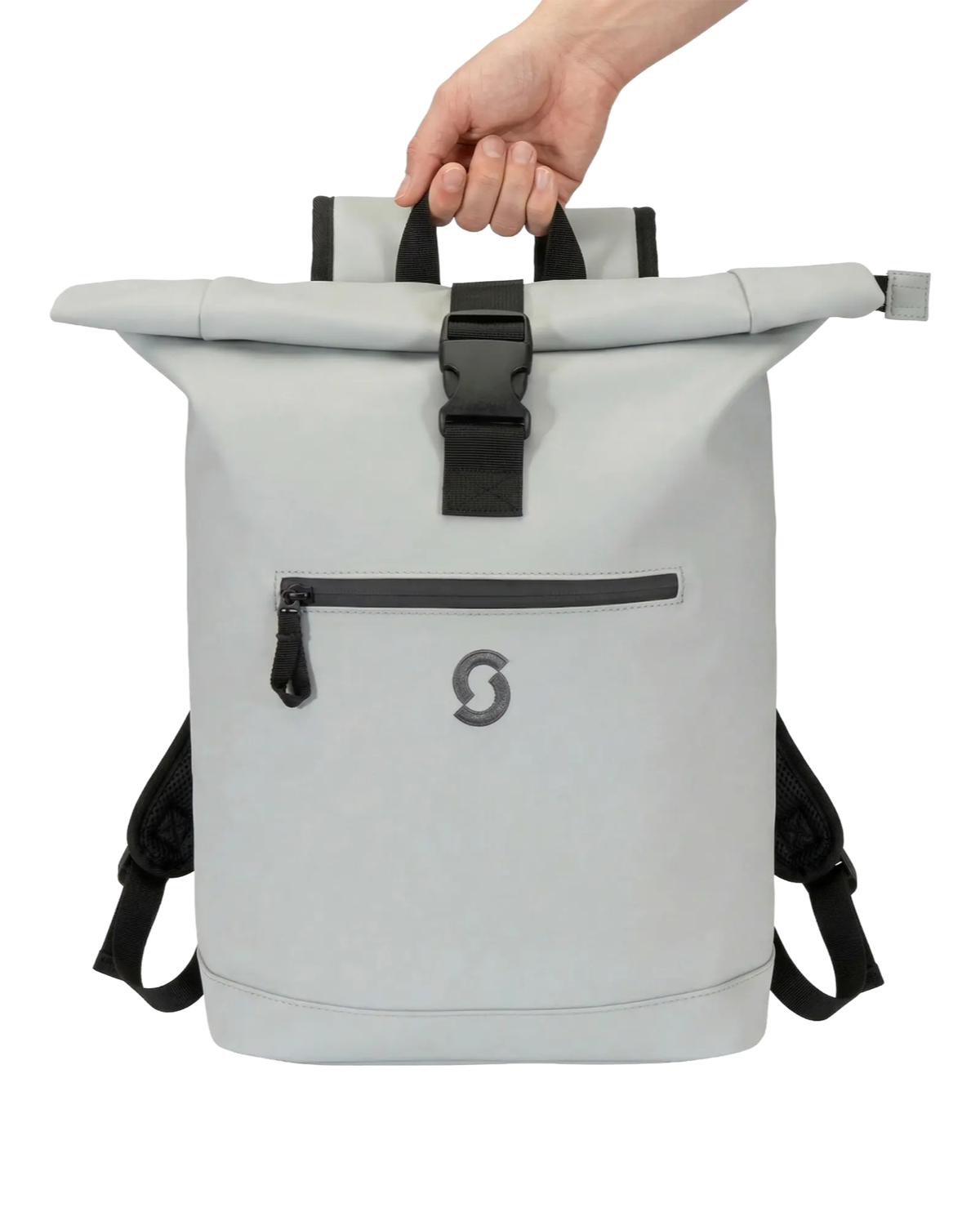
Bags sit higher up the price scale, so the erisoodustus cost becomes a real line item worth budgeting for deliberately, typically reserved for a flagship gift like a five-year work anniversary rather than a routine one.
- Material: Recycled polyester, roll-top closure
- Branding: Debossed patch or print
- Order: MOQ 25 · from €24.57
11. Noise-Cancelling Headphones
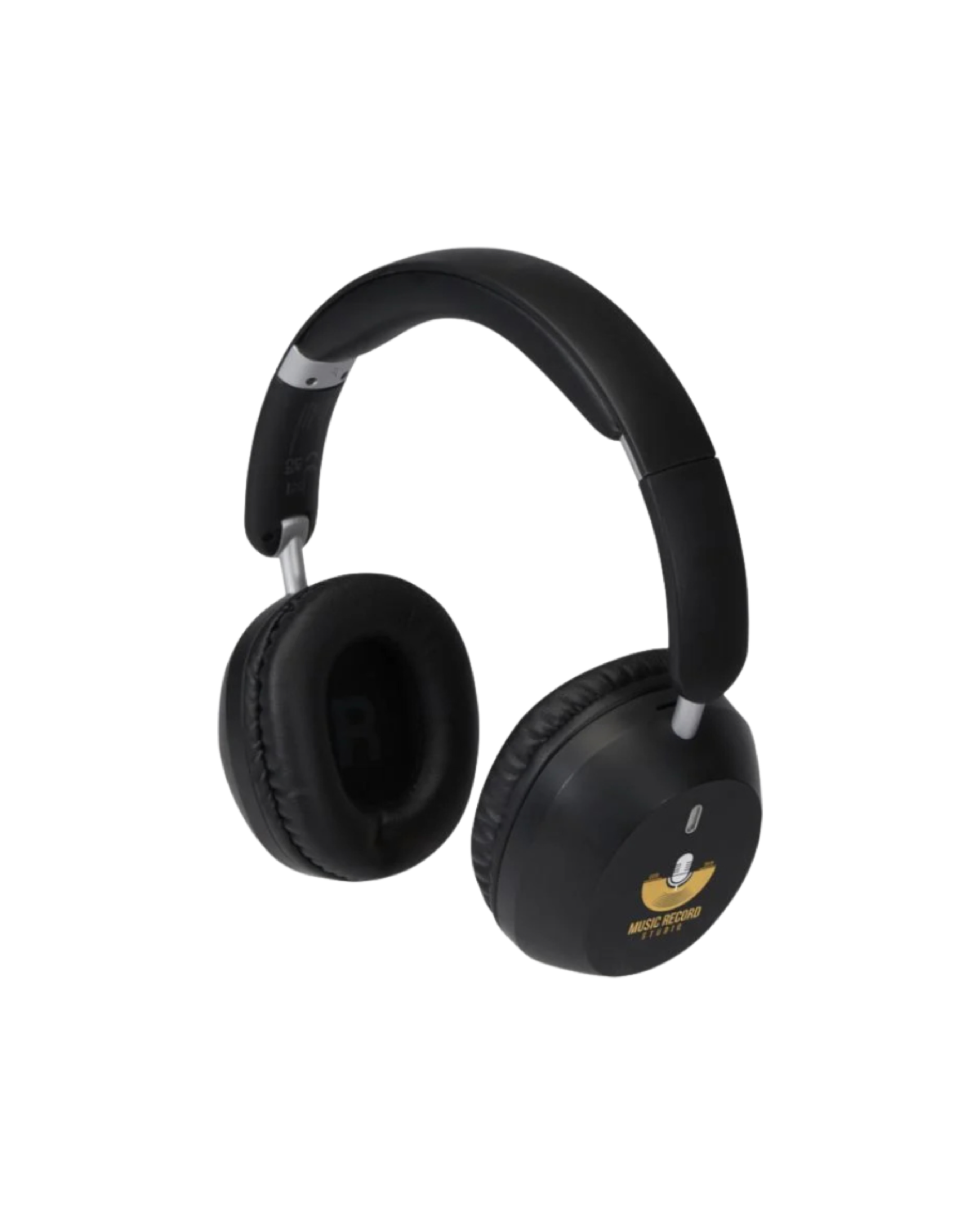
Electronics carry the highest per-unit value on this list and, correspondingly, the highest absolute erisoodustus tax bill; this is a case where finance should sign off before ordering, since the total employer cost can end up close to double the item's price.
- Material: ABS housing, foam ear cushions
- Branding: Logo print on ear cup or case
- Order: MOQ 50 · from €24.46
View noise-cancelling headphones →
12. Wireless Powerbank
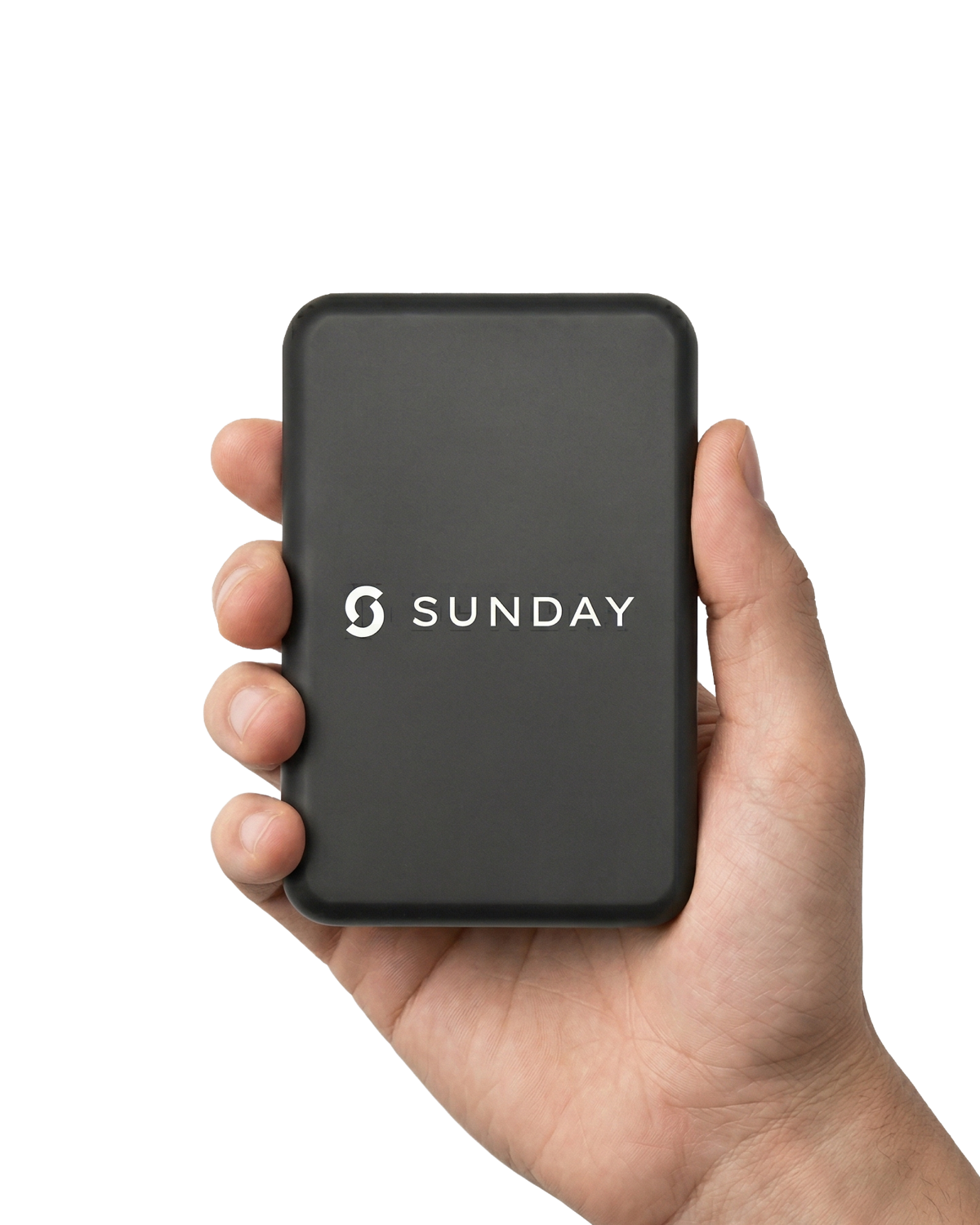
A practical tech accessory like this lands in the same higher tax bracket as other electronics; useful, well received, but again worth budgeting the erisoodustus add-on into the per-unit cost rather than treating it as an afterthought.
- Material: Aluminium housing, wireless charging coil
- Branding: Laser engraving or print
- Order: MOQ 50 · from €18.39
Client gifts: a much friendlier framework
If the gift is going to a client, prospect, or other business contact rather than an employee, Estonian tax law treats it under an entirely different section (TuMS §49), reported on TSD Annex 5 rather than Annex 4, and the rules are considerably more forgiving.
A genuine promotional or advertising gift (reklaamkingitus), one that carries a real advertising purpose under the Advertising Act, such as a mug or notebook printed with the company logo, is income-tax-free up to €21 excluding VAT per item or set. Within that, there's a further split on VAT:
- Up to €10 excluding VAT: no income tax, no VAT.
- Between €10.01 and €21 excluding VAT: still no income tax, but VAT is due on the deemed supply.
- Above €21 excluding VAT: both income tax (on the full value, at the same 22/78 gross-up rate) and VAT apply.
One specific carve-out worth knowing: cut flowers and potted plants given to clients are fully deductible with no threshold at all, regardless of value.
Separate from gifts, client entertainment costs (vastuvõtukulud), think client dinners, hospitality at events, are covered by their own tax-free allowance: €50 per month plus 2% of payroll, calculated cumulatively from January 1 each year. This is a completely separate allowance from the promotional-gift threshold and from anything relating to employee benefits.
The upshot: a €15 logo-branded item sent to a client can be entirely tax-free apart from some VAT. The exact same item given to an employee is erisoodustus from euro one. The recipient, not the item, is what determines which section of the law applies.
Common mistakes
- Assuming a small employee gift is exempt because it's small. It isn't. There's no de minimis threshold in the erisoodustus rules; the employer pays fringe benefit tax on the gift's value regardless of how modest it is.
- Confusing the health and sport €400 allowance with a general gift allowance. It's a closed list of specific wellbeing benefits (gym, licensed therapies, health insurance) offered equally to all staff, not a budget that can be spent on merchandise or hampers.
- Assuming client-gift rules apply to employee gifts. The €21/€10 promotional-gift thresholds and the entertainment-cost allowance live under TuMS §49 for business contacts. Employee benefits are governed entirely separately under TuMS §48, and the two frameworks don't cross over.
This article is general information, not tax or legal advice. Estonian erisoodustus and reklaamkingitus rules involve details (documentation, equal-treatment tests, VAT registration status) that can change your specific numbers. Confirm your situation with a licensed Estonian tax advisor or accountant before making payroll or VAT decisions.
Looking for concrete merchandise options rather than tax mechanics? See our list of 20 branded merchandise ideas for companies in Estonia, with real pricing and order details for each item.
Planning a gifting or merchandise program for your Estonian team or clients? See how Sunday can help you source, brand, and ship it, with the cost breakdown clear before you order.