
For custom beanies, embroidery beats printing in almost every case. Embroidery, woven labels and patches sit on top of the knit and hold the logo's exact shape. Print struggles on a textured, stretchy surface and rarely reads premium. The one method to avoid is knitting a detailed logo into the ribbed fabric, because the rib stretches when worn and warps the mark. Embroider, weave or patch instead.
A beanie is knitted, textured and stretchy. That makes it a hard surface for some decoration methods and an easy one for others. Choose right and a beanie reads as something people would buy for themselves. Choose wrong and a strong brand ends up on a distorted, cheap-looking hat. This guide compares the four ways to put a logo on a beanie and tells you when each one wins. To see your logo on a beanie as you read, open the free beanie mockup generator in another tab.
The four decoration methods
There are four realistic ways to brand a beanie: embroidery, a woven label, an embroidered patch, and knitting the design into the fabric. Print is a fifth option but rarely the right one on knit. The choice is not just about looks. It changes durability, cost, the minimum order and how crisp your logo stays after a winter of wear. Get the surface wrong and even a great design suffers.
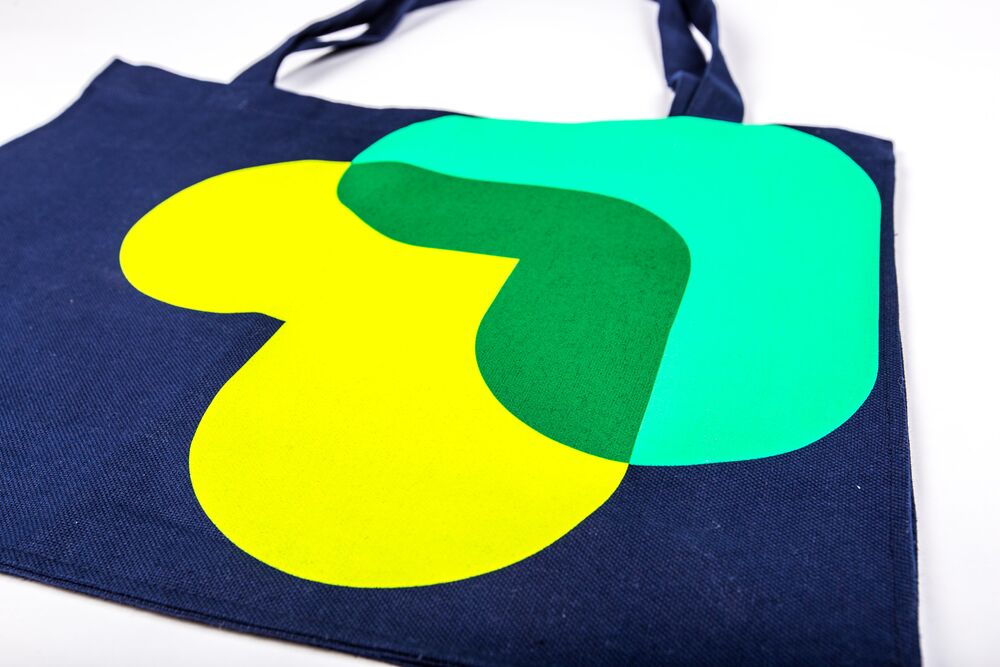
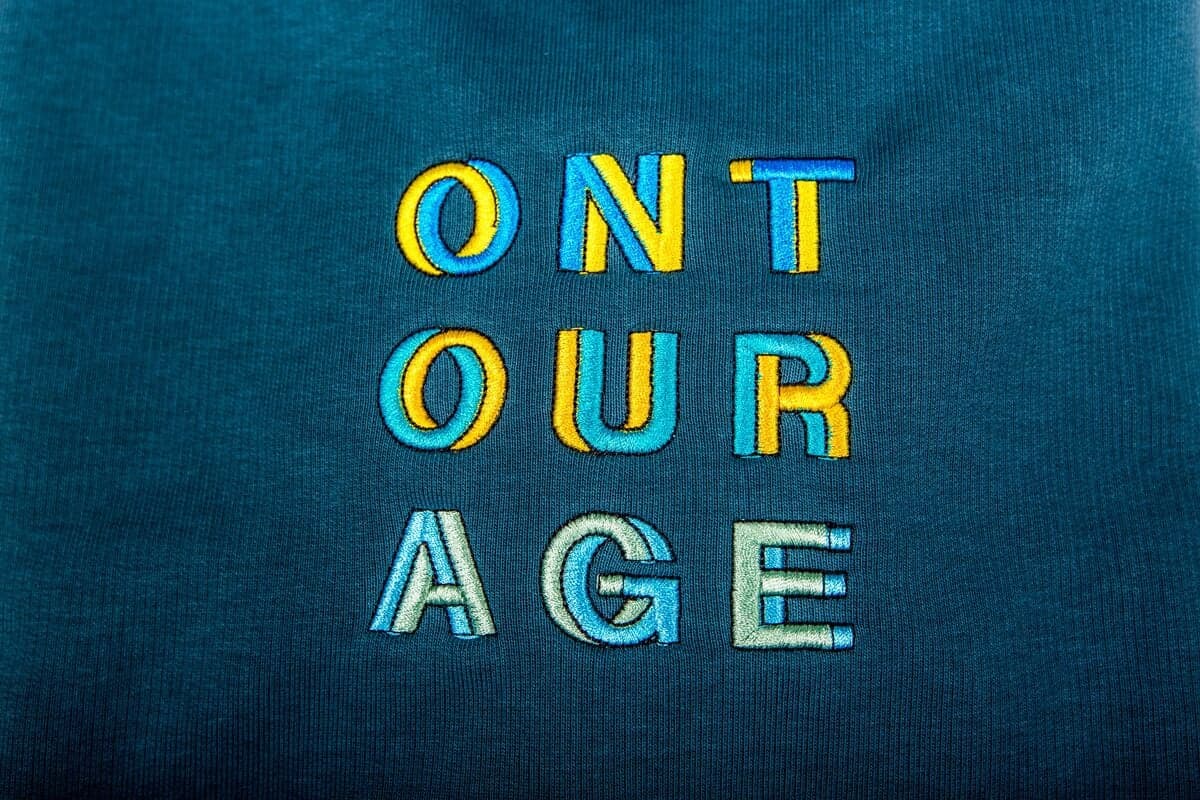
Embroidery sits on the knit and holds the logo's shape. It is the default for most corporate beanies.
Embroidery: the default for most beanies
Embroidery is the right choice for the large majority of corporate beanies. Stitched thread sits on top of the knit, so the logo keeps its outline and does not blur into the texture. It feels tactile and premium, survives washing and looks the part for years. The trade-off is detail. Very fine lines, gradients and tiny text do not translate to thread, so simplify your logo first. A bold one or two-colour version of your mark almost always reads better than the full version. For a small flat area like a beanie cuff, embroidery is hard to beat.
- Holds the logo's shape on a textured, stretchy surface.
- Premium feel that suits employee, customer and partner gifting.
- Durable through repeated wear and washing.
- Best with a simplified logo, not fine gradients or tiny text.
Print on knit: when it fails
Print works beautifully on flat woven fabric. On a knitted, stretchy beanie it is a different story. The surface is uneven, so the print can crack along the ribs, and it stretches and distorts when the beanie goes on a head. It rarely reads as premium, which defeats the point of a beanie that you want people to actually wear. There are niche cases for a transfer or print on a smooth flat patch, but as a direct decoration on knit, print is the method we steer companies away from. If you want a crisp logo on a beanie, embroidery, a woven label or a patch will serve you far better.
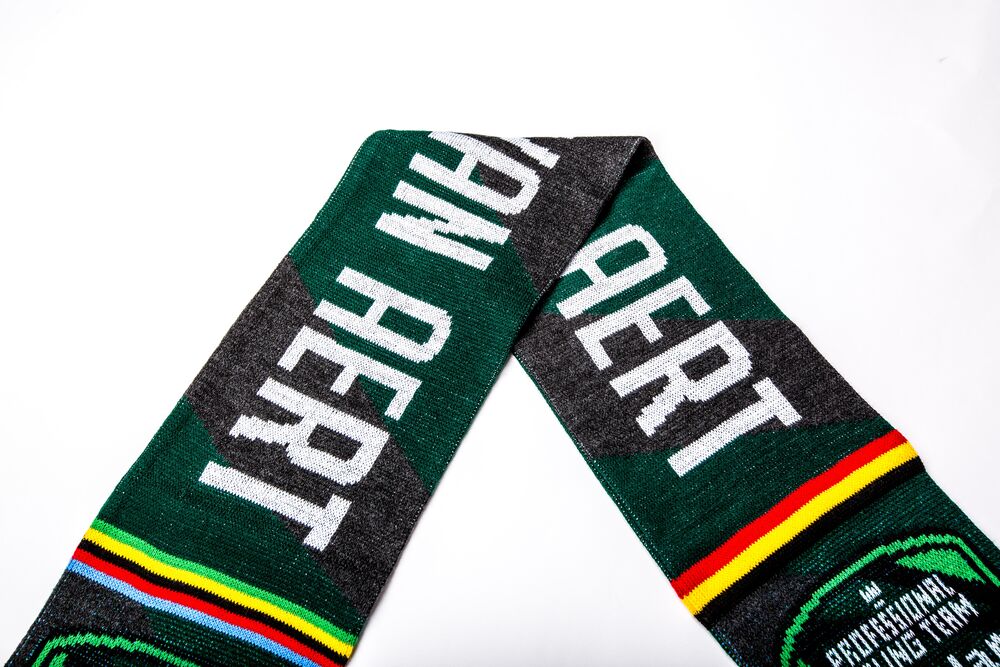
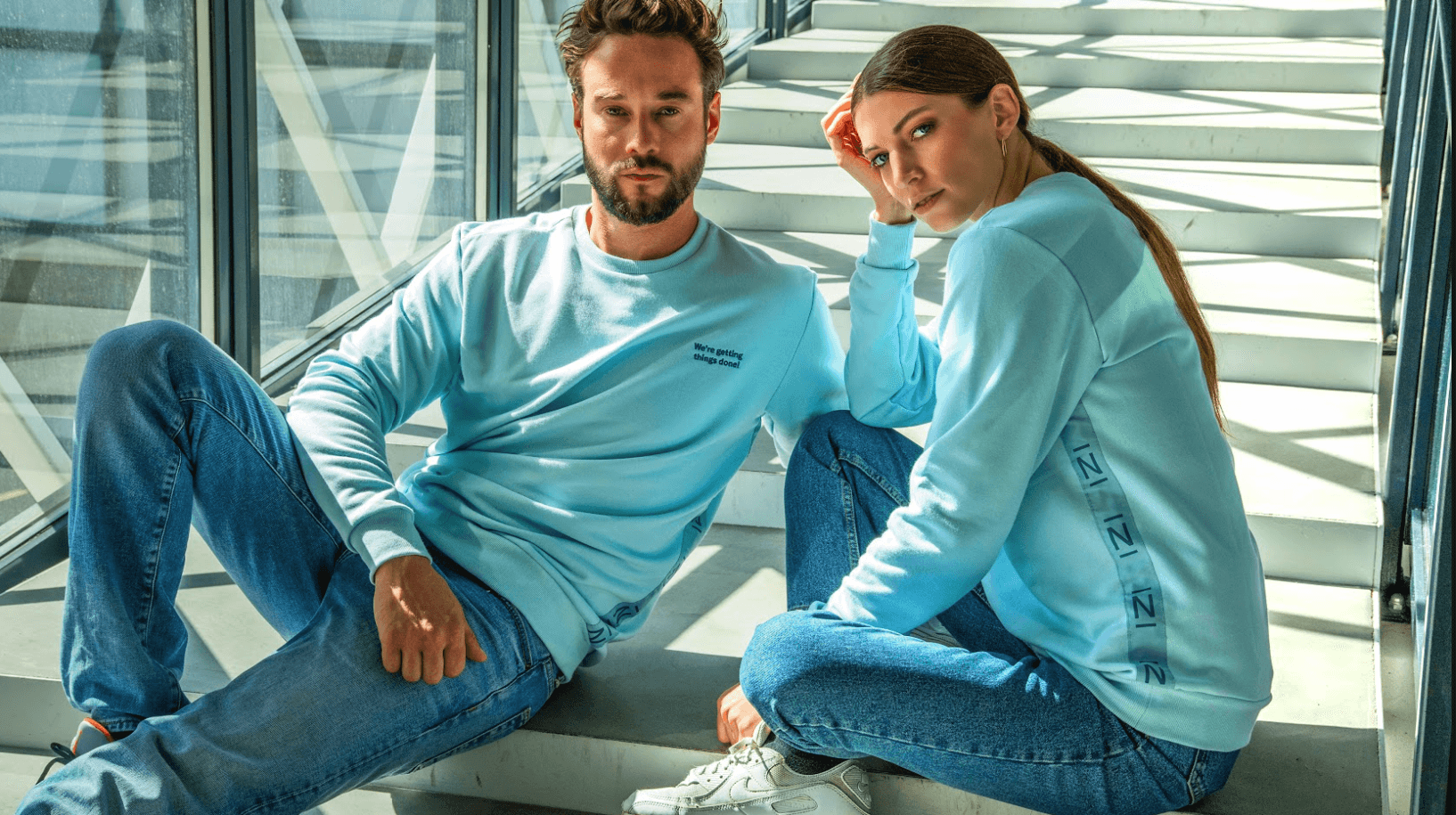
On a head, the knit stretches. Decoration that sits on top of the fabric holds up; print on knit tends to distort.
Woven labels and patches
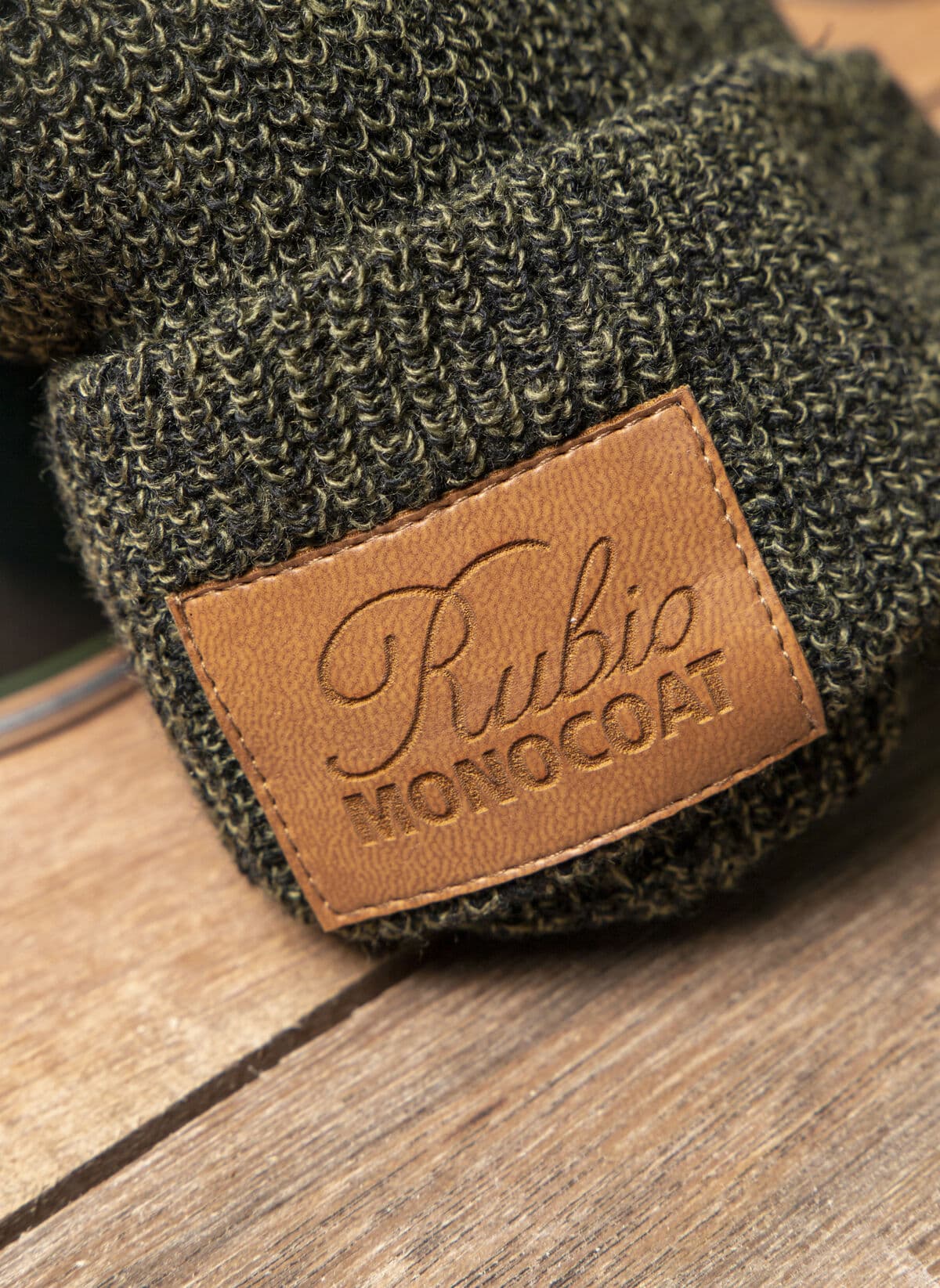
A woven label is a small fabric tag sewn onto the cuff. It gives a clean, retail-style finish, the kind you see on beanies people buy in a shop, and it carries fine detail better than embroidery because the design is woven thread by thread. It is the quiet, fashion-led choice for subtle gifting.
An embroidered patch is a separate stitched or woven piece sewn onto the beanie. It adds presence and a more lifestyle look, which suits event and outdoor beanies where you want the branding to be seen. Both methods preserve the logo's shape because the decoration is made first and then attached, not forced onto the knit.
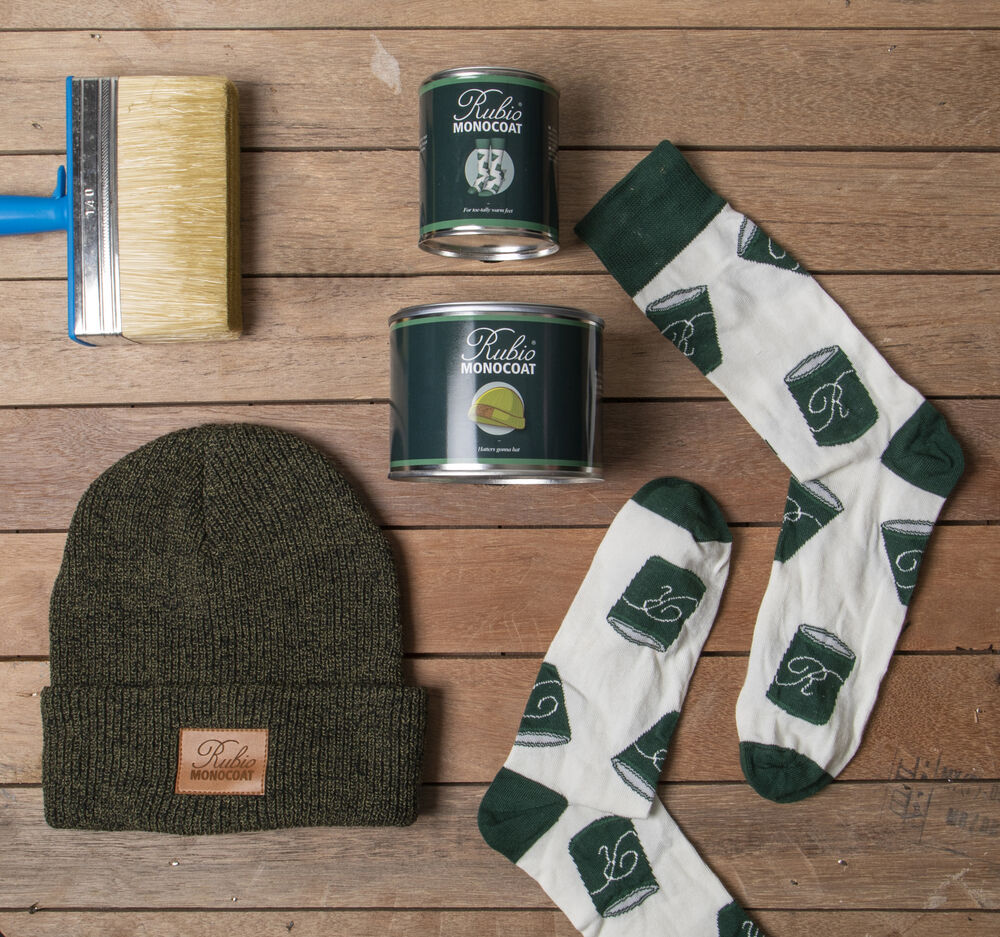
A patch adds a fashion-led look with extra presence, ideal for event and outdoor beanies.
Knitting the logo in
Knitting the design into the fabric can look excellent, but only for the right artwork. Brand patterns, repeating motifs and bold simple shapes can be knitted in and become part of the beanie itself. That is how distinctive, recognisable beanies get made. The mistake is knitting a detailed logo into the ribbed section. The rib stretches when worn and warps the logo, so a sharp mark turns into a smudge. Keep knitting-in for patterns and simple shapes. For any detailed logo, stay on embroidery, a woven label or a patch.
Side by side comparison
| Method | Look | Durability | Detail | Best for |
|---|---|---|---|---|
| Embroidery | Crisp, tactile, premium | High | Medium, simplify logo | Most corporate beanies |
| Woven label | Clean retail tab | High | High | Subtle, fashion-led gifting |
| Patch | Bold, present | High | High | Event and outdoor beanies |
| Knitted-in | Built into the fabric | High | Low, shapes only | Patterns and simple shapes |
| Print on knit | Flat, often cheap | Low | Medium | Rarely recommended |
On cost, embroidery and woven labels are efficient at the volumes most companies order. Standard beanies start from around 10 pieces. Fully custom-knitted designs, where the logo or pattern is built into the fabric, start from around 100 pieces because they need more design, setup and knitting prep. Unit price falls significantly as the quantity rises. For the full numbers see the complete custom beanies guide.
How to choose
Start from the recipient and the look. For employee, customer and partner gifting, where you want a wearable, premium beanie, embroidery or a woven label is the call. For event and outdoor beanies, where presence matters, a patch or embroidery works well. For a distinctive brand statement, design a pattern or simple shape to be knitted in. Skip print on knit unless you have a specific, tested reason. Whatever you pick, simplify your logo, supply a vector file and approve a digital proof before production. To see how Sunday produces and ships beanies, read how it works and distribution, or browse the range of custom beanies.
Beanie printing vs embroidery: questions answered
Is embroidery or printing better for custom beanies?
Embroidery is better for almost all custom beanies. It sits on top of the knit and holds the logo's exact shape, feels premium and lasts. Print struggles on a textured, stretchy surface, can crack along the ribs and rarely looks premium. For crisp logos, choose embroidery, a woven label or a patch over print.
Can you print a logo on a knit beanie?
You can, but it is rarely the right choice. A knit beanie is uneven and stretches when worn, so a direct print can distort or crack and tends to look cheap. If you want a printed-style finish, a print on a smooth flat patch sewn to the beanie works better than printing onto the knit itself.
Why does my logo distort on a beanie?
The most common cause is knitting a detailed logo into the ribbed section. The rib stretches on the head and warps the mark. Print on knit distorts for the same reason. Methods that sit on top of the fabric, such as embroidery, a woven label or a patch, keep the logo's shape.
What is the most premium way to brand a beanie?
Embroidery and woven labels read most premium for subtle gifting. A woven label gives a clean retail-style tab, while embroidery gives a tactile stitched mark. For a bolder, fashion-led look on event beanies, a sewn-on patch adds presence. All three preserve the logo's shape.
What is the minimum order for embroidered beanies?
Standard beanies with embroidery, a woven label or a patch start from around 10 pieces, which suits small teams, exec groups and events. Fully custom-knitted designs, where the pattern is built into the fabric, start from around 100 pieces because they need more setup and knitting prep.
Should I knit my logo into the beanie?
Only if your artwork is a pattern or a bold, simple shape. Brand patterns and repeating motifs can be knitted in and look excellent. A detailed logo should not be knitted into the rib, because it distorts when the beanie stretches. Use embroidery, a woven label or a patch for detailed logos.
Keep reading: custom beanies
See embroidery on your beanie in 30 seconds
Create your free account, drop in your logo and preview it on a real beanie in your colours with live pricing. Embroidery that holds its shape, made in Europe.
Get free designs