

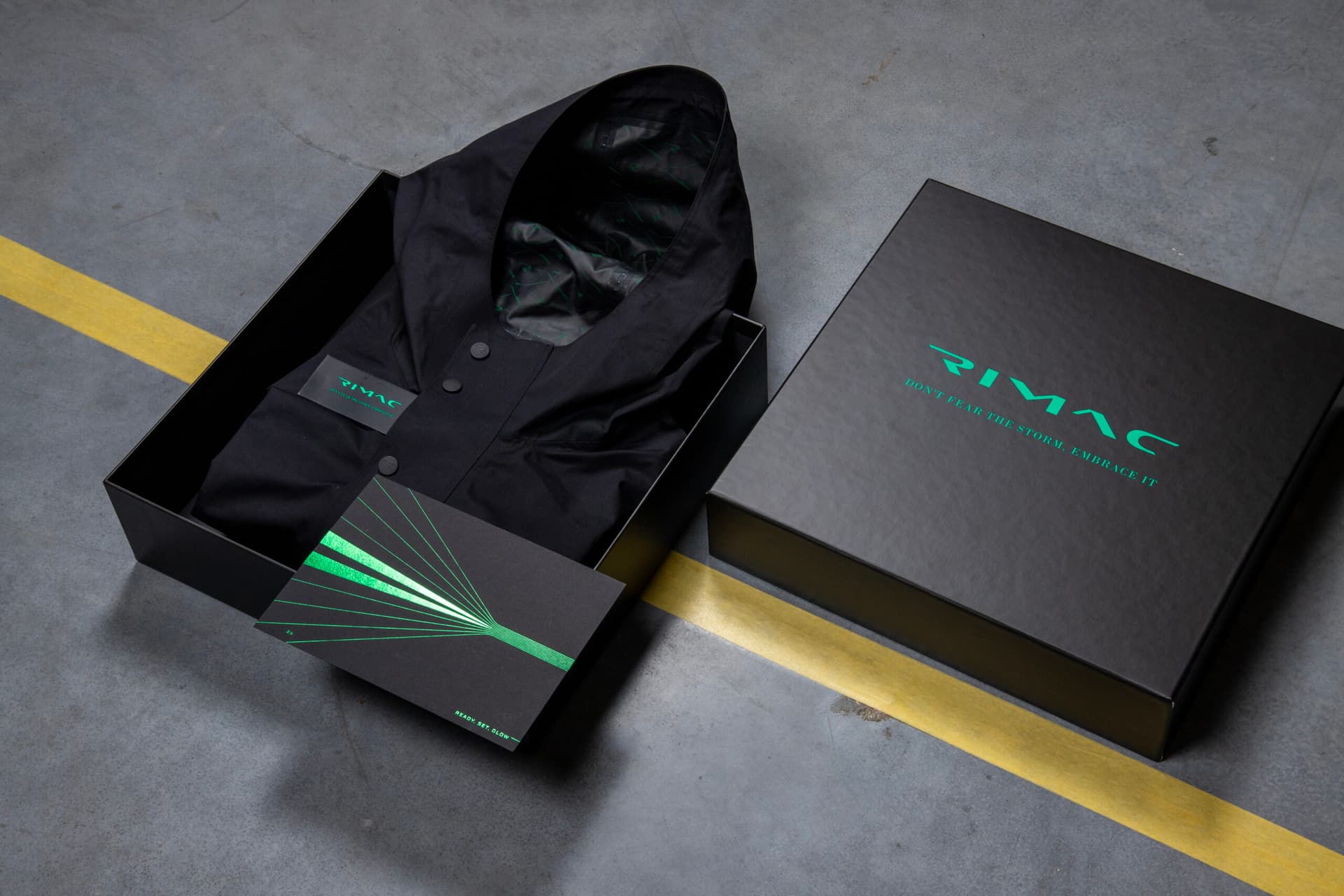
A merchandise partnership is one of the fastest ways to turn brand awareness into something people can hold, wear, and talk about. Done well, it feels less like a marketing move and more like a shared moment between two communities that already want to meet each other.
It also has a practical advantage: co-branded goods can carry the story farther than a single campaign post. A great hoodie, water bottle, or limited-run print keeps showing up in daily life, long after the launch window closes.
Why merchandise partnerships work
Partnership merch changes the economics of attention. Instead of paying repeatedly to reach new audiences, two brands pool their reach and split the upside. The merchandise becomes a physical proof point that the collaboration is real, not just a logo swap.
There is also a trust transfer. When a respected partner stands next to you, the buyer borrows confidence from the relationship. That matters most when you are entering a new category, a new region, or a new demographic.
The strongest collaborations feel inevitable in hindsight. They connect two stories that belong together, then express that connection through an object people actually want to use.
Choosing the right partner without guesswork
Partner selection is where most collaborations either win quickly or quietly fail. “Big audience” is not enough. The best match is a partner whose customers will recognize the value immediately, even if they have never heard of you.
Spend time on overlap and contrast at the same time. Overlap gives familiarity; contrast provides novelty. You want enough shared taste that the collaboration feels coherent, plus enough difference that it feels special.
After you assess brand fit, get specific about execution. If the partner cannot move quickly on approvals, or their audience primarily buys in a different channel than yours, the project will drag.
A simple evaluation list keeps the decision grounded:
- Audience overlap
- Production capability
- Retail or distribution access
- Creative compatibility
- Speed of approvals
Setting the partnership terms people say “yes” to
Before design begins, the partnership needs a clear value exchange. Both sides should be able to describe the win in one sentence. If the win requires a five-minute explanation, buyers will feel the confusion too.
Start with what each party contributes. One brand might bring the product design language, while the other brings a physical retail footprint. One might own the community, while the other owns the manufacturing relationships. Great terms make those contributions visible and respected.
A few deal elements deserve early clarity, because they influence every downstream decision:
- Revenue model: revenue share, wholesale purchase, licensing fee, or a hybrid
- Inventory risk: who pays for production and who holds unsold units
- Decision rights: who has final approval on design, messaging, and pricing
- Channel boundaries: where it will be sold and whether either side can run parallel promos
Designing merch that earns attention and survives daily use
Co-branded design is not about fitting two logos onto the same chest print. It is about making a single idea that could not exist without both partners. The best outcomes look restrained, confident, and intentional.
Start with a creative brief that names one primary concept. Maybe it is “studio-grade minimalism meets outdoor durability,” or “local pride with a modern silhouette.” Then choose one hero item. A tight capsule often beats a scattered catalog because it focuses demand and makes the launch feel meaningful.
Quality is part of the message. If the fabric pills, the print cracks, or the bottle leaks, the partnership story becomes about disappointment. Buyers read durability as respect.
Production and fulfillment options, compared
Once you move beyond prototypes, operational choices can either protect margin or quietly destroy it. The right setup depends on your risk tolerance, timeline, and how predictable demand is.
Here is a practical comparison of common models:
| Model | Best when | Pros | Trade-offs |
|---|---|---|---|
| Pre-order window | Demand is uncertain and audience is engaged | Low inventory risk, clearer forecasting | Longer wait times, needs strong communication |
| Limited drop (stocked) | Hype and scarcity fit the brand | Fast shipping, higher perceived value | Inventory risk, forecasting pressure |
| Print-on-demand | You want breadth without upfront cost | Minimal risk, easy SKU expansion | Lower margins, variable quality control |
| Wholesale buy-in | Partner has strong retail | Simple accounting, predictable units | Partner sets retail context, less control |
| Licensing | One side owns brand value, the other runs ops | Low operational burden for licensor | Requires strong brand protection and audits |
No table can pick for you, but it can sharpen the questions. If you cannot tolerate leftover inventory, pre-order or print-on-demand may fit better. If your audience expects immediate shipping, a stocked drop wins.
Protecting the collaboration with clear legal and brand rules
Merch partnerships move fast, which is why the paperwork has to be simple and firm. A clean agreement is not about mistrust; it is about keeping momentum.
At minimum, define ownership of the creative work, permissions for trademarks, and how each brand can use photos and customer content after the launch. If the partnership includes a charitable component, spell out the exact donation structure and timing to avoid awkward misunderstandings.
Also decide how you will handle customer support. Returns, defects, shipping delays, and chargebacks create stress right when you want the launch to feel celebratory. Assign one “customer-facing owner,” then agree on service standards and escalation paths.
Launch planning that feels like an event, not an announcement
The best merchandise partnerships are staged with intention. The launch should feel like a moment that communities want to be part of, not a routine product listing.
Build the runway first. Tease materials, sketches, and prototypes. Tell the story of why the collaboration exists. Introduce the people behind it, even briefly. When buyers understand the “why,” they accept premium pricing more easily and share it more readily.
Then coordinate the channels. A launch loses power when one partner posts three days early, or when email goes out after the best sizes are gone.
A smart channel plan often includes a mix like this:
- Email: early access for your highest-intent audience
- Retail moment: an in-store weekend feature or pop-up table
- Social proof: partner-to-partner reposting with consistent timing
- Community hook: an RSVP list, a giveaway, or a live stream with design talk
Pricing, margin, and perceived value
Merch pricing is emotional, yet the math still has to work. Start from landed cost and back into a margin that can support marketing, support, and partner payouts. Then pressure-test the price against what your audience already buys.
Perceived value comes from more than the blank garment. Packaging, storytelling, and limited availability can justify price, but only when the product itself feels right. If the item is premium, say so and show why. If it is meant to be accessible, keep it simple and avoid overpromising.
One useful approach is “good, better, best” within a small capsule: a lower-priced accessory, a mid-tier core item, and one premium hero piece. It gives more buyers a way in, while still letting superfans spend.
Measuring success beyond units sold
Sales are the obvious metric, yet partnerships often create value that shows up elsewhere. Track what you hoped to gain before launch, then measure it with discipline.
Look at new-customer percentage, email signups, and repeat visits in the weeks after the drop. Watch which partner channel sends the highest-quality traffic, not just the most traffic. If the goal was brand repositioning, monitor comment sentiment and creator mentions, not only revenue.
It also helps to define a “win threshold” for both sides. If one party needed profit and the other needed audience growth, you can celebrate without forcing a single scorecard.
Common pitfalls that quietly drain momentum
Most merch partnerships fail from small misalignments, not dramatic blowups. The good news is that nearly all of them are preventable with a few decisions made early.
Operational friction is a frequent culprit. If approvals take weeks, the audience’s excitement fades. If you launch without samples in hand, you risk quality surprises. If you skip size and fit testing, returns can wipe out margin.
Watch for these patterns:
- Vague creative direction: too many concepts competing in one capsule
- Uneven marketing effort: one partner posts once while the other runs a full campaign
- Weak quality control: inconsistent print placement, packaging issues, or color drift
- Channel conflict: partners undercut each other with mismatched pricing or timing
A practical way to start in the next seven days
Pick one partner and draft a one-page concept: the shared story, the hero item, the launch window, and the proposed revenue model. Keep it tight enough that someone can say yes quickly.
Then request a short call with one goal: confirm fit, confirm capability, confirm timing. If those three match, you have the foundation for a collaboration that feels exciting to customers and workable behind the scenes.
Once the first partnership is live, the next ones get easier. You gain templates, vendor confidence, and a sharper sense of what your audience will proudly carry into the world.