
Branded merchandise is having a quiet renaissance. The best items in 2026 are not “stuff with a logo.” They are objects people choose, keep, and talk about because they fit real routines, reflect values, and feel intelligently made.
A good merch program now looks less like a giveaway table and more like product design: practical, minimal waste, and tuned to how people live and work.
What’s different about standout merch in 2026
Trends have shifted from novelty toward utility and proof. Buyers and recipients both ask sharper questions: Who made this? What happens when it breaks? Can I refill it? Can I repair it? Does it do something useful the moment I unbox it?
The strongest ideas tend to share a few traits: they are easy to carry, built to last, and “quietly smart” in a way that invites curiosity without begging for attention.
After you pick a direction, keep a short filter list nearby:
- Daily carry value
- Low-waste packaging
- Repairable parts
- Material transparency
- Modern aesthetics
- Customization beyond a logo
Sustainable merch that feels current (and proves it)
Sustainability messaging has matured. A vague “eco-friendly” claim no longer lands. What lands is specificity: recycled content with sourcing notes, replaceable components, and packaging that looks intentional rather than cheap.
1) Modular refill kits, not disposable “swag”
Consider a branded “refill set” that supports something recipients already own. Think: pen refills that fit popular metal pens, razor blade refills paired with a safety razor handle, or concentrated hand soap tablets for a reusable bottle.
This approach shifts the brand role from “here is another object” to “here is the part that keeps your object going.”
A single well-designed refill pack can also travel easily at events, lowering shipping weight and storage volume.
2) Carbon-smart apparel that people actually wear
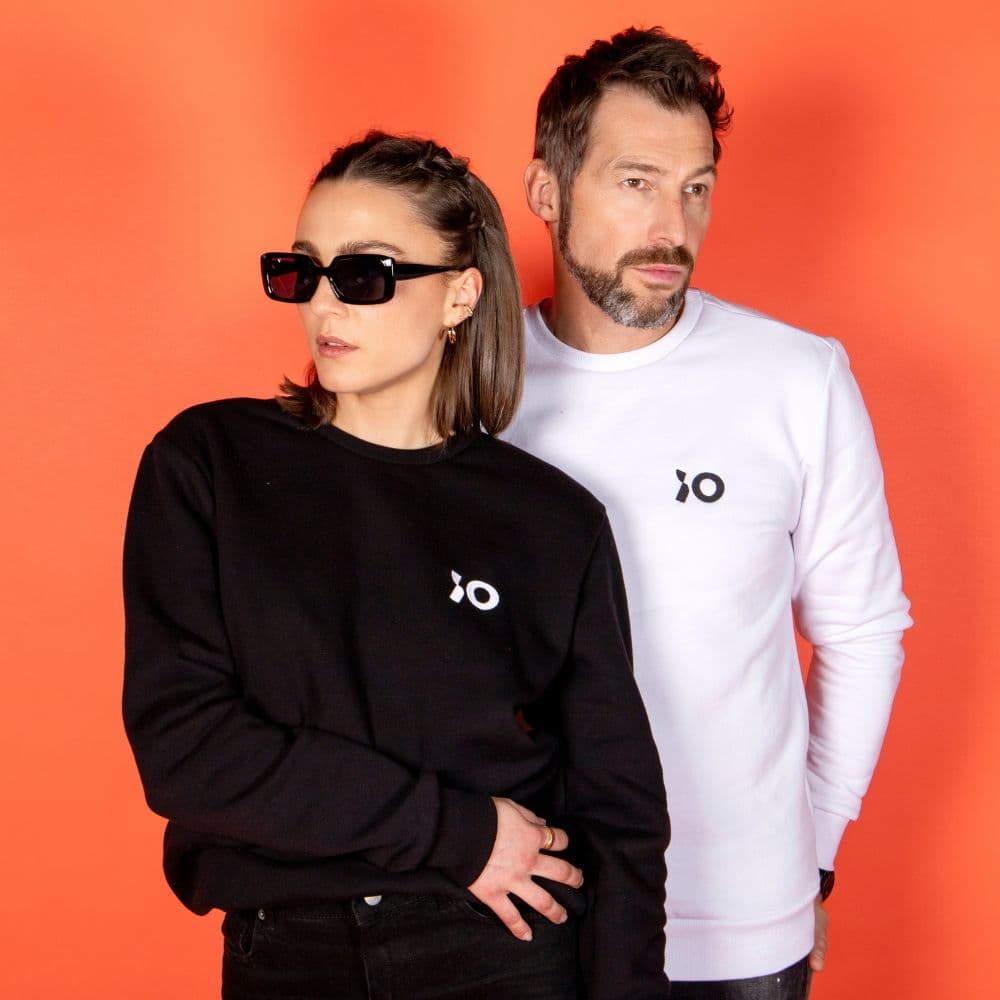
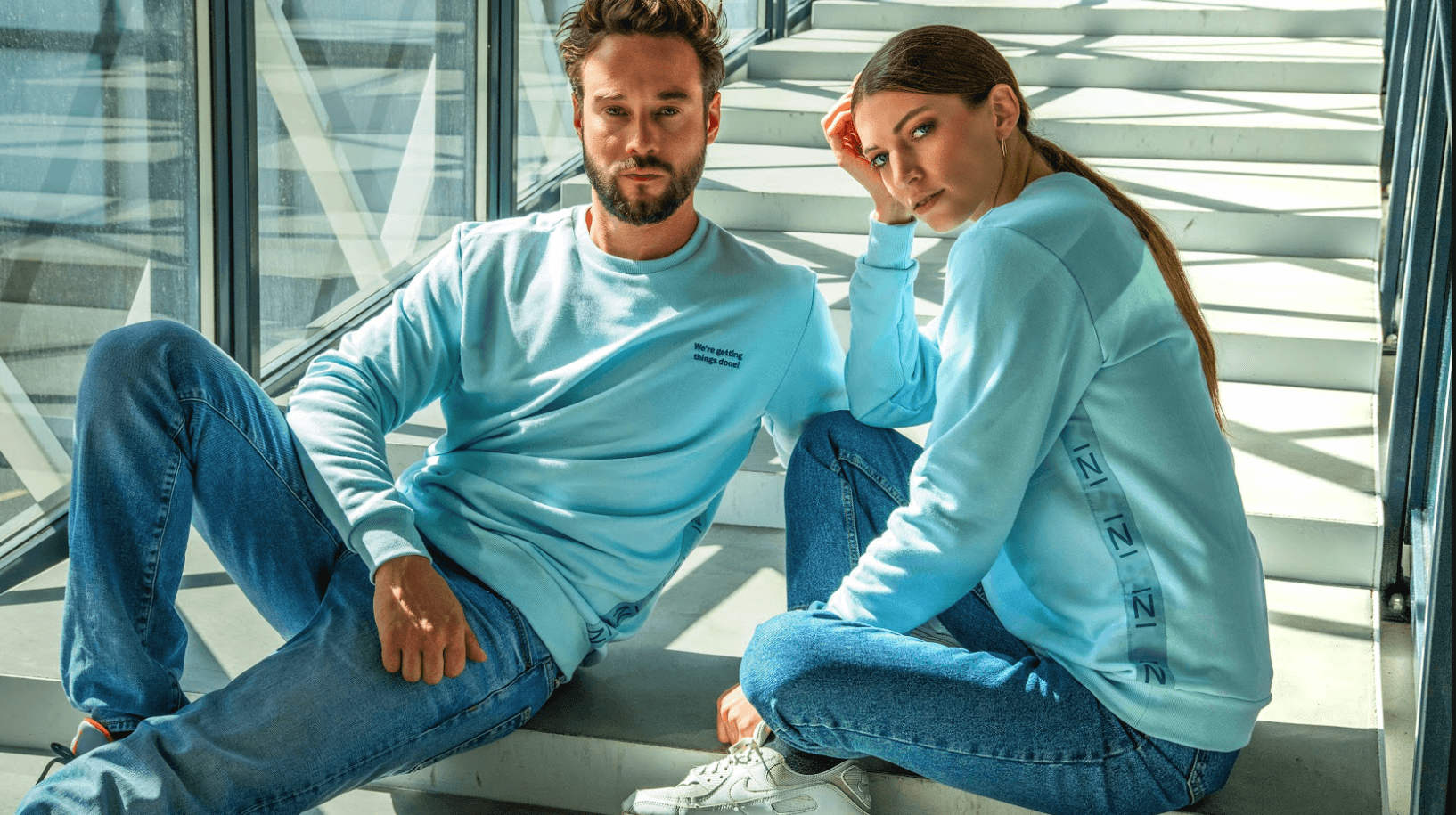
Apparel still works when the silhouette and fabric are right. In 2026, the safest route is fewer pieces, better blanks, and neutral palettes that layer well. Oversized logos date quickly; a small mark, tonal embroidery, or a label-style detail tends to last.
Look for suppliers that can document fiber blend, dye approach, and factory standards. Recipients notice when a hoodie keeps its shape after five washes.
3) “Compostable” done with taste
Compostable materials can read gimmicky if the design screams “green product.” The winning move is to make it look like a real product first, then make the material story a secondary discovery.
Examples that can work well:
- Plant-fiber phone stands or cable organizers
- Mycelium packaging that doubles as a desk tray
- Compostable mailers used for the entire kit, not just one component
Tech-forward merchandise people keep on their desk
Tech merch succeeds when it saves time or reduces friction at least once a day. In 2026, recipients are also wary of e-waste, so “tech-forward” should mean durable, repairable, and USB-C standardized whenever possible.
4) Qi2 magnetic charging tools with real design
Qi2 has brought welcome consistency. A compact magnetic wireless charger with a weighted base can become a daily habit item at home or work. Add a braided USB-C cable in a matching colorway and you have a set that looks intentional.
Branding tip: place the mark on the underside, or on a subtle side badge. Let the form speak first.
5) Privacy and security kits for hybrid work
A small “security kit” feels surprisingly premium when it is curated well: a slim webcam cover, a pair of RFID-blocking sleeves for travel, and a high-quality USB data blocker for public charging stations.
These items spark conversation because they signal competence, not consumption.
6) E-paper accessories that reduce screen fatigue
E-paper is finding its way into daily planning and note capture. While full e-paper devices are costly, accessories around them can be accessible: folios, pen tips, travel sleeves, or charging docks with cable management.
The key is to avoid “one-size-fits-none.” Pick one ecosystem and do it well, or offer a choice at redemption.
The “quiet luxury” of everyday carry
Everyday carry is a sweet spot for branding because it is intimate. A recipient reaches for it, feels it, and forms an opinion in seconds. In 2026, tactile quality and restraint are the tell.
7) Tooling that looks like industrial design
Minimal multi-tools, key organizers, and compact drivers can feel modern when the surfaces are matte, the edges are softened, and the mechanism is satisfying. Avoid bulky “survival” styling unless it matches your audience.
A small laser-etched mark on anodized aluminum often reads more premium than a printed logo.
8) Sound and focus accessories that travel
Not everyone wants headphones as swag, yet smaller sound-adjacent items can be hits: cable winders, hard-shell earbud cases, or desk stands that keep earbuds visible and easy to grab.
One sentence can do a lot here: the goal is to make the recipient’s morning setup easier.
9) The upgraded notebook category
Paper is not dead, it just needs to earn its place. Stone paper, responsibly sourced cotton paper, and refillable notebook systems are strong options when paired with a pen that feels balanced and writes cleanly.
Add value through structure: meeting templates, habit trackers, or project checklists printed inside. The branding becomes part of the utility.
Food, drink, and “consumables with standards”
Consumables can feel wasteful, yet they can also be the most human. The 2026 version is less sugar-rush and more considered sourcing.
10) Functional beverages with clean labeling
Electrolyte packets, specialty coffee concentrates, and non-alcoholic cocktail components work well for events and remote teams. The packaging can carry a brand story without becoming landfill.
When you can, choose mixes that avoid excessive sweeteners and artificial dyes. People read labels now.
11) Refillable tea and spice systems
A refillable tea tin with compostable sachets, or a spice trio with refill envelopes, turns a one-time gift into a small ritual. It also invites recipients to keep the container and remember where it came from.
Merch that changes shape: interactive and customizable ideas
Personalization is moving beyond “add a name.” Recipients want agency: color choices, modular add-ons, or digital components that update over time.
12) NFC-enabled items that open a useful page
NFC can be genuinely helpful when it is tied to something the recipient wants: a playlist for focus, a quick-start guide, a digital warranty, a community page, or a calendar link for office hours.
Good NFC merch is honest about data. It should work without an app, avoid tracking by default, and offer a clear opt-in if analytics are needed.
After you decide to include NFC, build a simple plan that keeps trust intact:
- Purpose: link to something that helps the recipient immediately
- Privacy: keep scanning anonymous unless the user opts in
- Longevity: host the destination URL somewhere you control long-term
- Fallback: print a short URL or QR for devices without NFC
- Support: include a plain-language “what this does” card
13) Choose-your-own kits (with restraint)
Instead of shipping one box to everyone, offer a small menu and let recipients select one item. Choice reduces waste and increases perceived value.
Keep the menu tight. Three strong options beat twelve average ones.
A practical view: matching ideas to budget and timeline
Below is a quick planning table you can use when mapping ideas to campaign needs. Costs vary widely by supplier and quantities, so treat these as relative bands rather than quotes.
| Idea category | Relative cost | Sustainability signal | “Keep it” factor | Typical lead time |
|---|---|---|---|---|
| Refill kits (soap tabs, pen refills) | Low | High | Medium to high | Short |
| Premium hoodie with tonal branding | Medium | Medium to high | High | Medium |
| Qi2 magnetic charger set | Medium | Medium | High | Medium |
| Security kit (RFID sleeves, data blocker) | Low to medium | Medium | High | Short to medium |
| Refillable notebook system | Low to medium | Medium | Medium to high | Short |
| NFC-enabled accessory (card, key fob, tag) | Low | Medium | Medium | Short |
| E-paper ecosystem accessories | Medium to high | Medium | High for the right audience | Medium |
| Tea/spice refill system | Low to medium | Medium to high | Medium | Short |
Branding details that make it feel designed, not stamped
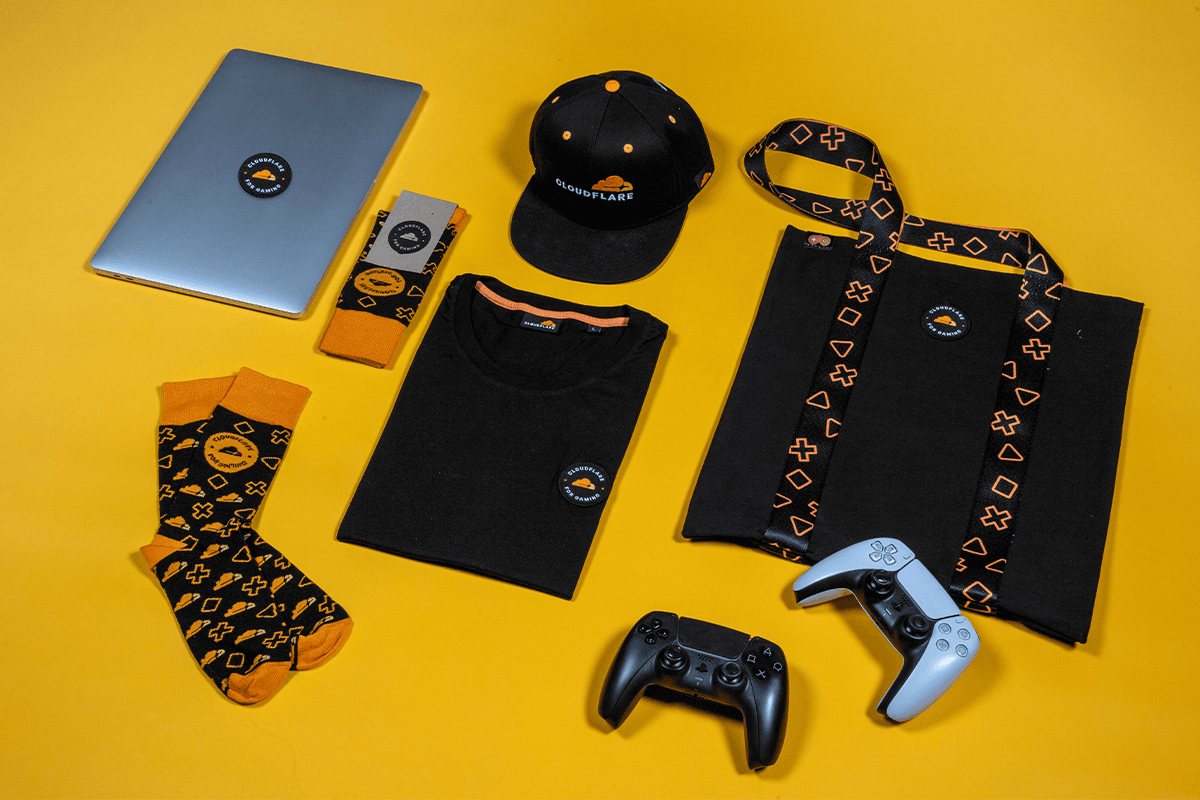
A logo can either finish an object or fight it. In 2026, the best branding often behaves like a maker’s mark: small, placed with intention, and consistent across the set.
Think in systems. If you are building a kit, use a shared color palette, one material finish, and one typography choice across physical inserts and landing pages.
A few high-performing approaches show up again and again:
- Tone-on-tone embroidery on apparel
- Debossed marks on leather alternatives or paper goods
- Laser etching on anodized metal
- Small woven tags instead of large chest prints
- Understated placement where the user’s hand does not constantly rub it
Packaging that earns its footprint
Packaging is part of the product now. A beautiful box that becomes clutter is still clutter. The more modern direction is “secondary use”: a mailer that becomes a cable tray, a rigid sleeve that becomes a desk organizer, or a cloth wrap that replaces tissue paper.
One paragraph in the insert can explain how to reuse the packaging, without moralizing. Clear, calm instructions beat guilt.
How to pick the right idea for your audience
Start with context, not catalogs. A sales kickoff crowd, a developer conference, a customer advisory board, and a recruiting push all want different objects, even if the budget is identical.
Ask a few direct questions before committing:
- Where will this live, desk, bag, kitchen, car?
- What is the one problem it solves in under ten seconds?
- Will it still work when the battery is gone?
- What breaks first, and can that part be replaced?
- Is the branding still tasteful if the recipient is not a superfan?
Then choose one hero item and one supporting piece. A single strong object with a small, smart companion often beats a box full of filler.
A strong 2026 merch plan is smaller, smarter, and easier to keep
The standout ideas this year are not louder. They are better edited.
Choose materials you can explain, tech that reduces friction, and design that respects the recipient’s space. When the object earns a place in someone’s daily routine, the brand naturally stays close.