

A customer service recovery gift is a small, thoughtful gift sent to a customer after a service failure has been resolved, never before. Fix the issue first, confirm the customer is satisfied, then send the gift within one to two days with a personal note. Tie the budget to the customer's value, keep it free of any sales pitch, and automate the logistics through your help desk so sending stays as easy as resolving the ticket.
This page answers the questions teams ask when they set up a recovery gifting programme. For the full strategy behind the answers, read the complete guide.
A resolved issue plus an unexpected, well-chosen gift turns a low point into a stronger relationship.
When and why
When should you send a customer service recovery gift?
Send it as soon as the issue is resolved, not before. The sequence is: solve the problem, confirm the customer is satisfied with the resolution, then send the gift. Sending a gift before the issue is fixed reads as a bribe or a distraction. A gift only works once the customer feels heard and the problem is genuinely behind them.
Do recovery gifts actually work?
Yes, when the issue is fixed first. A service failure is an emotional low point. Solving it well and adding an unexpected gesture creates a strong contrast, moving the customer from frustration to feeling recognised. The result can leave the relationship stronger than before the failure. It is especially powerful for subscription and recurring-revenue businesses where retention compounds.
Which failures deserve a gift?
Set internal thresholds rather than one universal rule. Weigh severity, duration, the inconvenience caused, the customer's value and lifetime value, churn risk, whether your company clearly erred, and whether the customer had to contact support more than once. Not every minor question needs an expensive gift, but in a recurring relationship even a small gesture reinforces trust.
Budget and what to send
How much should a recovery gift cost?
Tie the budget to the customer's value and the severity. A workable tiered model is: a minor issue up to around €10, a significant issue up to around €25, and a major issue or high-value customer up to around €50. The logic is retention math: if acquiring a replacement customer costs €100 and a €20 gift prevents churn, you have saved around €80 before counting the retained revenue.
What are good recovery gifts to send?
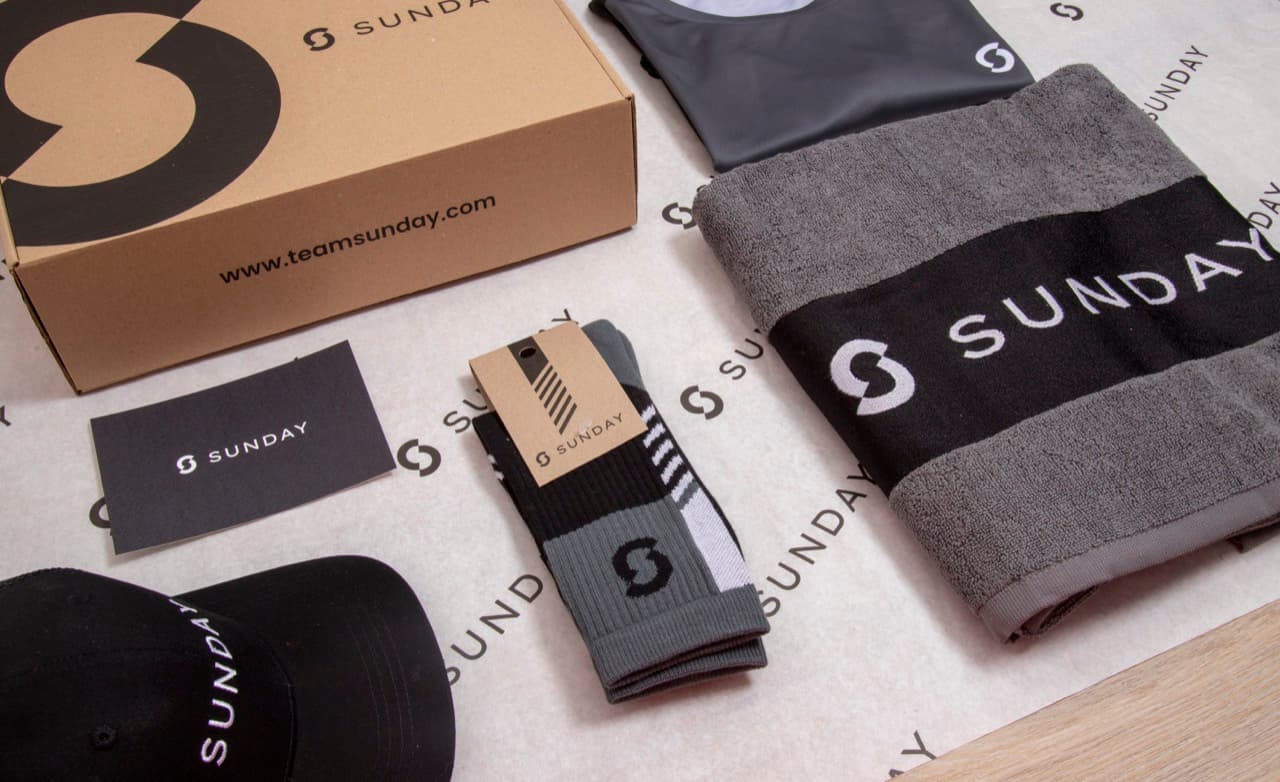
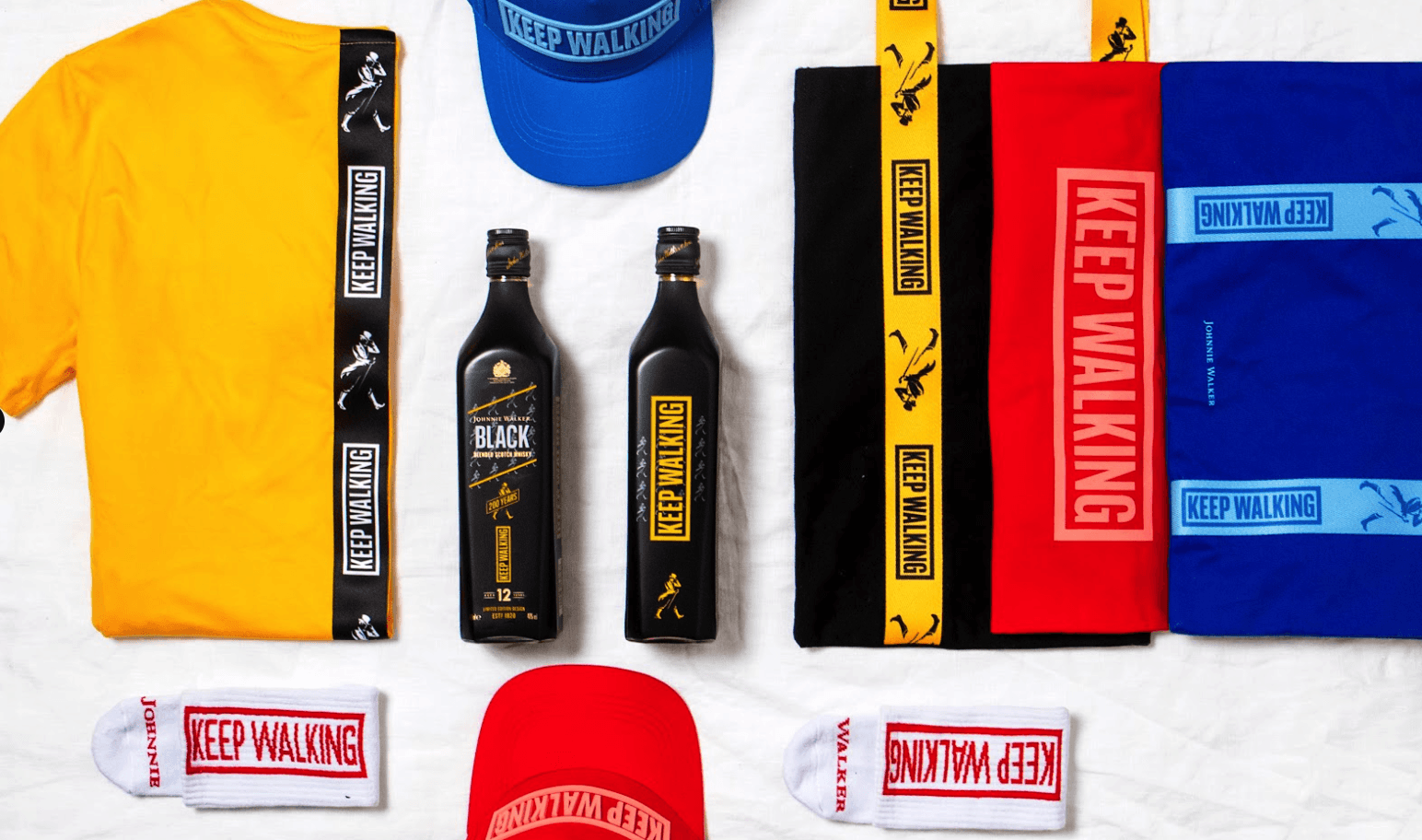
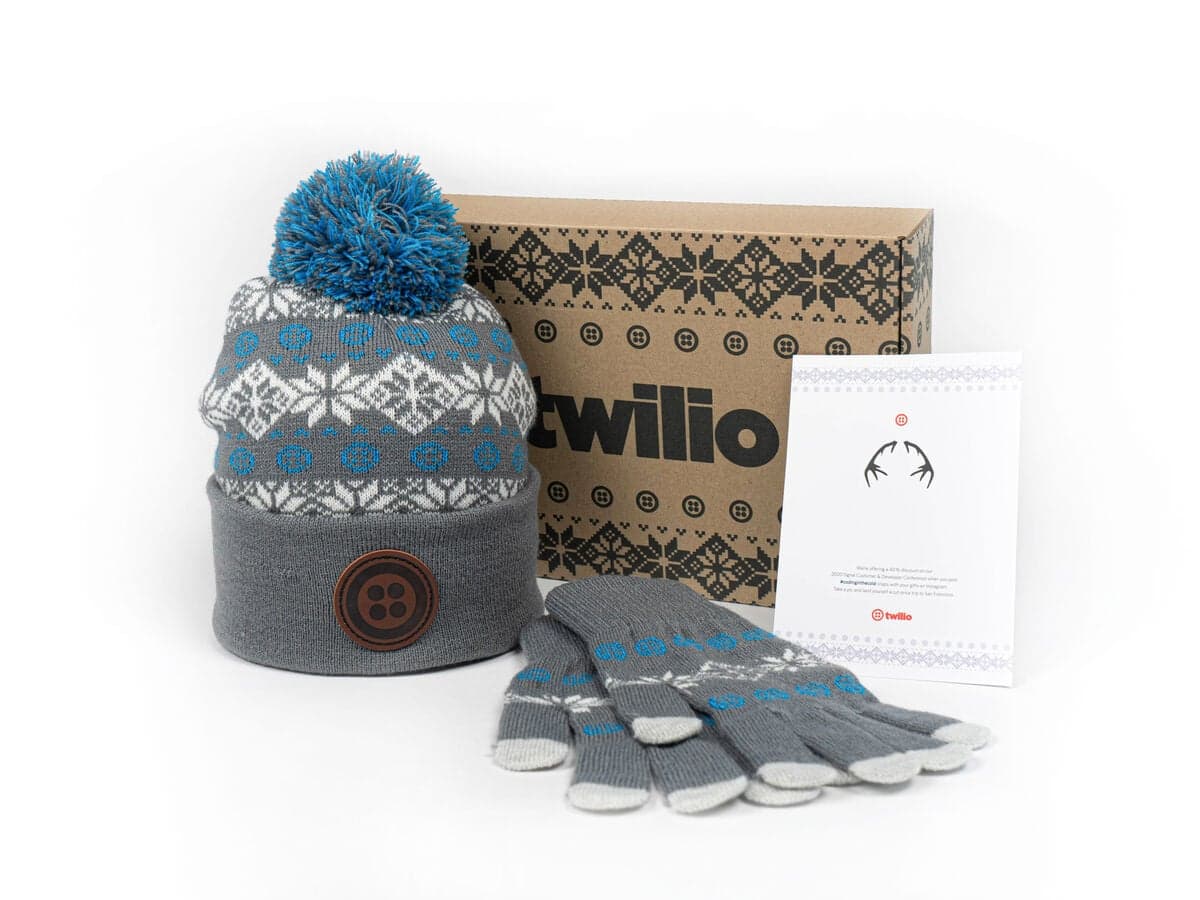
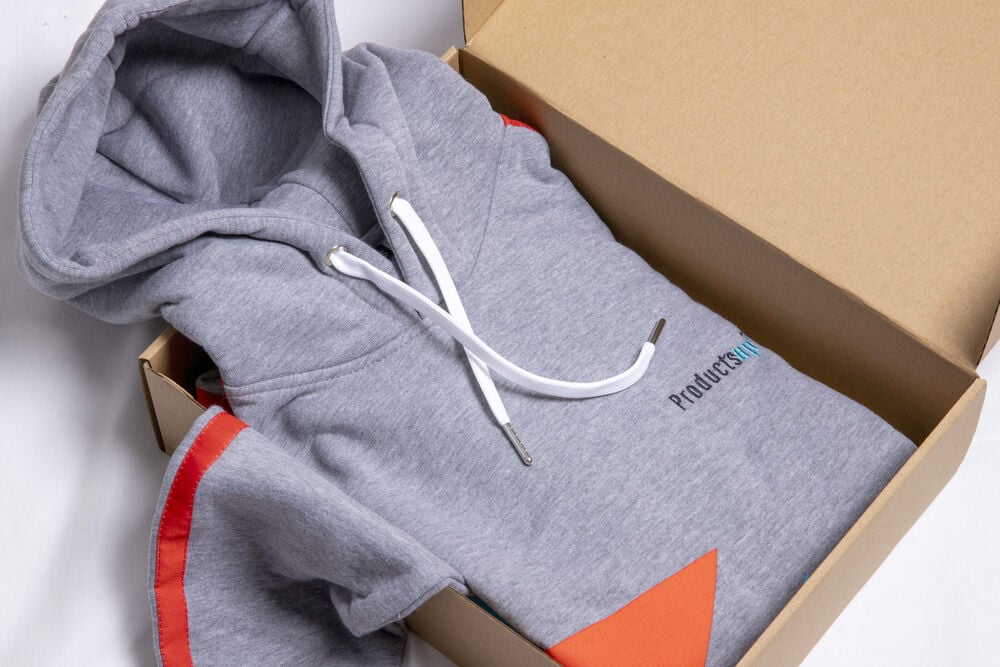
Use a small selection of approved, quality products mapped to your budget tiers, so the team can send fast without bespoke decisions each time. Practical, well-made branded items work well, and a premium item like a custom jacket suits a high-value account.
Does each gift need to be personalised?
The gift itself does not have to be unique per ticket. Run a small approved-product selection with budget rules instead. The real personalisation is the note: the support rep writes it in their own name and references the specific issue. For example: "I'm sorry you had an issue with your SIM card. Thank you for giving us the chance to fix it. I hope this puts a smile back on your face."
What should you never include in a recovery gift?
Anything that turns the apology into a sales pitch. No brochures, no discount-heavy messages, no upsells, no catalogues and no aggressive calls to action. Your company made the mistake, so the goal is to repair the relationship, not exploit the moment. The instant a recovery gift feels transactional, it backfires.
Logistics and measurement
How fast should the gift arrive?
Initiate it immediately on resolution and aim for delivery within one to two days. The longer the wait, the weaker the link between the fix and the gesture. The clean sequence is: rep resolves the ticket, the customer confirms satisfaction, the rep triggers the gift, it ships at once and arrives while the experience is still fresh.
Can recovery gifting be automated?
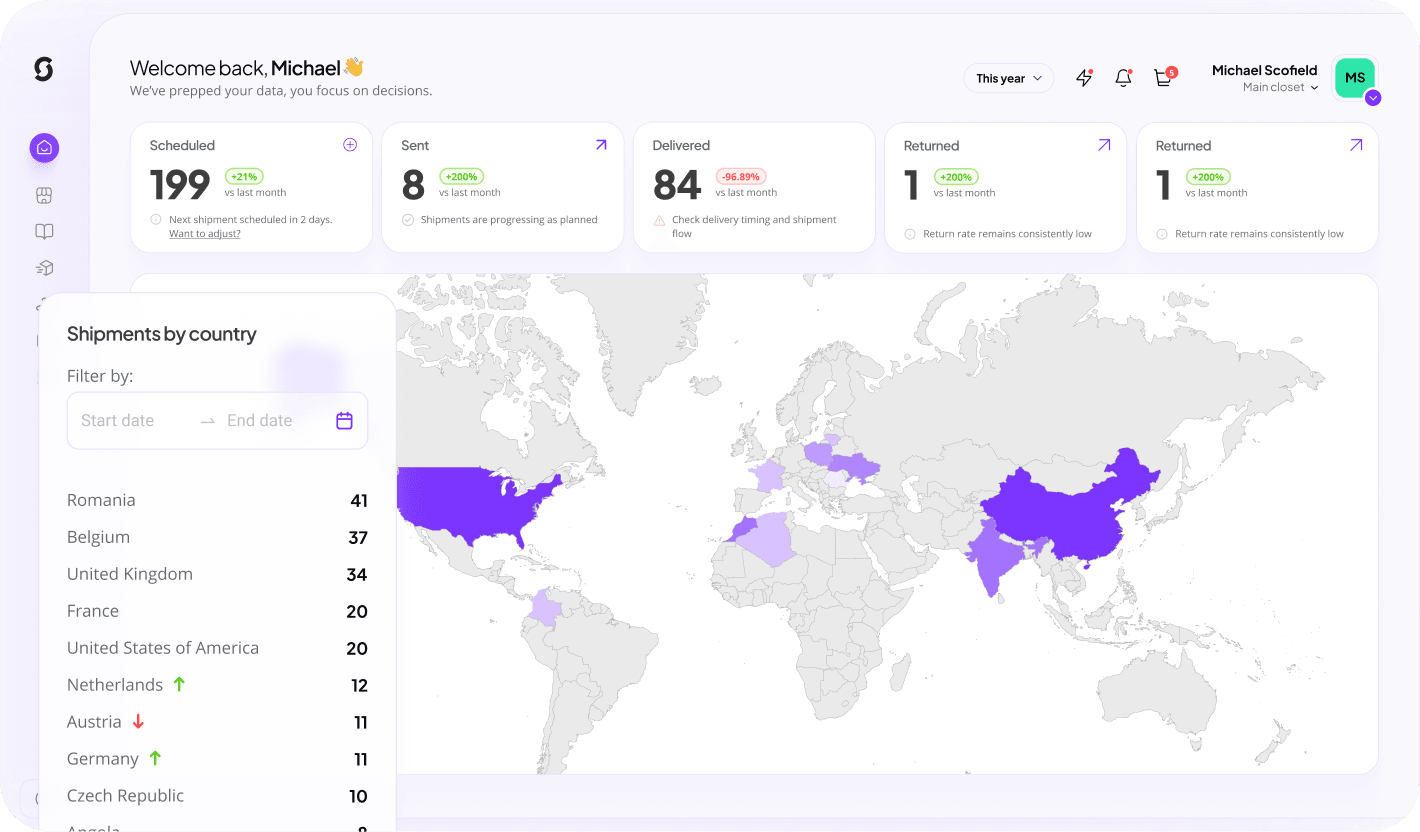
Yes, the logistics automate while the interaction stays personal. With a help-desk integration such as Zendesk connected to Sunday, the rep resolves the ticket, marks it resolved, selects an approved gift and budget tier, adds a personal note, and Sunday creates and fulfils the shipment, collects the address, handles inventory, customs and tracking. Automation removes the admin, not the empathy.
Who owns the recovery gifting programme?
Strategy usually sits with the teams owning NPS, retention and relationships, so marketing, customer marketing or customer success set the budget, products and rules. Support executes, because it owns the interaction and knows when an issue is truly resolved. Sunday handles the platform, automation, fulfilment and reporting. Support needs onboarding, approved budgets and regular reminders to stay consistent.
How do you measure the impact?
Track NPS or satisfaction for immediate sentiment, and retention or churn against a comparable non-gifted group for the real effect, ideally as a controlled test. Watch for social and word-of-mouth posts, since customers sharing the gift is positive exposure. Over time, look at repeat purchases, renewal rates, lifetime value, complaint recurrence and referrals.
Does recovery gifting work in B2B and B2C?
Both. It is strongest where revenue is recurring or repeat: telecom, software and SaaS, recurring service agreements, e-commerce with returning customers, marketplaces, financial services, memberships and long-term B2B accounts. It works for one-off transactions too, but the clearest payoff is when the relationship continues.
To set this up as a structured workflow, with approved gift collections, budget tiers, help-desk integration, personal notes and global fulfilment, see the platform and how it works. For sending to customers anywhere, that is what distribution handles. Browse gift options in the catalog, and preview a branded jacket for a high-value account with the free jacket mockup generator.
Keep reading: customer service recovery gifts
Build your recovery gifting workflow
Approved gifts, budget tiers and help-desk automation, so sending a recovery gift is as easy as resolving the ticket.
Build this campaign