


Customer service recovery gifts are small, thoughtful gifts a company sends after resolving a customer problem, to repair and strengthen the relationship. The rule is fix first, gift second: solve the issue, confirm the customer is satisfied, then send the gift with a personal note within one to two days. The gift is not a replacement for the fix and never an upsell. It is most powerful for subscription and recurring-revenue businesses, where retaining a customer with a EUR 20 gesture is far cheaper than spending EUR 100 to acquire a new one.
One note before we start: this guide is for companies running recovery gifting as a deliberate retention play, in B2B and B2C. It is different from proactive thank-you gifting. A recovery gift is reactive, sent after something went wrong. For the proactive version, see customer appreciation gifts. Here the whole point is the sequence: a bad experience, handled fast and generously, can leave the relationship stronger than before the failure.
Fix first, gift second
Start with the rule that everything else follows from. A recovery gift is not a replacement for solving the problem. Fix the issue, communicate clearly, make the customer feel heard, and then send a gift. The gift reinforces the recovery. It says, "we're sorry this happened, and thank you for giving us the chance to fix it."
Get the order wrong and the gift backfires. Sending merch before the problem is solved reads as a bribe or a distraction. It looks like you are trying to buy your way out of responsibility instead of taking it. Never use a gift to avoid the fix. The gift only works when it lands after the customer already feels taken care of.
The recovery workflow
The whole programme runs on three steps. They are simple, and the discipline is in keeping them in order.
- 1. Solve the issue. Resolve the actual problem the customer came to you with.
- 2. Confirm satisfaction. Check the customer is genuinely happy with the resolution, not just that the ticket is closed.
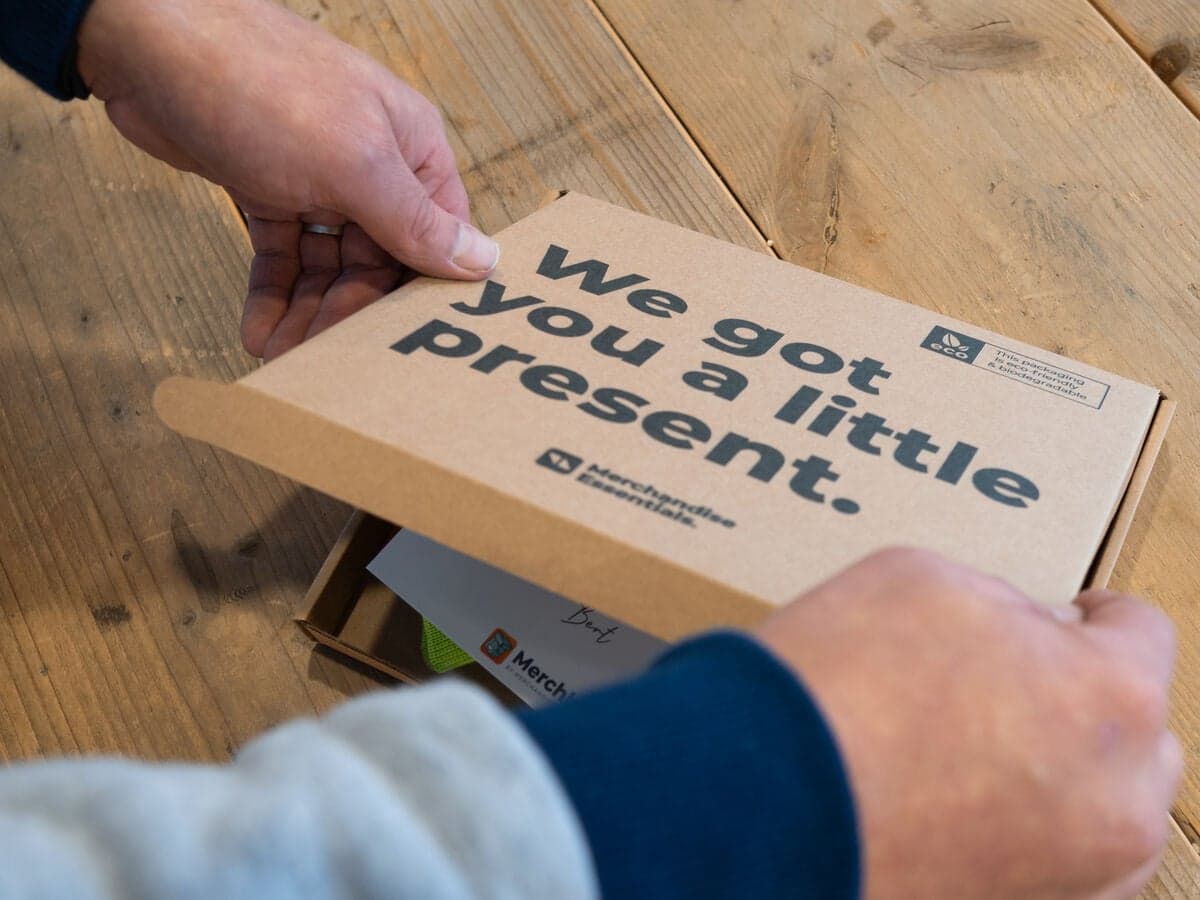
- 3. Send the gift immediately. A thoughtful gift with a personal note, sent as soon as the issue is resolved.
A bad experience handled fast, human and generous can leave the relationship stronger than it was before the failure. That is the prize. The workflow exists to make sure the gift always lands at the moment it strengthens trust, not the moment it undermines it.
Why it works
A service failure is an emotional low. The customer is frustrated, maybe ready to leave. Solving the problem brings them back to neutral. Adding an unexpected gesture on top creates a strong contrast: frustration turns into feeling recognised and appreciated. That swing is the mechanism. It is far more memorable than a smooth experience that never went wrong.
And the message is bigger than "sorry." A recovery gift says "thank you for staying loyal," "thank you for reaching out," "thank you for letting us fix it," and "we value this relationship." It works in both B2B and B2C, and it is especially powerful for subscription and recurring-revenue businesses, where keeping a customer has direct, compounding long-term value.
Timing: send within 1 to 2 days
Speed is part of the gift. Send it as soon as the issue is resolved, ideally initiated immediately and arriving within one to two days. The longer the wait, the weaker the link between the resolution and the gesture. A gift that arrives two weeks later feels disconnected from the problem it was meant to address.
The sequence in practice: the rep resolves the ticket, the customer confirms they are satisfied, the rep initiates the gift, it ships immediately, and it arrives while the experience is still fresh. The shorter that loop, the stronger the contrast between the low point and the gesture that follows it.
The Mobile Vikings example
Mobile Vikings, a telecom where subscription retention is critical, runs recovery gifting inside its support workflow. After resolving a connectivity or SIM issue, the service team sends a branded gift, for example a Mobile Vikings beanie. The customer does not just get their problem fixed. They get a small signal that the company recognised the inconvenience.
The reason it works is that it is integrated into the customer-service workflow, not run as a separate manual campaign. The team that closes the ticket is the team that sends the gift, at the moment the issue is resolved. That is what keeps the timing tight and the gesture genuine.

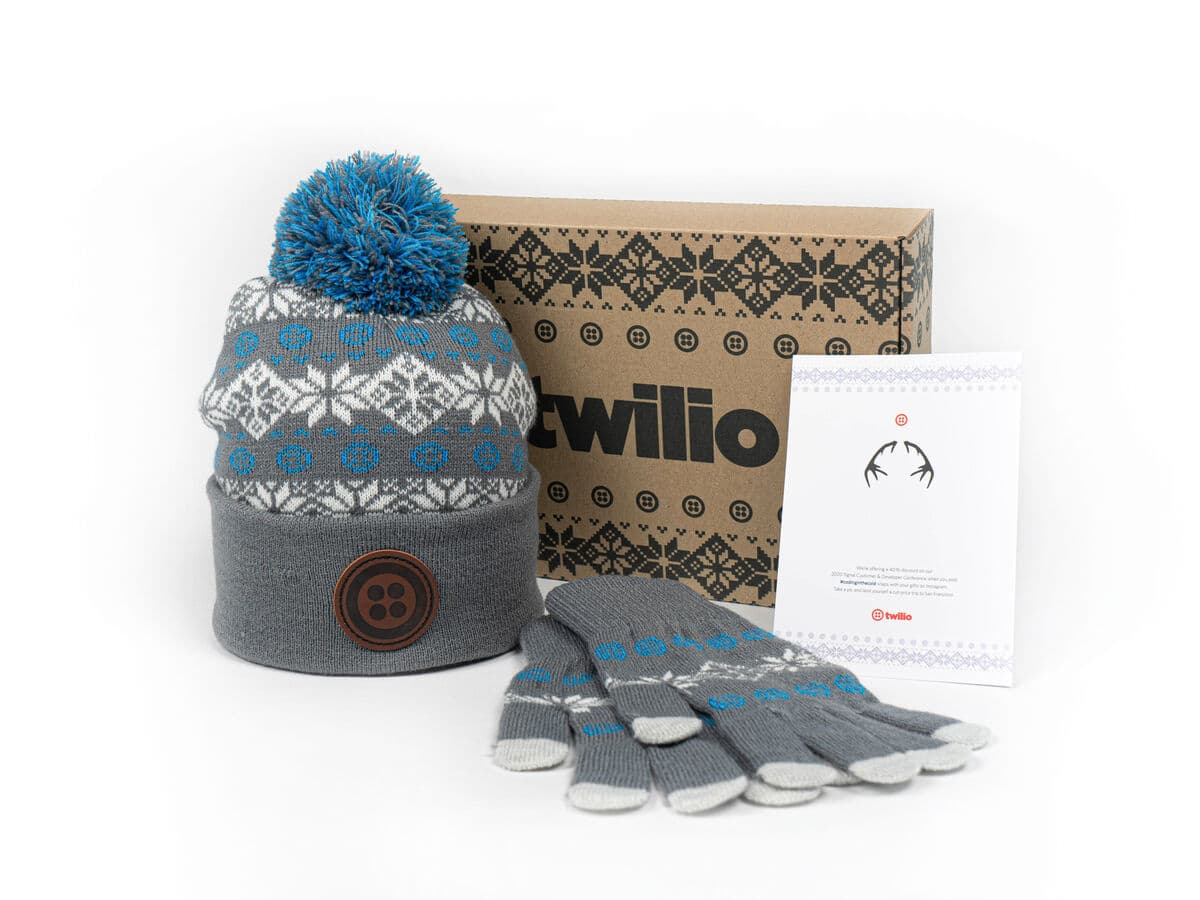
A branded beanie of the kind Mobile Vikings sends after resolving a SIM or connectivity issue. Small, useful and sent from the support desk, it turns a frustrating moment into a positive memory.
Which businesses it suits
Recovery gifting is strongest where revenue is recurring or repeat. When the relationship continues, the value of keeping a customer is high and a small gesture pays back many times over.
- Telecom and SaaS. Subscriptions where churn has a direct, ongoing cost.
- Recurring service agreements and memberships. Renewal is the whole business model.
- E-commerce with returning customers and marketplaces. Repeat purchase value over time.
- Financial services and long-term B2B accounts. High lifetime value, high cost to replace.
It can work for one-off transactions too, but the clearest case is when the relationship continues. The more the future revenue depends on this customer staying, the more a thoughtful recovery gift earns its place.
Which failures warrant a gift
Not every minor question needs an expensive gift. The right move is to define internal thresholds rather than a single universal rule. Weigh the factors that actually matter:
| Consider | Why it matters |
|---|---|
| Severity and duration | How serious the issue was and how long it lasted |
| Inconvenience | How much the failure actually disrupted the customer |
| Customer value and LTV | How much the relationship is worth over time |
| Recurring revenue and churn risk | Whether losing them has compounding cost |
| Clear company error | Whether the company plainly got it wrong |
| Repeated contact | Whether the customer had to reach support multiple times |
In a recurring relationship, even a small gesture reinforces trust, so the bar does not have to be high. The thresholds just keep the spend proportionate to the situation.
Budget tiers and products
A recovery gift does not need to be unique to every ticket. The scalable approach is a small, approved product selection plus budget rules. Tie the budget to how significant the issue was.
| Issue level | Budget | Example |
|---|---|---|
| Minor issue | Up to EUR 10 | A small branded item that puts a smile on their face |
| Significant issue | Up to EUR 25 | A more substantial gift for a real inconvenience |
| Major issue or high-value customer | Up to EUR 50 | A premium gesture for a serious failure or an important account |
Define the products allowed in each tier in advance. That way the rep is choosing from an approved set, not improvising, and the programme stays consistent and on-brand.
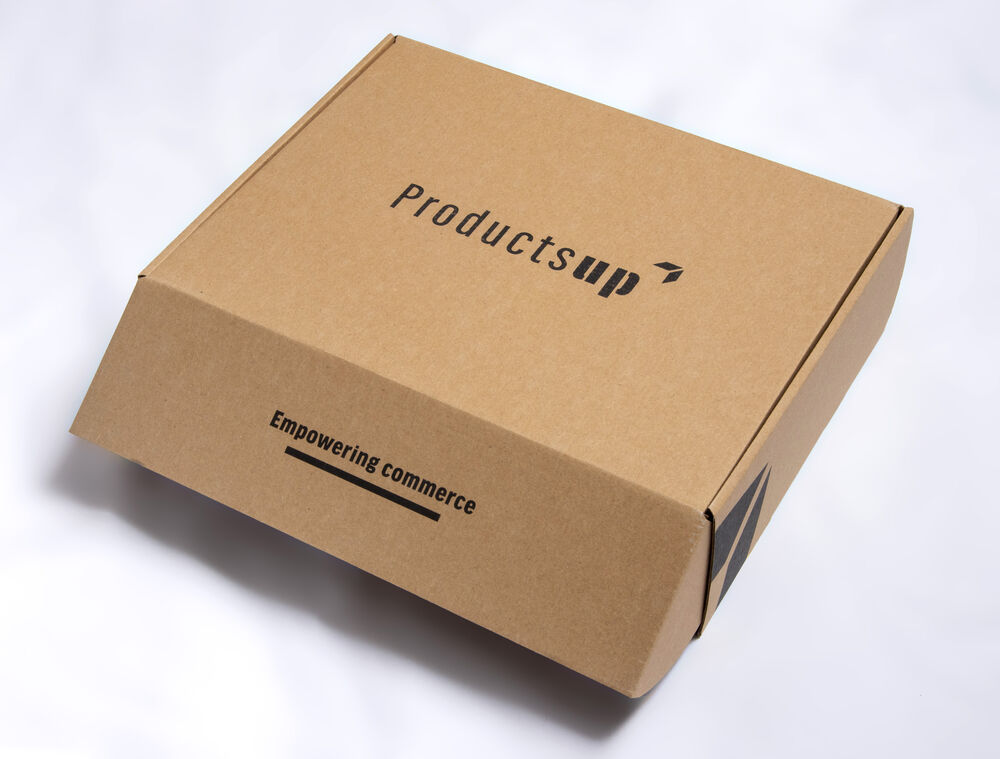
The approved product matters less than the note inside. The gift is the gesture, but the personal message, written by the rep in their own name, is what makes it land.
The note does the real work
The primary personalisation is not the product. It is the note. The rep writes it in their own name and references the specific issue. That turns a standard gift into a person-to-person gesture, which is the entire point.
Keep notes short, specific and genuine. Name the issue, thank the customer for the chance to fix it, and sign it personally. A generic card on an expensive gift lands worse than a thoughtful note on a small one.
Apology gifts for customers: get the message right
An apology gift for a customer is only an apology if the message is an apology. The gesture has to say "we're sorry, and we value you," not "here's a coupon." That means the tone is humble, the note is personal, and there is nothing in the package that asks the customer for anything in return. The moment an apology gift carries a sell, it stops being an apology.
The strongest apology gifts are useful and brand-appropriate rather than expensive. Something the customer will actually keep and use carries the message forward every time they reach for it. The gift is the wrapper. The apology is the content.
Gifts to win back customers
Recovery gifting overlaps with winning customers back, but the timing differs. A recovery gift goes to a customer you have just kept, right after resolving their issue, to make sure they stay. A win-back gift goes to a customer who is wavering or has one foot out the door. The principles are the same: solve the underlying reason first, then send something genuine with a personal note, and never bundle it with a discount-heavy pitch.
For a high-value account that is wavering, a premium gift carries more weight than a small one. A substantial, useful item signals that you take the relationship seriously. This is where a gift like a quality branded jacket earns its place, which we come to below.
How to repair customer trust
Trust is repaired by behaviour, not by gifts. The gift is the final reinforcement on top of behaviour that already rebuilt trust. So the order matters again: resolve the issue properly, communicate clearly and honestly, make the customer feel heard, and only then add the gesture. A gift sent in place of any of those steps damages trust rather than repairing it.
Done in the right order, the gift compounds the recovery. The customer remembers not the failure but how well it was handled, and the unexpected gesture at the end is what fixes that memory in place. That is how a recovery becomes a stronger relationship rather than a patched-up one.
Gifts for high value clients
For a high-value client, the calculus shifts. A EUR 50 gesture for a customer spending tens of thousands is negligible against the potential loss, so the gift can and should be more substantial. This is where premium items belong: something the client keeps, uses and associates with the relationship.
A quality custom jacket is a strong example. It is practical, high in perceived value, and it travels with the recipient for years, which keeps the relationship visible long after the issue is forgotten. If a key account had a serious failure, a premium branded jacket sent with a personal note from their account manager is a far stronger signal than a token gift. Browse the custom jackets range, or preview a design in the client's own colours with the free jacket mockup generator.
What never to send
A recovery gift must never become a sales promotion. The company made a mistake. The goal is to repair the relationship, not exploit it. So the package should never include any of the following:
- Brochures or catalogues. They turn an apology into a sales touch.
- Discount-heavy messages. A discount asks the customer to spend more, right after you let them down.
- Upsells or aggressive CTAs. Anything that makes the apology feel transactional.
The test is whether the package asks the customer for anything. If it does, it is no longer a recovery gift. Repair, don't exploit.
The retention math
The business case is simple arithmetic. If acquiring a replacement customer costs around EUR 100 and a EUR 20 gift prevents churn, you have saved roughly EUR 80 before you even count the revenue you retained. For a customer spending tens of thousands a year, a EUR 50 gesture is negligible against the potential loss.
The budget should track retention value, not the cost of the failure. The question is never "what did this issue cost us," it is "what is this customer worth if they stay."
Automate without losing the human touch
The logistics should be automated. The interaction should stay personal. Those are not in tension if you split them correctly. With a help-desk integration, for example Zendesk connected to Sunday, the flow looks like this:
- The rep handles the ticket and marks it resolved.
- The rep selects an approved gift and budget level.
- The rep adds a personal note.
- Sunday creates and fulfils the shipment automatically.
- The customer receives the gift within a day or two.
The human touch starts with solving the problem, and the personal note keeps the gift person-to-person. Everything in between, the address collection, the shipping, the tracking, is handled in the background. Automation removes the admin, not the empathy.
Measuring impact
Recovery gifting is measurable, and it should be measured. Use a layered set of signals rather than a single number.
- NPS and satisfaction. Immediate sentiment after the gesture.
- Retention and churn. Compare gifted customers to a similar non-gifted group, ideally as a controlled or A/B test.
- Social and word of mouth. Customers posting the gift is positive exposure in itself.
- Downstream value. Repeat purchases, renewal rates, lifetime value, support satisfaction, complaint recurrence, referrals and account expansion.
The controlled comparison is the most important. Retention and churn measured against a similar group that did not receive a gift is what turns recovery gifting from a nice gesture into a proven retention lever.
Who owns it
Recovery gifting sits with the teams that own NPS, retention and relationships. In practice that means it is initiated by marketing, customer marketing or customer success, and executed by support, because support owns the interaction and knows when the issue is truly resolved.
| Team | Role |
|---|---|
| Marketing / customer success | Owns strategy, budget, products, rules and performance |
| Support | Selects and sends the gift at the right moment |
| Sunday | Handles the platform, automation, fulfilment and logistics |
Support needs onboarding, approved budgets, a defined product selection and regular reminders to keep it consistent. The strategy is owned centrally, the moment of sending is owned by the people closest to the customer.
How Sunday fits
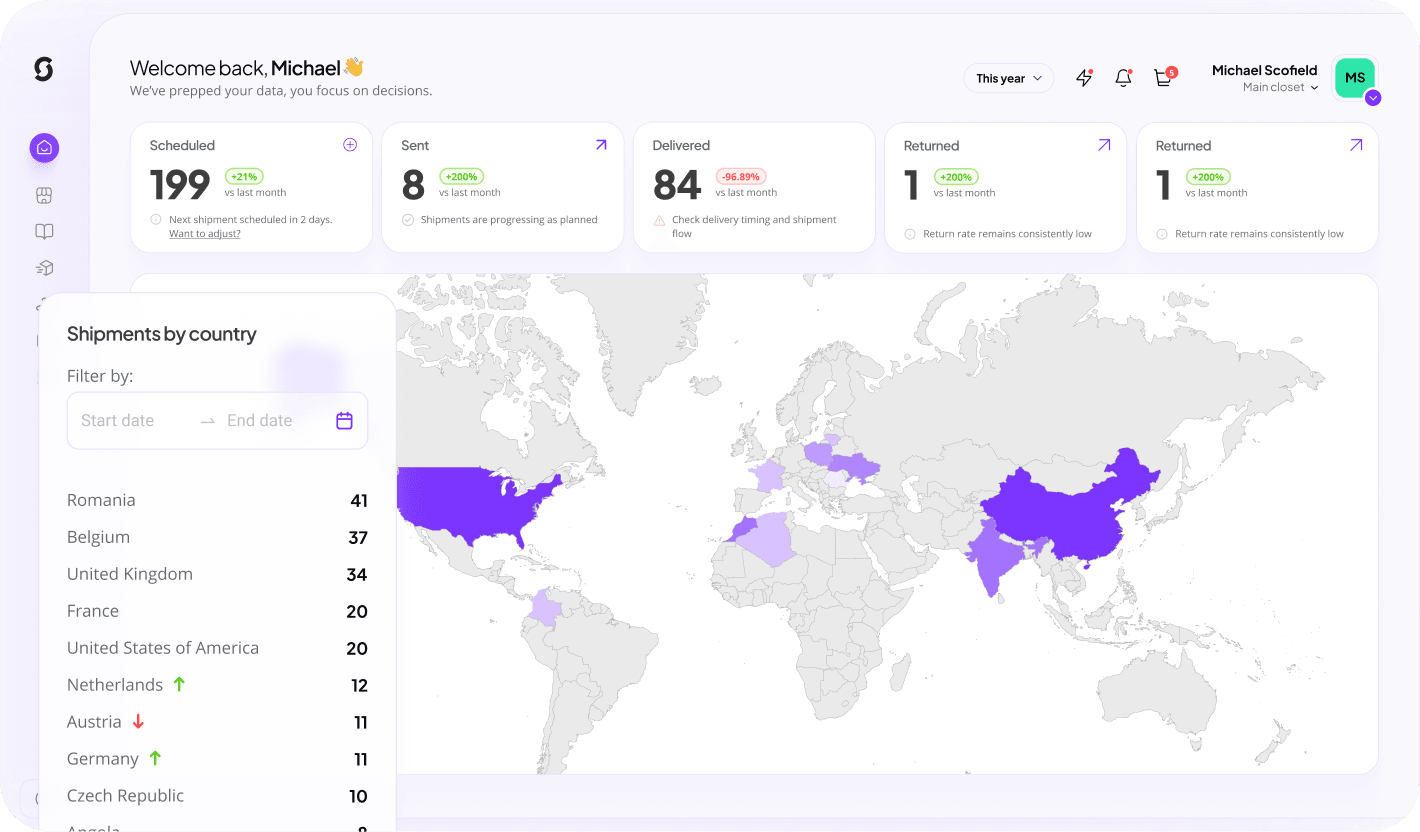
Sunday turns recovery gifting into a structured, scalable workflow. Approved gift collections, budget tiers, a help-desk integration such as Zendesk, personal notes, automated shipment creation, address collection, inventory, global fulfilment, customs, tracking and reporting all run on one platform. The goal is to make sending the gift as easy as resolving the ticket.
That is the whole idea. When the gesture is one click inside the tool the support team already uses, it actually happens, consistently, at the right moment. Explore the full catalog of products that suit each budget tier, see how it works, and note that shipping gifts to customers across borders is exactly what our distribution service handles. The fix stays human. The logistics disappear.
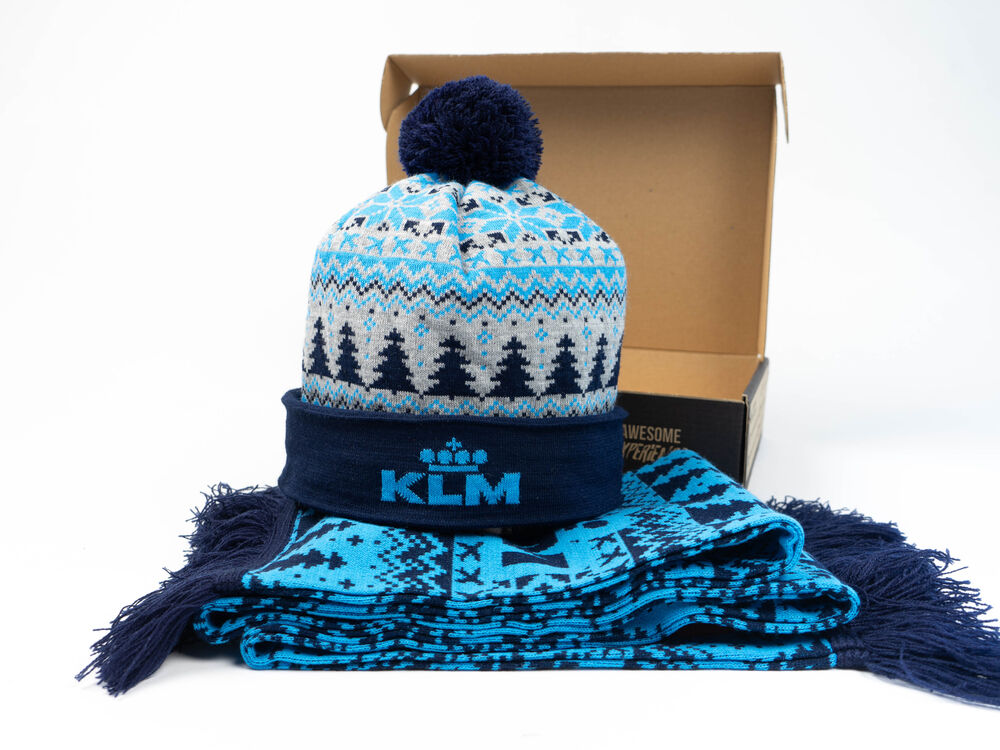
The gift arrives within a day or two, while the experience is still fresh. Sunday handles address collection, fulfilment, customs and tracking, so the support team only has to choose the gift and write the note.
Make sending the gift as easy as closing the ticket
Approved collections, budget tiers, help-desk integration and personal notes, with fulfilment handled end to end. Build your recovery gifting workflow with Sunday.
Build this campaign with SundayCustomer service recovery gifts: questions answered
What is a customer service recovery gift?
It is a small, thoughtful gift a company sends after resolving a customer problem, to repair and strengthen the relationship. It is sent with a personal note, after the issue is fixed and the customer confirms they are satisfied. It is not a replacement for solving the problem and never an upsell. Done in the right order, it turns a service failure into a stronger relationship than existed before.
Should I send the gift before or after fixing the problem?
Always after. Fix the issue, communicate clearly, make the customer feel heard, confirm they are satisfied, then send the gift. Sending merch before the problem is solved reads as a bribe or a distraction and looks like you are avoiding responsibility. The gift only reinforces the recovery when it lands after the customer already feels taken care of.
How quickly should a recovery gift be sent?
As soon as the issue is resolved, ideally initiated immediately and arriving within one to two days. The longer the wait, the weaker the link between the resolution and the gesture. The sequence is: the rep resolves the ticket, the customer confirms satisfaction, the rep initiates the gift, it ships immediately and arrives while the experience is still fresh.
How much should a recovery gift cost?
Tie the budget to the issue and the customer's value. A common structure is up to EUR 10 for a minor issue, up to EUR 25 for a significant one, and up to EUR 50 for a major failure or a high-value customer. The logic is retention value, not the cost of the failure: if acquiring a replacement costs around EUR 100, a EUR 20 gift that prevents churn already saves roughly EUR 80 before counting retained revenue.
What should the personal note say?
The note is the real personalisation. The rep writes it in their own name and references the specific issue. For example: "I'm sorry you had an issue with your SIM card. Thank you for giving us the opportunity to solve it. I hope these socks can still put a smile on your face." Keep it short, specific, genuine and personally signed. A thoughtful note on a small gift beats a generic card on an expensive one.
What should a recovery gift never include?
Never include a sales promotion: no brochures, catalogues, discount-heavy messages, upsells or aggressive calls to action. The company made the mistake, so the goal is to repair the relationship, not exploit it. The test is whether the package asks the customer for anything. If it does, it is no longer a recovery gift. Repair, don't exploit.
Can recovery gifting be automated?
Yes, the logistics can be fully automated while the interaction stays personal. With a help-desk integration such as Zendesk connected to Sunday, the rep marks the ticket resolved, selects an approved gift and budget level, and adds a personal note. Sunday then creates and fulfils the shipment automatically, including address collection, shipping and tracking. Automation removes the admin, not the empathy.
How is this different from customer appreciation gifting?
Recovery gifting is reactive, sent after a service failure to repair the relationship. Customer appreciation gifting is proactive, a thank-you or loyalty gesture sent when nothing has gone wrong. They use similar products and the same personal-note principle, but the trigger and the message differ.