


The gift isn't what breaks. The address collection does.
A single-office Christmas gift is a solved problem: buy the items, hand them out, done. A remote or multi-country team turns the same task into a logistics project. Someone has to post a request in Slack, chase the people who don't reply, keep an Excel sheet current as addresses change, split the order by location, and then track a hundred individual shipments instead of one pallet to reception.
None of that is really about gifting. It's operations work that happens to be attached to a gift, and it's usually where the whole thing goes wrong. Sunday runs a similar automated collection flow for B2B welcome gifting; see client onboarding gifts for how that version works off a CRM trigger.
Where it actually breaks
- Addresses go stale. People move, especially fully remote staff, and the HR system of record is rarely as current as it should be by December.
- One form, chased for weeks. A shared spreadsheet or form works until 20% of the team ignores it, and someone has to follow up individually.
- One-size-fits-all sizing. Picking a single item centrally and shipping it to everyone guarantees a percentage of wrong sizes and unwanted items, and there's no easy way to fix that after the fact for a remote team.
- Customs, multiplied. A single order to one office clears customs once. The same order split across a dozen countries means a dozen separate customs events, each a place for a package to stall.
- No visibility once it ships. Without individual tracking, "did everyone get their gift" becomes a question nobody can answer until complaints start arriving in January.
What has to be true for it to work
- Recipients confirm their own address. The person who knows their current address is the recipient, not a spreadsheet from six months ago.
- People choose, within limits. A short list of options, not one fixed item, removes most sizing and taste failures before they happen.
- Shipping splits automatically by location. Office deliveries and individual home shipments need to run as separate flows, not one bulk order forced to fit both.
- Someone follows up on non-responders automatically. A reminder that goes out on its own beats a person manually re-pinging a Slack channel every few days.
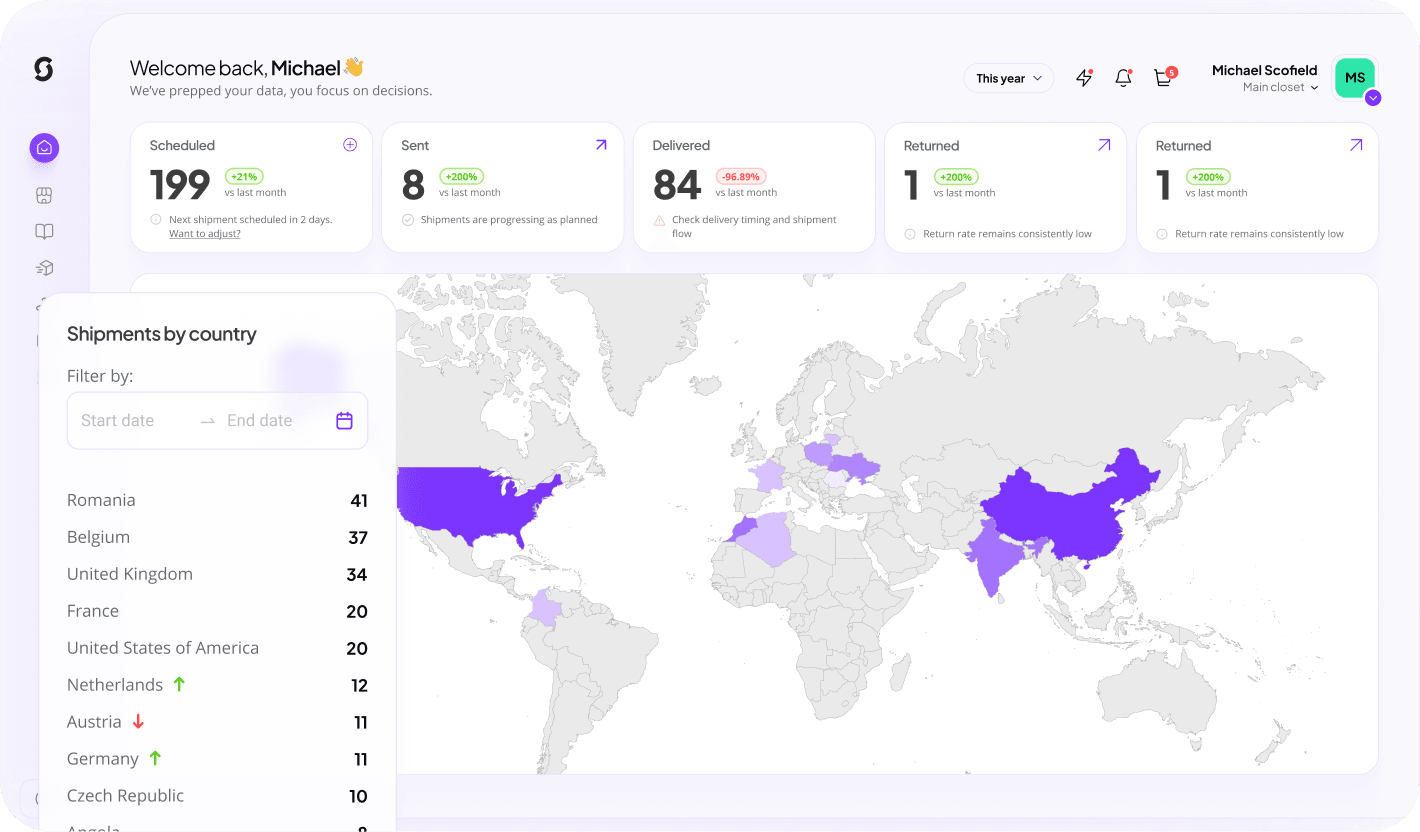
- Tracking is visible in one place. One dashboard showing delivery status across every recipient, not a hundred separate tracking emails to check by hand.
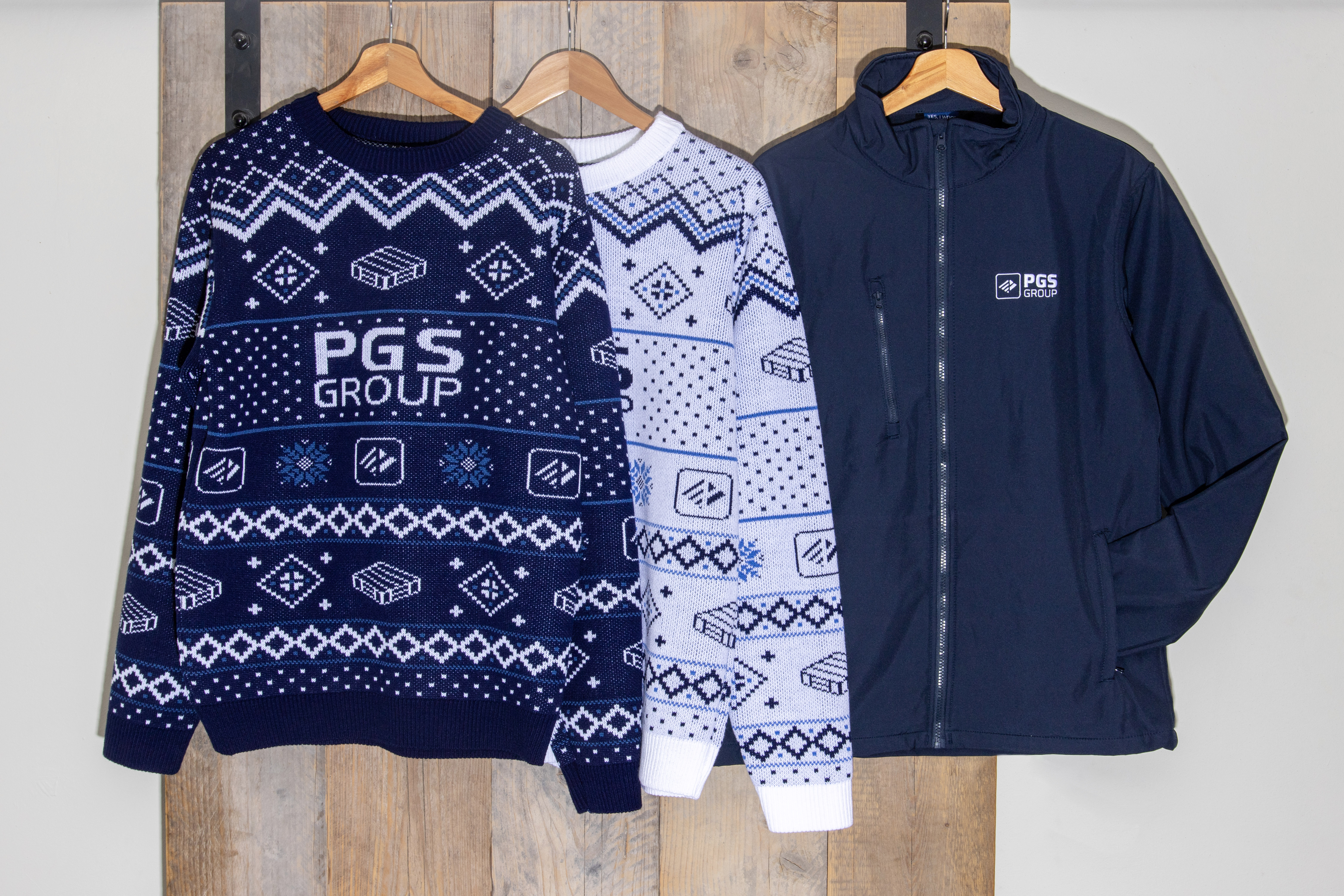
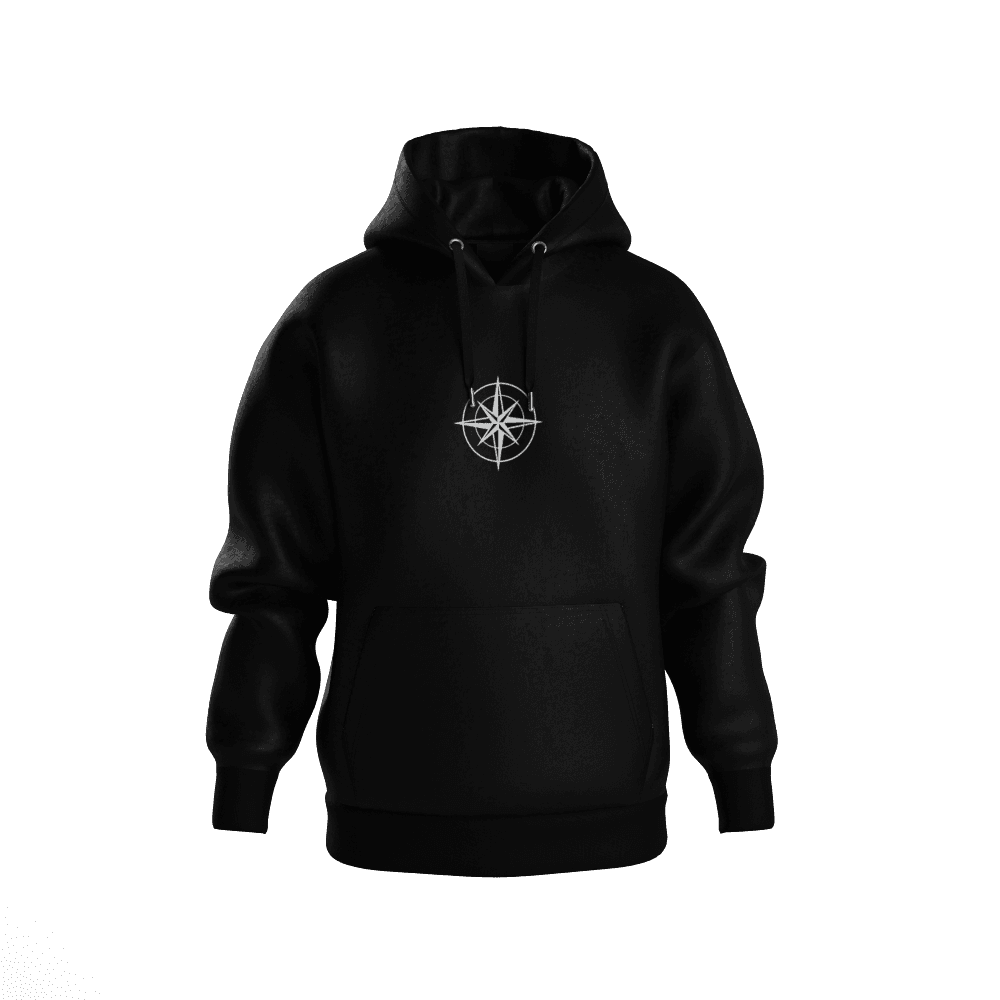
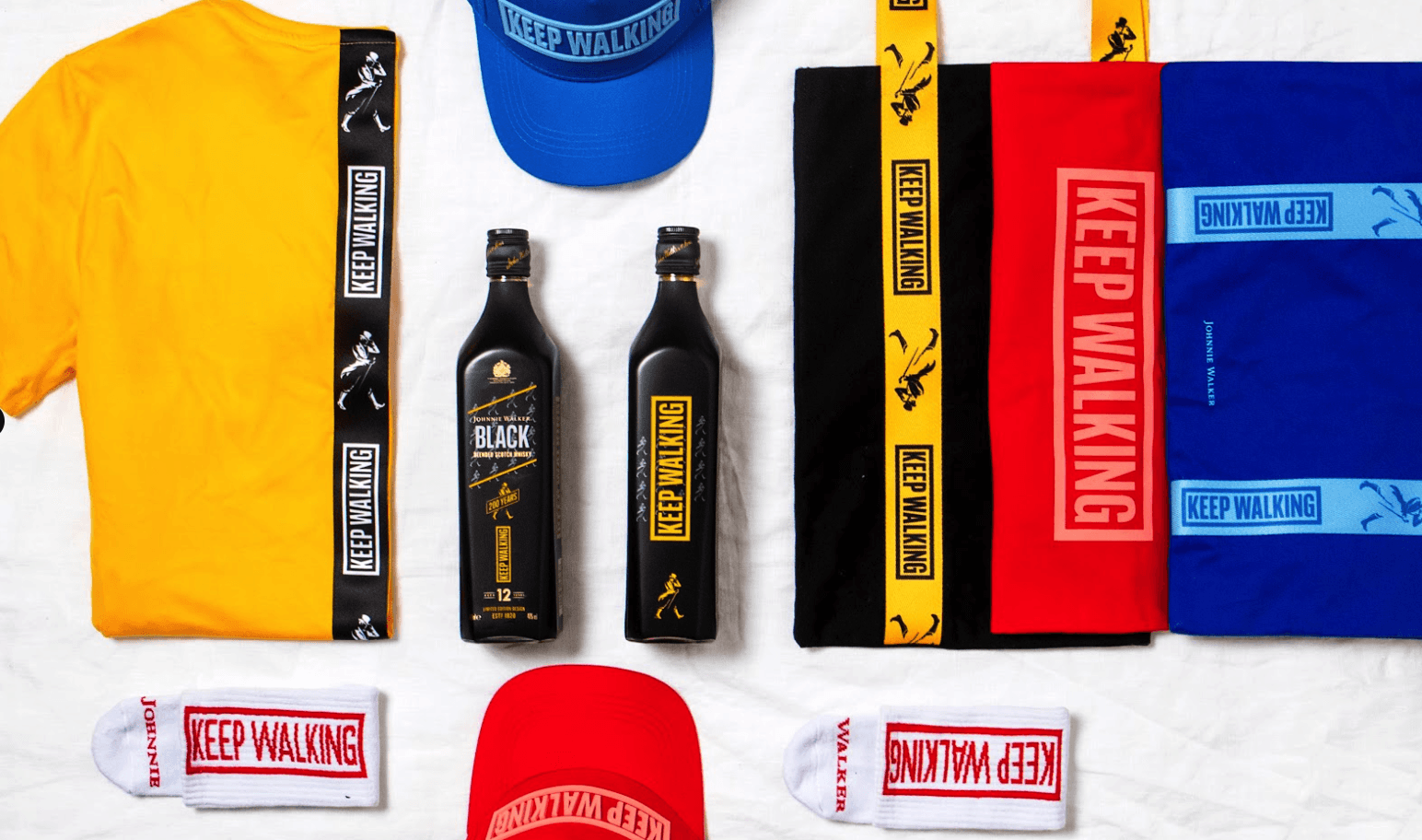
A short list of options, not one fixed item: this is what "people choose, within limits" actually looks like on the rack.
What this looks like at scale
Delaware ran a Christmas gifting project across four European countries, with a mix of office deliveries and roughly 300 remote employees, and two weeks to set it up. The team put a small set of branded product options to a team vote, landed on three winners plus a charity donation option, and had every address and preference collected automatically rather than chased by hand. "It went from a horrible experience to something the team actually enjoyed," said Silke at Delaware. The full story is in the complete guide to employee Christmas gifts.

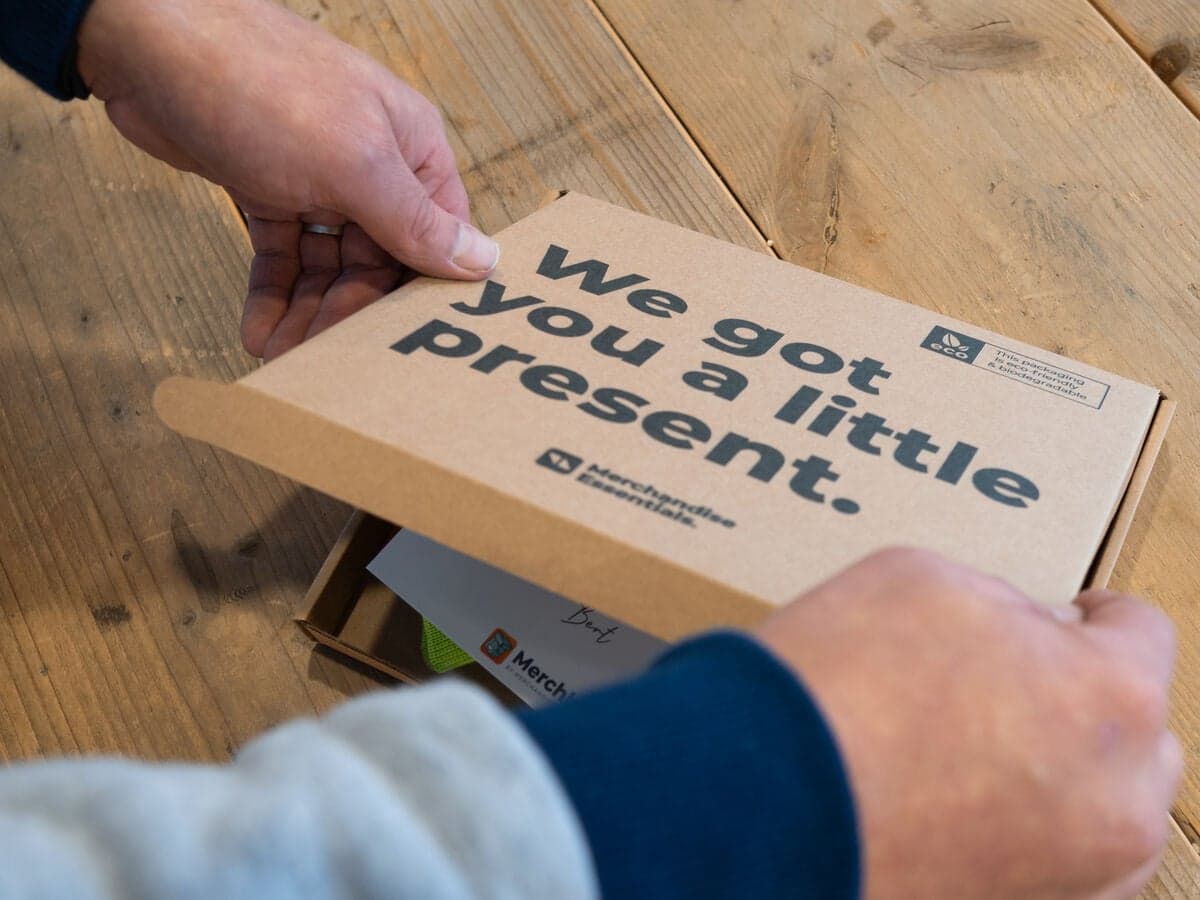
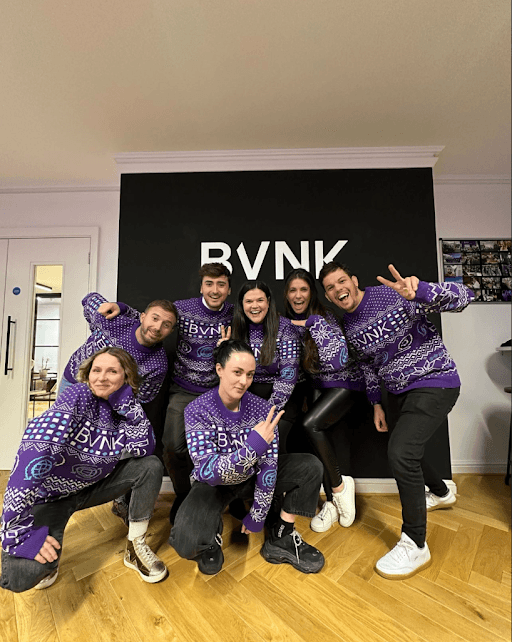
Remote and distributed recipients wearing their own picks, delivered to wherever they actually are.
Doing it without a platform, honestly
It's possible to run this on a spreadsheet and a shared form. Plenty of companies still do. It just costs someone on the team a real chunk of December, and the failure modes above (stale addresses, non-responders, customs delays, no delivery visibility) tend to show up right when there's no time left to fix them. If the team running it is under about 50 people in one location, that cost is usually manageable. Past that, or across borders, it stops being a spreadsheet problem and starts being an operations problem.
Common questions
How far in advance should a remote or multi-country gifting project start?
Earlier than a single-office one. Build in extra time for address collection and customs, not just production. See the timeline in the full guide.
Can gifts ship to individual home addresses instead of an office?
Yes, and for distributed teams that's usually the default rather than the exception.
What about countries with import restrictions or high customs costs?
This varies by country and product. Producing closer to the recipient, rather than shipping everything from one warehouse, is what keeps this manageable at scale.
Can employees pick their own item instead of getting whatever was ordered?
Yes, and it's the single biggest fix for the sizing and taste problems that make centrally-picked gifts fail.
Further reading
The complete guide to employee Christmas gifts · Client onboarding gifts: the complete guide for 2026 for the equivalent automated flow on the client side · Employee gifts, explained