


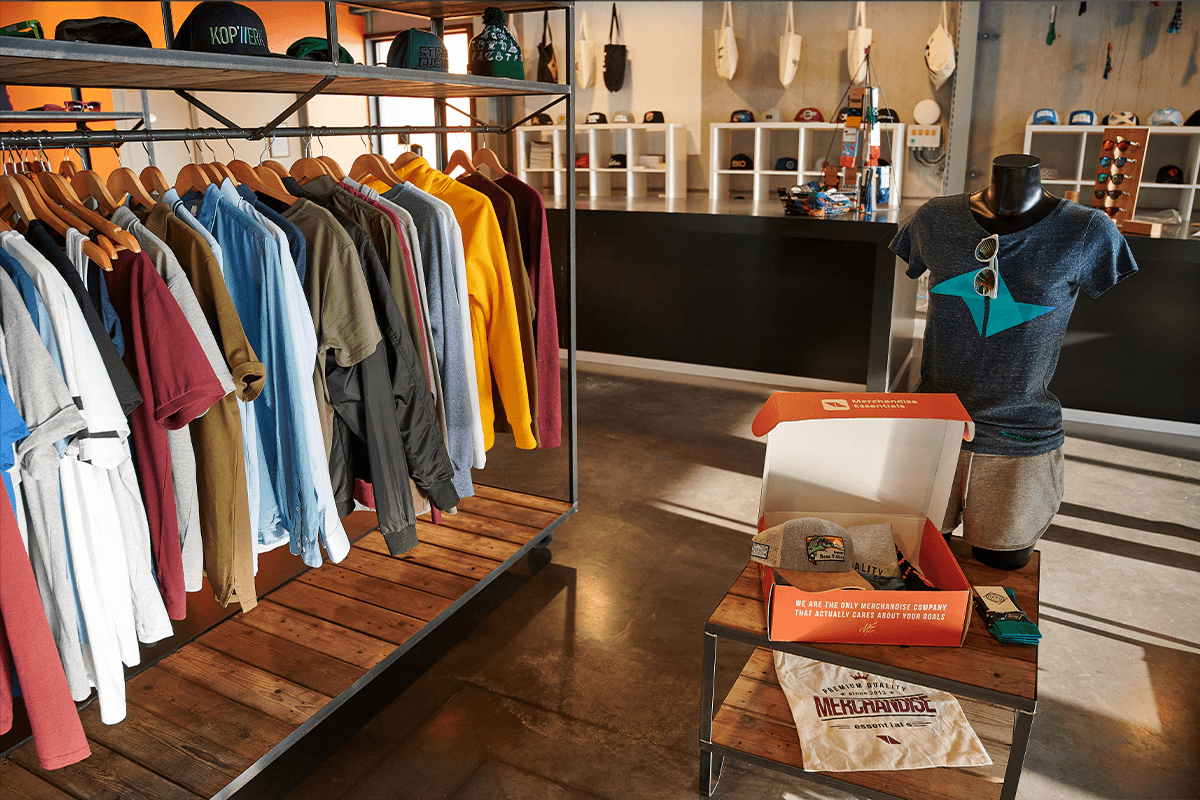
Brand experiences rarely live in slide decks. They live in what people touch, use, and keep. A well-made notebook that becomes a daily companion, a jacket that earns compliments in airports, a bottle that never leaks in a gym bag, these objects carry a brand into real life without asking for attention.
Premium merchandise is not about spending more for the sake of it. It is about choosing items whose feel, performance, and longevity match the standards you claim everywhere else. The fastest way to make that real is to work with a partner who treats merchandise as part of brand stewardship, not a one-off transaction.
Why premium merchandise changes how a brand is remembered
People are skilled at sensing quality. A zipper that glides, a fabric that drapes correctly, a print that stays crisp after months of washing, these details land instantly, even when nobody comments on them.
That sensory proof becomes memory. When recipients rely on an item week after week, they build an association that is calm and durable: this brand makes thoughtful choices.
Premium also shifts the social dynamic. Instead of “swag,” the item becomes “my favorite mug” or “the hoodie I always pack.” That difference is the gap between a short-lived impression and a repeated, private endorsement.
What “premium” really means in merchandise
Premium is a promise: the product will keep its dignity over time.
It shows up in materials and construction, of course, but also in restraint. Colors that match your identity. Branding that feels intentional rather than loud. Packaging that protects and feels considered, without performing luxury for its own sake.
Premium is also consistency. If you send 50 units to executives and 5,000 to customers, the experience should still feel like it came from one brand with one standard, not a patchwork of compromises.
The partner vs. vendor distinction
A vendor sells you items. A partner helps you build a system.
That system includes sourcing options beyond the obvious catalogs, and it includes judgment. A premium merchandise partner will tell you when a trendy item is likely to fail in the field, when a colorway will drift across production runs, or when a decoration method will crack after repeated use.
A partner also manages tradeoffs honestly. Sometimes you need speed; sometimes you need exact color matching; sometimes you need to hit a strict compliance bar. The value is in getting crisp recommendations with clear consequences, not a menu of vague possibilities.
Just as important, a partner creates continuity. Your brand guidelines, prior art files, preferred blanks, and packaging specs should not have to be rediscovered every quarter.
A capability checklist that goes beyond catalogs
Before you look at product ideas, look at how a potential partner thinks and operates. Their capabilities will decide whether “premium” becomes repeatable.
Here are signals that you are dealing with a true premium operator:
- Material transparency
- Decoration expertise
- Brand-guideline discipline
- Packaging and kitting services
- Inventory and warehousing options
- International shipping experience
- Clear proofing and approval workflow
- Responsive client support
A strong partner can still be flexible. The goal is not rigid process; it is dependable outcomes.
Quality control that protects reputation
Quality control is where premium is won or lost, and it is rarely visible until something goes wrong.
Ask how samples are evaluated and what happens when a production run deviates. A premium partner typically has defined checkpoints: pre-production samples, in-production checks, and final inspections tied to objective criteria. They can explain tolerances in plain language, including where variation is normal (like garment dye lots) and where it is unacceptable (like logo placement and stitch integrity).
Proofing discipline matters too. The best partners treat proofs like engineering drawings, not casual previews. They specify thread colors, ink systems, stitch counts, placement measurements, and imprint methods. This is not bureaucracy; it is risk reduction.
If your merchandise will represent you in boardrooms, on conference stages, or in customer onboarding kits, the cost of a mistake is not only financial. It is trust.
Design and storytelling at the product level
Premium merchandise works when the product choice and brand story reinforce each other. If your brand is known for precision, the item should feel engineered, not merely decorated. If your brand stands for warmth and hospitality, the textures and tones should feel inviting.
A good partner helps translate identity into product decisions: silhouette, materials, color strategy, and decoration placement. They also understand when to let the item lead and when to let the logo lead.
Sometimes the best branding is a small mark in the right place.
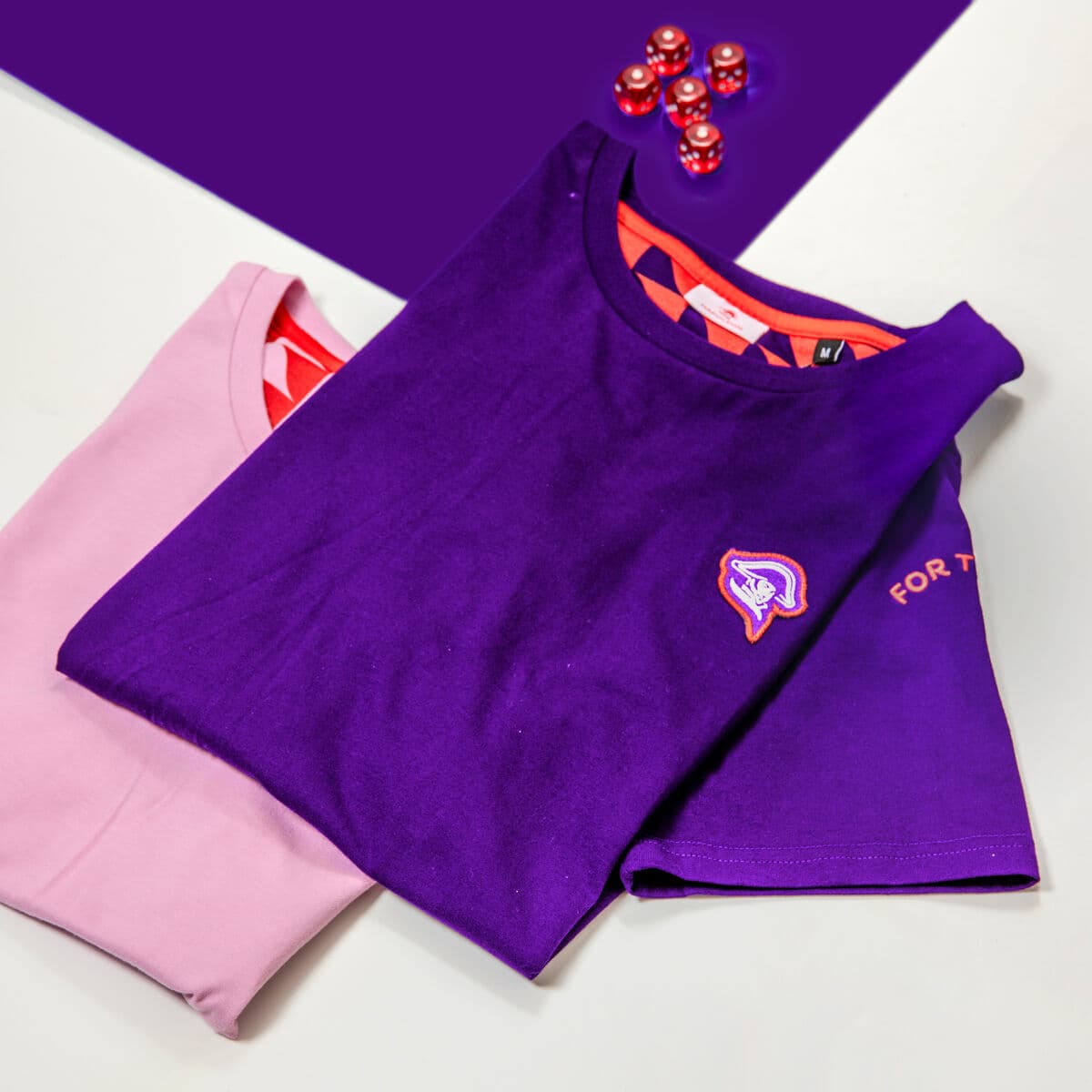
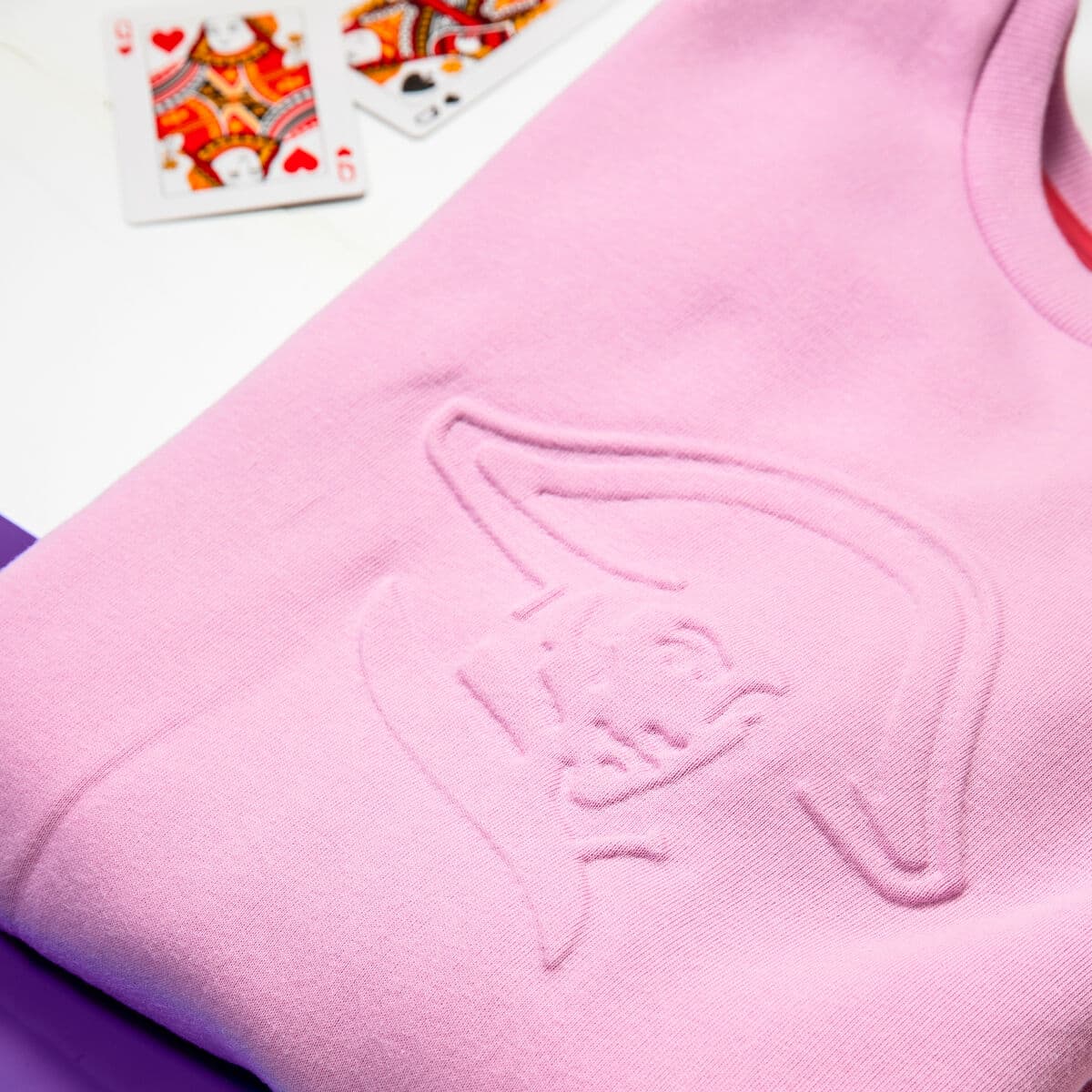
That does not mean invisible. It means confident. A premium partner can recommend techniques that feel integrated: woven labels, tonal embroidery, debossing, laser engraving, or subtle neck prints that avoid stiff tags.
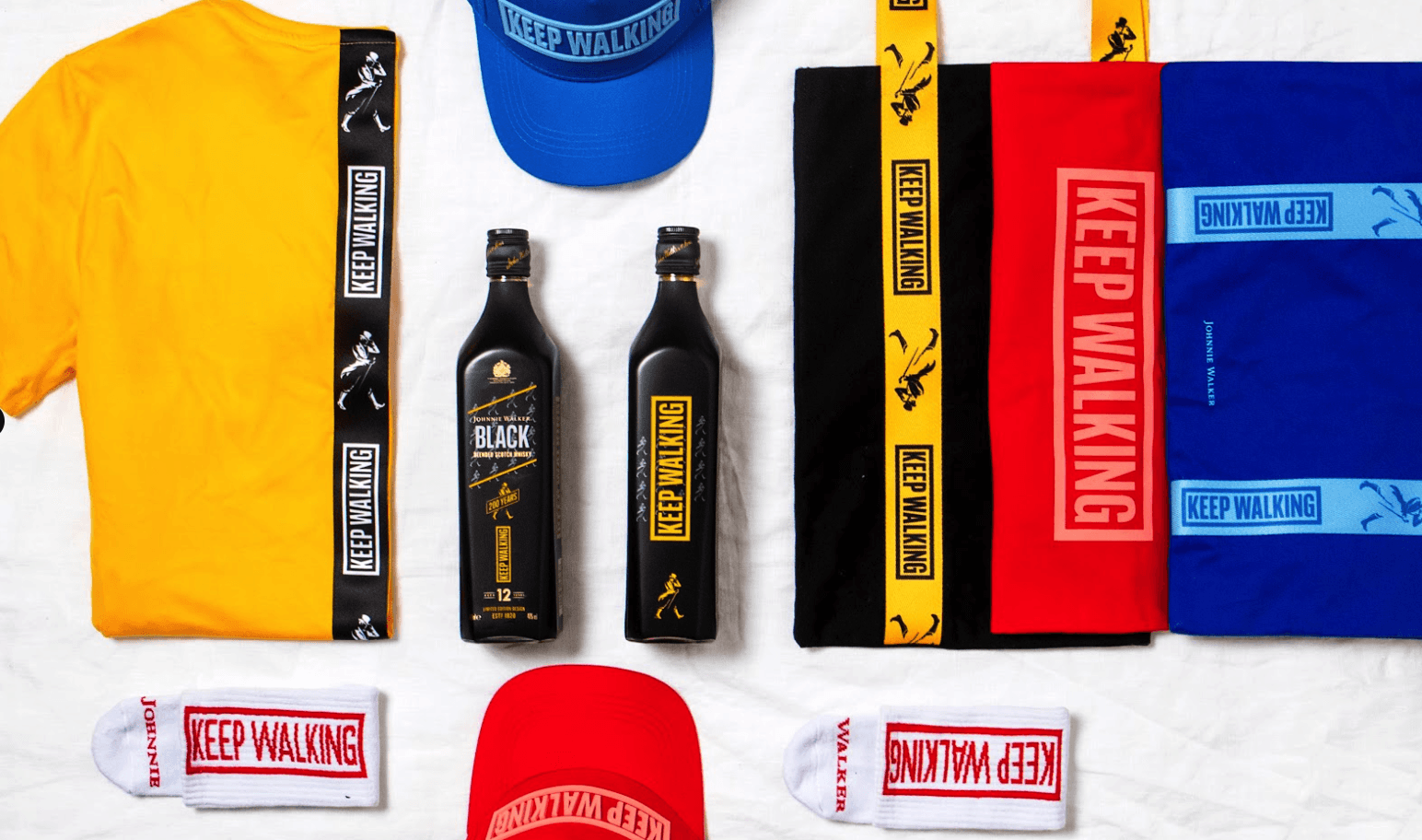
They should also be able to propose “collections” that work together. A kit that shares a consistent palette and tactile language feels curated, even if each item is simple.
Operations that make premium feel effortless to the recipient
Recipients judge the experience end-to-end: ordering, delivery speed, packaging condition, and what it feels like to open. Operational excellence is part of the product.
A premium merchandise partner can handle the less glamorous work: storing inventory, building kits, managing address collection, and shipping across regions while keeping duties and timelines predictable. This is where many programs stumble, not because the items were wrong, but because the execution was chaotic.
The table below highlights operational differences that matter when you want premium outcomes repeatedly.
| Capability area | Basic vendor approach | Premium partner approach | What to ask |
|---|---|---|---|
| Sourcing | Limited catalogs | Wider network, brand-appropriate options | “How do you source beyond standard lines?” |
| Proofing | Simple mockups | Specs-based proofs with measurable placement | “What details are included in proofs?” |
| Color management | “Close enough” | Defined color targets and repeatability planning | “How do you manage color drift?” |
| Inventory | Ship-to-office only | Warehousing, cycle counts, reorder points | “Can you hold stock and manage reorders?” |
| Kitting | Ad hoc assembly | Repeatable kit builds with QC checks | “How do you verify every kit is correct?” |
| Fulfillment | Domestic focus | Multi-region shipping with documentation support | “How do you handle duties, VAT, and HS codes?” |
| Returns and replacements | Case-by-case | Clear policy and fast replacements | “What is your replacement timeline?” |
Once operations are stable, you can do more interesting things creatively because you are not spending energy putting out fires.
To evaluate operational maturity quickly, ask questions that force specificity:
- SLA clarity: What response and ship-time commitments can you put in writing?
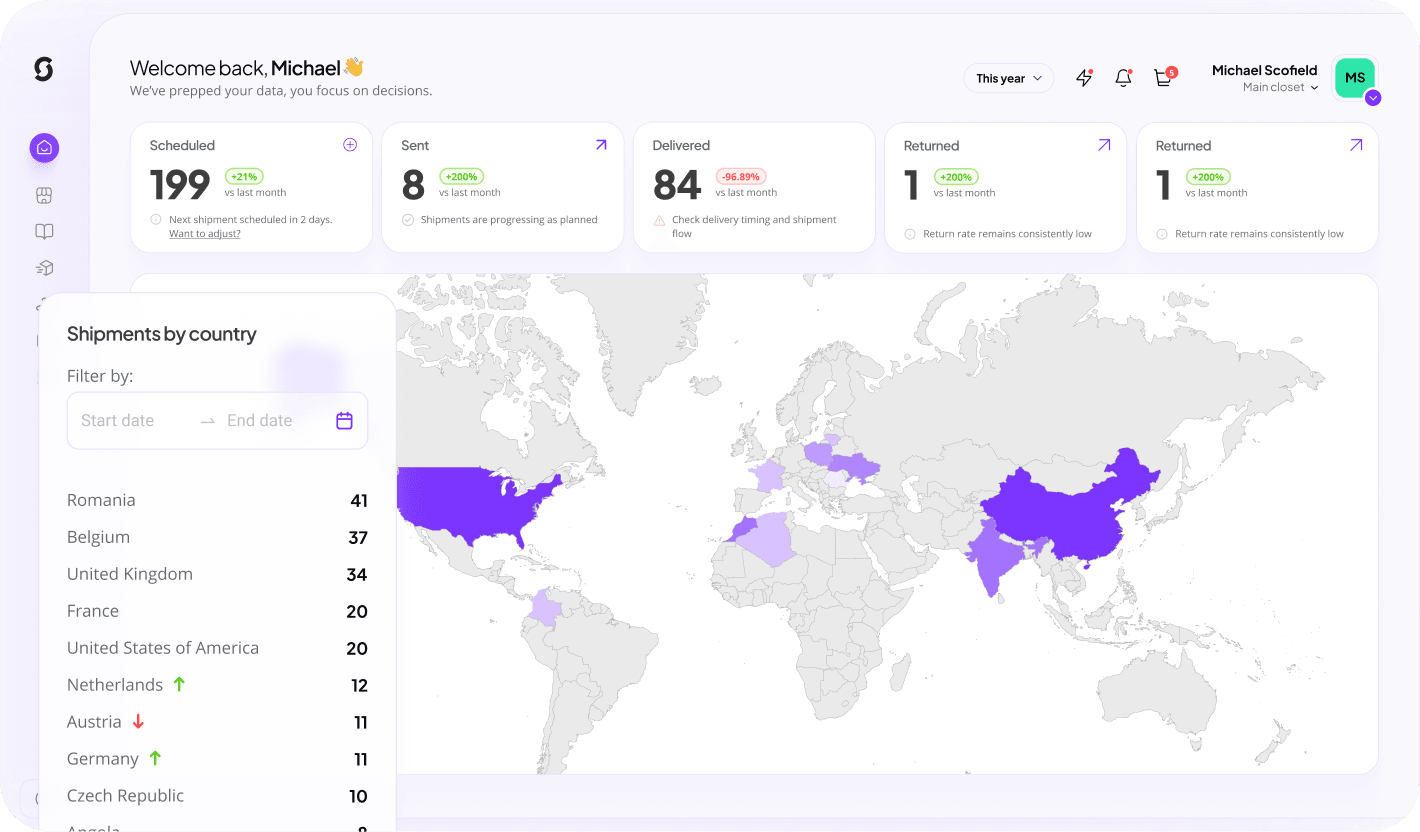
- System access: Do we get a portal for inventory, orders, and tracking updates?
- Exception handling: How do you handle wrong sizes, damaged boxes, and address errors?
- Data hygiene: What data do you store, and how do you protect personal information?
- Reporting: What reports are available for spend, stock levels, and delivery performance?
A premium partner will not pretend problems never happen. They will show you how problems get contained.
Sustainability, compliance, and global considerations
“Premium” can include responsibility, not just aesthetics. Many recipients now notice whether materials feel wasteful, whether packaging is excessive, and whether claims are credible.
A partner should be able to discuss better options with realism: recycled materials that still perform, packaging that protects while reducing bulk, and product choices that are built to last instead of cycling into landfill quickly. The most responsible item is often the one people keep.
Compliance is another quiet pillar. Depending on product category and shipping destinations, you may need attention to chemical restrictions, safety standards, labeling, and import documentation. A premium partner can explain which items create higher compliance overhead and how they mitigate it.
Global programs bring extra layers. Sizing norms vary, climates vary, and delivery expectations vary. A partner with global experience will recommend region-friendly items and plan inventory splits so that recipients are not waiting weeks for a replacement.
Measuring impact without treating gifts like swag
Premium merchandise performs best when it is tied to a moment that matters: customer milestones, employee recognition, executive briefings, partner enablement, community building. The item becomes a marker of belonging or progress, not a random perk.
Measurement does not have to be complicated. Start by defining what “success” means in human terms, then add simple metrics. Are recipients using the items? Are they posting voluntarily? Are you seeing fewer “wrong size” issues over time? Are customer teams asking to repeat the program because it works?
You can also evaluate cost per meaningful touch. A premium item that is used weekly for a year may outperform cheaper items that get discarded within a month, even if the upfront unit cost is higher.
Setting up a premium partnership in the first 30 days
Start with a brand intake that goes beyond a logo file. Share your brand principles, your audience segments, and the environments where items will be used. If you already know common failure points, like inconsistent black tones or embroidery that puckers lightweight fabric, say so early.
Then build a small “truth set”: 5 to 10 core items that you would be proud to send to anyone, from a new hire to a strategic customer. Use those to lock in decoration methods, packaging standards, and reorder rules.
Finally, agree on the operating cadence. Decide how often you will refresh items, how approvals will happen, and what service levels are required. A premium merchandise program thrives when it becomes repeatable, calm, and ready whenever the next important moment arrives.