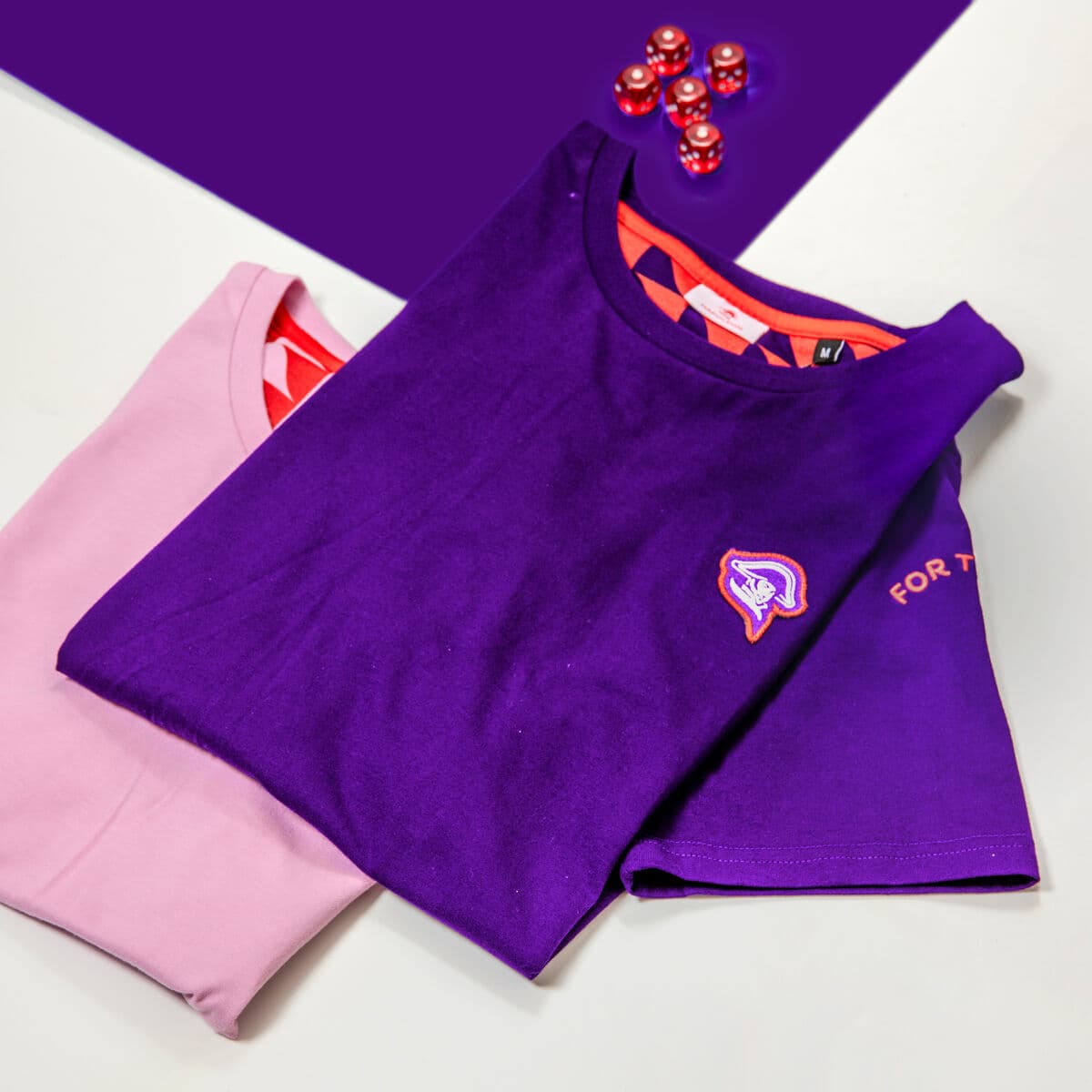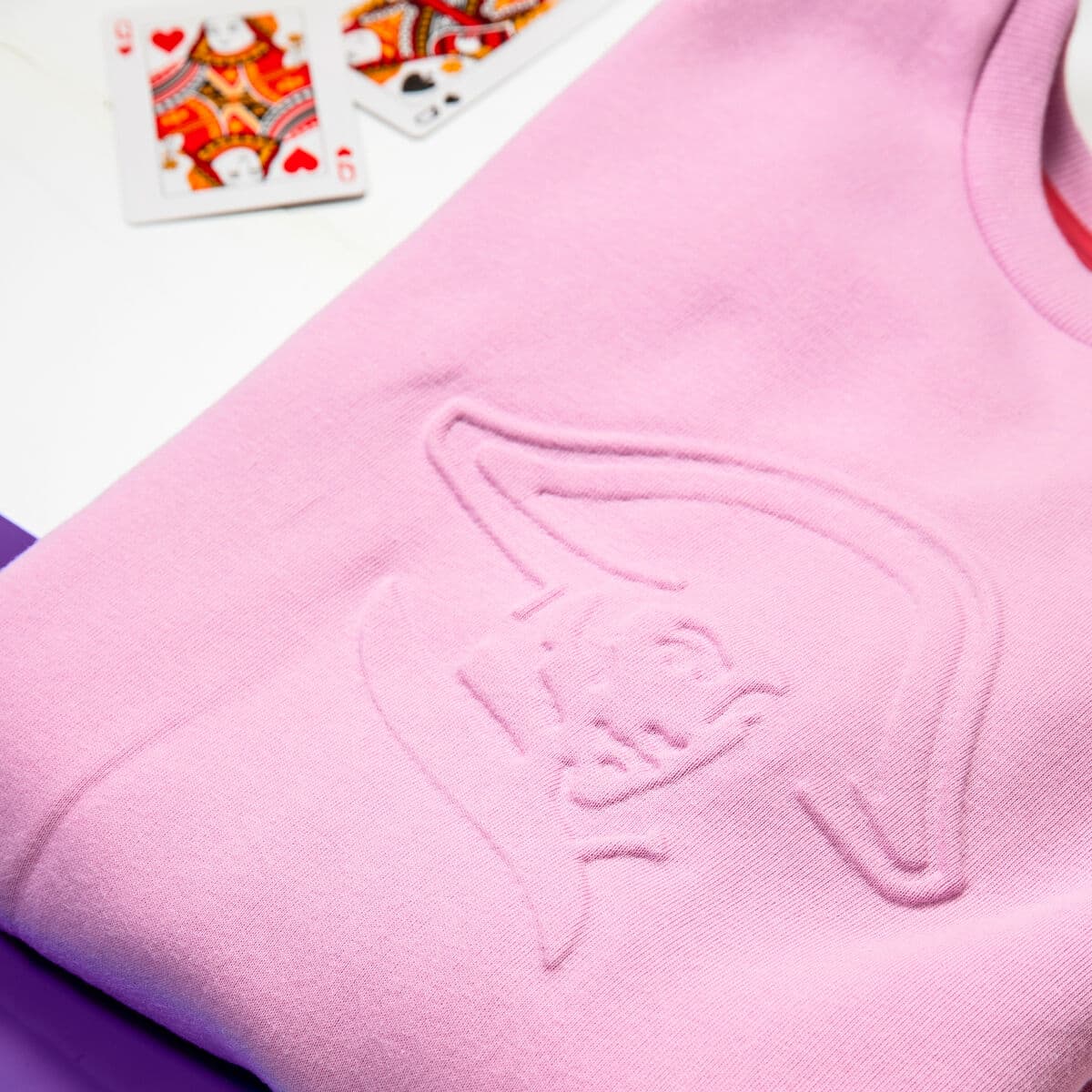

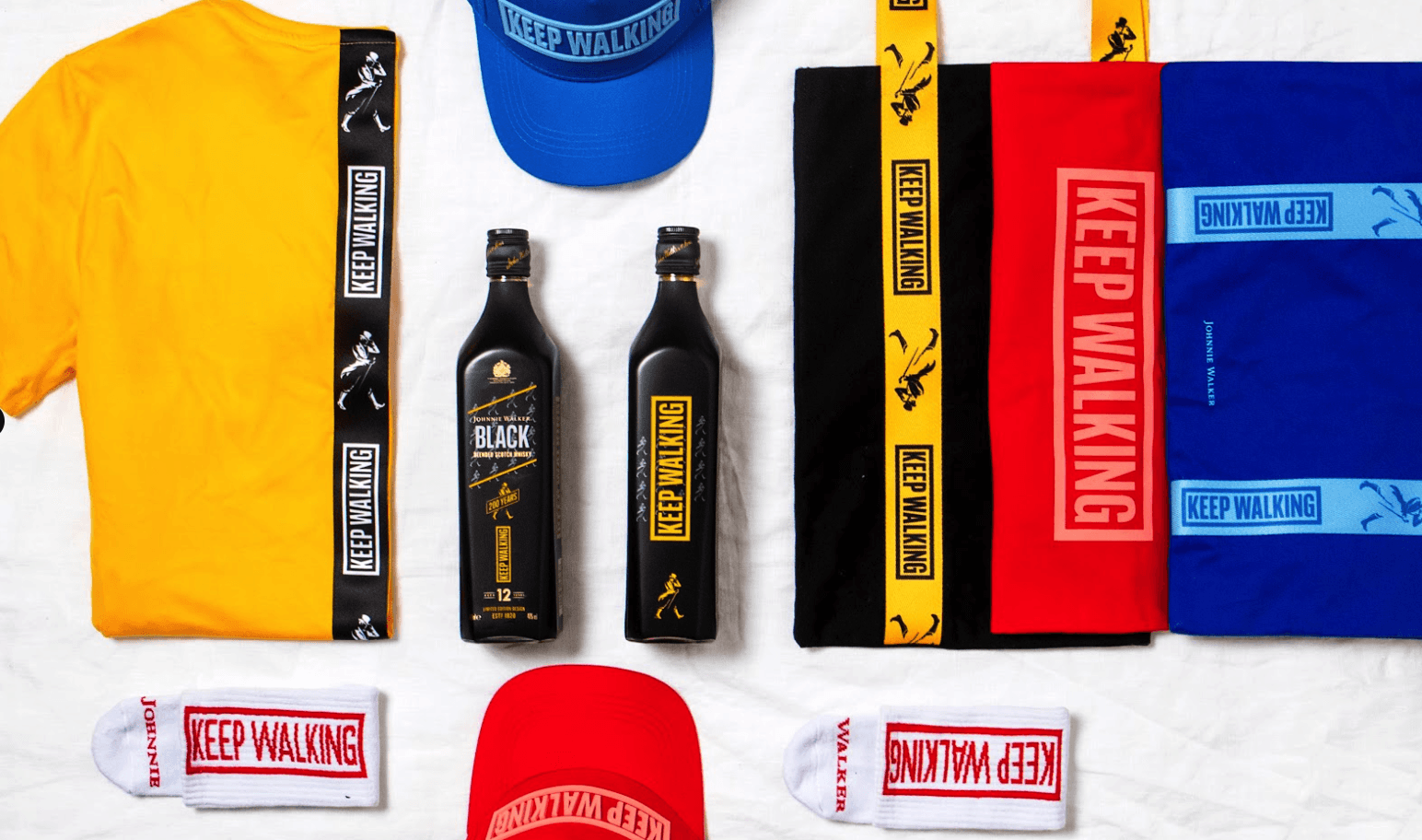


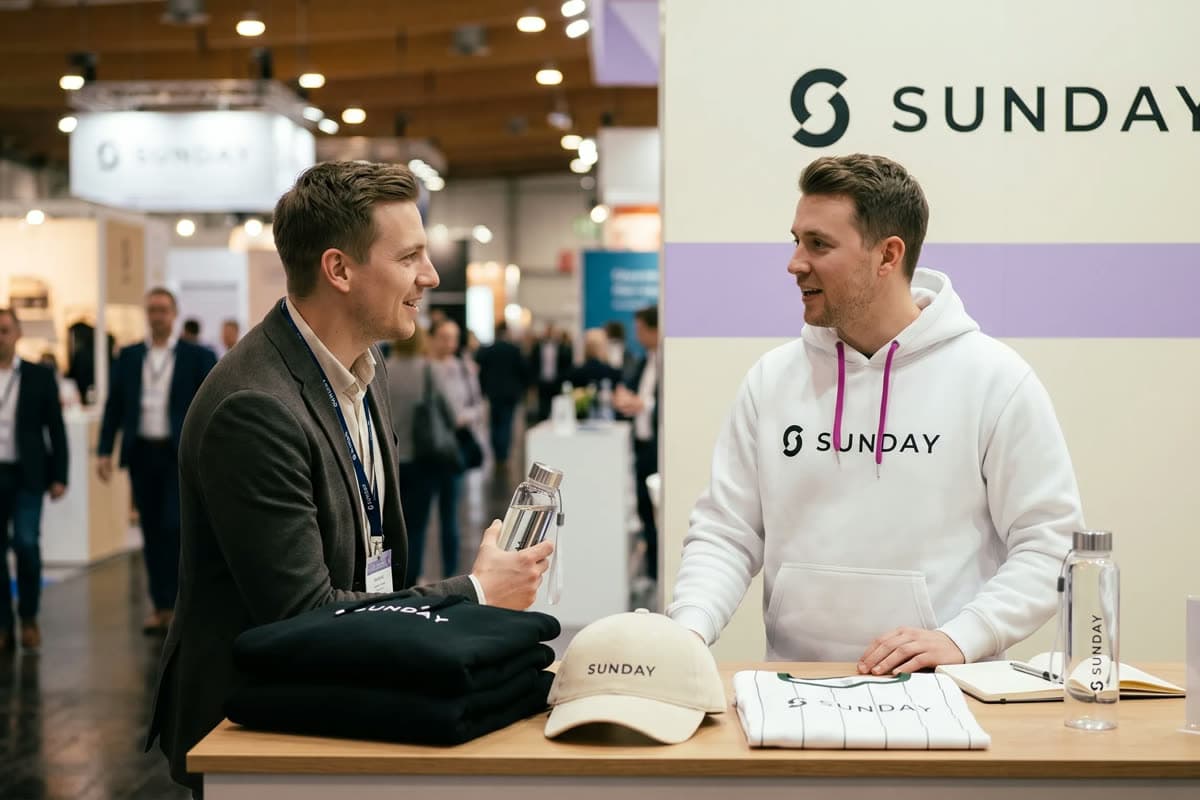
B2B teams spend serious money on trade fairs, exhibitions and conferences. Booth space, travel, team time, hotels, scanner licenses, follow-up tools and merchandise all compete for the same budget. The mistake is treating trade fair merchandise as the last operational task instead of a planned part of the acquisition motion.
The competitor articles we benchmarked are strong on event ROI formulas, attribution windows, cost-per-lead logic and B2B event planning. They use TLDR sections, formulas, KPI tables, FAQs and a direct tone. The gap is clear: they barely show how merchandise changes visitor behavior, lead quality, booth conversations, team confidence, post-event memory and operational efficiency.
That is where the opportunity sits. Trade fair merchandise should not be "what can we hand out?" It should answer: which ICP accounts do we want to attract, how many qualified conversations do we need, what should every visitor receive, what should only serious prospects receive, and how do we turn the item into a follow-up trigger after the event?
Research on trade show effectiveness found that visitors are primarily attracted by inspiration, spectacular stands, and dedicated, inviting people. It also distinguishes between general giveaways for attention and more selective gifts for higher-value visitors. That supports a tiered merchandise strategy instead of one generic giveaway for everyone. Source: Solman, Halmstad University.
Sunday point of view. The best trade fair merchandise strategy is not more swag. It is better segmentation: evergreen team apparel, low-cost useful booth items, selective premium gifts for ICP conversations, and post-fair fulfilment for prospects who are worth another touchpoint. Explore the operational layer on the Sunday platform.
What is trade fair merchandise and why does it matter?
Trade fair merchandise is the branded product system used before, during and after an exhibition to create attention, support conversations, reward valuable interactions and extend brand memory after the booth closes. In B2B, the goal is not maximum distribution. The goal is controlled distribution to the right accounts.
Old trade fair merch is product-first: choose items, print logos, ship boxes. New trade fair merch is campaign-first: define ICP volume, plan tiers, centralize design, forecast quantities, ship cleanly, capture engagement, and follow up with the right gift or redeem flow. The product is only one layer. The workflow is the advantage.
| Old approach | New 2026 approach |
| Order last minute from a local supplier near the venue. | Forecast 6–12 months of event volume and centralize production for better pricing. |
| Give the same item to every visitor. | Use tiers: universal giveaway, qualified-lead item, ICP/VIP gift and post-event redemption. |
| Print event dates and logos everywhere. | Keep core items evergreen so leftovers can be reused across fairs. |
| Measure success by how empty the merch table is. | Measure ICP conversations, QR/NFC engagement, booked meetings and post-event redemption. |
| Let sales, HR and local offices order separately. | Centralize via a merchandise platform with shared visibility and controlled access. |
| Ship everything to the booth and hope it arrives. | Split shipments by venue, team, VIP, post-event fulfilment and warehouse stock. |
| Prioritize cheapest unit cost. | Optimize total cost per qualified conversation and cost per retained impression. |
Warning. Cheap merchandise is expensive when it attracts the wrong people, breaks quickly, creates leftovers, or forces express shipping. Sunday's cost guide argues for forecasting, centralization and partner-led logistics to reduce hidden event merch costs. Read the Sunday cost guide.
10 tools for a B2B trade fair merchandise stack
The right stack is not ten random tools. It is one connected workflow: merchandise planning, registration, meetings, CRM capture, visitor engagement, forms, analytics and reporting. These tools rank by their usefulness in a trade fair acquisition motion.
Sunday
Best for merchandise operations
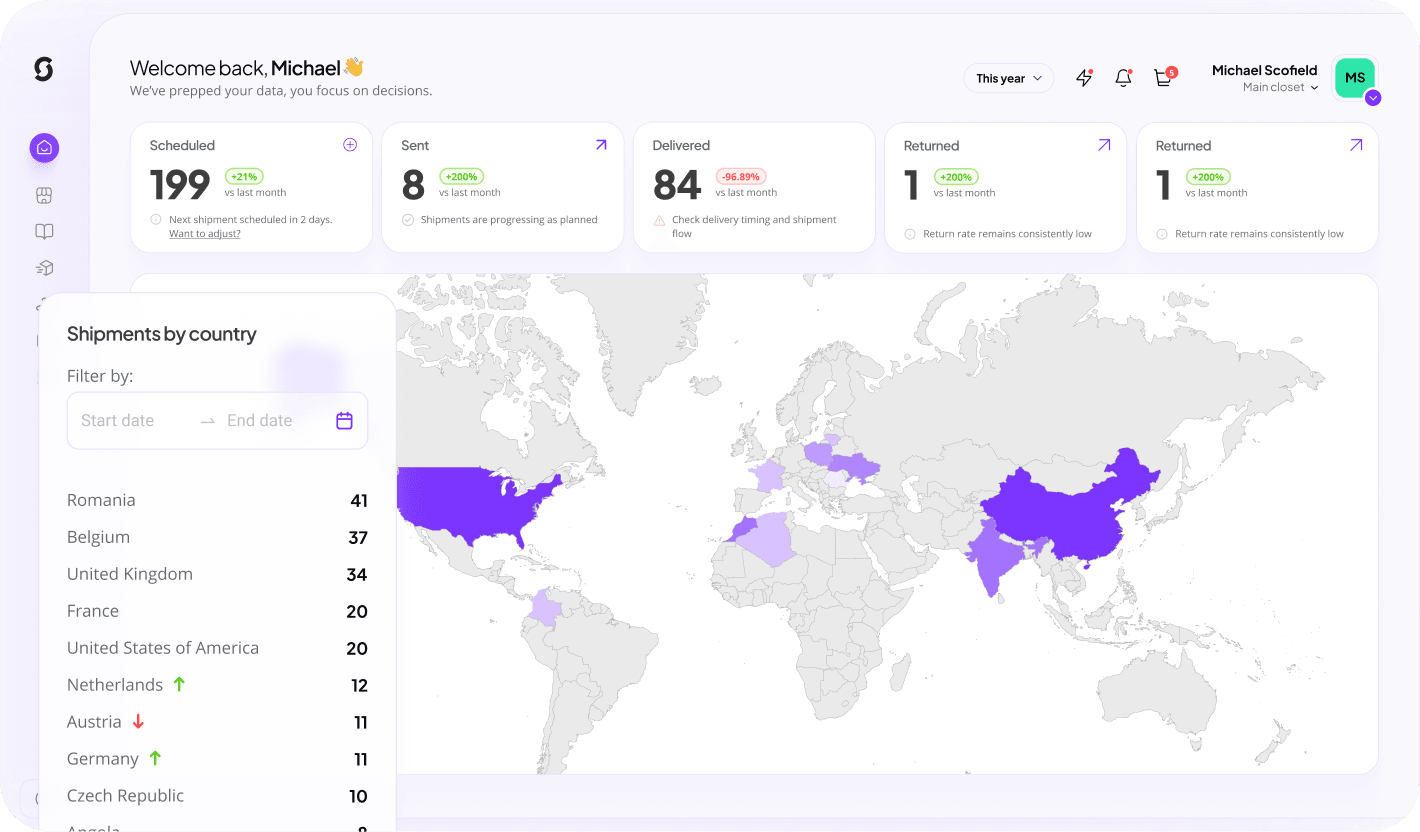
Sunday ranks first because trade fair merchandise becomes measurable only when design, catalog, pricing, warehousing, shipping and post-event fulfilment sit in one operational system. It is built for teams that want branded merchandise to support events without turning every fair into a manual procurement project.
Key features
- Branded catalog access
- Instant branded mockups
- Warehousing and stock visibility
- Global event shipments
- Redeem pages for post-fair gifts
- Team apparel and booth kits
- Clear pricing workflows
- Campaign-ready operations
Pros
- Connects merch to real operations
- Reduces supplier fragmentation
- Strong fit for international B2B teams
Cons
- Not a generic CRM
- Requires a clear merch owner
- Best value appears with repeated volume
Why It Wins: Sunday turns trade fair merchandise from a one-off order into a managed campaign layer: design, source, store, ship and follow up from one place.
Use Sunday when the hidden cost is not the item, but the coordination around the item.
Starting price: $0/mo platform access; pay when you order.
Cvent
Best for event registration
Cvent ranks high for enterprise teams running larger event portfolios, because registration, attendee data and event operations need governance. It is relevant for merchandise because registration data can drive sizing, VIP tiers, country-specific shipping and post-event redeem campaigns.
Key features
- Registration management
- Event websites
- Attendee data
- Mobile event tools
- Reporting
- Enterprise controls
Pros
- Strong for complex events
- Centralizes attendee data
- Enterprise-grade workflows
Cons
- Custom pricing
- Can be heavy for simple fairs
- Needs setup discipline
Why It Wins: Cvent gives structured attendee data that can feed smarter merchandise segmentation before and after a fair.
When attendee data is clean, merchandise can be targeted instead of guessed.
Starting price: custom quote.
HubSpot
Best for CRM attribution
HubSpot ranks because many B2B marketing teams need a practical place to tag event-sourced and event-influenced leads. Use it to connect badge scans, landing pages, follow-up emails, deal stages and campaign attribution.
Key features
- CRM records
- Campaign tagging
- Email sequences
- Forms and landing pages
- Deal tracking
- Reporting dashboards
Pros
- Accessible for growth teams
- Good marketing-sales bridge
- Strong integration ecosystem
Cons
- Costs rise with scale
- Attribution needs setup
- Not a merchandise system
Why It Wins: HubSpot helps prove whether trade fair merchandise contributed to qualified pipeline, not just booth traffic.
If it is not tagged in the CRM, it did not happen for revenue reporting.
Starting price: around $20/mo per seat.
Eventbrite
Best for paid and open events
Eventbrite is useful when your trade fair strategy includes side events, partner drinks, hosted breakfasts or VIP meetups around the main exhibition. Those micro-events are perfect moments for selective gifts and account-level follow-up.
Key features
- Event pages
- Ticketing
- Check-in tools
- Attendee exports
- Email reminders
- Free-event support
Pros
- Fast to launch
- Good for side events
- No fee for free events
Cons
- Fees on paid tickets
- Less enterprise control
- Limited merch logic
Why It Wins: Eventbrite turns trade fair side events into structured attendee lists that can trigger curated gifting.
The best merch moment is often not the booth. It is the smaller room where the right buyers show up.
Starting price: $0 for free events.
Calendly
Best for booked meetings
Calendly ranks because pre-booked meetings make a trade fair less dependent on random floor traffic. Pair meeting links with pre-fair outreach and reserve higher-value merchandise for attendees who actually book or complete a qualified meeting.
Key features
- Meeting scheduling
- Team routing
- Calendar sync
- Reminders
- CRM integrations
- Round-robin booking
Pros
- Easy adoption
- Reduces scheduling friction
- Great pre-fair CTA
Cons
- Not event-specific
- Can create no-shows
- Needs routing rules
Why It Wins: Calendly makes merchandise more selective by tying premium gifts to scheduled ICP conversations.
Give premium merch to intent, not to foot traffic.
Starting price: $10/mo per seat for Standard.
Slido
Best for booth interaction
Slido is valuable when you want booth visitors or session attendees to vote, answer a question or participate in a challenge. For merchandise, it supports the "people love winning more than just getting" principle: make the item a reward, not a pile on a table.
Key features
- Live polls
- Quizzes
- Q&A
- Surveys
- Exportable results
- Presentation integrations
Pros
- Adds interaction
- Works for contests
- Creates data signals
Cons
- Needs facilitation
- Not a lead capture system alone
- Can feel gimmicky if forced
Why It Wins: Slido helps merchandise become a participation mechanic, which creates stronger memory than passive handouts.
Winning a good item beats receiving a random item.
Starting price: $0; paid plans from about €15/mo.
Typeform
Best for qualification forms
Typeform helps convert booth interest into structured information. Use QR forms for product interest, merch preference, size capture, post-event gift choice or a "send me the event recap" flow.
Key features
- Interactive forms
- Logic jumps
- Lead qualification
- Embeds
- Integrations
- Response exports
Pros
- Great user experience
- Good for redeem-style flows
- Flexible questions
Cons
- Response limits by plan
- Needs CRM sync
- Not ideal for complex approval flows
Why It Wins: Typeform turns post-fair merchandise into a data capture moment without making the experience feel like a survey.
The form should feel like choice, not admin.
Starting price: roughly $29/mo for Basic.
Google Analytics
Best for traffic and conversion data
Google Analytics matters because trade fair follow-up rarely happens only in the CRM. Prospects visit your website, scan QR codes, open landing pages and return later through branded search. GA4 helps track those behaviors.
Key features
- Campaign tracking
- QR landing pages
- Traffic sources
- Conversion events
- Audience behavior
- Free standard product
Pros
- Free core tool
- Useful for QR and UTM tracking
- Works across channels
Cons
- Needs consent setup
- Not account-level by default
- Can be misconfigured easily
Why It Wins: GA4 shows whether merchandise-linked QR codes and follow-up pages create real digital engagement after the fair.
Merch without tracking is brand theater. Merch with tracking becomes a signal.
Starting price: $0/mo.
Looker Studio
Best for event dashboards
Looker Studio ranks because event marketers need one clean view for leadership: spend, qualified leads, meetings, pipeline, merch cost, redemption rate and follow-up engagement. It is the reporting layer that stops post-fair discussions from becoming anecdotal.
Key features
- Dashboarding
- Data connectors
- CRM exports
- GA4 reporting
- Shareable views
- Visual scorecards
Pros
- Fast reporting layer
- Good for leadership summaries
- Free version available
Cons
- Data cleaning still required
- Not a source of truth
- Advanced governance costs more
Why It Wins: Looker Studio makes the trade fair merchandise story visible: budget used, items distributed, leads qualified and pipeline influenced.
The dashboard should make your next event budget easier to defend.
Starting price: $0/mo for Looker Studio.
Salesforce
Best for enterprise sales follow-up
Salesforce ranks for larger B2B teams where events must connect to account hierarchies, opportunity influence and sales activity. It is especially relevant when trade fair merchandise supports named-account campaigns rather than broad lead capture.
Key features
- Account-level tracking
- Opportunity influence
- Campaign members
- Sales activity
- Enterprise integrations
- Custom reporting
Pros
- Strong enterprise standard
- Great account visibility
- Supports complex sales cycles
Cons
- Requires admin ownership
- Complex setup
- Not built for merch execution
Why It Wins: Salesforce helps connect trade fair merchandise to account progression, not just individual badge scans.
In enterprise B2B, the account is the unit of measurement.
Starting price: custom, plan-dependent.
The 5-phase trade fair merchandise operating system
Use these phases together. Skipping one usually creates either waste, stress or weak follow-up.
01. Choose the right fairs
Start with ICP density. If the exhibitor list, attendee profile or speaker lineup does not match your market, even brilliant merchandise will only create low-value conversations.
02. Forecast volume across the event calendar
Combine expected visitors, team size, booth traffic, VIP meetings and post-event shipments. Reuse evergreen items where possible to unlock better pricing and reduce waste.
03. Build the tiered merchandise plan
Use a universal item for awareness, a better item for qualified leads, a premium gift for target accounts, and a redeem page for post-event personalization.
04. Run the booth as a qualification system
Train the team to connect each item to a behavior: scan, answer, book, demo, introduce a stakeholder or claim a follow-up gift. The merch should help the rep qualify, not distract them.
05. Follow up with context
Within 48 hours, send a message that references the conversation and connects to a useful next step. For serious prospects, send merch afterwards as an extra touchpoint instead of handing everything out at the fair.
Full comparison table
| Name | Best for | Key feature | Ease of use | Agency friendly | Price |
| Sunday | Merch operations | Design-to-delivery merchandise platform | ★★★★★ | ✅ | $0/mo platform; pay per order |
| Cvent | Enterprise events | Registration and attendee management | ★★★☆☆ | ✅ | Custom quote |
| HubSpot | CRM attribution | Campaign and deal tracking | ★★★★☆ | ✅ | From about $20/mo per seat |
| Eventbrite | Side events | Fast event pages and ticketing | ★★★★★ | ✅ | $0 for free events; ticket fees for paid |
| Calendly | Meeting booking | Pre-fair scheduling links | ★★★★★ | ✅ | From $10/mo per seat |
| Slido | Booth interaction | Polls, quizzes and Q&A | ★★★★☆ | ✅ | Free; paid from about €15/mo |
| Typeform | Qualification forms | Interactive forms with logic | ★★★★☆ | ✅ | From roughly $29/mo |
| Google Analytics | Digital engagement | UTM and QR tracking | ★★★☆☆ | ✅ | $0/mo standard |
| Looker Studio | Reporting | Event dashboarding | ★★★★☆ | ✅ | $0/mo basic |
| Salesforce | Enterprise sales | Account and opportunity influence | ★★★☆☆ | ⚠️ | Plan-dependent |
Best practical stack: Sunday for merchandise execution, HubSpot or Salesforce for revenue tracking, Calendly for pre-booked ICP meetings, Typeform for post-event capture, and Looker Studio for the leadership dashboard.
Launch trade fair merch with Sunday
Sunday helps B2B teams design, source, store, ship and manage branded merchandise for events, onboarding, customer campaigns and global teams. Create a free workspace, see products in your brand, and order when the plan is ready.