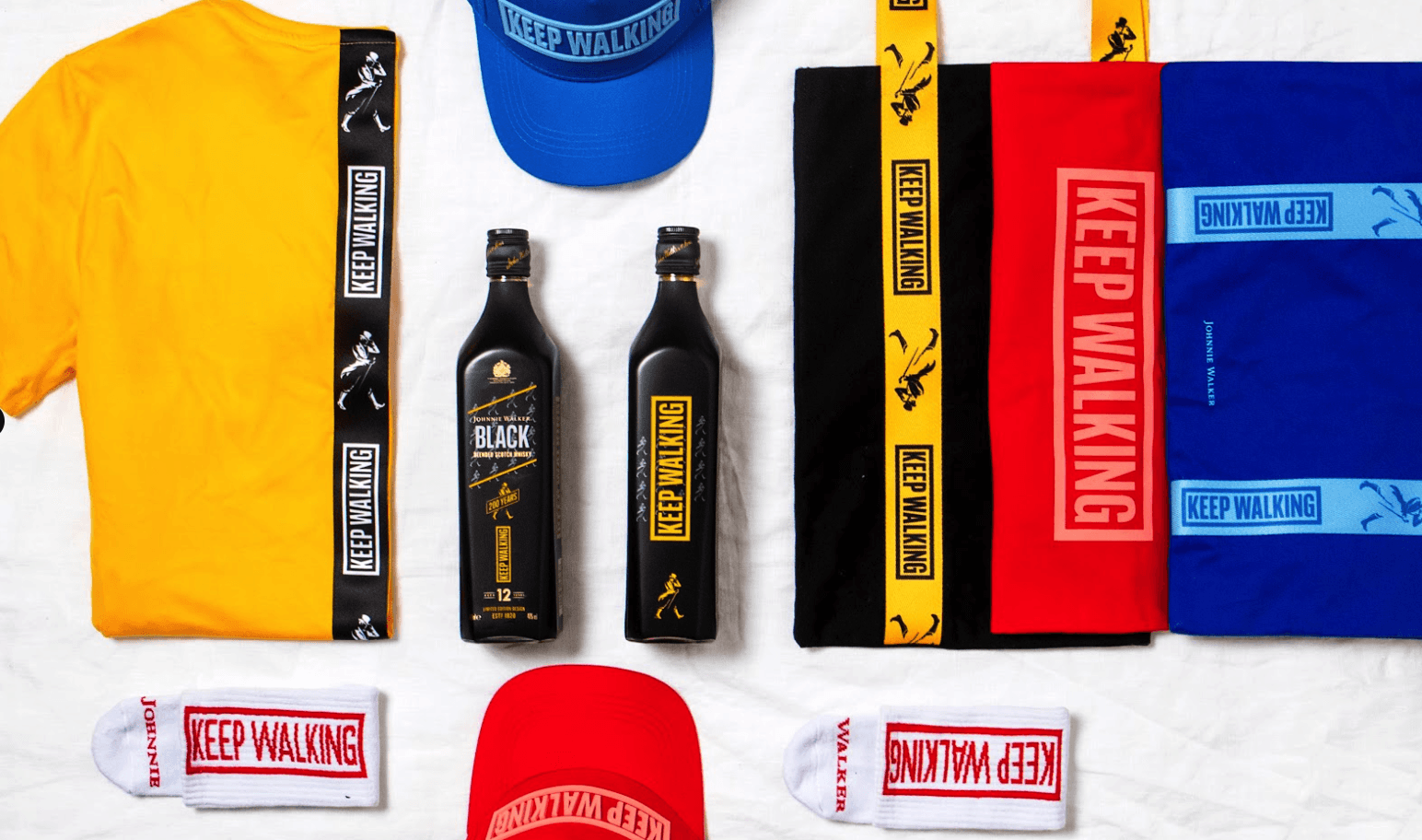
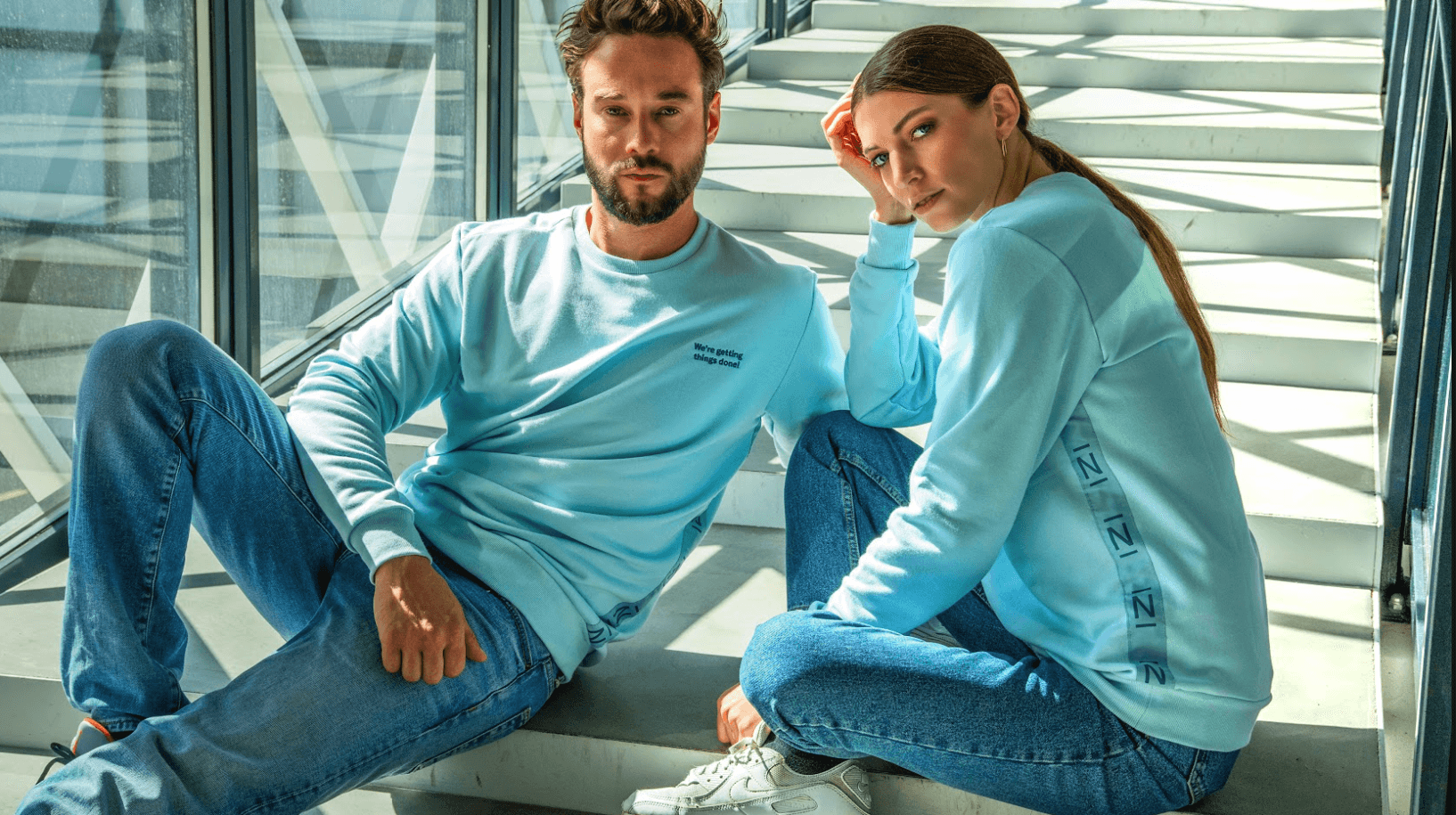

The strongest employee wellness gifts examples share a pattern: the merch supports a real challenge or event, not a random gifting moment. Zalando built a full sports collection around roughly ten marathons a year, with jerseys, bottles, towels and jackets employees could request. Another company saw a ten-mile run grow from about ten participants to more than a hundred once branded sports shirts were introduced. The gift gives the activity visibility and gives people a reason to join.
This is a showcase of what good looks like, with the mechanics laid out so you can borrow them. The thread running through every example: wellness merch works when it completes an existing campaign. A jersey for the marathon team, a bottle for the fitness challenge, a towel for the sports day. To pair the bottle side, see custom water bottles and the wider custom sportswear range.
Inside this article
1. Zalando: a sports collection across roughly ten marathons
Zalando built a full sports collection around about ten marathons across the year. It included running jerseys, water bottles, towels, running jackets and other sports products. Participating employees could request the relevant items, and Zalando also sponsored merch for the marathon events themselves. The result connected the brand with an active lifestyle across many moments, not one isolated activation.
What makes it a model: it combined employee participation, event sponsorship, branded merch and repeated visibility into one coherent campaign. The merch did not create the wellbeing. The marathons did. The merch made joining them visible and gave participants something to wear and use before, during and after each race.
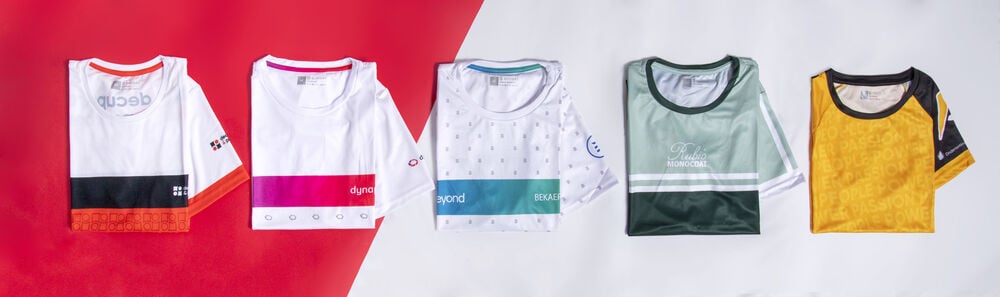
A full sports collection across many events, like Zalando's, ties the brand to an active lifestyle across the year rather than a single day.
2. The run that grew from 10 to 100+
One company ran a ten-mile event that drew around ten employees. Then they introduced branded sports shirts that participants would receive. The next time, participation jumped past a hundred. The shirt was the incentive to sign up, and once people wore it they became brand ambassadors out in public.
This is the clearest argument for wellness merch: it is not the reward for being healthy, it is the nudge to take part. Visible, well-made kit signals that an activity is real, supported and worth the time.
3. What the best examples have in common
- Merch supports an activity. Every strong example attaches the gift to a marathon, challenge, sports day or season, never a random handout.
- It starts from genuine intent. The campaigns begin with a real wish to support health and connection. The employer-branding benefit comes after.
- It makes participation visible. Wearable, usable kit turns participants into content and pulls more people in next time.
- It is inclusive. Accessible to beginners, voluntary, not aggressively competitive.
4. Wellness kit examples that land
You rarely need one expensive item. Two or three complementary pieces packaged together create a complete experience for less.
| Kit | Tied to |
|---|---|
| Running jersey + water bottle | Company marathon or running team |
| Towel + tennis socks + drawstring bag | Sports day or wellness week |
| Running jacket + bottle | Spring running season |
| Bottle + sports towel in a sporty backpack | Fitness challenge, the bag is packaging and a gift |
The water bottle is the natural anchor across most kits. Preview yours in the free water bottle mockup generator, and for the full shortlist see the complete employee wellness gifts guide.
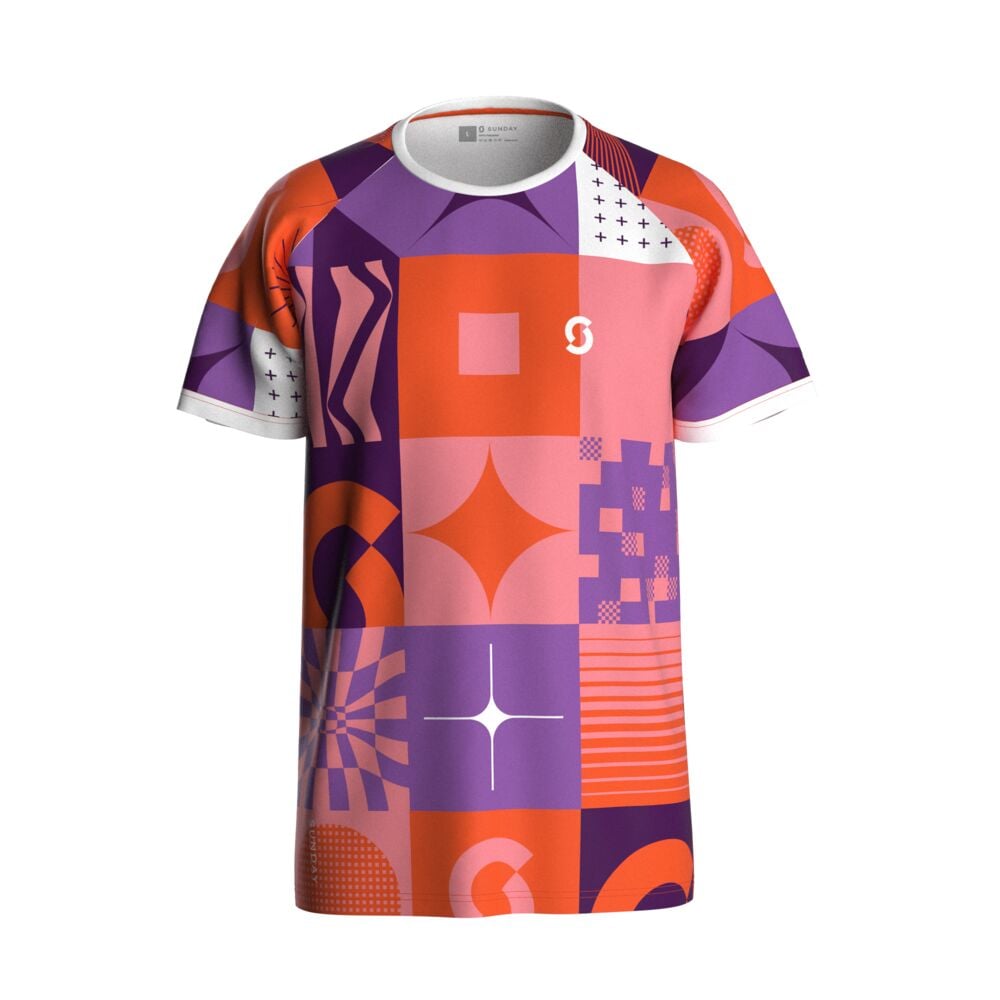
A basic branded jersey, around 15 euros, paired with a bottle beats one expensive technical piece for a recreational team.
5. Budget and what to spend
Wellness merch generally does not need to be expensive. Plan for roughly 25 to 30 euros per recipient depending on the activity, with a basic sports jersey around 15 euros. Do not give pro-level kit to recreational participants. It is often better to combine two accessible products, a jersey and a bottle, than to blow the budget on one technical jersey. Design still matters, because it is worn in public and represents the employer.
6. What to avoid
The same things sink wellness campaigns every time. Keep it inclusive and voluntary, since not everyone enjoys sports, and do not imply participation is expected. Avoid making it overly competitive; collaboration and shared progress beat winner-takes-all. Keep products and activities accessible to beginners, with no intimidating technical kit. Invite people in, do not make anyone feel inadequate.
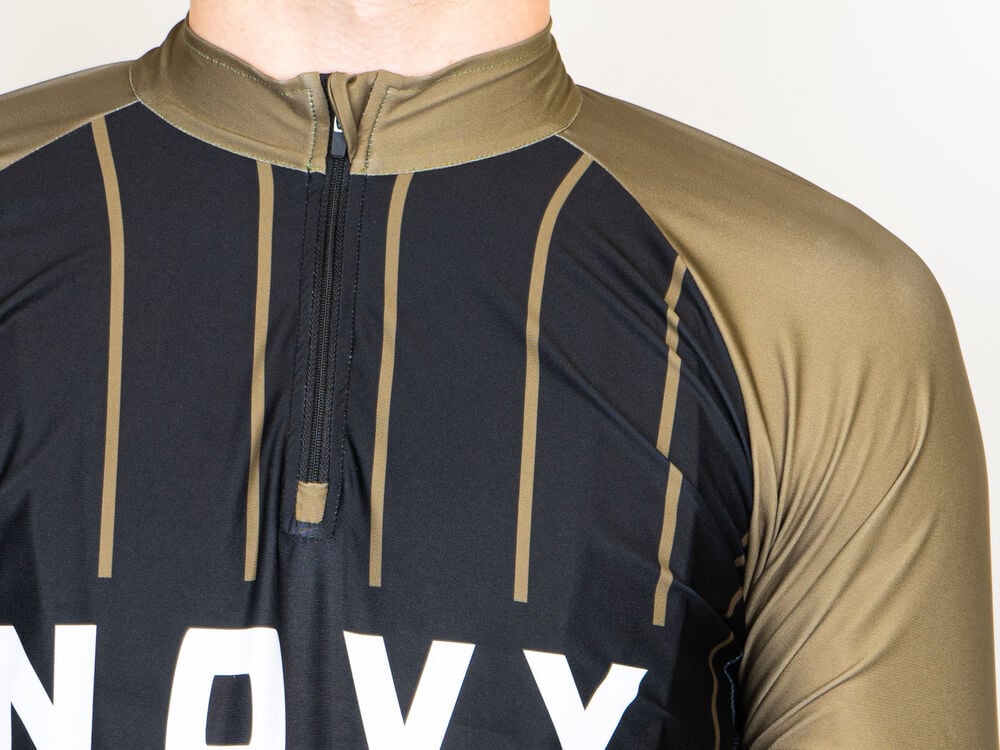
Inclusive and recreational beats elite and competitive. The goal is participation, not performance.
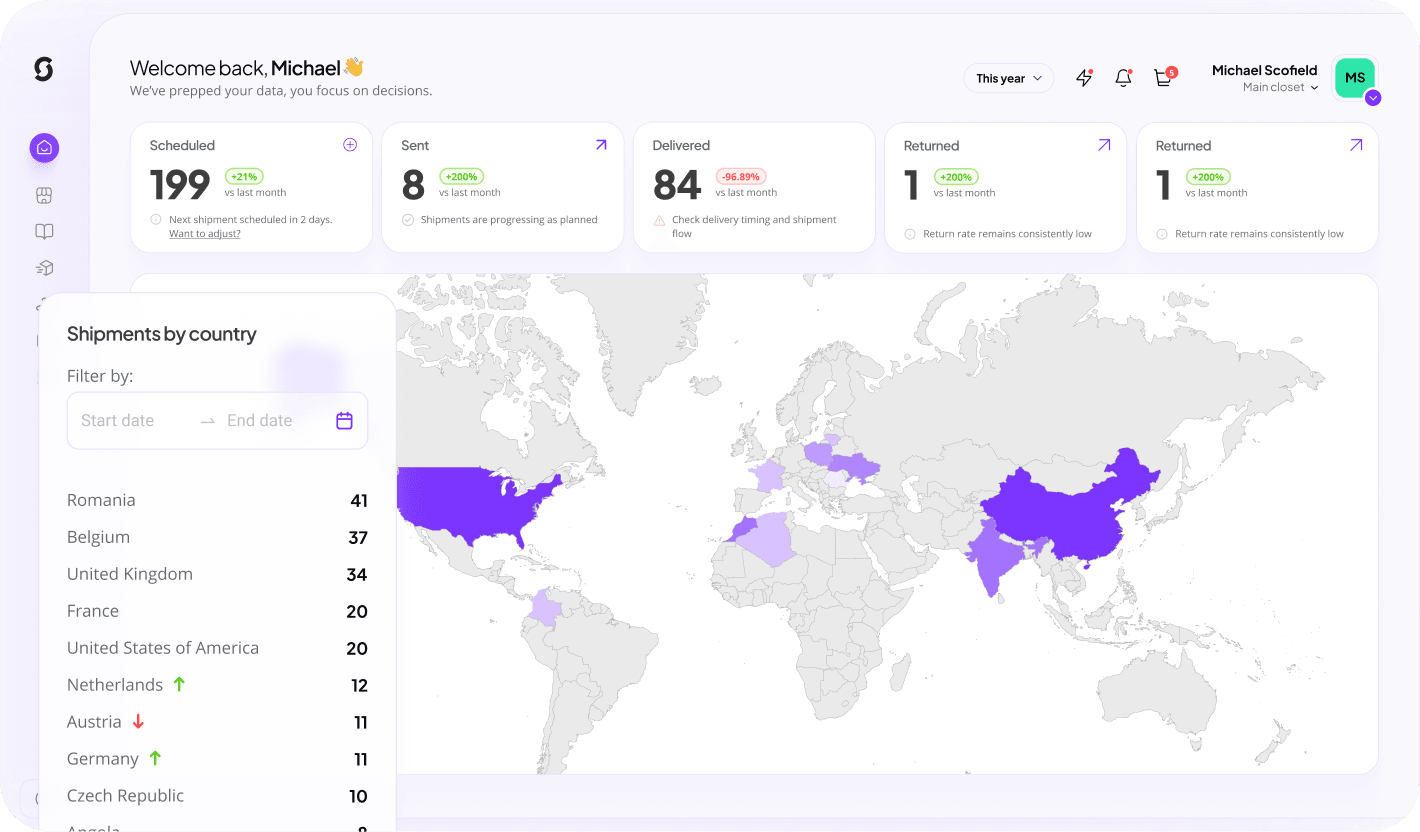
To see how Sunday runs the logistics, visit the platform and distribution.
Keep reading: employee wellness gifts
Build this campaign with Sunday
Custom sportswear, bottles, towels and bundled wellness kits, with redeem pages and direct delivery to every participant. Live in 30 seconds.
Build this campaign