
Employee wellness gifts are branded products that support a company health or activity initiative, like a running jersey for the marathon team, a bottle for a fitness challenge, or a kit for a wellness week. They work best when they complete a real activity rather than stand alone, because the merch makes participation visible and encourages more people to join. A typical budget is around 25 to 30 euros per recipient, often two accessible items combined rather than one expensive piece. The gift does not create wellbeing. The activity does. The merch makes it tangible.
One note before we start: this guide is for companies running, or about to run, a wellness or activity initiative and wondering how merch fits. The whole through-line is one idea. Wellness merch supports the activity, not the other way round. A gift handed out with no context has limited meaning. The same gift tied to a marathon, a yoga session, a walking challenge, a wellness week or a team activity turns participants into a visible group, encourages more people to take part, and gives them something they use before, during and after. Sunday's job is not to design your wellbeing policy. It is to make the initiative tangible.
The merch supports the activity, not the other way round
Here is the principle that decides whether your wellness gift works. Wellness merch is at its best when it supports a real activity, challenge or initiative. The gift alone does not create wellbeing. A yoga mat, a jersey, a towel or a bottle has limited meaning when it is distributed without context.
Tie the same item to a marathon, a yoga session, a walking challenge, a wellness week or a team activity and it changes job entirely. It makes participation visible. It makes the group social. It makes the moment memorable. People wearing the same running shirt at a company event are a team, not a list of names. That visibility is the point. It is why a wellness gift is a tool for participation, not a perk you tick off a list.
Gifts vs programme: where Sunday fits
It helps to separate two things that often get muddled. The programme is the broader initiative: running, cycling, yoga, walking, fitness, mental or physical challenges. The merch supports it. Sunday's role is not designing the wellbeing policy. It is making the initiative tangible through products participants use before, during and after.
That distinction is also what separates wellness gifting from the rest. A work anniversary gift marks a milestone. A new-hire welcome kit marks onboarding. A wellness gift should be linked to an event, a challenge, a season or a participation moment, not handed out as a routine perk. If you cannot name the activity the gift supports, it is not a wellness gift yet.
What makes a wellness gift meaningful
A wellness gift becomes meaningful when it completes an existing campaign. Not when it is impressive on its own, but when it slots into something people are already doing. A running shirt for the company marathon team. A yoga mat for a shared programme. A bottle for a fitness challenge. A towel or socks for a sports event. Merch tied to a Strava challenge.
Done that way, the gift gives the initiative visibility, encourages more people to join, and turns participants into content creators who wear and use it. That last point matters more than it sounds. People in branded kit photograph each other, post it, and pull colleagues in. The merch is both the incentive to take part and the proof that you did.
The Zalando marathon campaign
The clearest example is a full sports collection built around an active calendar. Zalando ran a sports collection built around around ten marathons across the year: running jerseys, water bottles, towels, running jackets and other sports products. Participating employees could request the relevant items, and Zalando also sponsored merch for the marathon events themselves.
What made it work was not any single item. It was the way it connected the brand with an active lifestyle across multiple moments. Employee participation, event sponsorship, branded merch and repeated visibility, all in one coherent programme rather than one isolated activation. The collection gave employees a reason to take part and a way to be seen taking part, again and again, all year. That is the difference between a wellness gift and a wellness campaign.
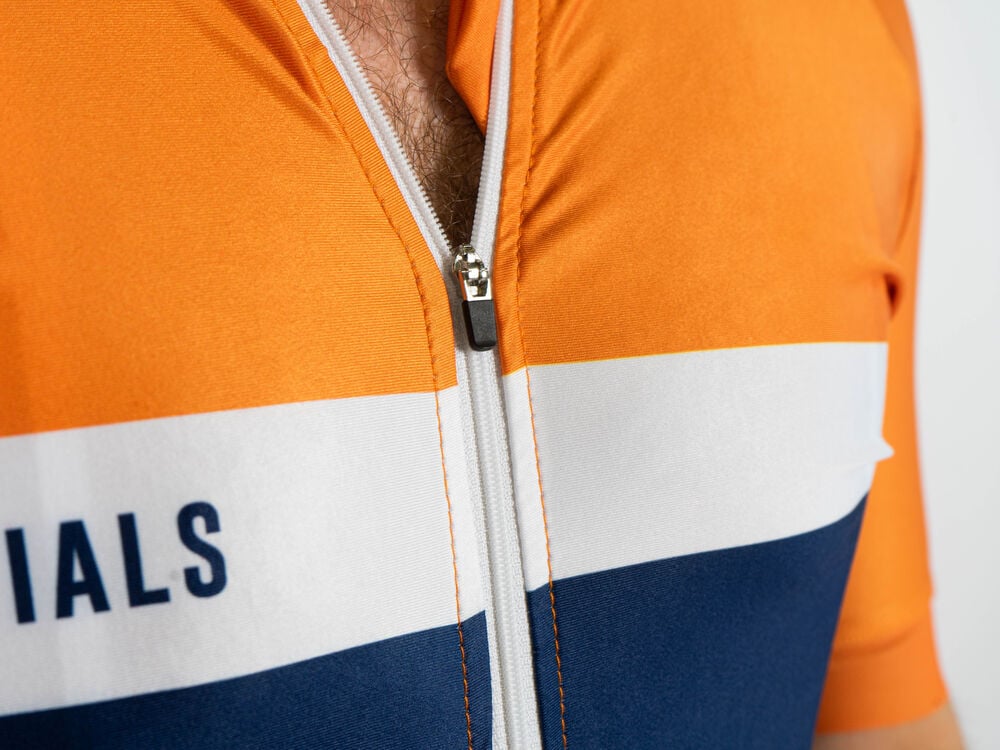
Branded kit turns participants into a visible team. The merch is the incentive to join and the proof you did.
Fitness gifts for employees
Fitness gifts for employees follow the same rule as everything else here: pick items that support an activity people are actually doing. The strongest options are the practical pieces that get used during the activity and carried afterwards.
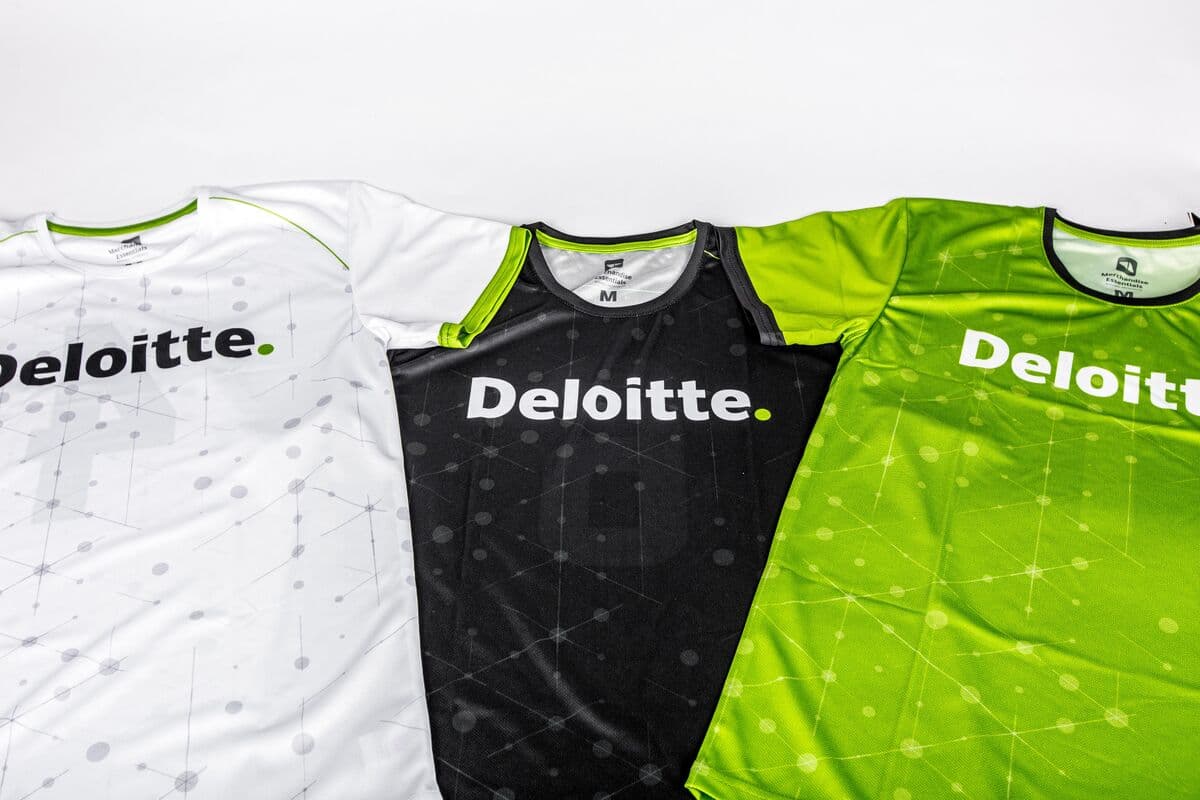
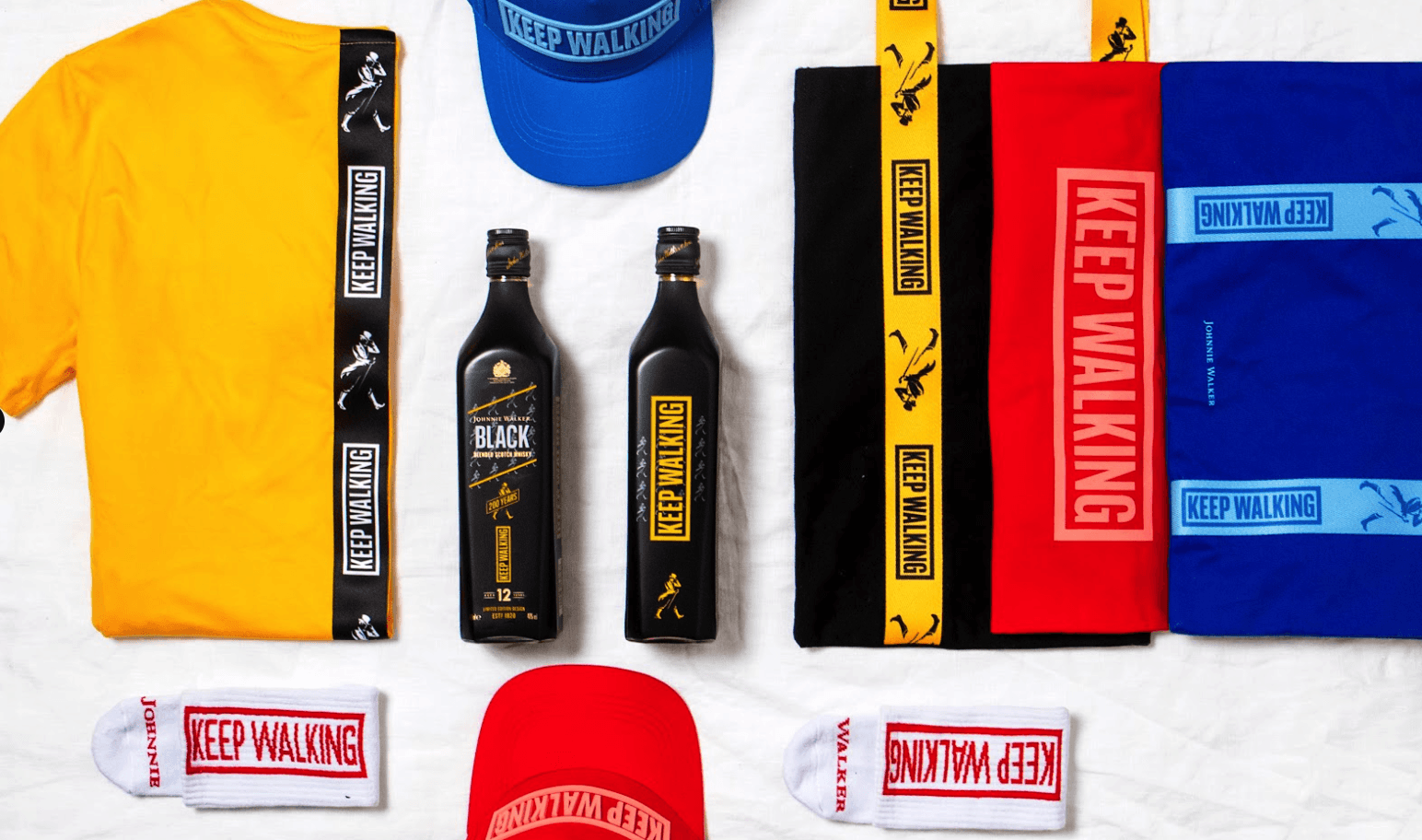
- Custom sportswear. A branded running or training jersey is the anchor of most fitness campaigns. It is worn publicly, so it does the most for visibility. Browse custom sportswear.
- Water bottles. A bottle is a natural fitness companion, but only where it solves a real need.
- Sports towels and socks. Inexpensive, genuinely used, and easy to combine into a kit.
- Running jackets and bags. A sporty backpack or fitness bag doubles as packaging and a useful item.
Do not over-spec. Recreational participants do not need pro-level kit. Two accessible items that fit the activity beat one expensive technical piece almost every time.
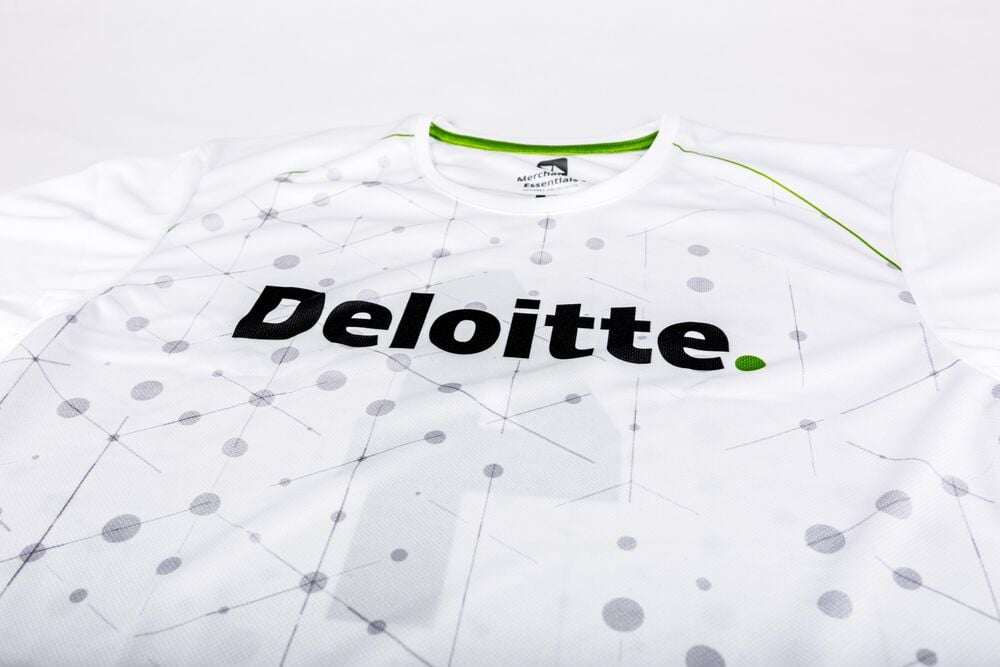
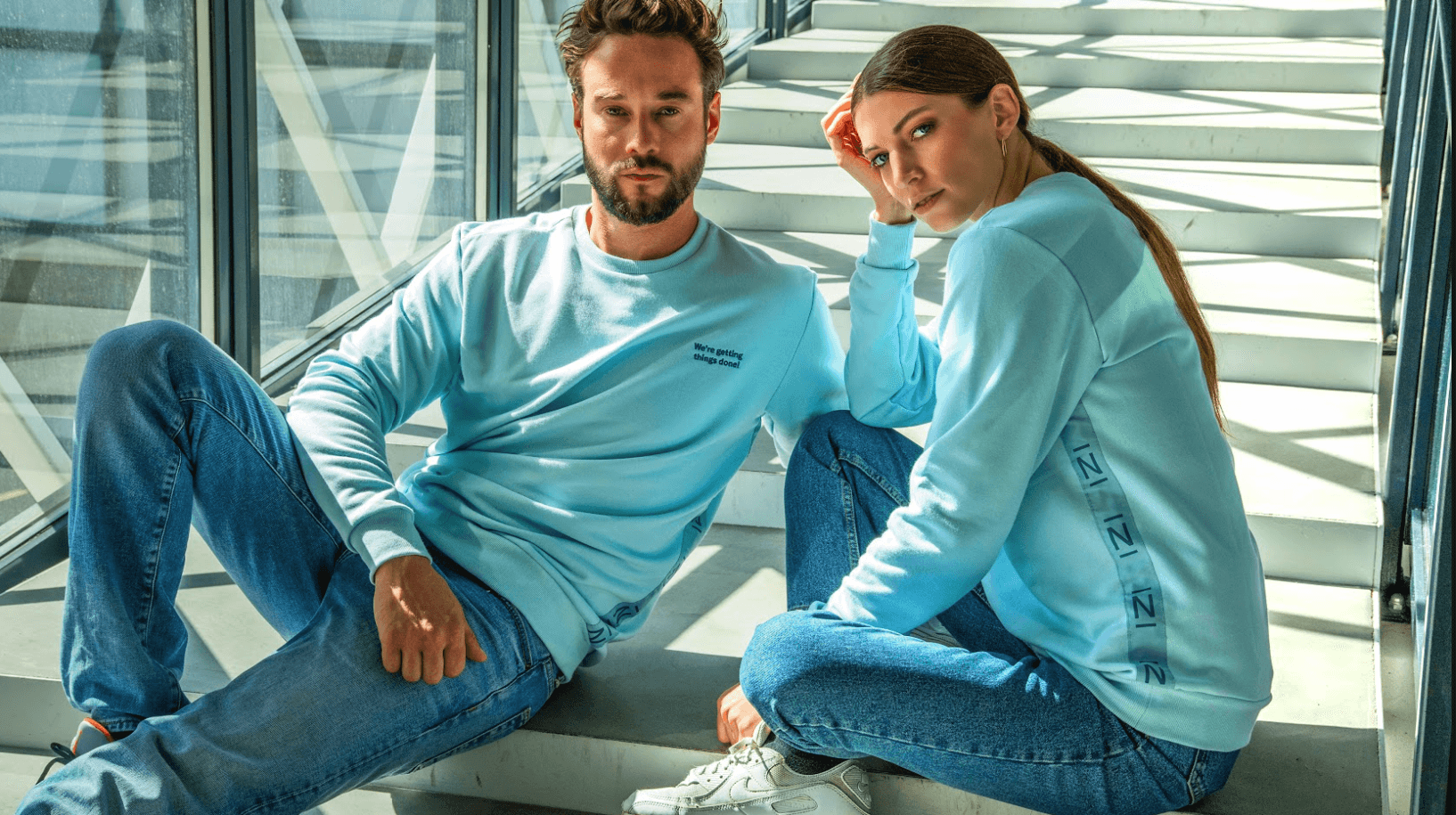
Custom sportswear is the anchor of a fitness campaign. Worn publicly, it does the most for visibility, which is the whole point.
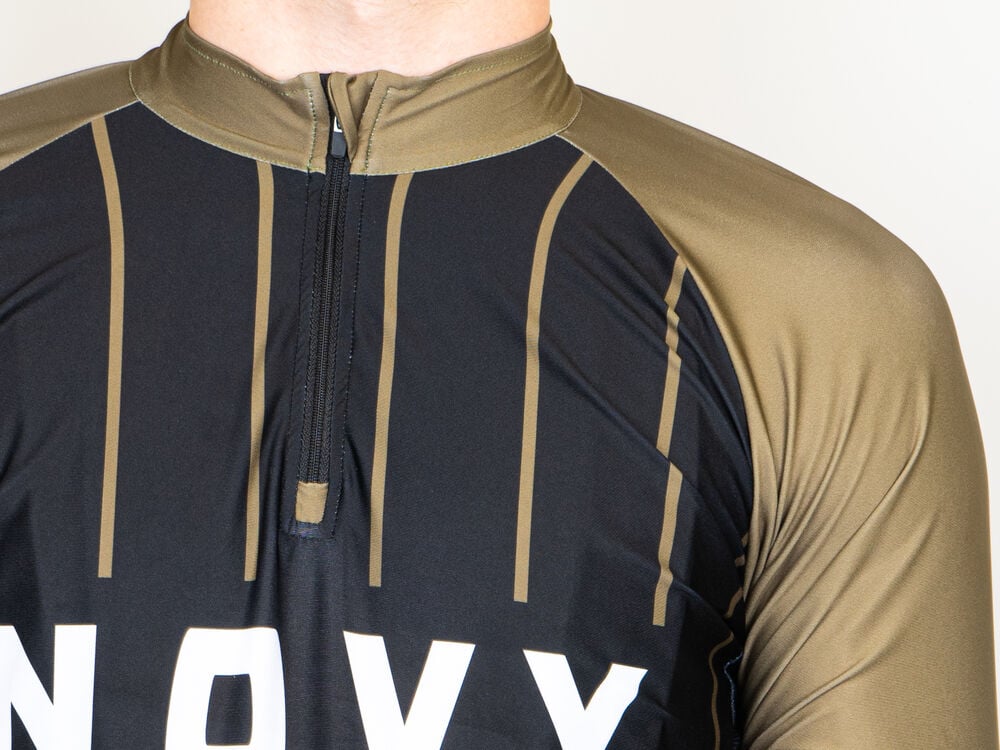
A sports activation in action. Hydration, kit and the activity all tie together, which is what makes the merch relevant rather than arbitrary.
Wellness for remote and hybrid teams
Wellness campaigns do not need everyone in one office at one time. A remote or hybrid team can run a fit-at-work campaign just as well, sometimes better, because the merch becomes the shared thread that ties people together across locations.
- Strava challenges and virtual walking or running programmes with a shared leaderboard.
- Fit-at-Home sessions and Peloton challenges for teams that train from home.
- Individual distance or activity goals tracked across the team.
- Async collaborative events where people take part on their own schedule.
Then ship the merch directly to each participant. A jersey or kit arriving at someone's door creates a shared identity and an internal movement even when nobody is in the same room. Sunday handles redeem pages for sizes and addresses and ships internationally, which is what makes a remote rollout practical.
What to avoid
A wellness campaign can go wrong in predictable ways. Keep it inclusive, voluntary and beginner-friendly, and you avoid almost all of them.
- Do not assume everyone enjoys sport. Keep participation voluntary. Never imply it is expected, and never make non-participants feel they are missing out.
- Do not make it overly competitive. Leadership often likes rankings and aggressive targets. Many employees do not. Collaboration, participation and shared progress beat winner-takes-all.
- Keep it accessible to beginners. Recreational, not pro. No intimidating technical kit, no performance expectations.
- Invite people in. The goal is to make people feel welcome, never inadequate.
Mental health gifts for employees
Wellness is not only physical, and the same principle holds for mental health gifts for employees: the gift supports an initiative, it does not replace one. A relaxation or rest-themed item lands when it is tied to a real programme, a company rest week, a mindfulness session, a mental-health awareness moment, rather than dropped on a desk with no context.
Tie a comfort item, a quality blanket, a wellness kit or a wellness week gift to an actual initiative and it signals that the company is creating space for wellbeing, not just talking about it. Handed out alone, the same item reads as a token. The activity is what gives it meaning, exactly as with the physical side.
Wellness week gift ideas and seasonal triggers
Timing matters. Follow the activity calendar rather than forcing wellness into a random gifting moment. The natural launch windows are clear.
| Trigger | Why it works |
|---|---|
| Wellness weeks / rest weeks | The natural launch moment. The activity and the merch line up by design. |
| Spring sports season | Running, walking and cycling all rise. Demand for kit is already there. |
| January to February | Ski and snowboard season for relevant teams and locations. |
| September fitness days | Post-summer company sport and wellbeing events restart the calendar. |
Fit-at-work campaign ideas almost always map onto one of these windows. Launch when people are already inclined to be active, and the campaign carries itself.
Budget: what to spend per person
Wellness gifts generally do not need to be expensive. A sensible band is around 25 to 30 euros per recipient depending on the activity, and a basic sports jersey is around 15 euros. The mistake to avoid is giving pro-level kit to recreational participants. It costs more and fits the audience worse.
Often the better move is to combine two accessible products, a jersey plus a bottle, rather than blow the budget on one technical jersey. Two relevant items create a more complete experience than one expensive piece. Design still matters, though. Wellness merch is worn publicly, so it has to look good and represent the employer well. Cheap is fine. Cheap-looking is not.
Building a wellness gift box for staff
A wellness gift box for staff works best as two or three complementary items that fit the activity, not a pile of unrelated products. The formula is simple: pick items that get used together.
- Bottle plus sports towel plus tennis socks.
- Jersey plus bottle.
- Running jacket plus bottle.
- Towel plus socks plus drawstring bag.
A neat trick is to pack the selection in a fitness bag or sporty backpack, which doubles as the packaging and a useful item in its own right. The individual pieces do not need to be expensive. Packaged together they create a complete experience that feels considered. Remember the bottle is a strong anchor only where it solves a real need.
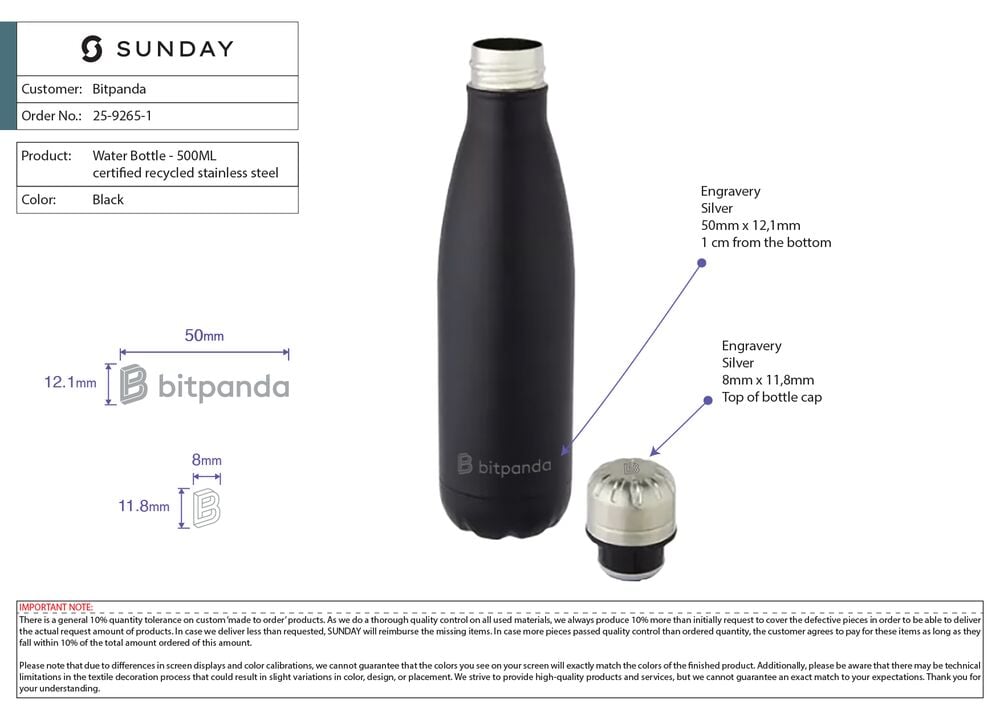
A bottle anchors many wellness kits, but only where the recipient needs one. Pair it with a towel, socks or a jersey for a complete kit.
How to measure impact
Merch is one component of a wellness initiative, so do not expect hard health outcomes from the merch alone. Measure the things merch actually moves.
- Participation rates and repeat participation.
- Employee feedback and programme visibility.
- Wellbeing-survey results and, where relevant, sick days.
- Internal engagement and employer-brand content and reach.
The standout metric is participation growth. One company went from around 10 employees in a ten-mile run to more than 100 once people saw the branded sports shirts and knew participants would get them. The merch was the incentive to join, and the wearers became brand ambassadors. The real value is awareness, participation, employer branding and positive association, not strict merch ROI.
Wellness gifts vs the old perk approach
| Old perk approach | The Sunday approach | |
|---|---|---|
| Starting point | A gift handed out as a perk | A real activity the merch supports |
| Timing | A random gifting moment | Tied to a challenge, event or season |
| Tone | Competitive, target-driven | Inclusive, voluntary, beginner-friendly |
| Spend | One expensive technical item | Two accessible items, ~25 to 30 euros |
| Remote teams | Office-only, left out | Virtual challenge plus direct-to-home merch |
| Success measure | Units shipped | Participation growth and repeat participation |
Is corporate wellness just theatre?
Well-executed wellness is not theatre. Sport and activity matter more to employees now, and companies can play a positive role by creating opportunities to be active together. Done right it combines health with team building and lifts employer branding without being inauthentic.
The key principle is the one that separates the real thing from the performance: you cannot fake a healthy culture. It has to come from a genuine place, backed by real opportunities to take part, not just branded products and public messaging. The merch makes a real initiative visible. It cannot manufacture one that is not there. Get the activity right and the merch amplifies it. Skip the activity and the merch is exactly the theatre the cynics suspect.
How Sunday delivers
Sunday is merch infrastructure, not a supplier. We help you turn a wellness or sports initiative into a coherent branded campaign employees participate in, share and remember. That means a broad sports and wellness range, custom sportswear, bottles, towels, socks, jackets and bags, bundled wellness kits, branded packaging, merch for in-person events, and direct delivery to remote employees. We handle redeem pages for sizes and addresses, international logistics, and we bring experience from prior employee and event campaigns. Merch, in your brand, live in 30 seconds. Explore the full catalog, see how it works, or learn about our distribution service for shipping to remote teams. Preview a bottle for your kit in your colours with the free water bottle mockup generator, and browse custom water bottles for the hydration anchor.
Build your wellness campaign with Sunday
Sportswear, bottles, kits and direct-to-home delivery, all in your brand, live in 30 seconds. Create a free account and design the merch that makes your initiative visible.
Build this campaign with SundayEmployee wellness gifts: questions answered
What are good employee wellness gifts?
The good ones support a real activity rather than stand alone. A running jersey for the company marathon team, a bottle for a fitness challenge, a yoga mat for a shared programme, a sports towel or socks for an event, or a wellness kit for a wellness week. The strongest options are practical items participants use before, during and after the activity. Pick the gift to fit the initiative, not the other way round.
How much should I spend on employee wellness gifts?
Generally around 25 to 30 euros per recipient depending on the activity, with a basic sports jersey around 15 euros. Often it is better to combine two accessible items, such as a jersey plus a bottle, than to spend the whole budget on one technical piece. Recreational participants do not need pro-level kit. Design still matters, because the merch is worn publicly and should represent the employer well.
Why do wellness gifts work better tied to an activity?
Because the gift alone does not create wellbeing. A jersey, bottle or yoga mat distributed without context has limited meaning. Tied to a marathon, challenge, yoga session or wellness week, the same item makes participation visible, social and memorable, encourages more people to join, and turns participants into people who wear and share it. The activity gives the merch its meaning.
How do wellness campaigns work for remote and hybrid teams?
They do not need everyone in one place. Use Strava challenges, virtual walking or running programmes, Fit-at-Home or Peloton challenges, individual activity goals or async events, then ship the merch directly to each participant. A jersey or kit arriving at someone's door creates a shared identity and an internal movement across locations. Sunday handles redeem pages for sizes and addresses and ships internationally.
What should I avoid with employee wellness gifts?
Keep it inclusive and voluntary, because not everyone enjoys sport, and never imply participation is expected. Avoid making it overly competitive: collaboration and shared progress beat winner-takes-all rankings. Keep products and activities accessible to beginners, recreational rather than pro, with no intimidating technical kit. The goal is to invite people in, never to make them feel inadequate.
How do you measure the impact of a wellness campaign?
Track participation rates and repeat participation, employee feedback, programme visibility, wellbeing-survey results, sick days where relevant, internal engagement, and employer-brand content and reach. The standout metric is participation growth: one company grew a ten-mile run from around 10 to more than 100 participants once branded shirts were introduced. The real value is awareness, participation and employer branding, not strict merch ROI.
What goes in a wellness gift box for staff?
Two or three complementary items that fit the activity. Common combinations are a bottle plus a sports towel plus tennis socks, a jersey plus a bottle, a running jacket plus a bottle, or a towel plus socks plus a drawstring bag. Packing the selection in a fitness bag or sporty backpack is a neat move, because the bag is both the packaging and a useful item. The pieces need not be expensive individually.
When should we run a wellness campaign?
Follow the activity calendar. The natural launch windows are wellness weeks or company rest weeks, the spring sports season when running and cycling rise, January to February for ski and snowboard in relevant teams, and September company fitness days after summer. Launch when people are already inclined to be active rather than forcing wellness into a random gifting moment.