

To run a new hire welcome kit program, design and stock the kit, bundle it into a pre-made package, then build a redeem campaign that generates a self-serve link. The new hire picks their size, confirms their address, and the kit ships automatically. Drop that link into your HRIS welcome email and the whole program runs hands-free. Budget €50 to €100 per box and outsource once you hit around ten hires a month.
A welcome kit is one of the highest-impact, lowest-effort things HR can do, but only if it does not eat anyone's week. Remembering each new hire, collecting size and address, packing, shipping and chasing is such a side part of the job that at any scale it quietly stops happening. The answer is to automate it completely. Here is how, step by step.
The automated workflow, end to end
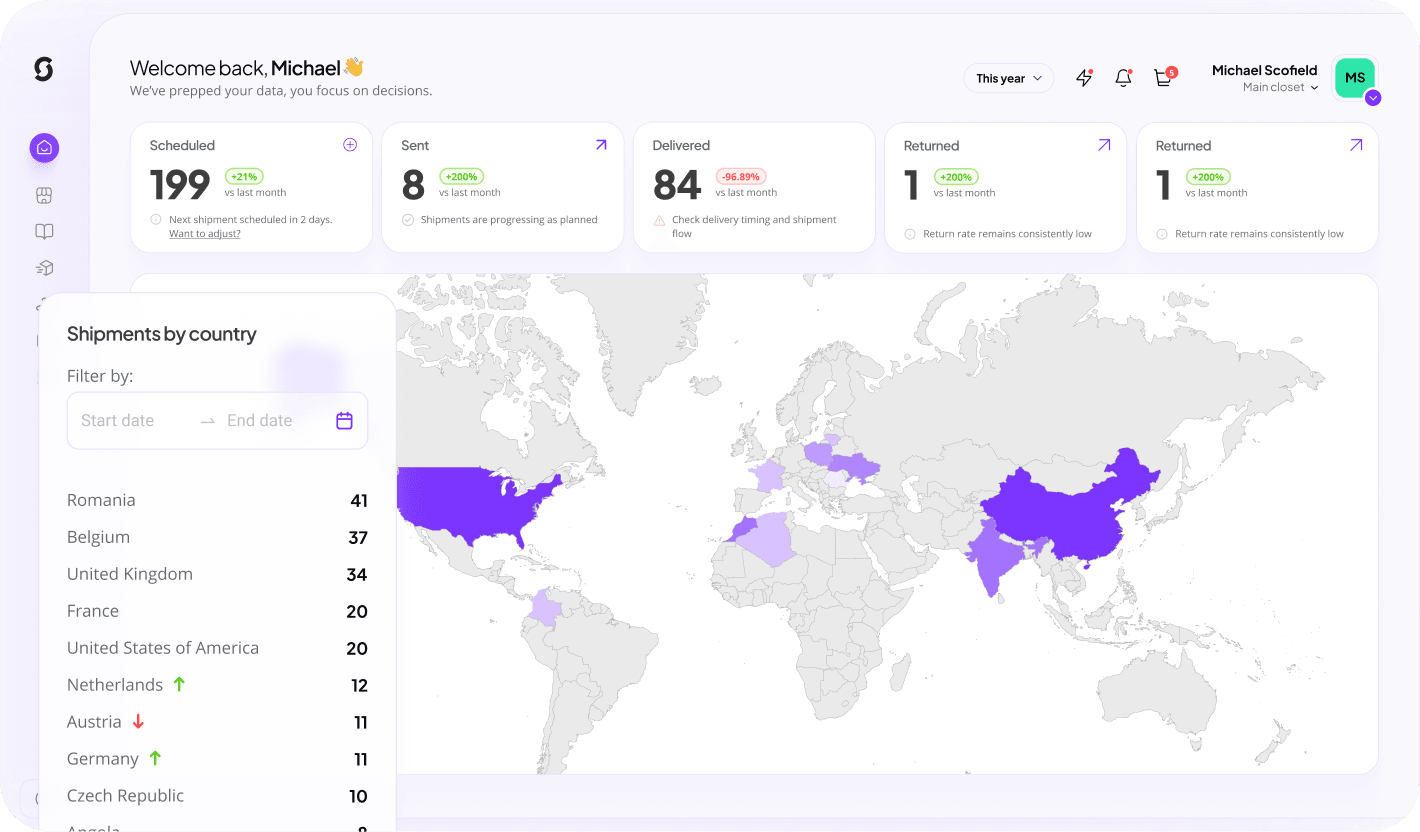
The whole program comes down to one idea: a single self-serve link, pasted into the comms you already send. Here is what happens behind it.
- Design, produce and stock Sunday designs and produces the box and the items, then holds them in stock so nothing is made to order at the moment of hire.
- Assemble a pre-made package You bundle the items into a package on the platform and see live stock of that package.
- Create a redeem campaign Add the package to an onboarding campaign with rules and visuals. The system generates a redeem link that acts as your landing page.
- The new hire self-serves On that page they pick their size, choose variants, enter their home or office address, and claim the kit. It ships automatically.
- Drop the link into your HRIS Paste the redeem link into your existing welcome email in Personio, HiBob, Workday or similar. One line, one button, and the program runs itself.
Step 1: choose the products
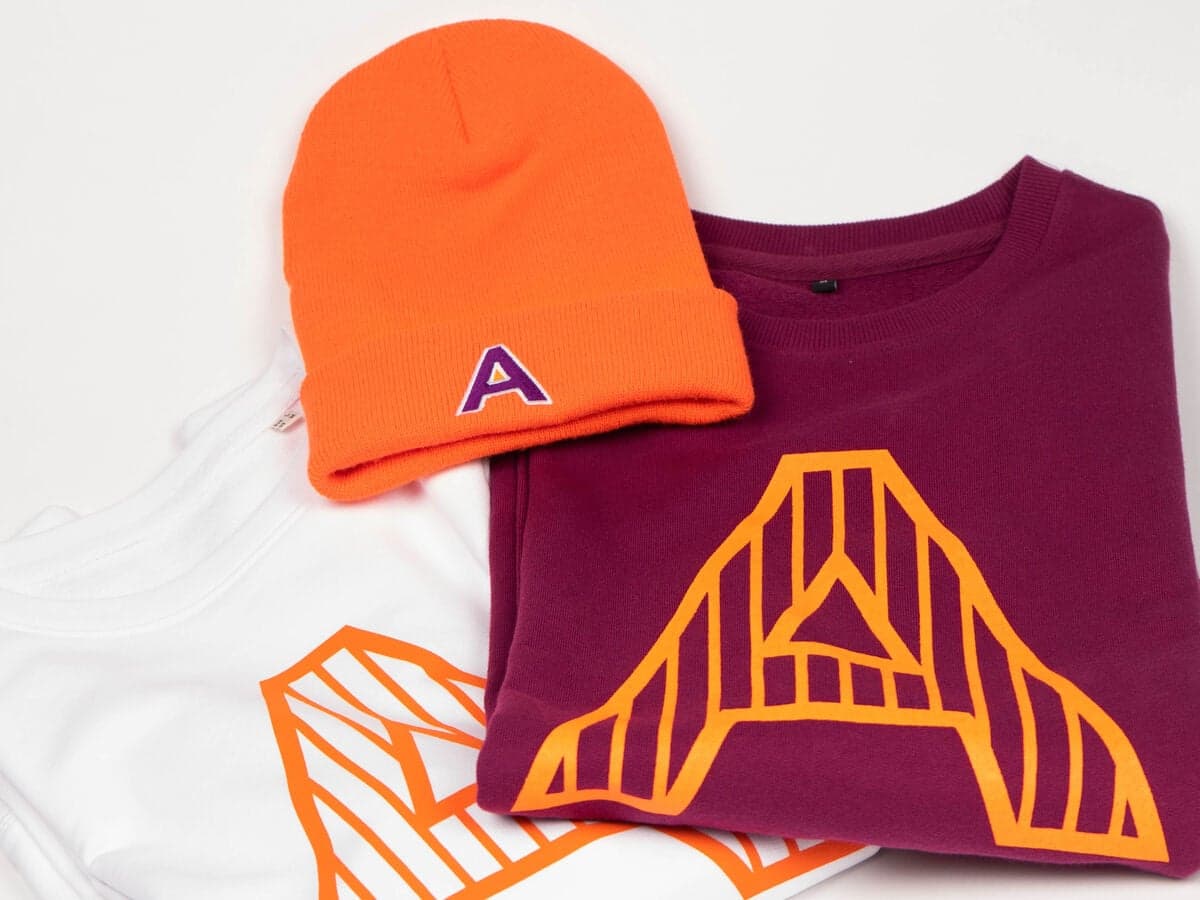
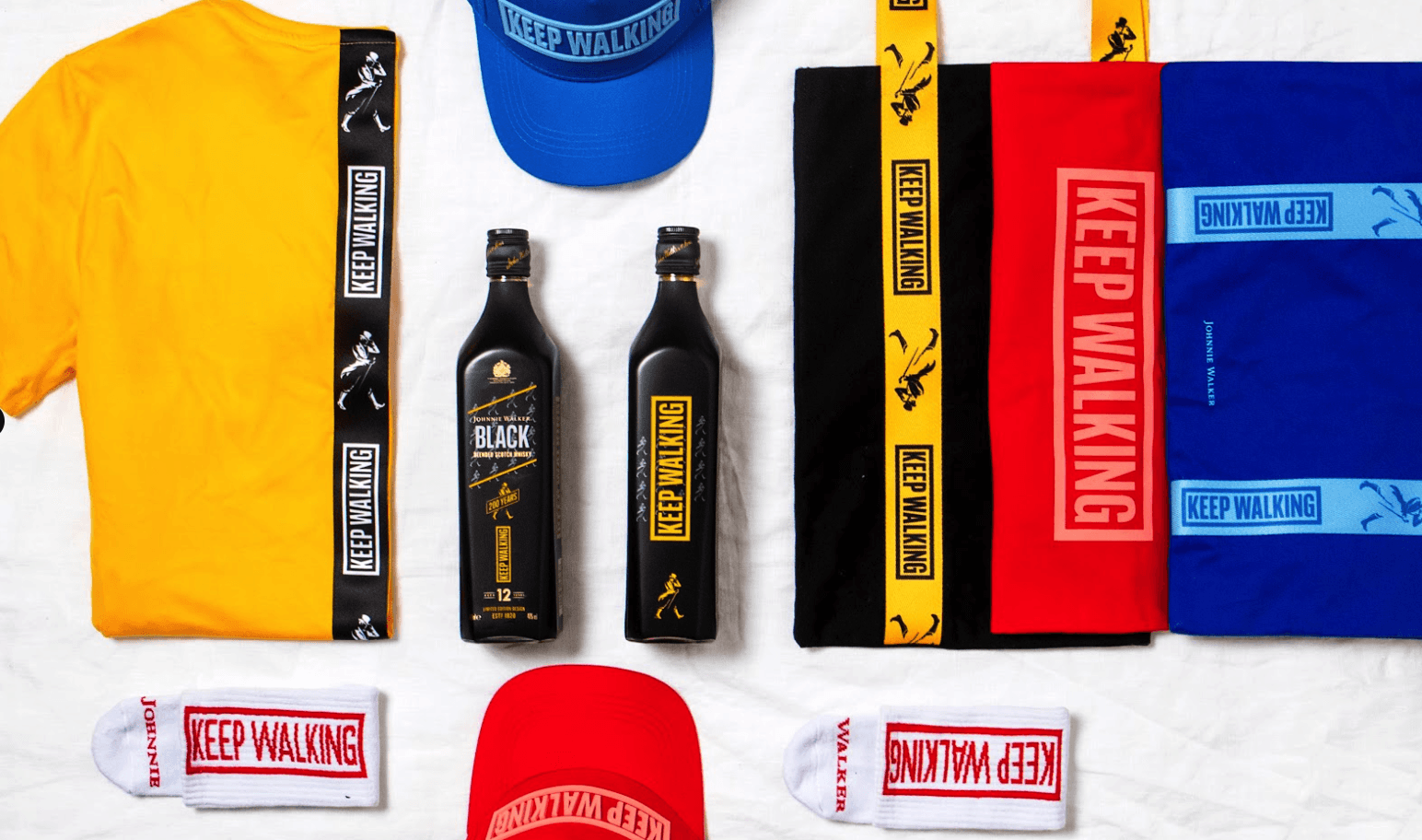
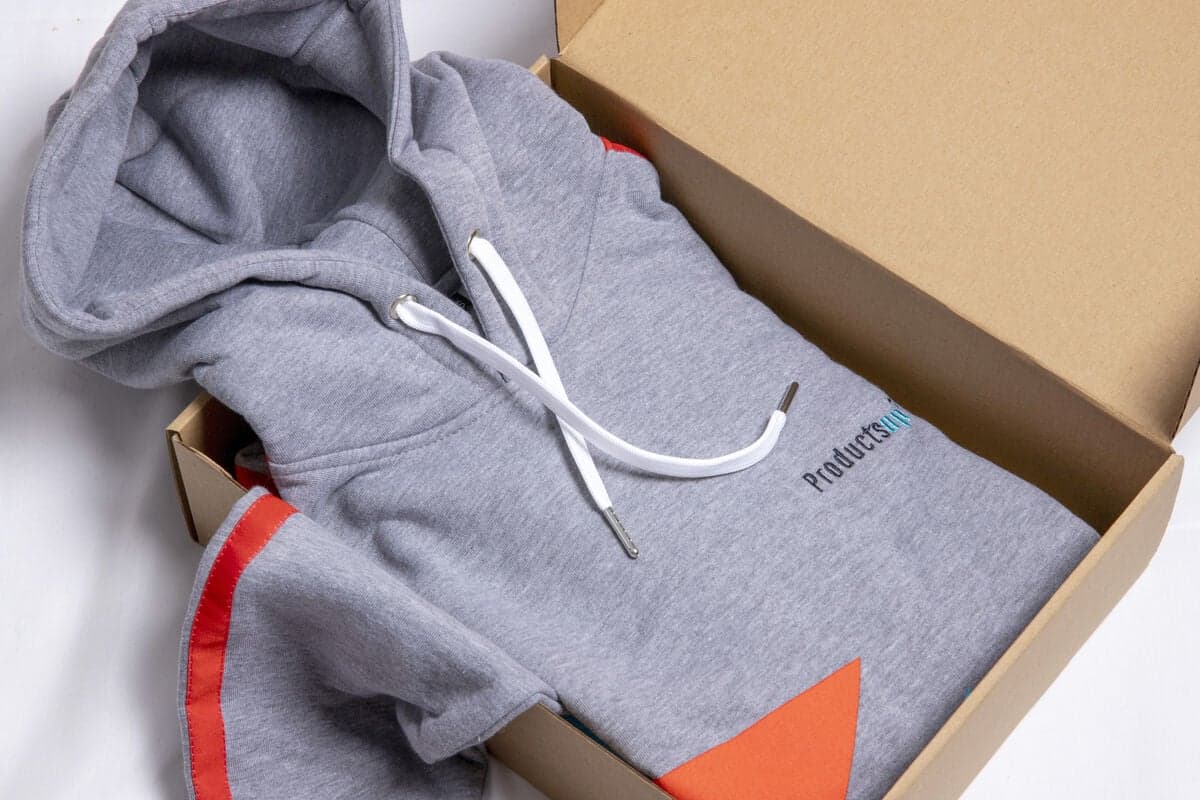
Start with a kit that lands. The rule is something to wear, something to use, and something for the desk, with a premium branded hoodie as the hero item. A heavy, embroidered hoodie feels like a warm hug from the company someone just joined, which is why it is the number-one piece in a welcome kit. Add a bag, a couple of useful desk items, and a personalized note. Preview the hero hoodie in your branding with the free hoodie mockup generator, or browse custom hoodies.
Step 2: design and stock the kit
Once the items are designed, they are produced and warehoused so the package is ready to ship the moment a new hire claims it. This is the part that makes automation possible: because stock sits ready, there is no lead time between someone joining and their kit going out. You assemble the items into a pre-made package and watch live stock, so you always know how many kits you can send before a reorder.
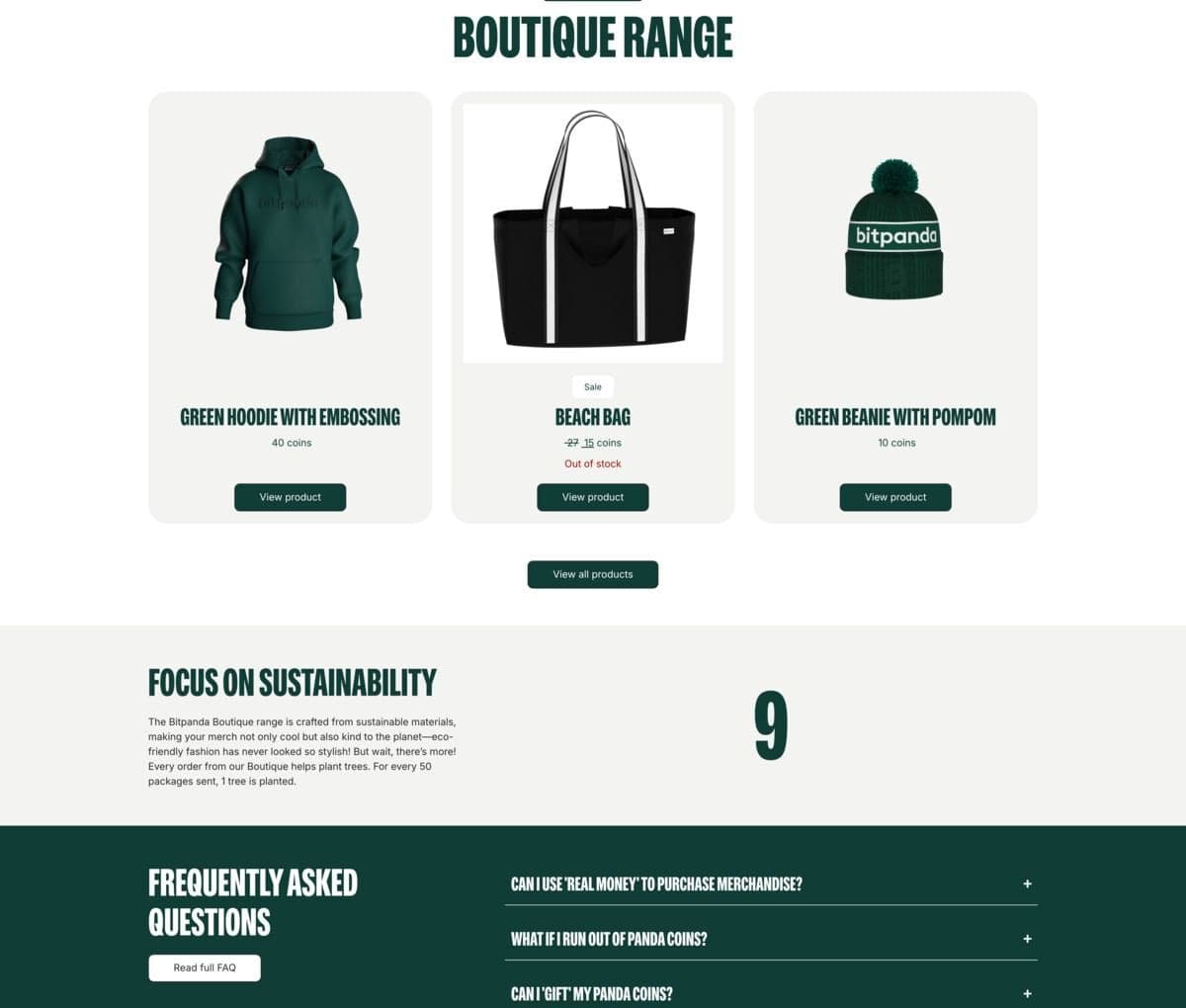
A kit assembled as a pre-made package. Stock sits ready so kits ship the moment they are claimed.
Step 3: build the redeem campaign
Add the package to an onboarding campaign, set the rules and the visuals, and the system generates a redeem link. That link is your landing page. The new hire opens it, picks their size, chooses any variants, enters the address they want it shipped to, and claims the kit. Because the recipient selects their own size and confirms their own address, two of the biggest sources of error, wrong sizes and wrong addresses, disappear.
Step 4: connect your HRIS
This is the step that turns a nice idea into a program that never gets forgotten. Paste the redeem link into the automated welcome email you already send from your HR system, whether that is Personio, HiBob, Workday or another tool. The email gains one line, claim your welcome kit here, with a button to the redeem page. From then on it runs fully automatically: a new hire is added, the welcome email fires, they claim the kit, and it ships. No one packs a box.
| Doing it in-house | Automated program | |
|---|---|---|
| Trigger | Someone remembers a new hire | HRIS welcome email fires automatically |
| Sizes and address | Chased over email | Recipient self-serves on the redeem page |
| Packing | Someone at the front desk | Pre-stocked, ships on claim |
| Remote hires | Often forgotten | Same link, shipped to their door |
| Effort per hire | A slow manual task | Effectively zero |
Step 5: get the timing right
Aim to land the kit inside a two-week window around the start date, from the week before to the week after. Pre-boarding delivery is a nice touch. For office hires, leave it on the desk for day one or two. For remote hires, a little later is fine as long as they know it is coming, which the redeem page and track-and-trace take care of. The point is to show intent within that window so the new hire knows a welcome is on its way.
Remote and international hires
One country is easy. Global is where in-house programs die: customs paperwork, wrong addresses, courier quality and duties. The worst failure is a new hire being asked to pay a customs bill to receive a gift from their employer. A managed program solves this by warehousing stock, confirming the address with the recipient, and shipping Delivered At Place with duties pre-financed, so the new hire is never confronted with a bill. That is how the same welcome reaches someone in any country without the hassle ending the program. For the wider context, see the complete welcome kits guide.
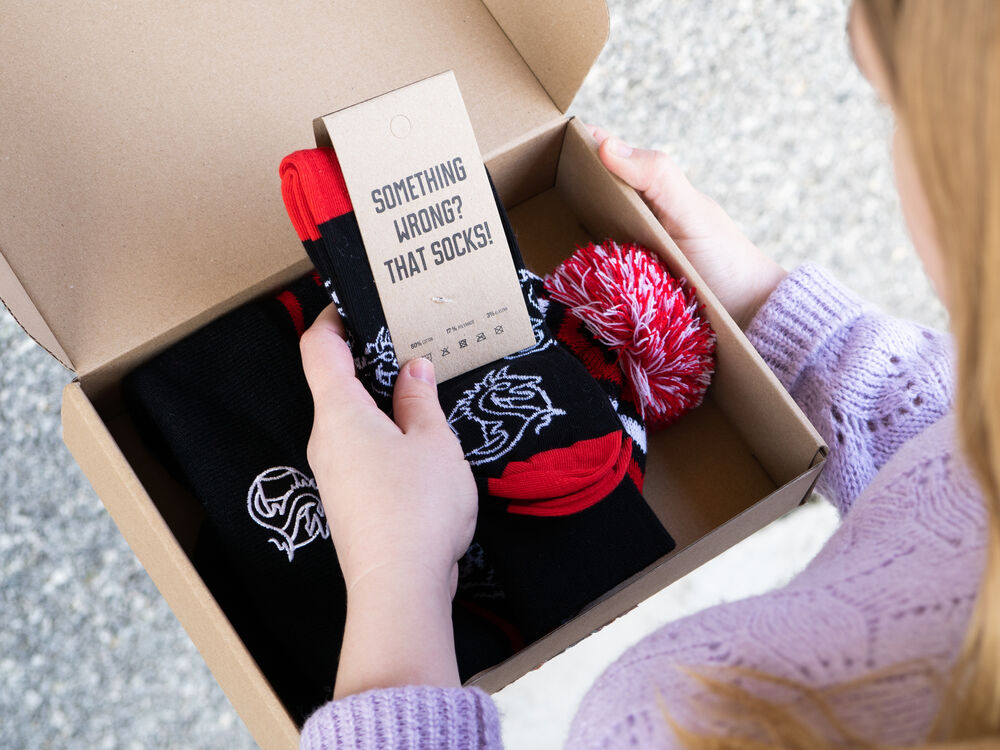
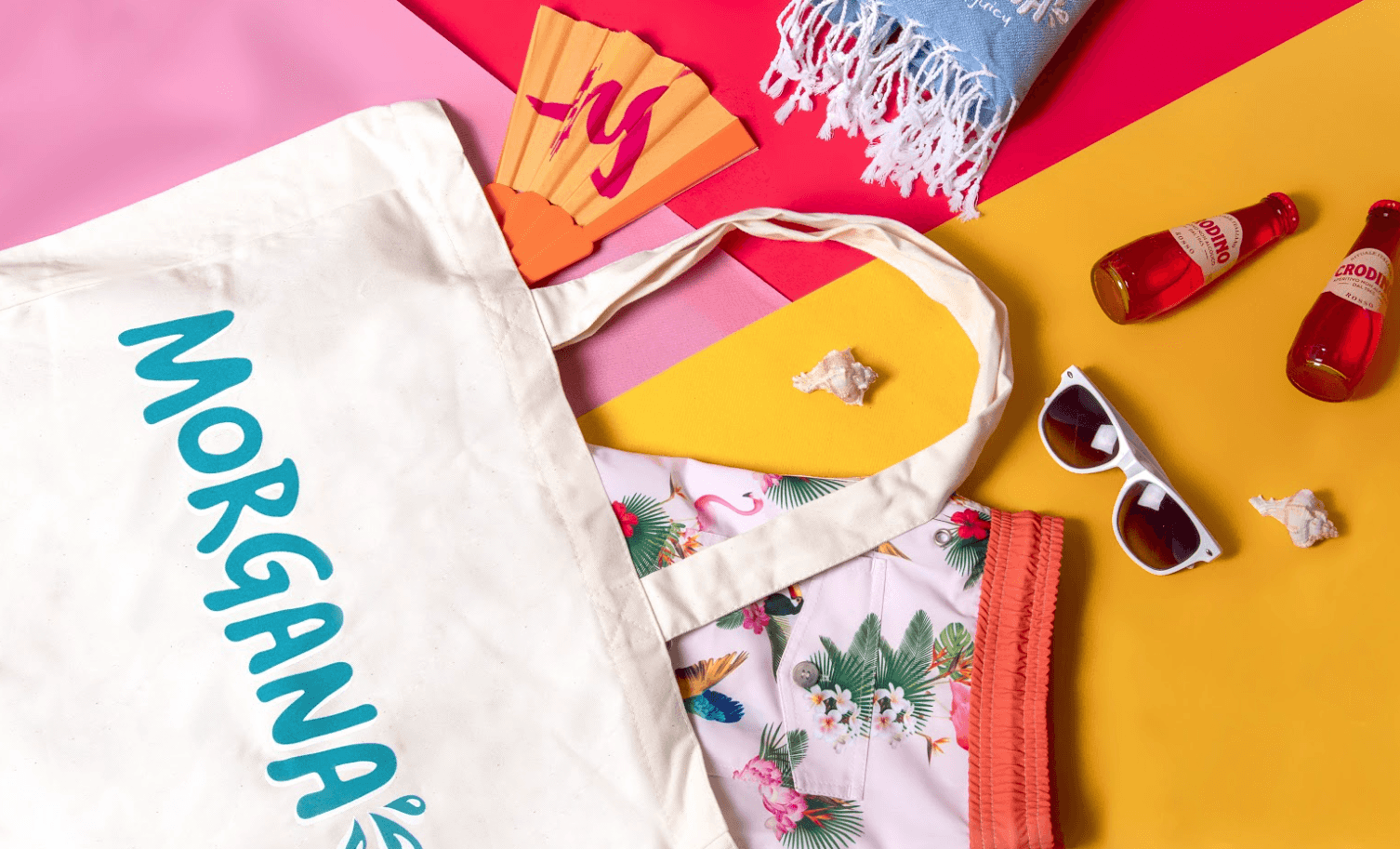
A kit ready to ship. Shipping Delivered At Place with duties pre-financed keeps the program running across borders.
Step 6: measure the program
A welcome kit program is easy to justify and easy to measure. Track the obvious operational metrics, then the impact ones:
- Claim rate: the share of new hires who redeem their kit. A self-serve link makes this high.
- Time to delivery: how long from start date to kit in hand. Aim for the two-week window.
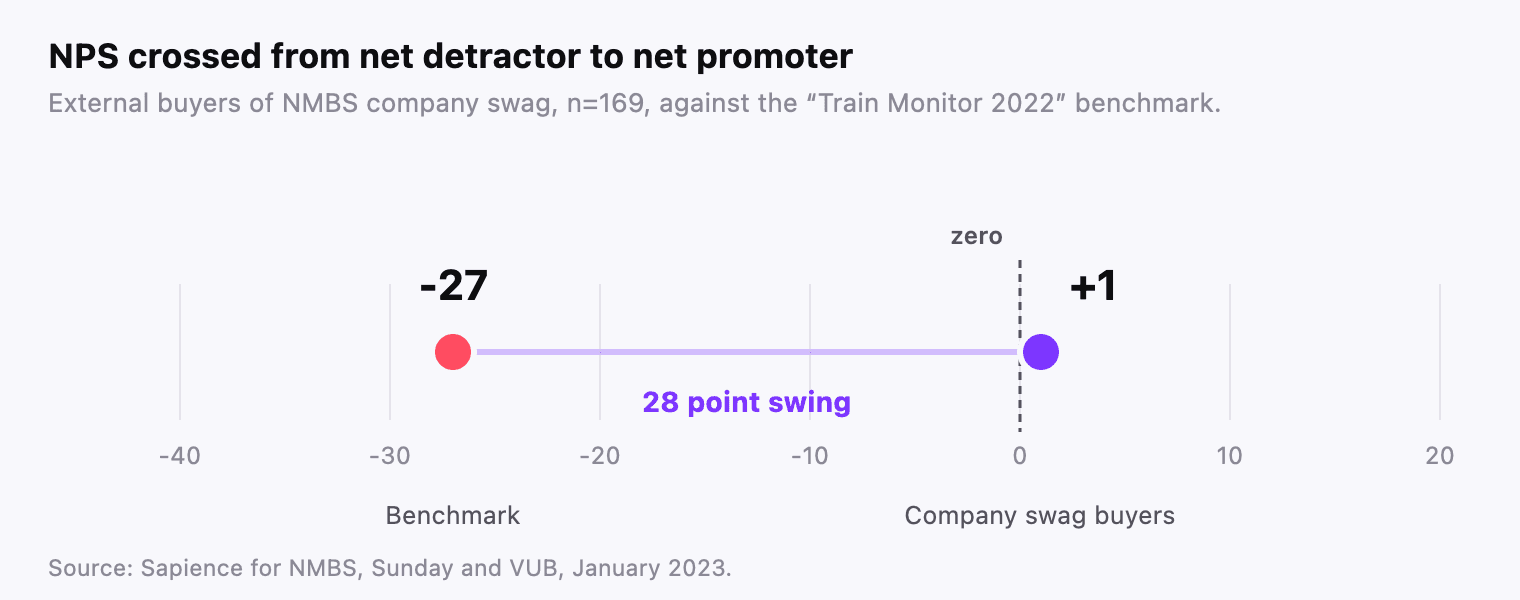
- Social shares: at least one in five new hires will post about a kit they love, which is free employer branding.
- Cost per head: €50 to €100 per box, dropping with volume and reuse for events.
- Consistency: everyone gets the same kit. A missing kit is more sensitive than a payslip error.
The economics are simple. At €50 to €100 a box, 100 hires costs only €5,000 to €10,000, tiny next to a salary or a recruitment fee. Outsource the moment you are sending around ten kits a month, because shipping is cheaper at scale and the product price is the same whether you pack it yourself or not.
Running a welcome kit program: questions answered
How do you automate a new hire welcome kit program?
Design and stock the kit, bundle it into a pre-made package, then build a redeem campaign that generates a self-serve link. The new hire picks a size, confirms an address, and the kit ships automatically. Paste the link into your HRIS welcome email and it runs hands-free.
How does the kit reach a remote employee's front door?
The redeem link lets the recipient enter their own confirmed address, and a stocked, managed program ships to it directly. For international hires it ships Delivered At Place with duties pre-financed, so the kit arrives without the new hire being asked to pay anything.
When should the welcome kit be sent?
Inside a two-week window around the start date. Pre-boarding is nice, day one or two is ideal for office hires, and slightly later is fine for remote hires as long as they know it is coming. Show intent within that window.
At what point should we outsource welcome kits?
Around ten kits or ten hires a month. At that point the manual work of remembering, collecting sizes and addresses, packing and shipping stops being worth a team's time, and outsourcing is cheaper because shipping rates improve at scale while the product price stays the same.
How much does a welcome kit program cost?
Around €50 to €100 per box. At 100 hires that is only €5,000 to €10,000, small next to a salary or recruitment fee. Higher volume lowers the unit cost, and reusing kit items for events helps too.
What should we measure?
Claim rate, time to delivery, social shares, cost per head and consistency. Consistency matters most: everyone should get the same kit, because a missing welcome kit can feel more sensitive than a payslip error.
Keep reading: new-hire welcome kits
Run your welcome kits on autopilot
Design the kit, hold stock, and drop one redeem link into your HRIS. Create a free account to build the campaign.
Build this campaign with Sunday