



An internal communications strategy defines five things: what you communicate, to which audiences, through which channels, at what cadence, and how you know it landed. Anything missing one of those five is a channel list rather than a strategy, which is why most internal comms plans quietly stop being used within a quarter.
This is a working guide rather than a theory piece. It covers the five components, a channel matrix showing what each channel is genuinely good and bad at, a worked example for a 500-person company, a template you can lift, and one channel that almost no internal comms team owns despite it being the only one people voluntarily talk about.
The five components of an internal communications strategy
| Component | The question it answers | How it usually fails |
|---|---|---|
| Audiences | Who needs to know, and who only needs access? | One audience called "everyone", so frontline and head office get identical messages |
| Messages | What are the three to five things we are saying this year? | Endless announcements, no throughline, nothing repeated enough to stick |
| Channels | Where does each message type belong? | Every message goes everywhere, so nothing is signal |
| Cadence | When does each thing happen, and who owns it? | No named owner, so it depends on whoever remembers |
| Measurement | How do we know it landed? | Open rates, which measure delivery, not understanding |
The fifth is the one that determines whether the other four survive contact with a budget review. A strategy nobody can evidence is a strategy nobody defends.
The channel matrix
Every channel is good at something and terrible at something else. Assigning message types to channels on purpose is most of the work.
| Channel | Good at | Bad at | Right cadence |
|---|---|---|---|
| All-hands | Direction, context, tone, questions in public | Detail, anything people need to refer back to | Monthly or quarterly |
| The record, anything that must be referenceable | Urgency, discussion, anyone without a desk | Weekly at most | |
| Chat (Slack, Teams) | Speed, informality, reaction | Permanence. Anything important is gone in a day | Continuous, with named channels |
| Intranet | Reference, policy, the thing people search for | Announcing. Nobody visits an intranet unprompted | Always on |
| Manager cascade | Translation into "what this means for you" | Consistency. The message degrades at each hop | Weekly one-to-ones, monthly team |
| Physical | Reaching people without a screen, and being talked about | Speed and specificity. It carries identity, not information | One to three moments a year |
Two rules make the matrix work. Assign each message type a primary channel and at most one secondary, rather than broadcasting everywhere. And be honest about deskless staff: if a third of your people do not have a company laptop, an email-first strategy has a third of the organisation designed out of it from the start.
The channel most comms teams never own
In most organisations, branded merchandise sits with procurement or marketing. It is treated as a cost line, ordered against a budget, and measured on unit price. Nobody in internal communications signs off on it, and nobody asks whether it communicated anything.
That is a misallocation, and there is some evidence for the claim. Sunday commissioned research agency Sapience and the Vrije Universiteit Brussel to study the branded merchandise programme at Belgian railway operator NMBS/SNCB, surveying 258 recipients. Two findings are relevant to a comms team specifically.
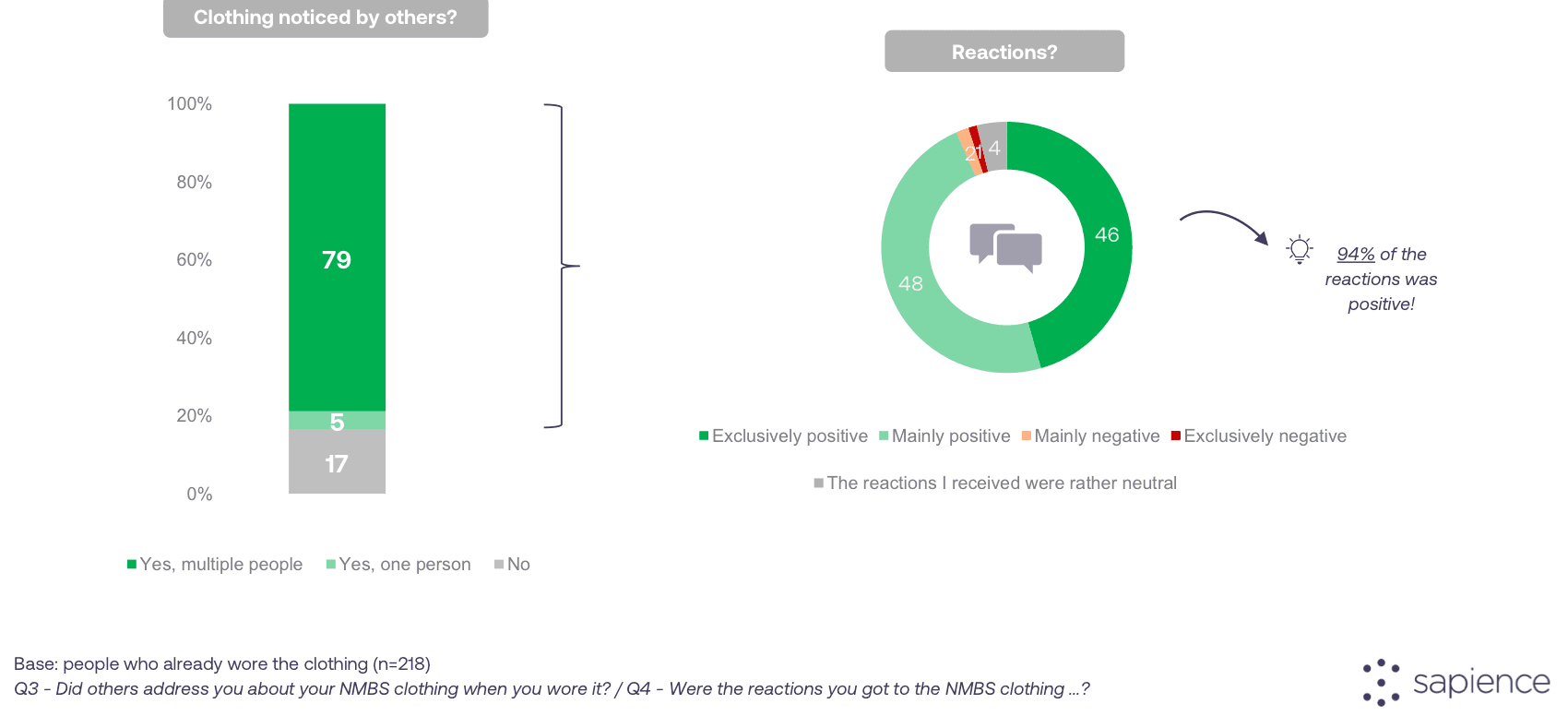
- People talk about it, unprompted. 84% of wearers reported being addressed about the item by other people. 46% of those conversations were exclusively positive and a further 48% mainly positive, so 94% were positive overall. No email achieves a conversation rate remotely like that.
- Visibility is the variable. Recipients whose items carried visible branding reported higher engagement (8.6 versus 8.1) and higher satisfaction (8.4 versus 7.7) than those whose items carried a discreet logo. The effect sits between visible and hidden, not between branded and unbranded.
The honest framing: this is a slow, low-bandwidth channel. It cannot deliver a policy change or a reorganisation. What it does is carry identity to people a screen does not reach, and generate voluntary conversations at a rate no other internal channel matches. Treat it as the identity layer of the strategy, not the announcement layer.
The practical consequence is a governance one. If merchandise is a communications channel, it should be briefed by the people who own the message, with a moment, an audience and an intended meaning, rather than ordered by whoever found budget. That single change is usually worth more than the item selection.
The study is correlational rather than causal and covers one organisation in one country. Method, sample and limitations are in the full study on company swag and employee engagement.
A worked example: 500 people, three sites, a third deskless
Three messages for the year: where we are going, how we are doing against it, and what we expect from each other. Everything else is news, not message.
| Moment | Channel | Owner | Cadence |
|---|---|---|---|
| Direction and results | All-hands, recorded, plus a written summary | CEO | Quarterly |
| Progress against the plan | Email with a fixed structure | Comms lead | Monthly |
| What it means for my team | Manager cascade with a supplied one-pager | Line managers | Within 5 days of the all-hands |
| Reference and policy | Intranet | HR | Always on |
| Day-to-day | Chat, named channels, no announcements | Everyone | Continuous |
| Identity | Onboarding kit, one annual moment, milestone recognition | Comms lead, not procurement | 3 moments a year |
| Listening | Engagement survey, same wording each cycle | HR | Quarterly pulse, annual full |
The deskless third is served by the all-hands recording, the manager cascade and the physical moments. Notice that two of those three are not email, which is the point.
An internal communications strategy template
Six sections. Keep it to two pages, because a strategy nobody rereads is a strategy nobody follows.
- 1. Objectives. Two or three, phrased as outcomes rather than activities. "Every employee can state the three priorities" beats "increase newsletter engagement".
- 2. Audiences. List them with what makes each one different: location, shift pattern, screen access, language.
- 3. Core messages. Three to five for the year, with the one-sentence version of each. If you cannot write the sentence, the message is not ready.
- 4. Channel matrix. The table above, filled in with your channels and a named owner per row.
- 5. Calendar. Twelve months, fixed dates, owners. Recurring beats reactive.
- 6. Measurement. Two or three metrics, defined before you start, with the baseline written down.
How to measure internal communications
Open rates measure delivery. Attendance measures availability. Neither tells you whether anything was understood, which is the actual objective.
- Recall. Ask a sample to name the company's priorities without prompting. This is uncomfortable the first time and it is the most honest number you will get.
- Manager confidence. Ask managers whether they felt equipped to explain the last major message. Low scores here explain most cascade failures.
- Engagement sub-factors. Run the standard blocks rather than a single blended score. Our employee engagement survey questions post lists the wording used in the study, and the reason you must never change it once set: change the wording and last year's benchmark is gone.
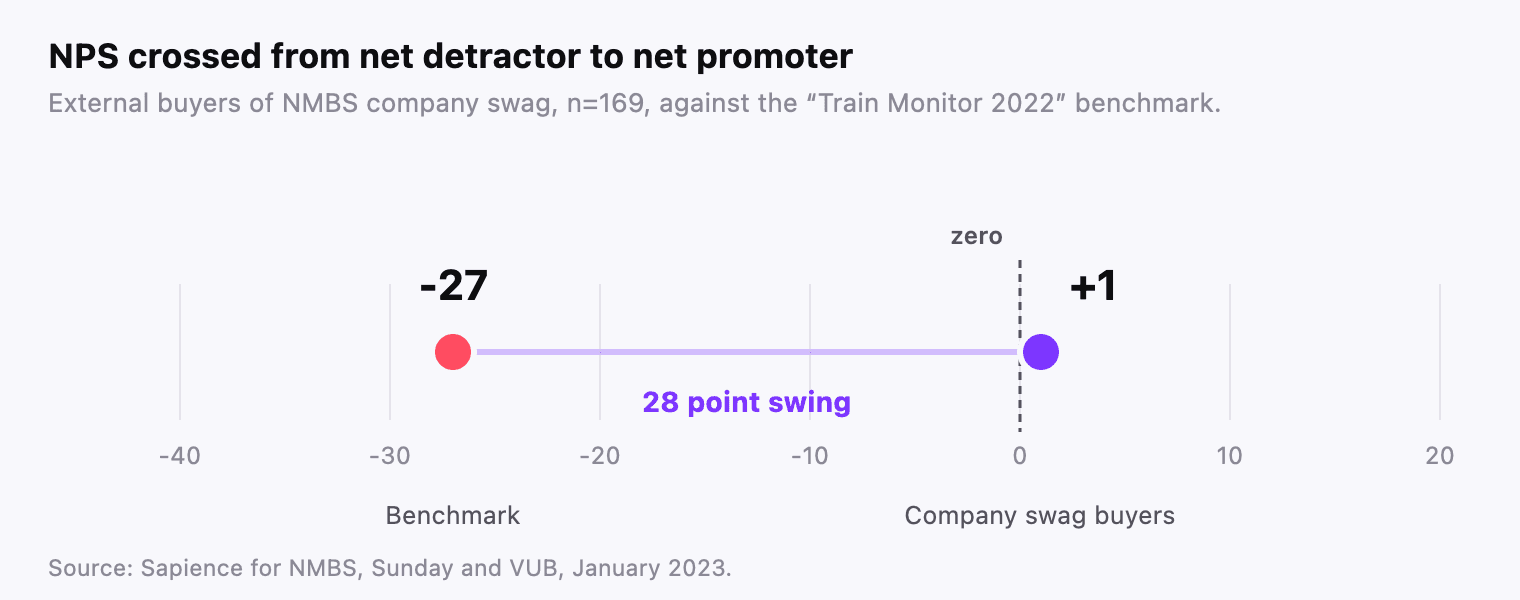
- Ambassadorship specifically. Whether people would recommend the company is the sub-factor most sensitive to whether internal communication is working. It is also the one with the largest measured movement in the study.
For the broader programme view, see how to improve employee engagement, and employee advocacy programmes if you are trying to turn internal alignment into external voice.
Five ways internal comms strategies fail
- No named owner per channel. Shared ownership means nobody notices when a cadence slips.
- Announcing on the intranet. Nobody visits unprompted. The intranet is where things live, not where they are launched.
- Designing for the head office. Deskless and frontline staff need a route that does not assume a laptop and an inbox.
- Too many messages. Five priorities is not a strategy, it is a list. Three is usually the honest number.
- Measuring delivery instead of understanding. An email everybody opened and nobody can paraphrase is a failure with good statistics.
Internal communications strategy: questions answered
What is an internal communications strategy?
It is a documented plan setting out what an organisation communicates internally, to which audiences, through which channels, at what cadence, and how it measures whether the message was understood. Without all five parts, particularly measurement, it is a channel list rather than a strategy.
What should an internal communications plan include?
Six sections: objectives phrased as outcomes, audiences with what makes each different, three to five core messages, a channel matrix with a named owner per channel, a twelve-month calendar with fixed dates, and two or three metrics defined before you start with the baseline written down.
How do you measure internal communications?
Measure understanding rather than delivery. Ask a sample to state the company's priorities unprompted, ask managers whether they felt equipped to explain the last major message, and track engagement sub-factors, especially ambassadorship, using the same survey wording every cycle.
Which internal communication channels work best?
It depends on the message type. All-hands for direction and tone, email for anything that must be referenceable, chat for speed, the intranet for reference rather than announcements, and the manager cascade for translating a message into what it means for a specific team. Assign each message type one primary channel and at most one secondary.
Should branded merchandise sit with internal communications?
There is a good case for it. Merchandise carries identity to people a screen does not reach, and it generates voluntary conversation at a rate no other internal channel matches: in one study, 84% of wearers were addressed about their item and 94% of those conversations were positive. It cannot deliver detail or urgency, so it belongs in the identity layer of a strategy, briefed by whoever owns the message rather than ordered by procurement.
How often should you communicate internally?
Set a cadence and keep it: quarterly all-hands, monthly written progress, weekly manager one-to-ones, continuous chat, and one to three physical moments a year. Predictability matters more than volume, because an unpredictable rhythm makes people stop looking.
Keep reading
- The scientific study behind the conversation and visibility numbers
- How to improve employee engagement
- Employee recognition ideas, for the recognition layer of the calendar
- New-hire welcome kit ideas and company swag ideas ranked by wear rate, for the physical moments
- Gifts for remote employees, if part of your audience never visits an office
- Company swag and branded merchandise in the glossary