
Definition
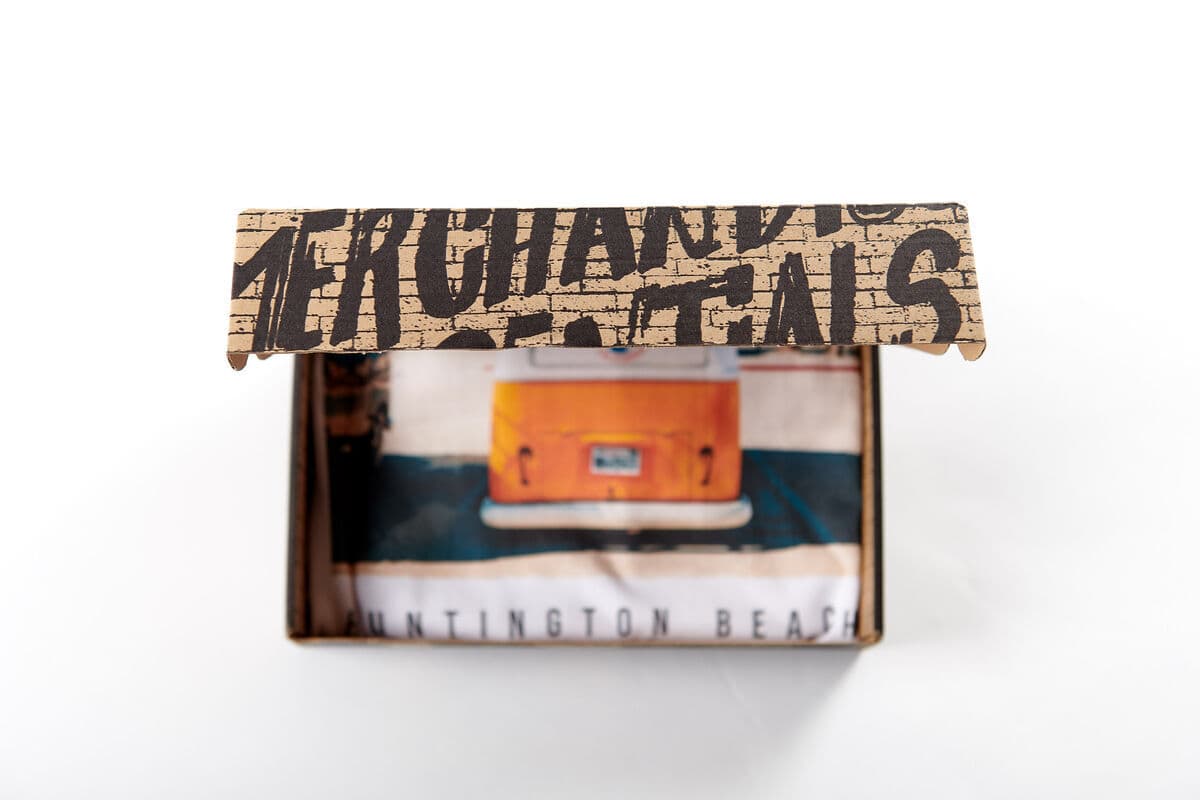
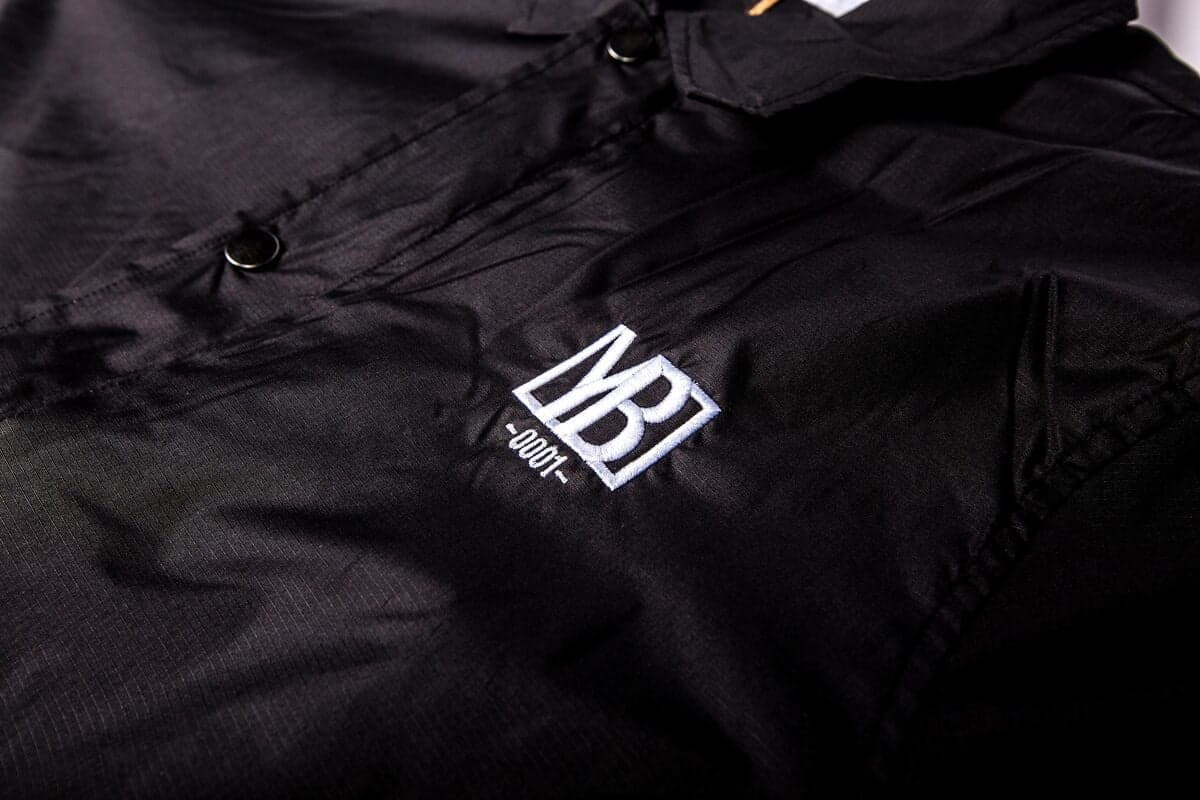
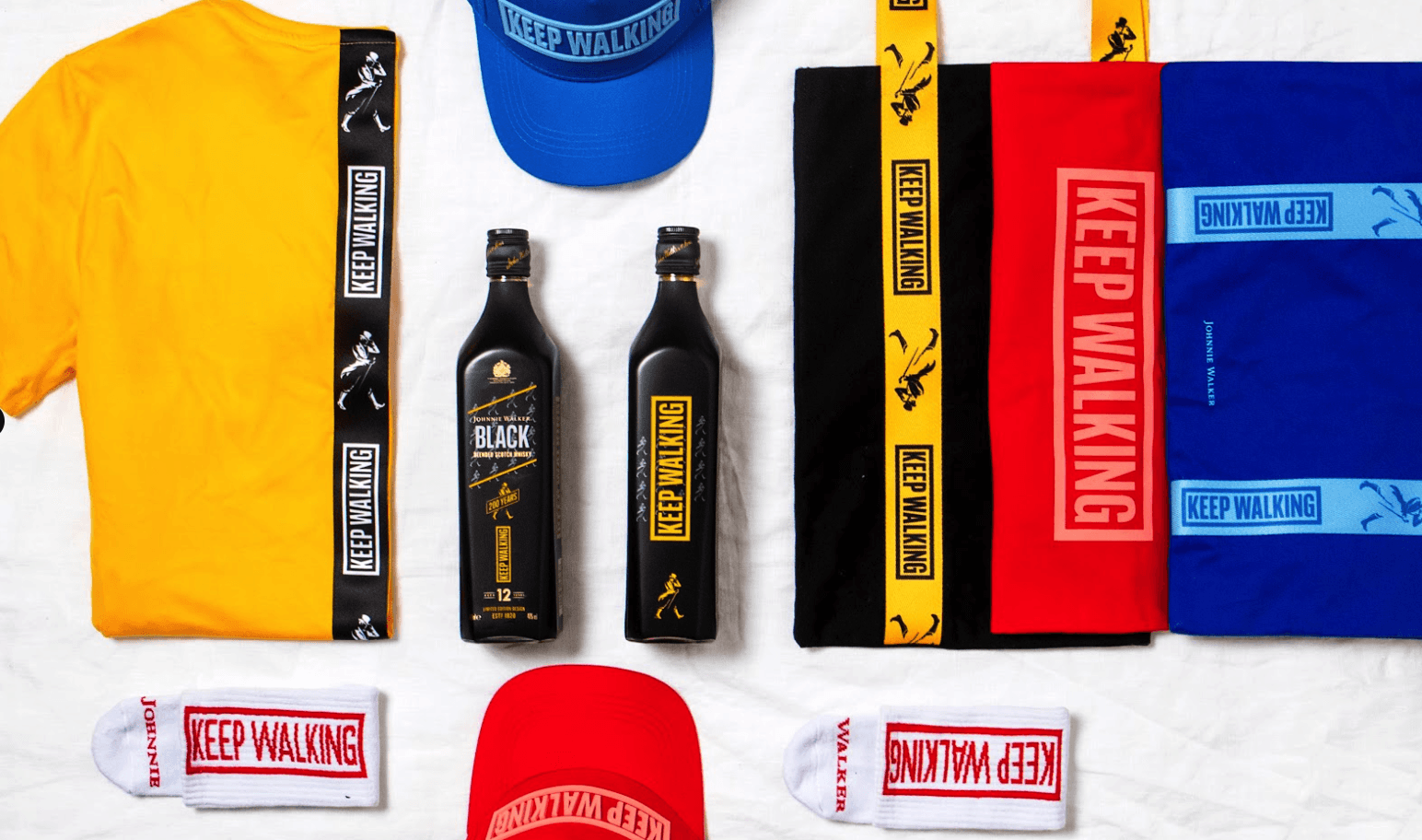
Company swag is the branded merchandise a company produces for the people around it: employees, customers, candidates, partners. It is the hoodie a new hire opens on day one and the bottle that stays on a customer's desk for three years. Good company swag gets worn in public. Bad company swag becomes a drawer.
Definition
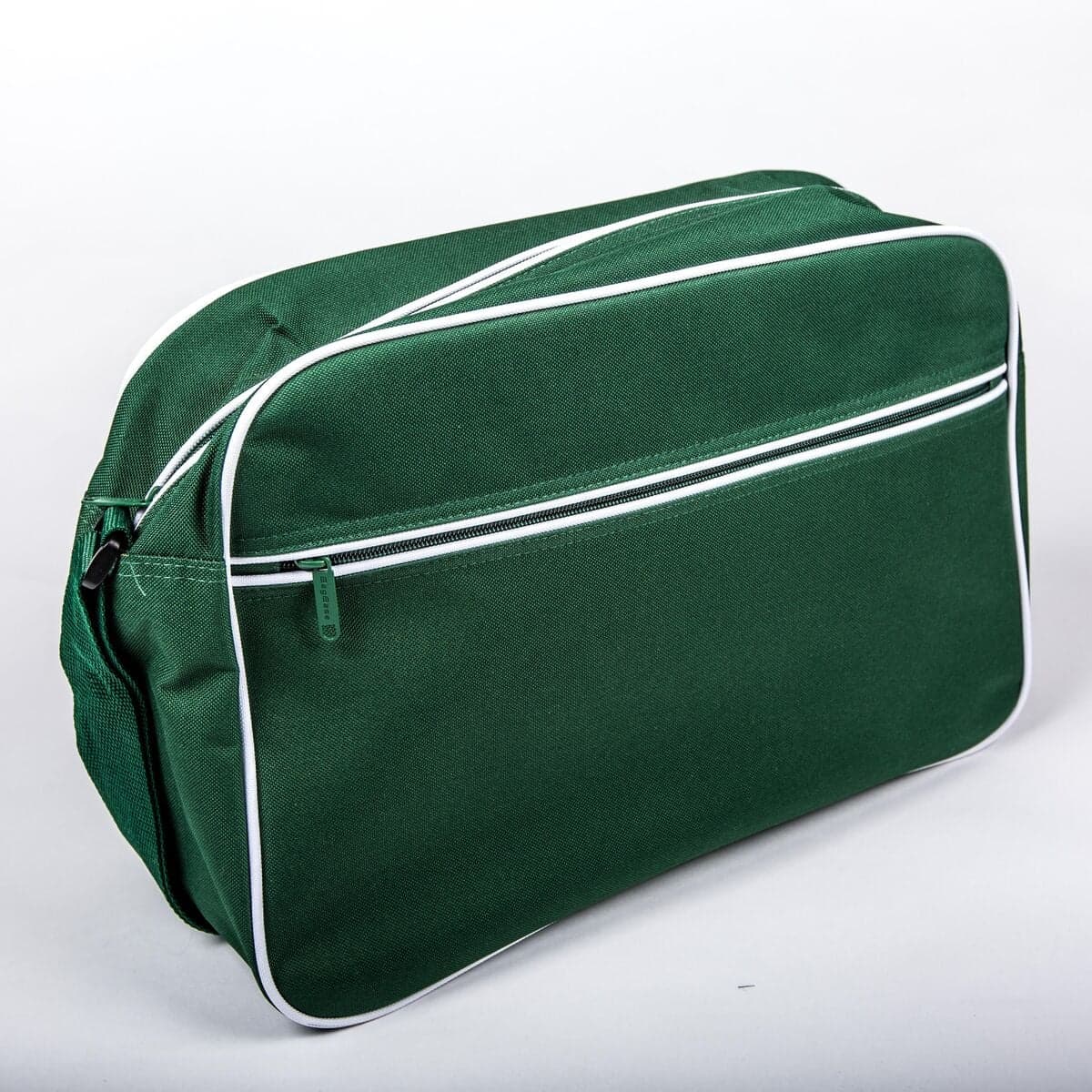
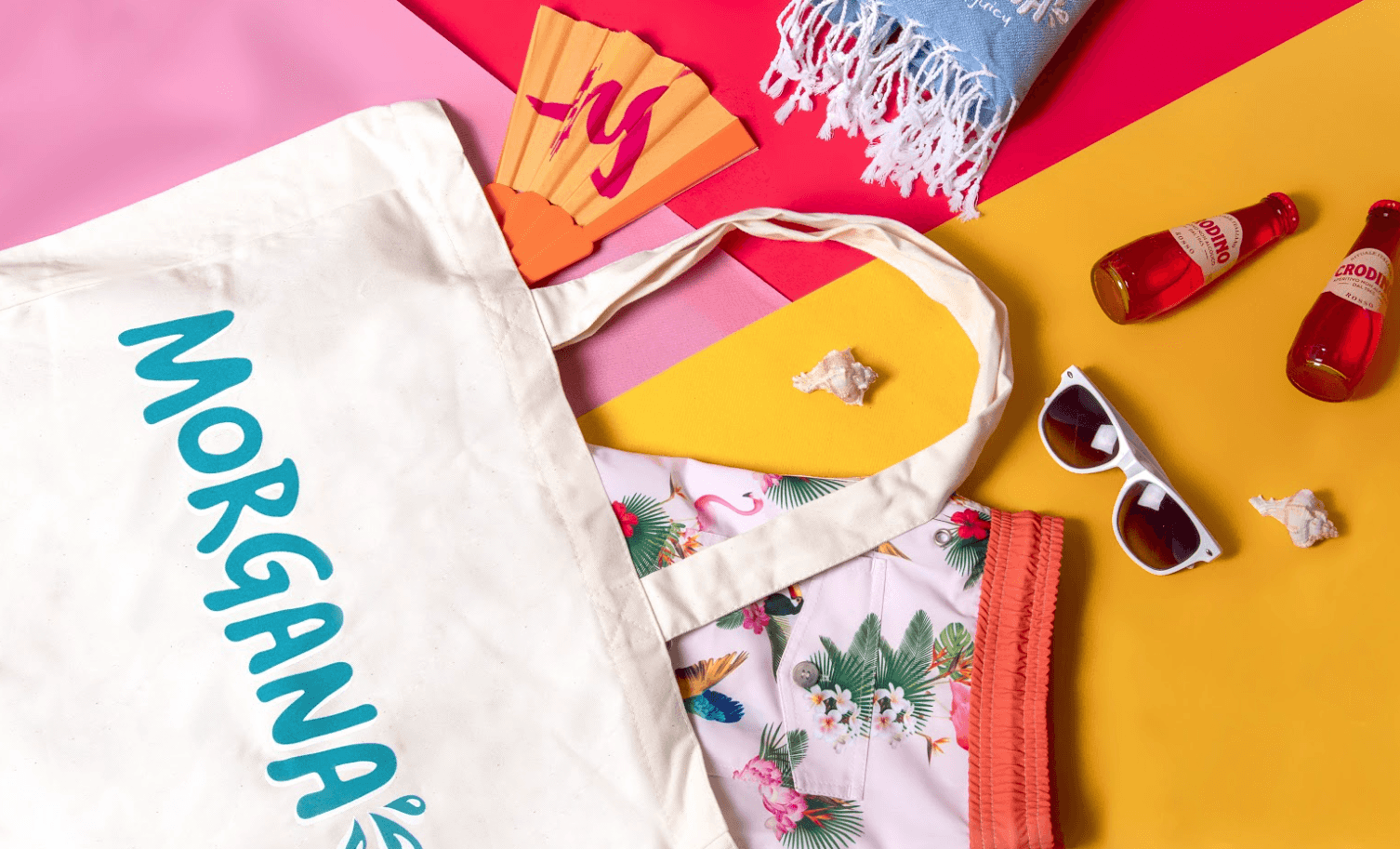
Swag is short for merchandise handed out for free. Company swag covers everything a business puts its logo on and gives away: apparel, drinkware, bags, tech accessories, notebooks, stickers. The defining feature is that nobody pays for it, so nobody has to want it. That single fact explains most of the bad swag in the world. Retail merch survives because people choose to buy it. Company swag survives only if the recipient chooses to keep it.
A concrete example. A 200-person software company runs three swag lines. An onboarding kit with a heavyweight hoodie, a steel bottle, and a printed welcome card, sized from the offer letter. A short run of caps and tees for the summer offsite. A set of gifts the sales team sends to accounts after a renewal. One catalogue, one brand file, three moments.
Why company swag matters
Every item is a small bet that someone will use it where other people can see it. A hoodie worn on a commuter train puts a logo in front of dozens of strangers a day for two years, at a cost per impression no paid channel gets close to. A pen in a bin is money that left the building on a purchase order and never came back. The difference between the two is almost never the logo. It is the product.
There is an internal argument as well. Swag is one of the few things a company gives to everyone, regardless of level, function, or region. The analyst in Lisbon gets the same hoodie as the VP in New York. That does quiet work on belonging, and it only works if the item is good enough that the person would have bought it themselves. Thin cotton and a plastic pen send the opposite message, and people read it correctly.
The trade-offs sit in volume, storage, and time. Branding carries a setup cost, so unit prices fall steeply as quantities rise, which pushes teams to over-order. The surplus then waits in a cupboard until the brand refreshes and it turns into waste. Ordering against real demand costs more per unit and less in total. Lead times run roughly four to six weeks for decorated apparel and longer for custom tooling, so the calendar usually decides more than the budget does.
Company swag in branded merch
- Onboarding and employee kits: The most repeatable use case. Sizes come from the hiring process, the kit ships to a home address before day one, and every new hire gets the same welcome. This overlaps with employee gifts, but it runs monthly rather than seasonally, so it needs stock, not a one-off order.
- Customer, partner, and sales gifting: Items sent to accounts at renewal, after a launch, or to restart a relationship email cannot fix. Volumes are lower, spend per head is higher, and personalisation earns its cost here in a way it rarely does at scale.
- Events and recruiting: Booth giveaways, career-fair tees, and swag bags built for one audience on one day. The item competes with every other table in the hall, so being distinctive beats printing the logo bigger.
Company swag is branded merchandise a company produces for its employees, customers, and partners, given rather than sold.
5 tips to elevate your Company swag strategy
| Tip | Steps |
|---|---|
| Spec for the wardrobe | Ask whether someone would wear or use it without the logo. If not, change the product, not the print. |
| Size from data you already hold | Collect sizes at offer or registration stage instead of guessing a bell curve. |
| Order to demand, not to price breaks | The cheapest unit price is usually the most expensive cupboard. |
| Lock one brand file | Fix logo versions, Pantone codes, and placement rules once so every run matches the last. |
| Track the keep rate | Ask people six months later whether they still use it. That number beats any impression estimate. |
Key Terminologies
Frequently Asked Questions
What is company swag?
Company swag is branded merchandise a company produces and gives away to employees, customers, candidates, and partners. It covers apparel, drinkware, bags, tech accessories, and stationery, and it is given rather than sold.
What is the difference between company swag and merch?
Merch is the broader word for any branded product a company makes, including items it sells. Company swag is the part that is given away for free, which means the recipient never chose it and can drop it at no cost.
How much should a company spend on swag per person?
Onboarding kits usually land between 40 and 120 euros a head, while event giveaways sit far lower and executive gifts run higher. The useful rule is to spend on fewer, better items rather than spreading the same budget across more products.
What company swag do people actually keep?
Items that survive without the logo: heavyweight hoodies, good socks, insulated bottles, sturdy totes, and quality notebooks. Anything thin, plastic, or single-use tends to disappear within a month.
How far in advance should company swag be ordered?
Allow four to six weeks for standard decorated apparel and eight to twelve weeks for custom products or overseas production. For recurring programmes such as onboarding, hold pre-branded stock so individual orders ship in days.