


Definition
Swag bags are branded bags filled with a curated set of items and handed to someone at a specific moment: a conference booth, a company offsite, a new hire's first day. The bag itself carries the logo, and so does most of what sits inside. A swag bag gets judged on one thing, whether the recipient carries it home or leaves it under the chair.
Definition
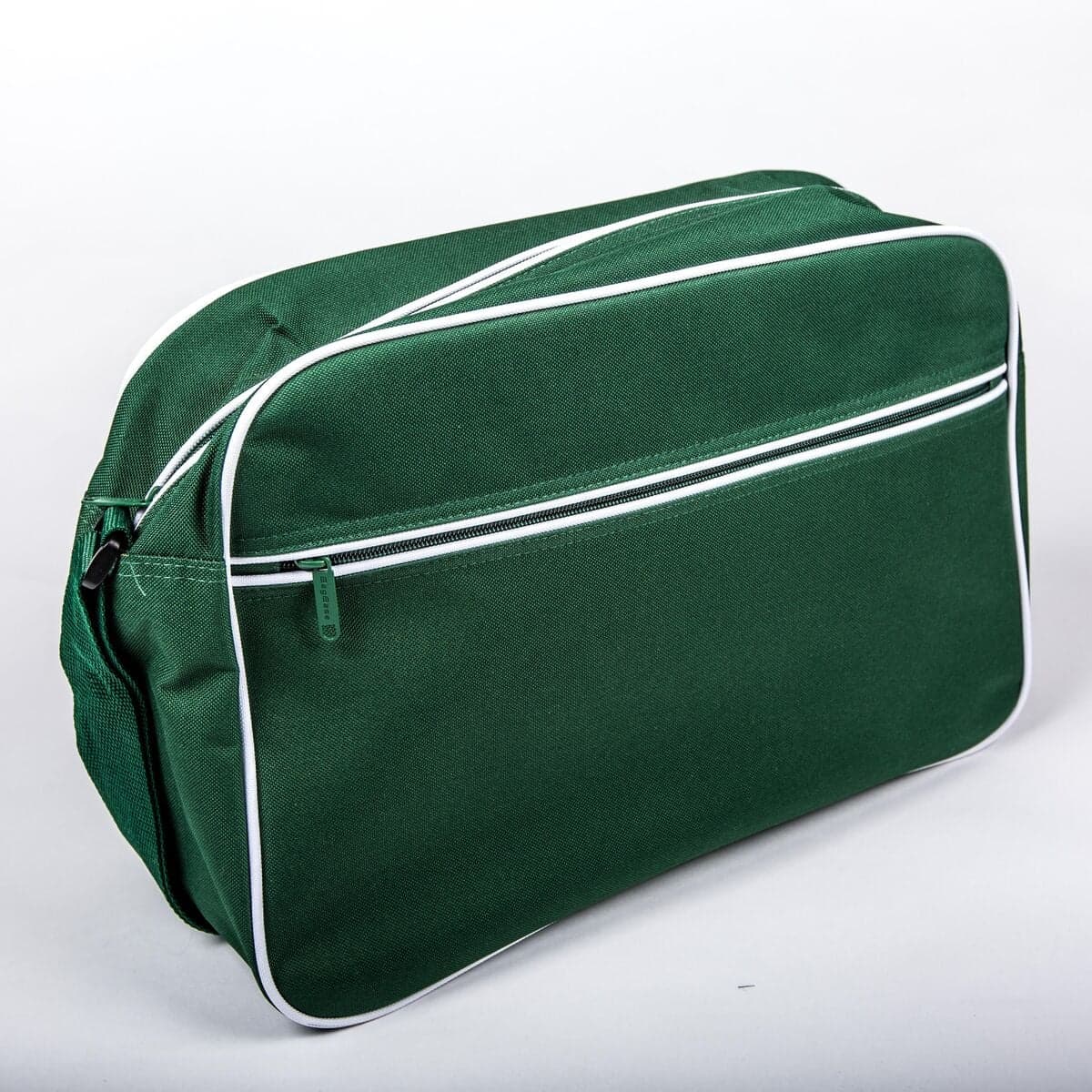
A swag bag is a container plus a curation. The container is normally a tote, a drawstring bag, or a rigid box printed with the host's logo. The curation is the set of items inside, which can mix practical goods, apparel, food, partner samples, and a card. Unlike a single gift, a swag bag is designed as a group of things that work together and suit the occasion.
A practical example: a software company sponsors a developer conference and packs 400 swag bags for its booth. Each one is a heavyweight cotton tote with a small logo, and inside sits a pair of merino socks, a sticker sheet, a USB-C cable, and a card with a QR code to a demo. The tote is the item people keep, the socks are the item they mention to a colleague, and the card is the only thing doing any selling.
Why swag bags matter
Swag bags matter because they compress many brand impressions into one handoff. The recipient walks away with an item they use daily, a bag they carry through an airport, and a clear memory of who gave it to them. That is far more mileage than a flyer or a branded pen returns, which is why event teams keep a line in the budget for swag.
They also fail loudly. A bag stuffed with cheap plastic, spare lanyards, and five partner leaflets gets tipped into the nearest bin, and the logo on the outside takes the blame. The usual failure mode is over-filling. Teams try to justify the spend by adding volume, and volume is exactly what makes a bag feel disposable. Three good items beat ten forgettable ones, and they often cost the same.
The trade-off is planning and logistics. Bags have to be picked, packed, and moved to a venue or to home addresses, usually inside a tight window, and leftovers turn into storage you keep paying for. Apparel sizing, customs on international shipments, and last-minute headcount changes all bite. That is why many teams build bags from a stocked, branded assortment and pack on demand rather than buying a one-off batch for every event.
Swag bags in branded merch
- Event and conference bags: Handed out at booths, registration desks, or seats, these pair a tote or drawstring bag with a few useful items that keep the brand in play long after the venue empties.
- Onboarding bags for new hires: A bag waiting on the desk or the doormat on day one turns paperwork into a welcome, and it often doubles as the onboarding kit with apparel, desk goods, and a note from the team.
- Customer and partner bags: Sent at a launch, a renewal, or a user group, these use restrained branding and better quality so the bag reads as corporate gifting rather than a giveaway.
A swag bag is a branded bag holding a curated set of gifts and promotional items, given to attendees, employees, or customers at a defined moment.
5 tips to elevate your Swag bags strategy
| Tip | Steps |
|---|---|
| Make the bag worth keeping | Spend on the tote itself, since it is the piece that travels and gets seen. |
| Cut the item count | Three items people use beat ten that get binned, at roughly the same cost. |
| Pack for the trip home | Skip bulky or fragile things attendees cannot fit into hand luggage. |
| Pick one item to lead | Let a single standout piece carry the bag and treat the rest as support. |
| Plan the leftovers | Order to a realistic headcount and store the surplus for the next event. |
Key Terminologies
Frequently Asked Questions
What goes in a swag bag?
A good swag bag holds a small number of useful items, such as quality apparel, a bottle or flask, a tech accessory, and one treat. Add a short card that says who the gift is from, and leave the leaflets out.
How much does a swag bag cost?
Cost depends on the bag and what goes inside it. Event bags usually sit at a modest per-bag budget, while client and new-hire bags cost more because the quality has to hold up. Set the per-bag budget first, then pick fewer, better items to fit it.
What is the difference between a swag bag and a goodie bag?
They usually mean the same thing. Swag bag is the common term at corporate and tech events, while goodie bag turns up more often at parties, weddings, and consumer events.
Are swag bags worth it?
Yes, when they are curated and honest about quantity, because a bag people keep delivers repeated brand exposure for months. They stop being worth it when they are padded with cheap items that go straight into the bin.
How many swag bags should you order?
Order to expected attendance rather than registrations, since no-show rates run high at free events. Decide what happens to the surplus before you print anything, so leftovers become stock for the next event instead of waste.