

Search for employee engagement ideas and you get a list of activities: quizzes, lunches, offsites, wellness weeks. They are sorted by novelty, which is the wrong axis.
The useful axis is duration. An escape room produces engagement on the day of the escape room. Something else produces engagement every week for two years without anyone doing anything. Both belong in a plan, but you should know which is which before you budget.
So this list is sorted by how long the effect lasts.
Tier 1: one-off events
Effect measured in days. Genuinely useful, frequently overused.
- Team offsites with actual decisions attached, not just activities
- Learning days where people teach each other something
- Hack days that ship something, however small
- Volunteering days, which outperform most social events on meaning
- Celebration of a real milestone, when there is one
The problem with tier 1 is not that these fail. It is that a programme built entirely from events needs constant re-spending just to hold a level, and the calendar fills with things nobody remembers by March.
Tier 2: recurring rituals
Effect lasts as long as the ritual does. These cost attention rather than money, and the failure mode is that they die when the person who started them leaves.
- A weekly written update that says what actually happened, including what went wrong
- Demo sessions where people show work rather than describe it
- Specific public recognition, named behaviour, not "great quarter". Covered in more depth in our recognition ideas
- Skip-level conversations on a fixed cadence, so they are not an event
- Closing the loop on the last survey, publicly, including the parts you are not fixing
Make these structural rather than personal. A ritual that depends on one enthusiastic manager is a tier 1 event with extra steps.
Tier 3: standing changes
Effect continues with no ongoing organisation. This is where the leverage is, and where most engagement plans have nothing.
- Give managers fewer direct reports. Structural, measurable, and usually the largest single driver nobody adjusts.
- Fix the loudest complaint in your exit interviews. Unglamorous, permanent.
- Make internal moves easy. Keeps people who would otherwise leave, and costs nothing but policy.
- Make onboarding deliberate. A structured first week sets a tone that lasts years. Detail in the welcome kit guide.
- Give people something they use. The one with data attached, below.
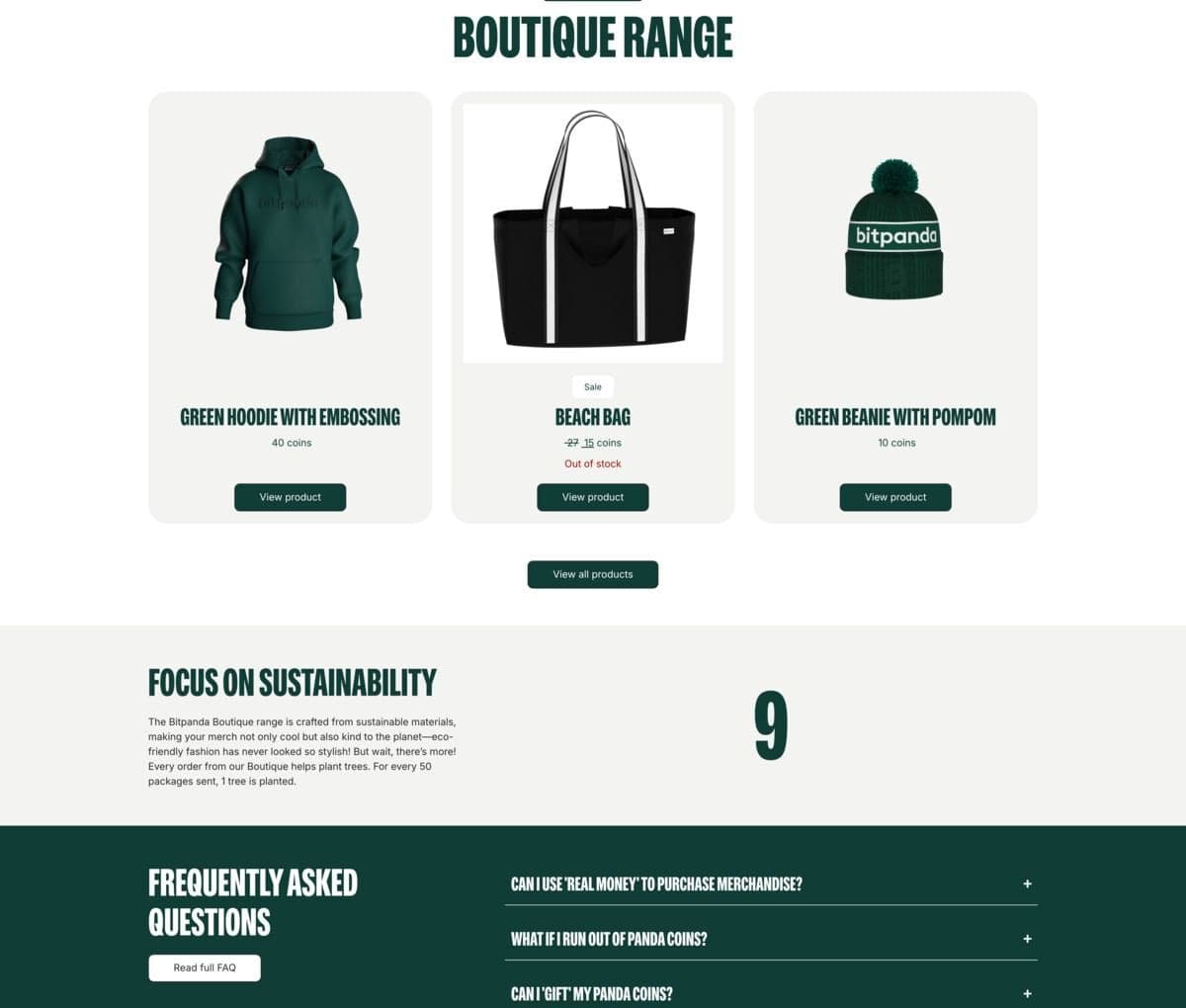
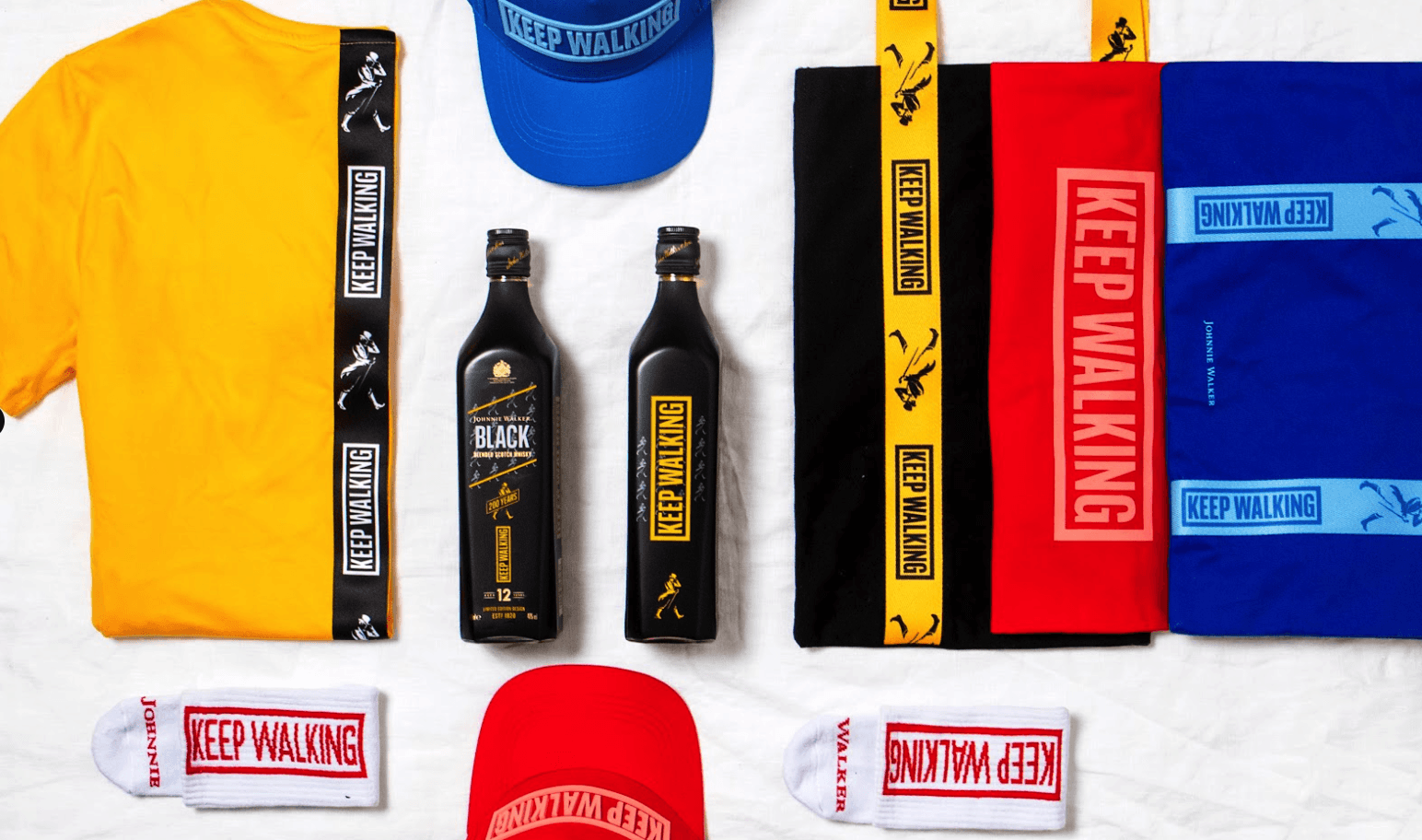
- Let people choose what they get. A swag store where people select their own item rather than receiving a default.
Why idea 15 sits in tier 3
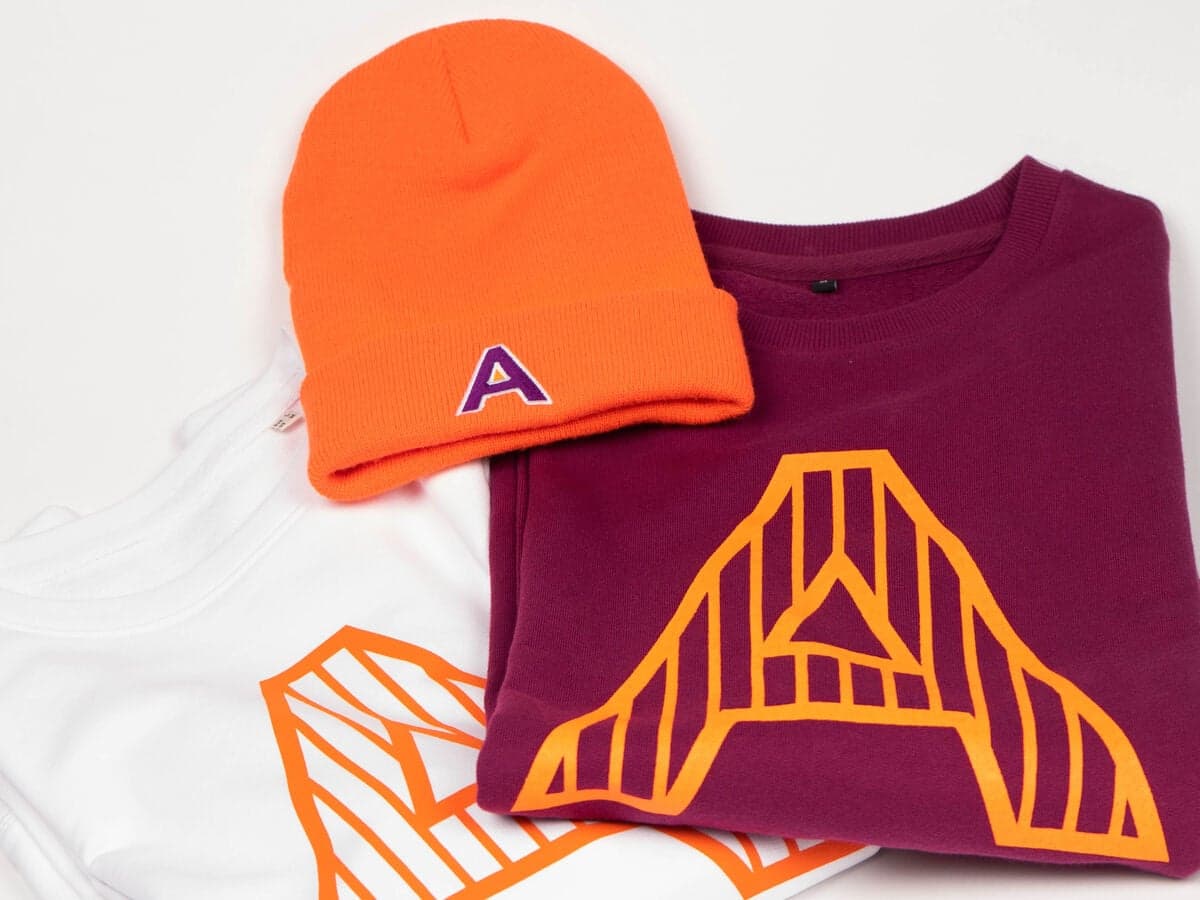
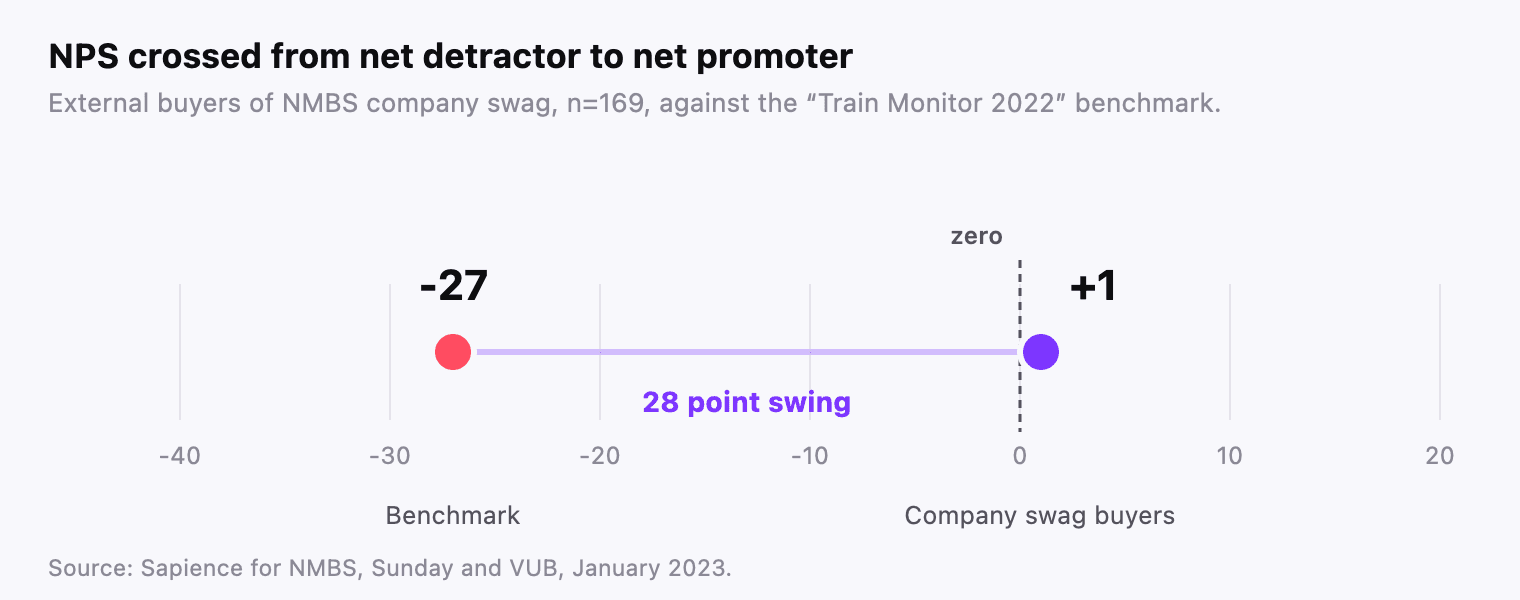
In a 2023 study run by Sapience with the Vrije Universiteit Brussel, 258 people were surveyed about branded company clothing. The engagement result was real: 8.3 against a 7.0 company benchmark, a 19% increase.
But the reason it belongs in tier 3 rather than tier 1 is the mechanism, not the size.
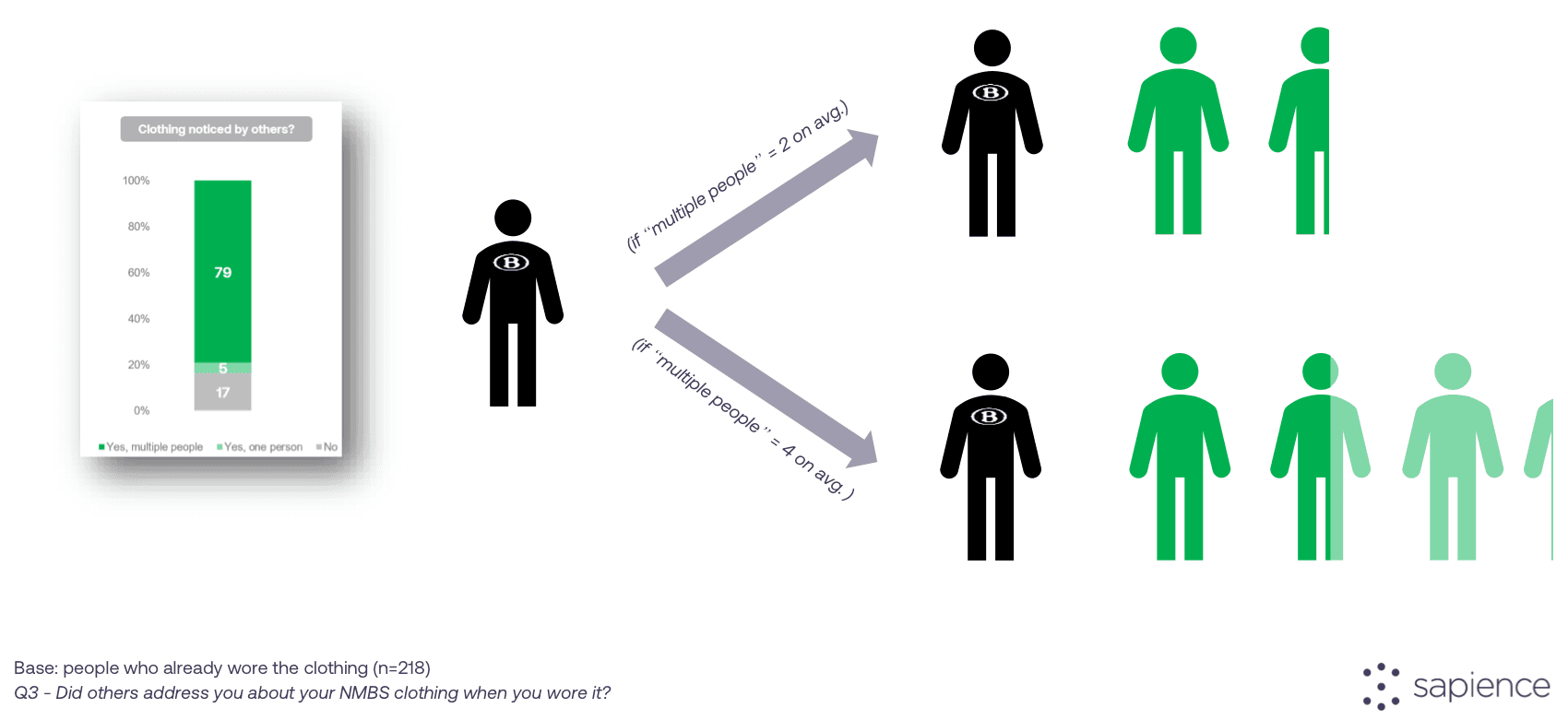
- 84% of people who wore the item were spoken to about it by someone else
- 94% of those conversations were positive
- Each wearer generated 1.6 to 3.2 conversations per wearing occasion
That repeats every time someone gets dressed. No calendar entry, no organiser, no budget line after the first one. An offsite produces one moment; a sweater someone likes produces a moment a week for two years.
Two conditions decide whether you get this or nothing:
People have to actually use it. In the same study, usage varied enormously by item. Bags were used repeatedly by 69% of recipients and sweaters by 67%, while plain socks were never used at all by 31%. An unused item sits in tier 0. Choose from items ranked by measured usage.
The logo has to be visible. Visible items scored 8.6 on engagement against 8.1 for non-visible ones.
Full methodology and limitations, including that this is correlational rather than causal, are in the study.
How to build the year
Most engagement plans are a calendar of tier 1 with nothing underneath. Invert it.
| Tier | How many | Why |
|---|---|---|
| Standing changes | 2 to 3 | Compound. Do these first. |
| Recurring rituals | 2 to 3 | Cheap, but they need a structural owner |
| One-off events | 2 to 4 | Genuine peaks. Do not build the plan on them. |
Two events plus three standing changes beats twelve events, costs less, and survives a budget review.
How to tell whether any of it worked
Add one question to your existing engagement survey asking whether someone was exposed to the change, then split every other result by that answer. Do not reword the items you already trend.
The method is in our survey questions guide, and the strategic version is in the 11 levers ranked by evidence.
Frequently asked questions
What are the best employee engagement ideas?
The ones whose effect outlasts the day they happen. One-off events produce one-off lifts. Standing changes, such as items people use weekly or rituals built into how the team works, keep producing effects without anyone organising them.
What are cheap employee engagement ideas?
Specific public recognition, closing the loop on your last survey, and giving managers fewer direct reports all cost nothing. The expensive-looking option, physical items, is only wasted when nobody uses what you chose.
Do team building events improve engagement?
They produce a real but short-lived lift. The problem is not that they fail, it is that programmes built entirely from events need constant re-spending to hold a level.
How do you measure employee engagement ideas?
Add one question to your existing engagement survey asking whether someone was exposed to the change, then split every other result by that answer. Never change the wording of items you intend to trend.
How many engagement initiatives should you run at once?
Fewer than most companies attempt. Two or three standing changes you sustain beat a calendar of events nobody remembers by March.
Further reading
11 engagement levers ranked by evidence · The full research study · Recognition ideas people keep · Engagement survey questions · Corporate gift ideas · Gifts for remote teams