Definition
Merch is branded physical product that a company gives or sells to put its name in people's hands and lives. Short for merchandise, it covers apparel, drinkware, bags, tech, and gifts carrying a logo or brand design. Good merch is something people choose to keep and use, not something they bin on the way out.
Definition
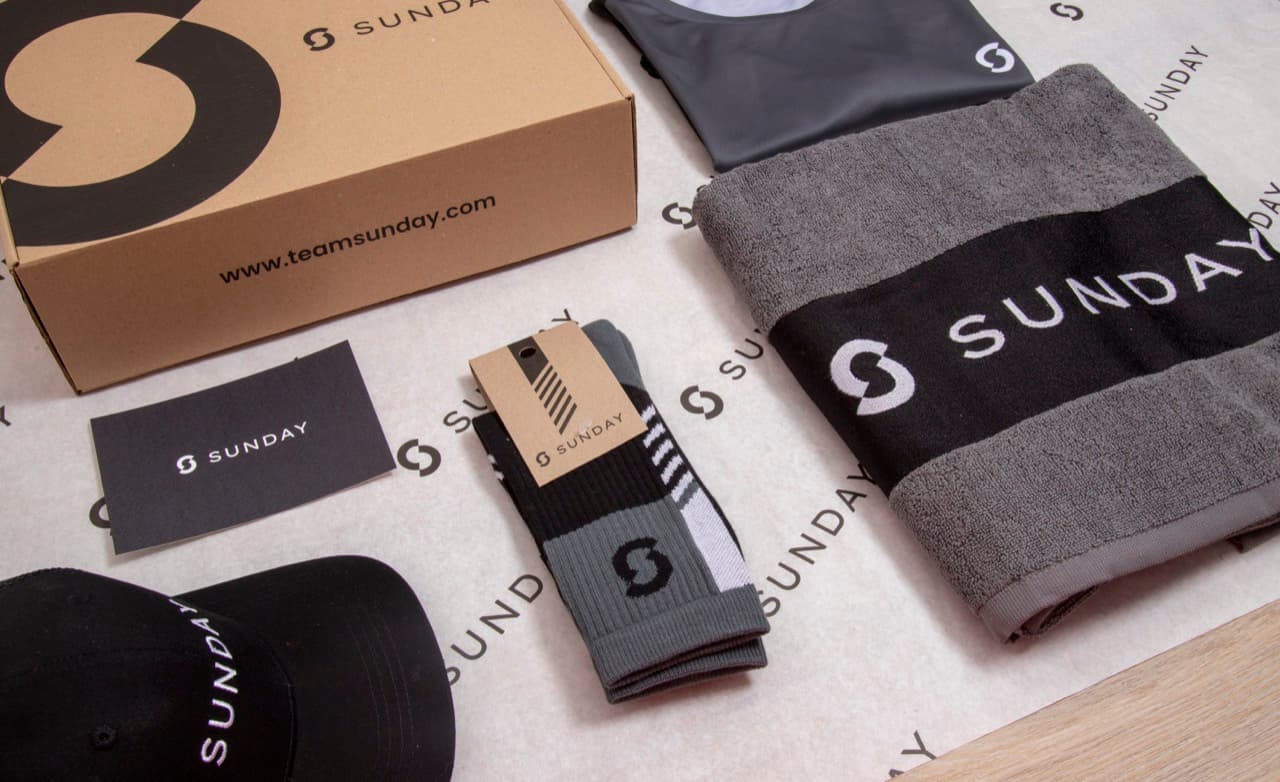
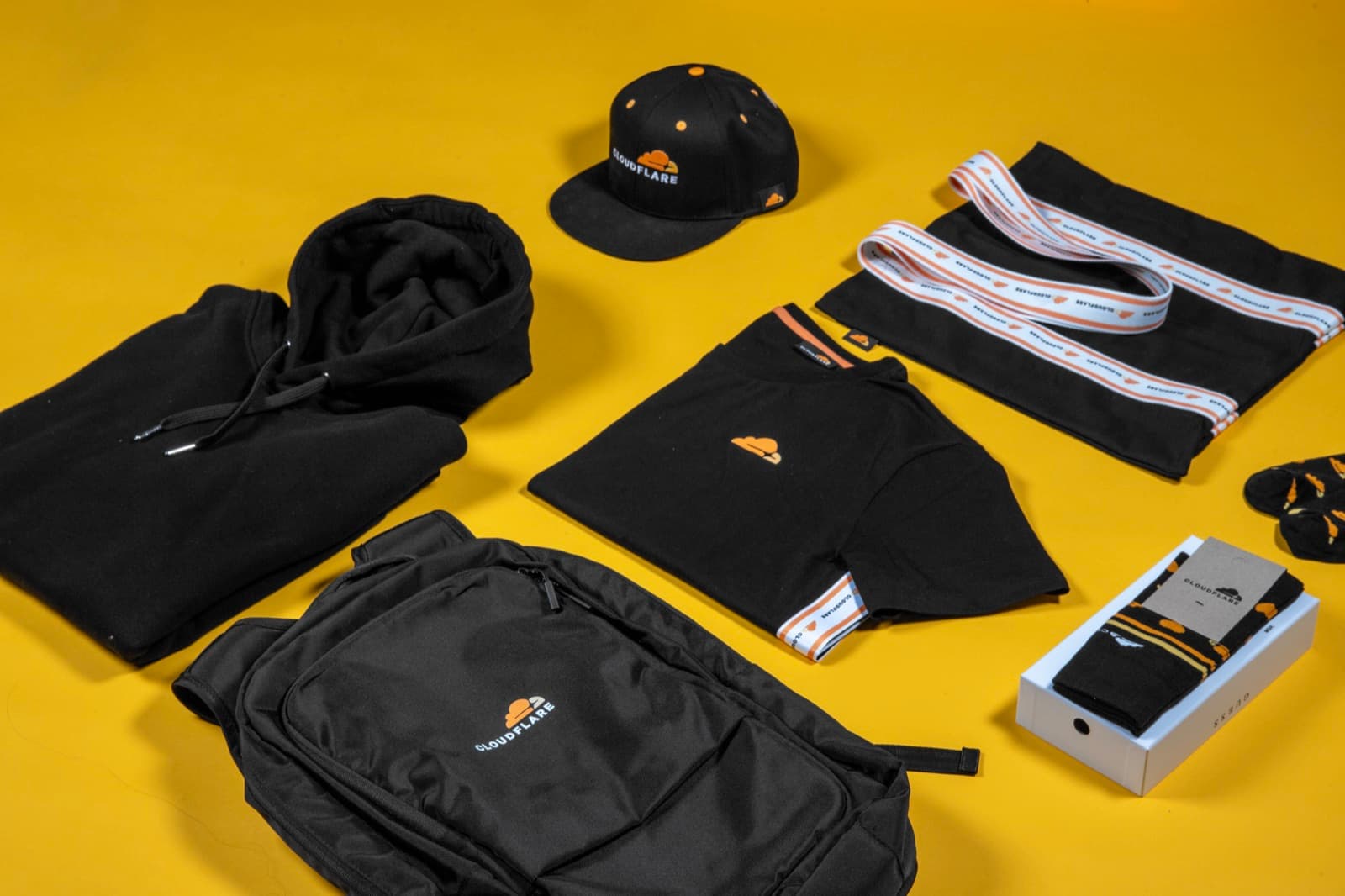
Merch is any tangible item that carries a brand and is handed to employees, customers, partners, or fans. It earns its keep through repeated, real-world exposure rather than a single impression. A practical example: a new hire opens a welcome kit with a heavyweight hoodie, an insulated bottle, and a notebook. They wear the hoodie on weekends and refill the bottle at the gym, so the brand shows up in places no ad would reach.
Why merch matters
Merch turns a logo into something people live with. A digital ad disappears in seconds, but a well-made bottle sits on a desk for years. That lifespan is the whole point. The cost per impression on a quality item that gets used daily is tiny compared with the cost per click on paid media, and the association is warmer because someone chose to keep it.
The catch is that bad merch does the opposite. A scratchy shirt or a pen that dies in a week signals that the brand cuts corners. Quality, fit, and usefulness decide whether an item gets worn or thrown out. That is why product choice, materials, and decoration method matter as much as the logo on top.
Merch also works as infrastructure when it runs at scale. A growing company needs onboarding kits, event stock, client gifts, and reorders across regions, all on brand and on budget. Treating merch as a managed program, with a shared catalog, stored designs, and live pricing, removes the scramble of one-off orders and keeps quality consistent wherever the brand shows up.
Merch in branded merch
- Employee onboarding kits. A welcome box of apparel and accessories makes day one feel considered and gives new hires items they reach for outside work.
- Event and conference giveaways. Booth swag, attendee gifts, and speaker kits keep a brand visible long after the event ends, especially when the item is genuinely useful.
- Client and partner gifting. Considered gifts at renewals, launches, or milestones strengthen relationships and keep a brand top of mind with the people who matter most.
Merch is branded physical product, from apparel to drinkware, designed to be worn, used, and kept so a brand travels with the people who receive it.
5 tips to elevate your Merch strategy
| Tip | Steps |
|---|---|
| Pick items people use | Choose products that fit daily life, like bottles and hoodies, over throwaway novelties. |
| Spend on quality | Favor fewer, better items, since a premium piece gets kept while a cheap one gets binned. |
| Match decoration to product | Pair the right method, like embroidery on knits, so the logo looks clean on every surface. |
| Plan reorders early | Set up stored designs and a core range so restocking is fast and stays on brand. |
| Watch the total cost | Compare cost per use, not just unit price, when you weigh product and quantity choices. |
Key Terminologies
Frequently Asked Questions
What does merch stand for?
Merch is short for merchandise. In a branding context it means physical products that carry a company logo or design and are given or sold to employees, customers, or fans.
Is merch the same as swag?
They overlap. Swag usually means free promotional items handed out at events, while merch is the broader term that also covers premium apparel, gifts, and products a brand sells.
What makes merch good rather than wasteful?
Usefulness and quality. Items people actually wear or use get kept and seen for years, while cheap novelties get thrown away fast and reflect poorly on the brand.
How do companies manage merch at scale?
They run it as a program with a shared product catalog, stored brand designs, set budgets, and reordering, so every team can order on brand without starting from scratch each time.
What are the most popular merch products?
Apparel like hoodies and tees, drinkware like insulated bottles and tumblers, bags, and tech accessories tend to perform best because people reach for them often.