


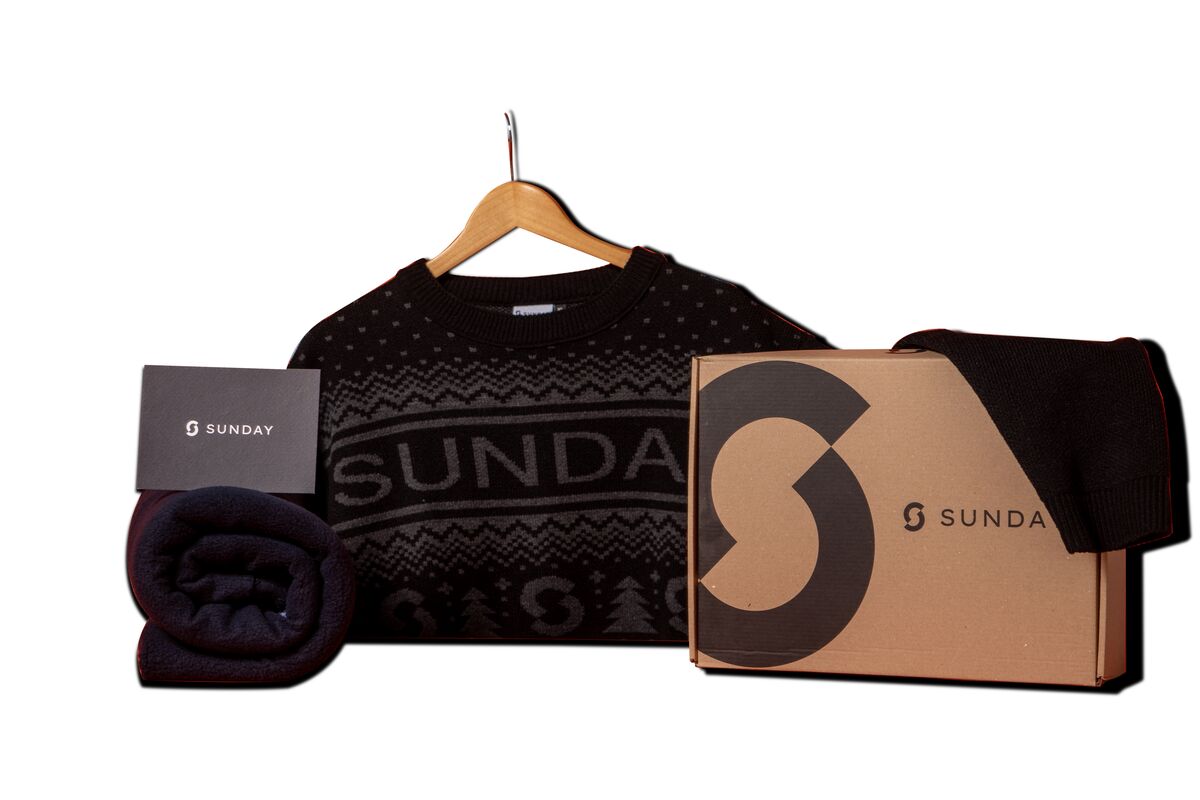
Unique corporate gifts are gifts built around a concept rather than picked from a catalogue. They avoid the predictable defaults, another notebook, pen or standard mug, and instead use a surprising product, a well-chosen category or a campaign idea the recipient did not see coming. Thinking beats budget: a surprising gift usually outperforms a pricier generic one.
The uncomfortable truth first. Most corporate gifts fail for one reason, and it is not price. They are too generic. Predictable, forgettable, and quietly a little insulting, because they signal that nobody spent any thought on them. Fixing that costs nothing except attention.
This sits inside our complete corporate gifts guide, which covers the five ingredients of a gift that lands and how to build a full gifting programme.
What's in this guide
What makes a corporate gift unique
Unique does not mean strange. It means the recipient could not have predicted it, and once they hold it, it makes sense. That combination is the whole trick. A gift feels unique when the product is genuinely useful, the branding stays subtle, the packaging has been thought about, and the whole thing ties back to a reason the recipient recognises.
Uniqueness lives in the concept, not the price tag. Two companies can spend the same amount per recipient and land completely differently. One sends a branded item pulled from a standard catalogue. The other sends something that fits the moment, the campaign or the person. Same money, different result.
Why generic corporate gifts fail
Notebooks, pens and standard mugs are not bad products. They fail as gifts because everybody already has them, and because giving one says nothing. The recipient opens the box, recognises the item instantly, and files it under "obligatory." Nothing about the exchange changes the relationship, which was the entire point.
There is a second failure mode that looks generous but is not: grabbing whatever merch is left in the cupboard, boxing it up and calling it a gift. Recipients notice immediately. A real gift feels intentional. The recipient should feel the company created something for them, not cleared warehouse shelves.

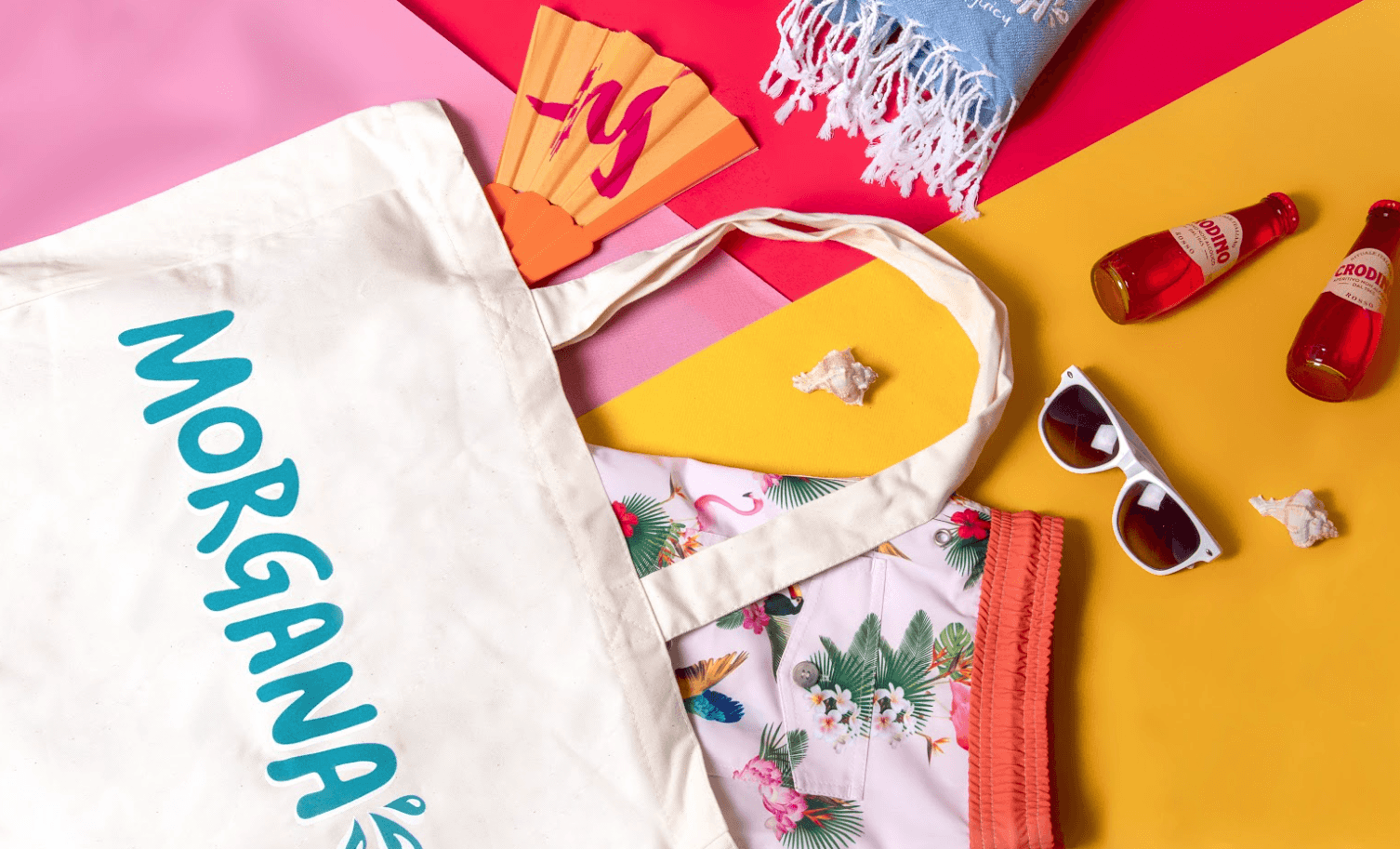
A gift that starts from a concept looks nothing like a catalogue pick. Same budget, completely different reaction.
Start with the concept, not the product
The single highest-return thing you can do is spend more time on the idea and less time browsing products. Ask what the gift is for, who is receiving it, and what you want them to feel when it arrives. Only then pick the item. Teams that do it in that order end up with gifts that land. Teams that start with a product catalogue end up with a mug.
A good concept usually comes from one of four places. The campaign you are already running. The season, done properly rather than lazily. Something specific to the recipient group. Or a genuine product surprise, an item people do not expect to see branded at all.
Surprising beats expensive
Some of the most memorable corporate gifts are the ones nobody expects a company to send. Custom hot sauce. An unusual kitchen accessory. A creative seasonal product that plays with the moment instead of just stamping a logo on it. A product built specifically around the campaign it belongs to. None of these are expensive. All of them are remembered.
The reason is simple. Surprise creates a story, and a story gets told. A recipient who shows the gift to a colleague or brings it home has done more for your brand than any logo size ever will. If you want the mechanics behind that, the corporate gifts hub covers the five ingredients that make a gift land.
| Predictable choice | Unique alternative | Why it works better |
|---|---|---|
| Standard branded notebook | A product tied to the campaign it belongs to | It makes sense in context, so it gets kept |
| Another mug | An unusual kitchen or food accessory | Nobody expects it, so it gets talked about |
| Generic branded pen | Custom hot sauce or a small-batch edible | Personality beats utility at this price point |
| Loud-logo apparel | A subtly branded premium bag | It gets used in public for years |
The two most underused corporate gifts
Two categories are consistently overlooked, and both outperform the usual defaults.
Premium backpacks. Everybody needs one, and a good one gets carried every day for years. Keep the branding subtle and a backpack becomes one of the highest-use gifts you can give, quietly generating impressions in trains, offices and airports long after the campaign is over. Explore the range in the custom backpacks page, or preview a design in your colours with the free backpack mockup generator.
Weekend bags. The emotional association does the work here. A weekend bag is tied to travel and time off, not to the office, which makes it surprisingly memorable. It also signals a level of care that a desk item cannot. For clients and partners especially, it is one of the few large gifts that never feels like swag.

Weekend bags travel with the recipient. That association with time off, not the office, is exactly why they land.
Both categories share a quality worth copying: they travel with the recipient. A gift that leaves the desk keeps working. That is also why quality matters more here than anywhere else, because a cheap bag falls apart in public and takes the impression with it.
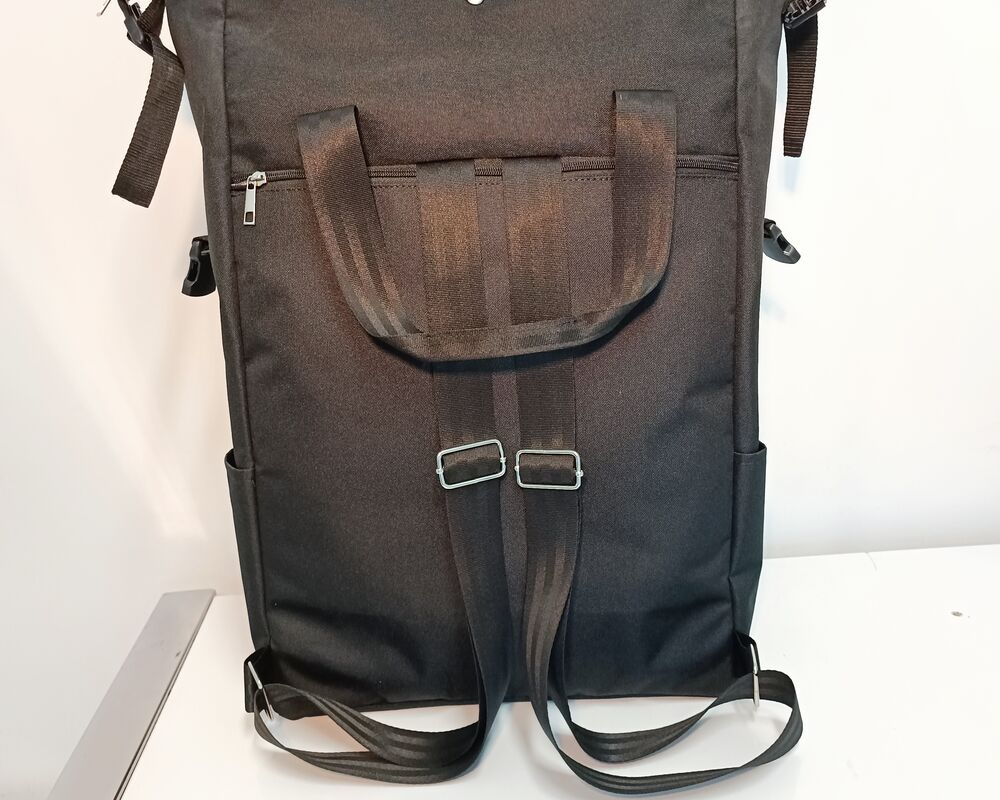
A premium backpack with restrained branding is one of the highest-use gifts you can give. Very few companies send one.
The cringe list
Some items announce low effort the moment the box opens. Stress balls. Cheap plastic tote bags. Low-quality pens. Outdated USB sticks, at a point where most laptops no longer even have a USB-A port.
None of these are banned. A genuinely clever campaign can reinvent almost anything, and there are memorable gifts built from unpromising materials. The rule is simply this: do not reach for them without a strong concept behind them. Without an idea, they are exactly what they look like.
How to build a unique corporate gift in five steps
- Write the reason first. One sentence. Why is this gift being sent, and to whom.
- Find the surprise. Pick a product the recipient would not predict but will immediately understand.
- Brand it lightly. The bigger the logo, the less likely people are to use the product. Restraint reads as confidence. Corporate gifts with logo is worth reading separately for the full argument.
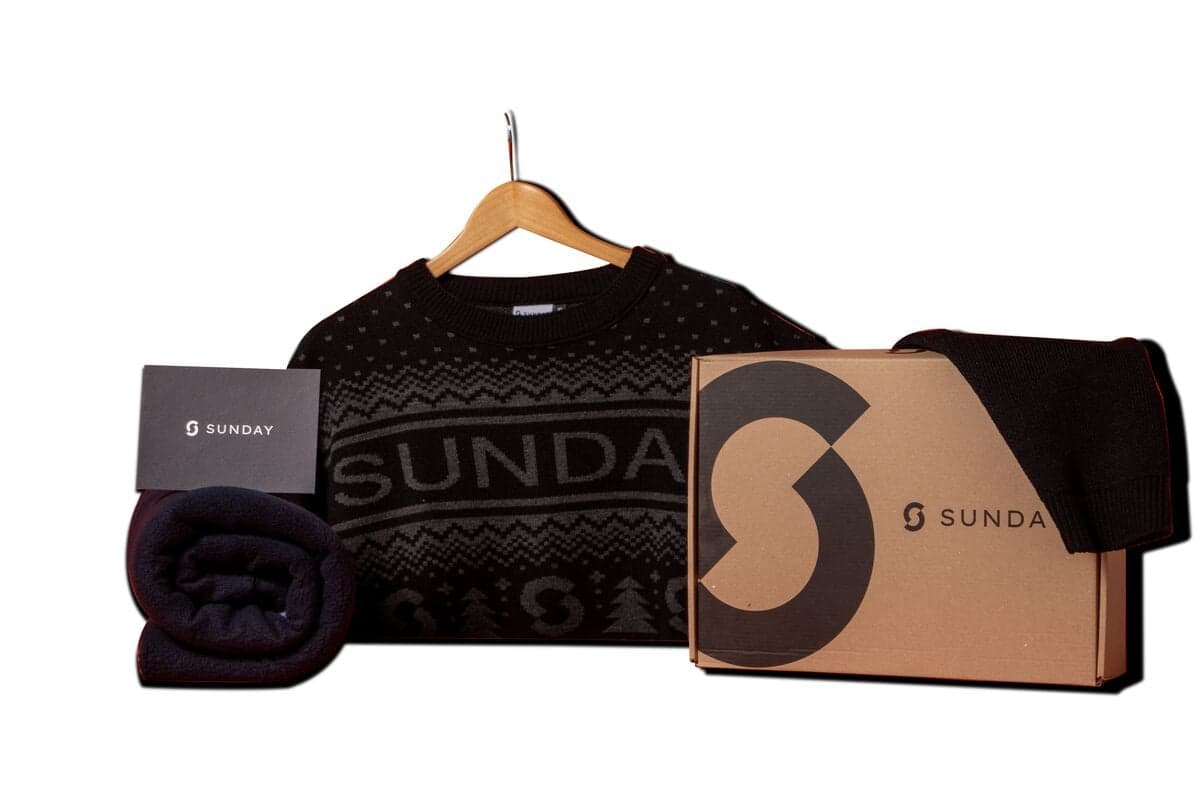
- Spend on the packaging. A premium sleeve, a proper box, a considered insert card. Presentation lifts perceived value more than a pricier product does.
- Add a human line. A personalised note is the cheapest uniqueness you can buy. More on that in personalized corporate gifts.
If budget is the constraint rather than imagination, the practical version of all of this is in the guide to corporate gifts under $50 and in bulk. Unique and affordable are not opposites. Unique and thoughtless are.
Where to go next
If you are gifting for a specific moment, go to the page for that moment rather than reinventing it here. Christmas has its own rules and its own timeline, covered in corporate Christmas gifts. Client-facing gifting is more restrained and is covered in corporate gifts for clients. Thanking customers is its own discipline in customer appreciation gifts. If what you actually need is an always-on internal range rather than a one-off gift, that is company swag.
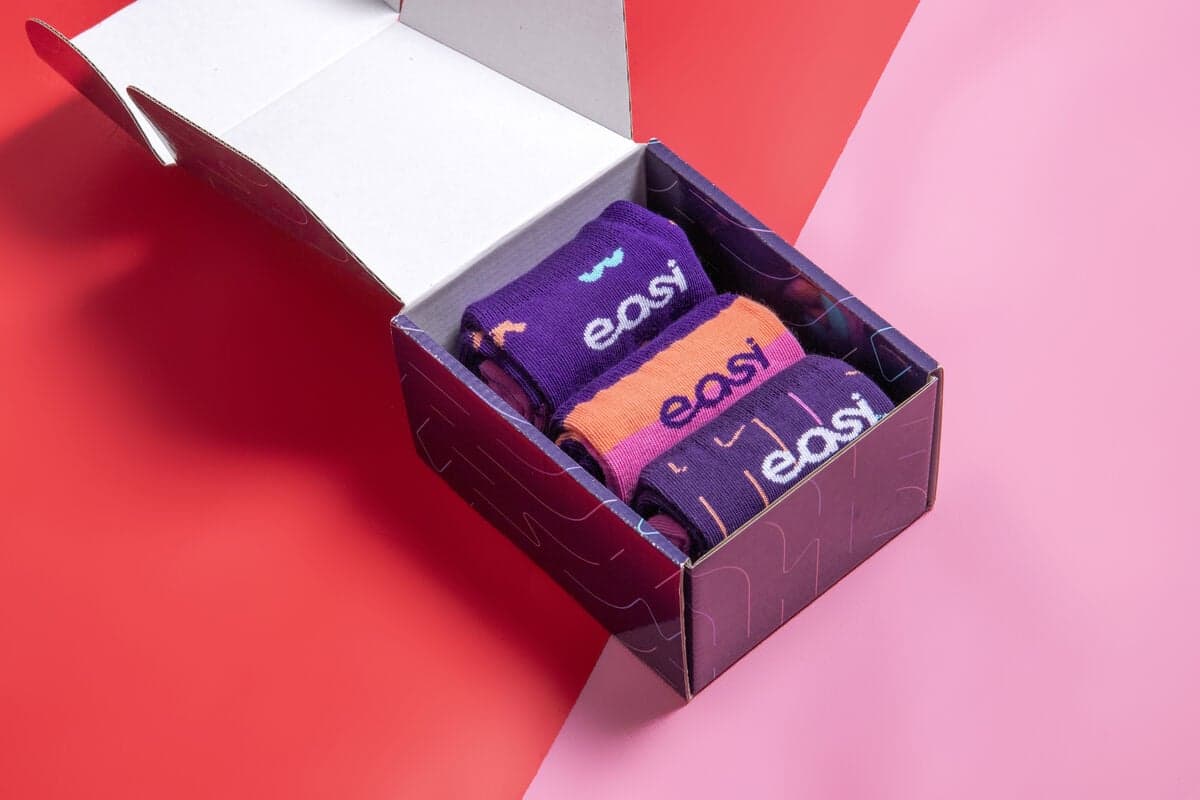
One last safety net. If you need a gift that works for almost anyone, custom socks remain the closest thing to a universal answer: everybody wears them, there is no sizing problem, and they scale from one good pair to three premium pairs in a proper box. See the custom socks guide, browse custom socks on the product page, or try a design in the free sock mockup generator. Unique does not have to mean risky.
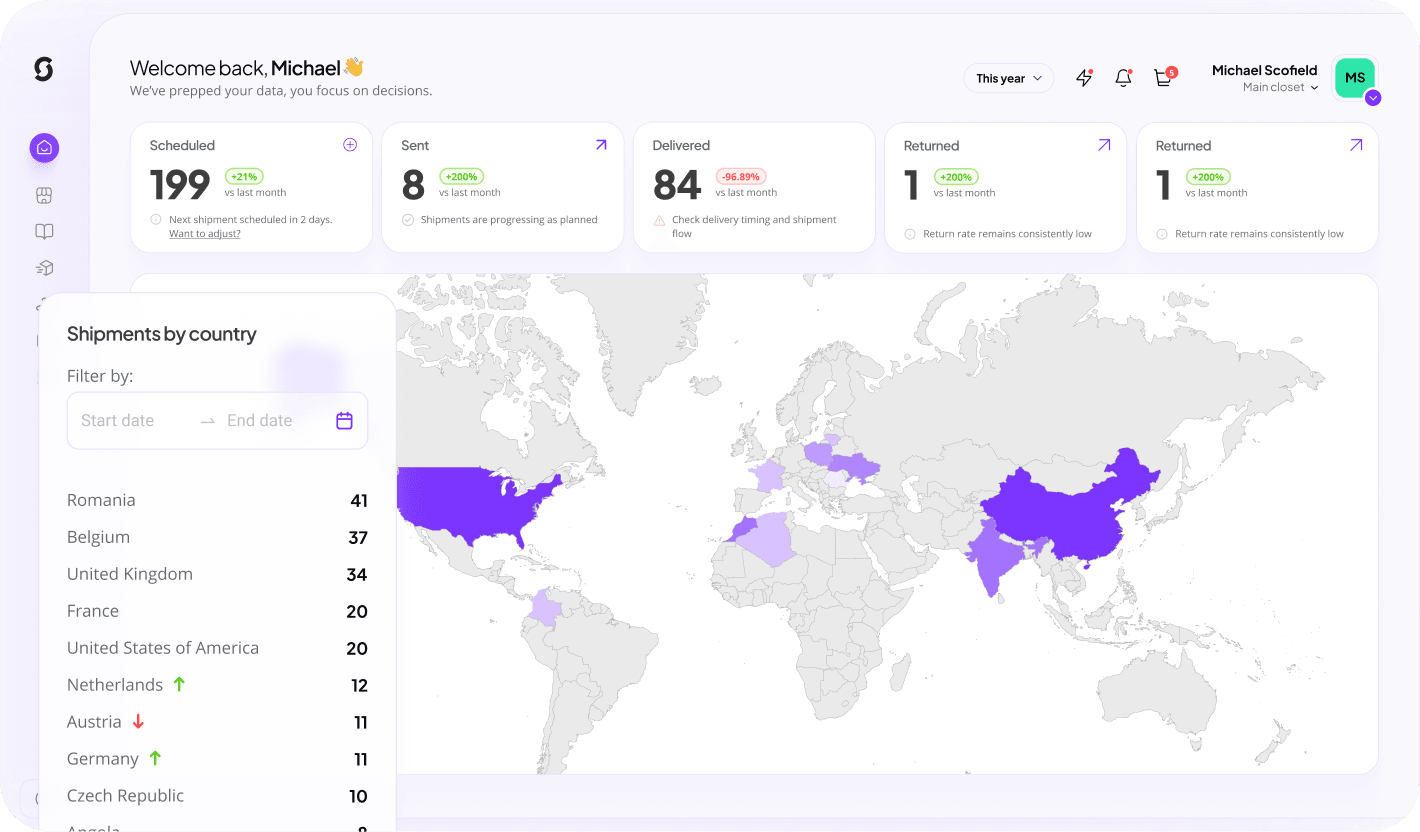
When you are ready to build the thing, the catalog shows what is possible and the platform handles the rest: custom production, packaging, warehousing and global delivery.
Keep reading: corporate gifts
About this article
Build a gift nobody expects
Custom production, premium packaging, global DDP shipping and campaign automation in one platform. Create a free account and design your gift in your brand.
Start your gift concept