

Definition
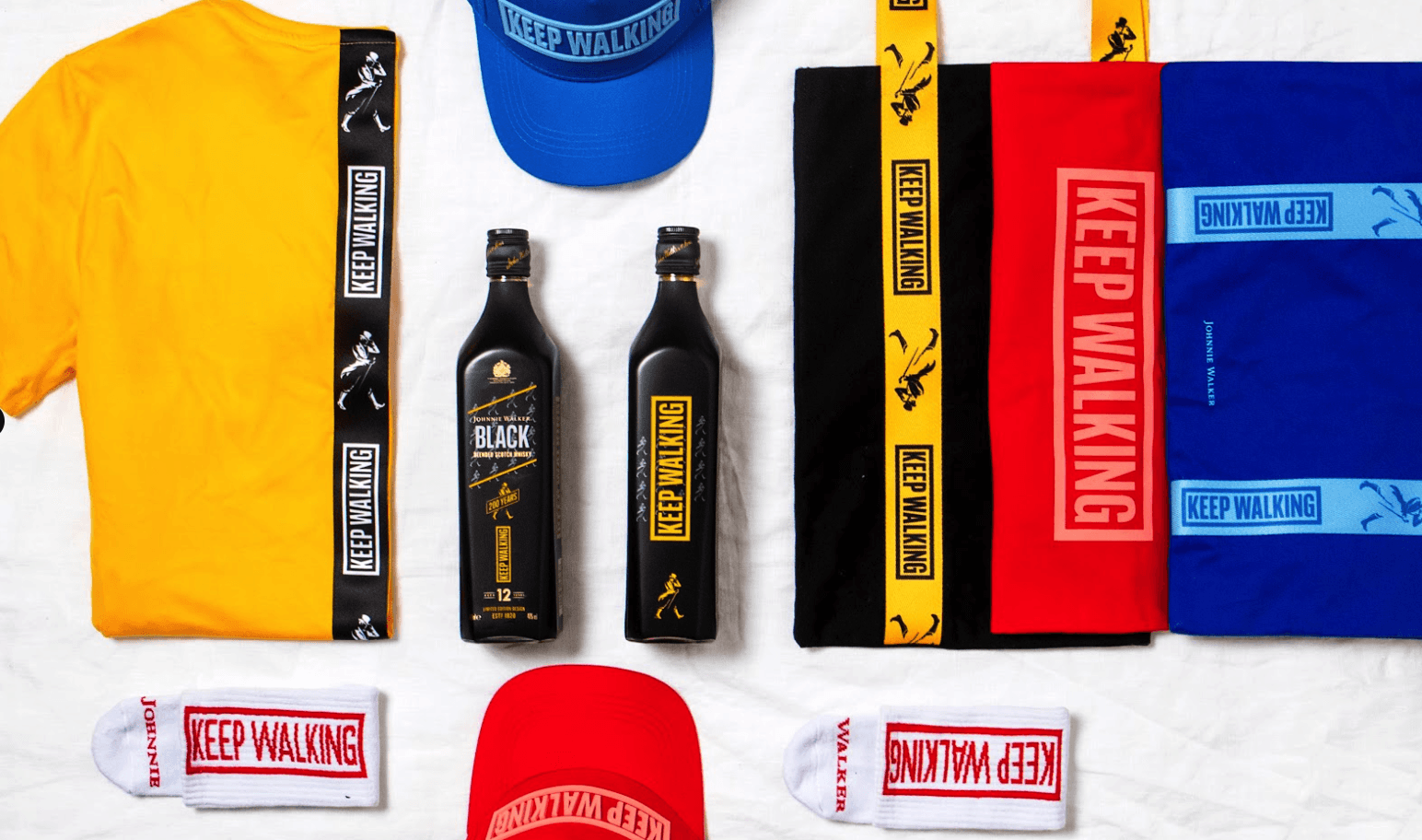
Employee swag is branded merchandise a company gives to its own people rather than to customers or prospects. It covers apparel, drinkware, tech accessories, notebooks, bags and anything else that carries the logo and ends up in a colleague's hands. The point is internal, not commercial. Good employee swag gets worn and used for years. Bad employee swag goes straight into a drawer.
Definition
Employee swag sits inside the internal branding budget, alongside onboarding, recognition and culture spend. It is measured differently from marketing merch: the audience is known, the sizes are known, the delivery addresses are known, and the same person may receive items several times across their time at the company. That changes what you buy. A trade show giveaway can be cheap and forgettable. An item you hand to a colleague on day one cannot.
A practical example: a 200-person software company sends every new hire a heavyweight hoodie, a stainless steel bottle and a set of stickers, shipped to their home address before their start date. Two years later, the same person receives a wool beanie for their work anniversary. Both moments come out of the same swag programme, but they are triggered by different events and use different products.
Why employee swag matters
Employee swag is one of the few branding tools that lives in someone's daily life. A laptop sleeve, a fleece or a bottle gets picked up every morning. That repetition is why quality decides the outcome. A 180 gsm t-shirt that loses its shape after four washes tells people what the company thinks of them, and a 320 gsm organic cotton hoodie tells them something else. The cost gap between the two is often smaller than the cost of an item nobody wears.
The second reason is distribution. Most companies now have people in several countries, working from home, joining at unpredictable times. Buying 500 hoodies in advance and storing them in an office cupboard means guessing sizes, tying up cash and shipping boxes by hand. Employee swag only works at scale when ordering, storage, personalisation and delivery run as one flow: an item is picked, printed and shipped when the moment happens, not months before.
The third reason is trust. Employees notice materials, fit and origin faster than any external audience. If your careers page talks about sustainability and the branded merchandise you hand out is generic polyester with a cracked print, that gap is visible on day one. Certified cotton, recycled fabrics and clear production information turn swag from a cost line into proof of what you claim.
Employee swag in branded merch
- Onboarding. A welcome pack sent to a new hire's home before their first day. Usually a hoodie or t-shirt, a bottle or mug, a notebook and a small tech item. Sizes are collected at signing, so nothing is guessed. See onboarding kit for the full breakdown.
- Recognition and milestones. Work anniversaries, promotions, project launches and target hits. These items should be a level above onboarding swag: a knitted sweater, a premium jacket, a leather-trim bag. Scarcity is part of the value, so avoid giving the same item to everyone.
- Team moments and internal events. Offsites, hackathons, all-hands and department launches. Here the item is a marker of a shared moment, so a dated or event-specific design works better than a plain logo. Print runs are small, which makes on-demand production the practical option.
Employee swag is branded merchandise distributed internally to staff, used to welcome new hires, mark milestones and give a distributed team something physical to share.
5 tips to elevate your Employee swag strategy
| Tip | Steps |
|---|---|
| Buy fewer, better items | One heavyweight hoodie beats three cheap t-shirts. Set a minimum fabric weight and stick to it across the programme. |
| Collect sizes at signing | Add a size field to the offer or HR onboarding form so you never guess and never over-order. |
| Separate the tiers | Keep onboarding, recognition and event swag distinct. If everyone gets the anniversary jacket, it stops meaning anything. |
| Design for wear, not for reach | A small tonal logo on the chest gets worn outside work. A giant logo across the back does not. |
| Ship from a platform, not a cupboard | Route orders through a system that handles storage, personalisation and international delivery so HR is not packing boxes. |
Key Terminologies
Frequently Asked Questions
What counts as employee swag?
Any branded item given to staff rather than to customers. That includes onboarding hoodies, anniversary jackets, event t-shirts, bottles, bags, notebooks and tech accessories. The defining factor is the internal audience, not the product type.
How much should a company spend on employee swag?
Most companies budget 50 to 150 euro per new hire for an onboarding pack and 40 to 100 euro per recognition moment. Spending less usually produces items people discard, which makes the whole budget wasted rather than cheap.
Do employees actually want swag?
They want items they would have bought themselves. Quality apparel, good drinkware and useful tech accessories score well. Low-grade plastic items and stiff cotton t-shirts with oversized logos do not.
How do you send employee swag to a remote team?
Ship individually to home addresses instead of bulk-shipping to an office. This needs a platform that stores stock, personalises on demand and handles customs and carriers per country, otherwise the admin cost exceeds the product cost.
What is the difference between employee swag and corporate gifting?
Employee swag is internal and identity-driven, usually carrying the company logo. Corporate gifting points outward to clients and partners and is often unbranded or subtly branded, since the gift is the message rather than the logo.