Definition
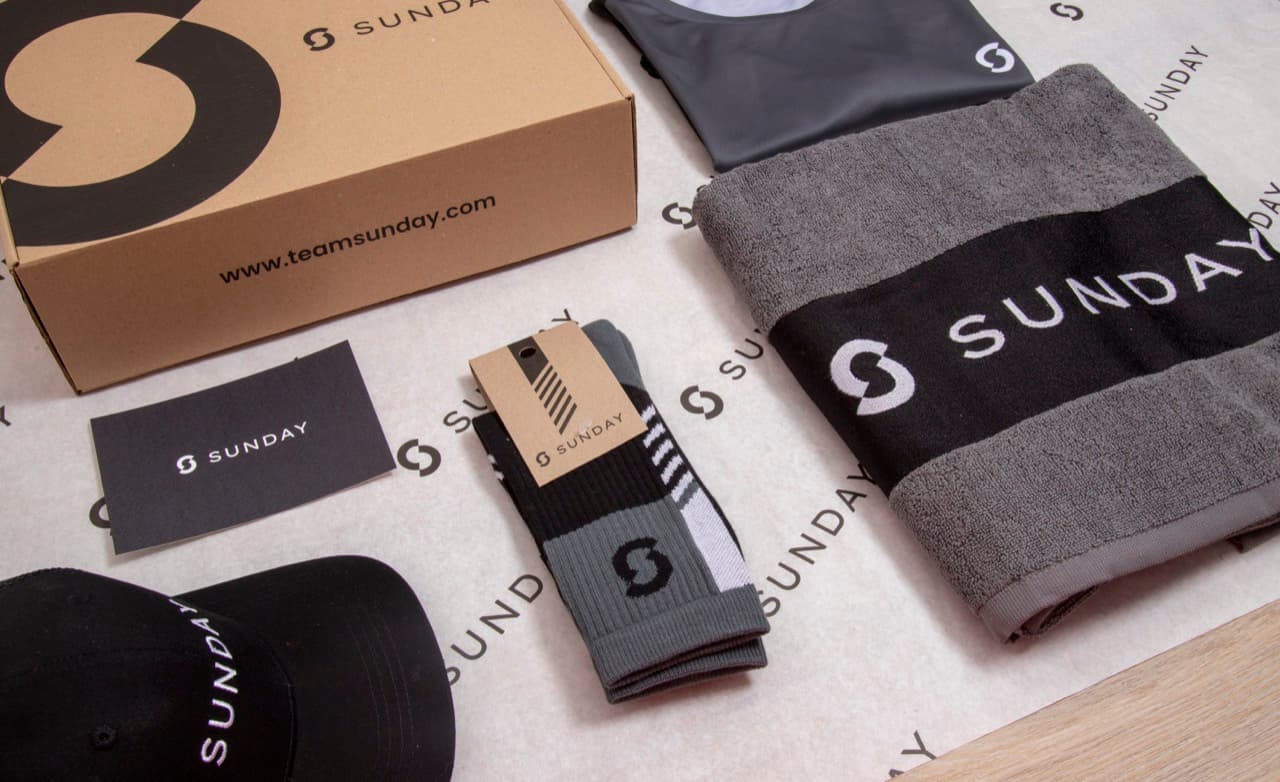
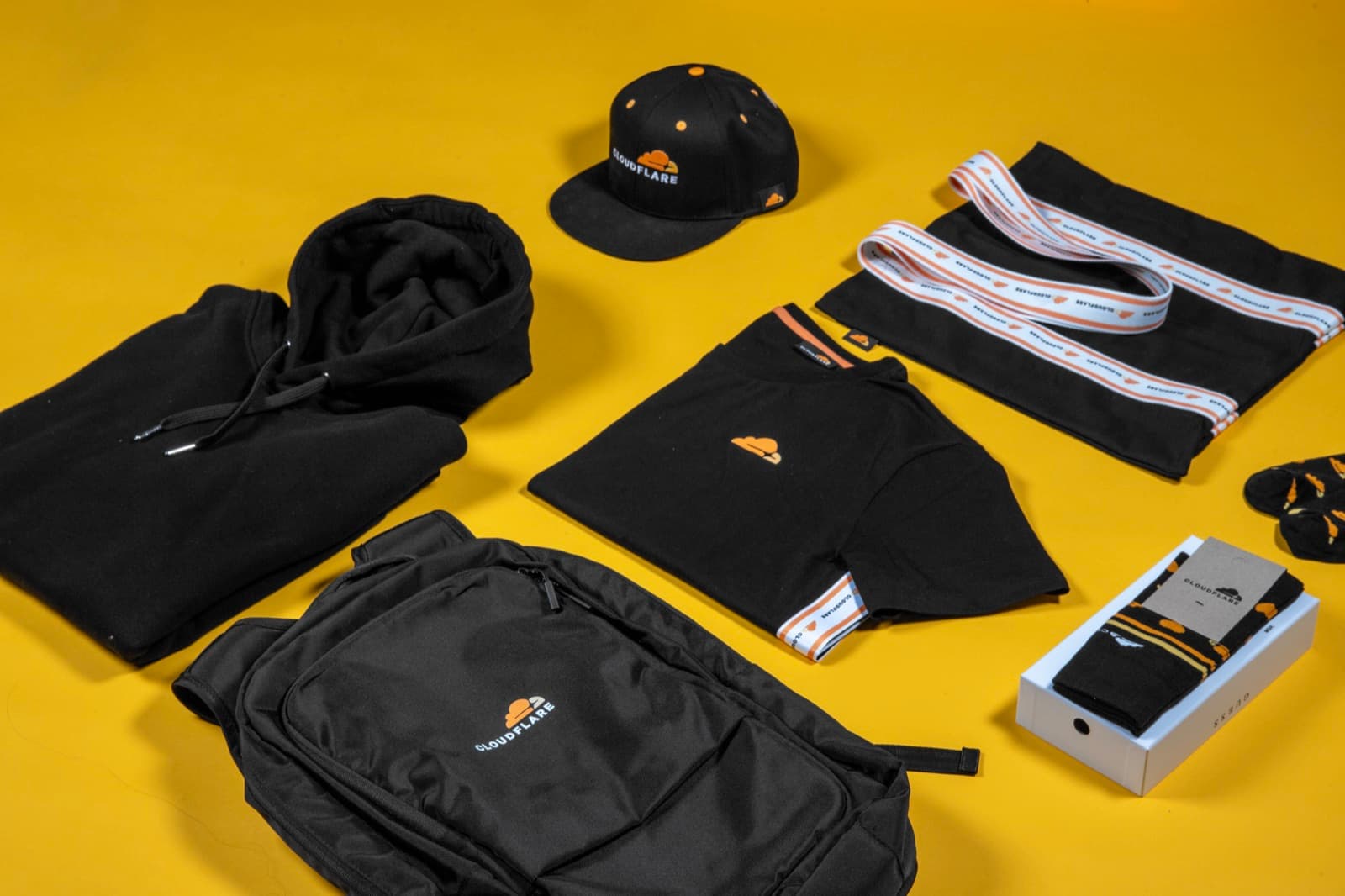
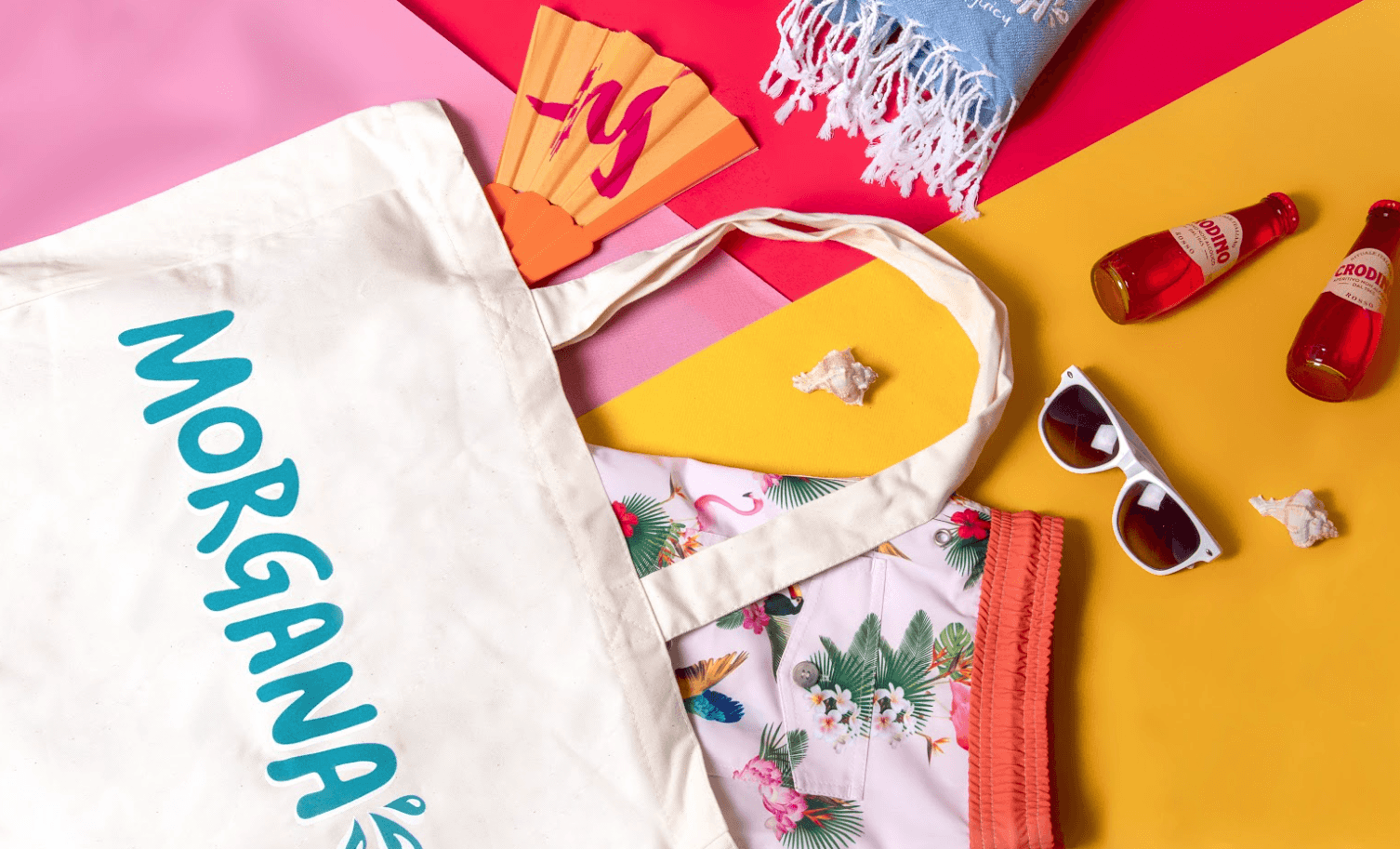
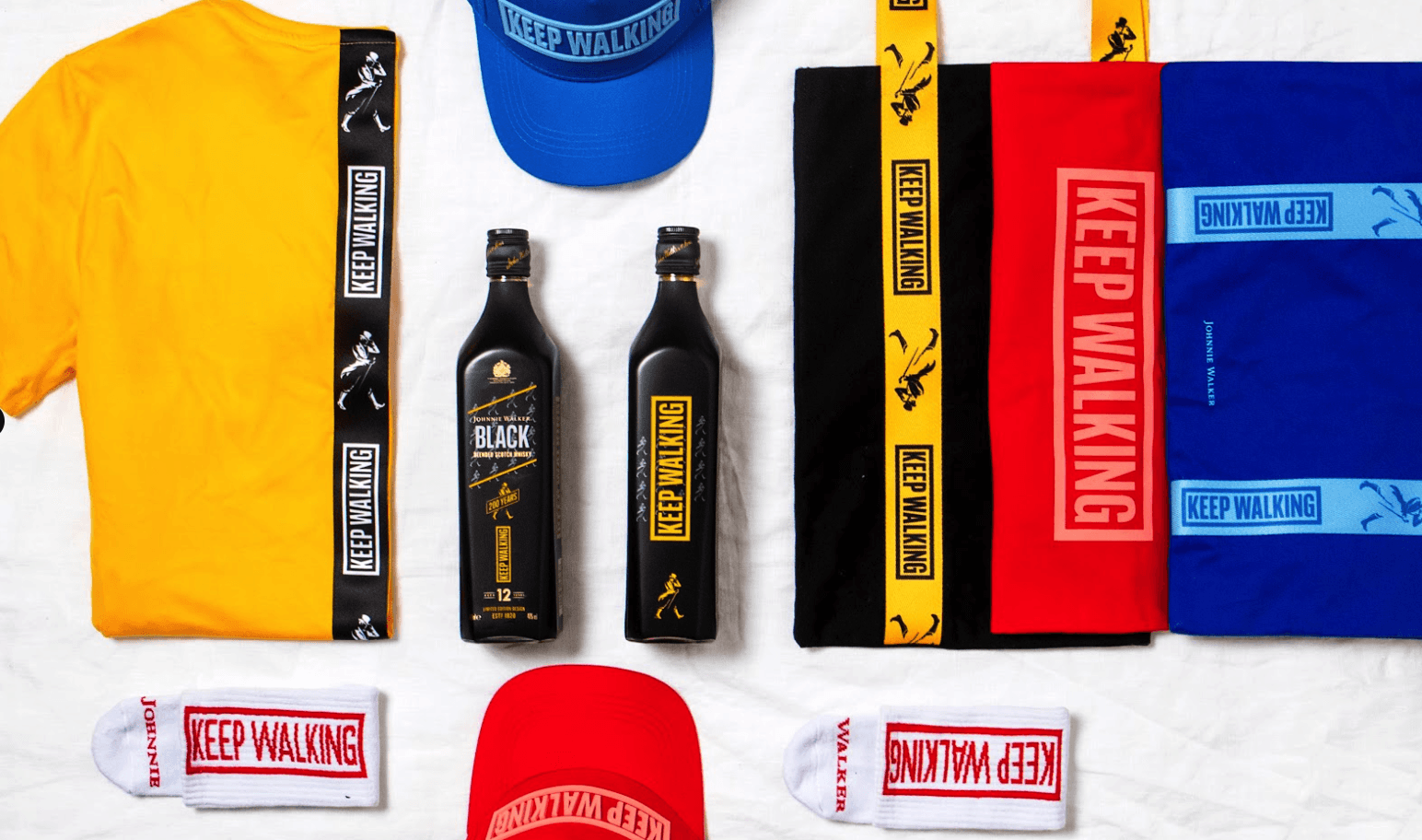
Branded merchandise is physical product that carries a company's logo, colours, or identity, made to be worn, used, or given rather than sold at retail. It covers apparel, drinkware, bags, tech, print, and gifts. The good version gets kept and used for years. The bad version reaches a drawer within a week, which is why the choice of product matters far more than the size of the logo on it.
Definition
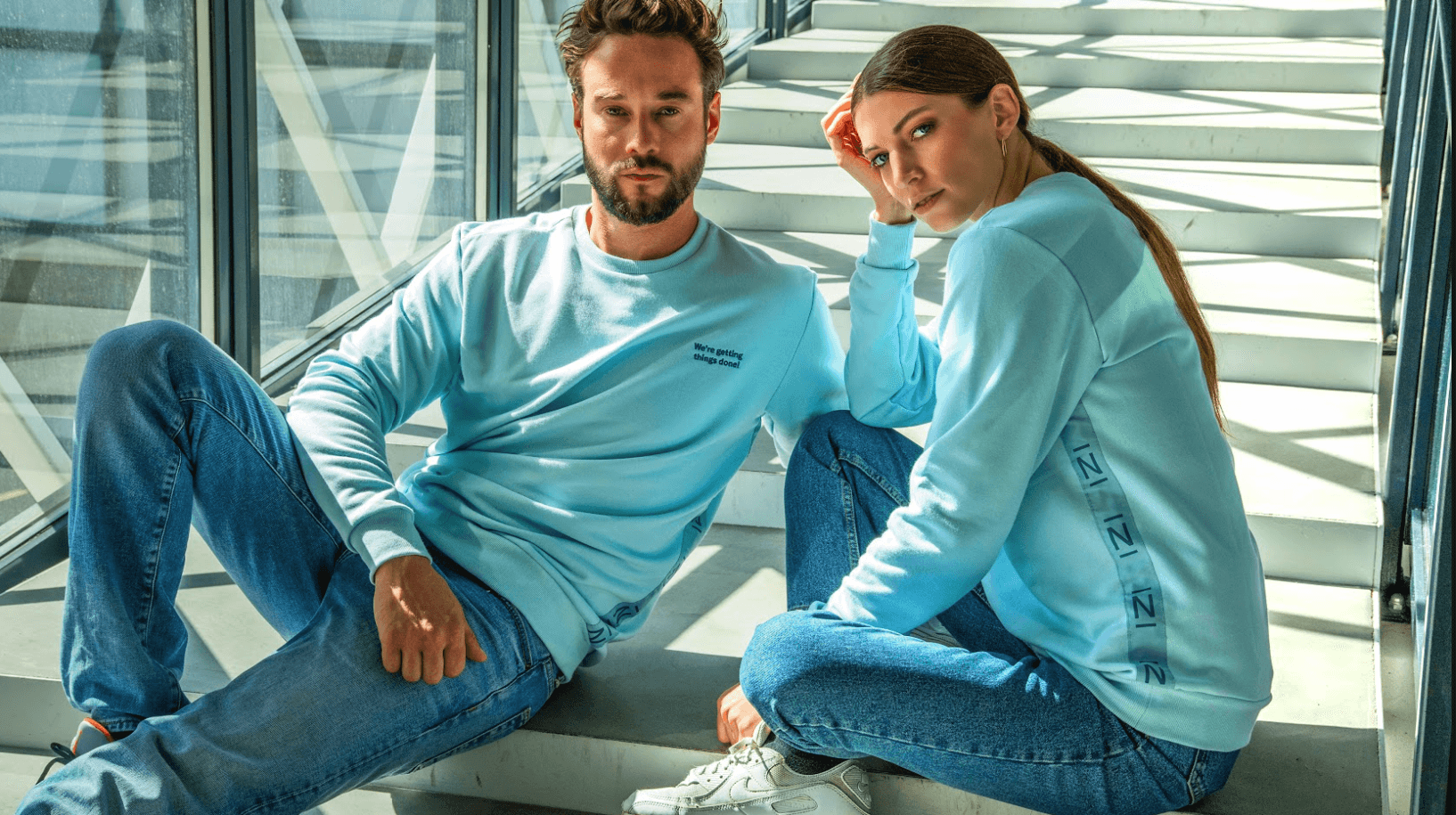
Branded merchandise sits between marketing and product. The item is real, so it competes with everything the recipient already owns. That is the test. A branded hoodie has to beat the hoodie already in the wardrobe, or it will never come out of the wardrobe. Branding can be loud, such as a full chest print for a conference crowd, or quiet, such as a tonal embroidery on the sleeve for a team that wants to wear the piece off duty.
A practical example: a software company drops its trade show giveaway of 2,000 plastic pens and orders 600 heavyweight T-shirts in one colourway with a small embroidered mark on the chest. Fewer units, higher unit cost, roughly the same total spend. Six months later the shirts are still being worn in the wild. The pens were never going to do that.
Why branded merchandise matters
Merch is one of the few marketing formats with a shelf life measured in years. A digital ad is gone in three seconds. A good jacket carries the mark through four or five winters and earns impressions every time it leaves the house. That is also the trap. A weak item earns the same repeated exposure, only with an association nobody wanted.
Internally, merch is a signal about how a company sees its people. A thin polyester tee with an oversized logo tells employees the budget stopped at the print. A well-cut piece in a fabric someone would have bought anyway says the opposite, and it says it every time they get dressed. This is why more companies now brief merch the way they brief a product, with a fabric weight, a fit, colours pulled from the brand kit, and a decoration method chosen for the fabric rather than for the invoice.
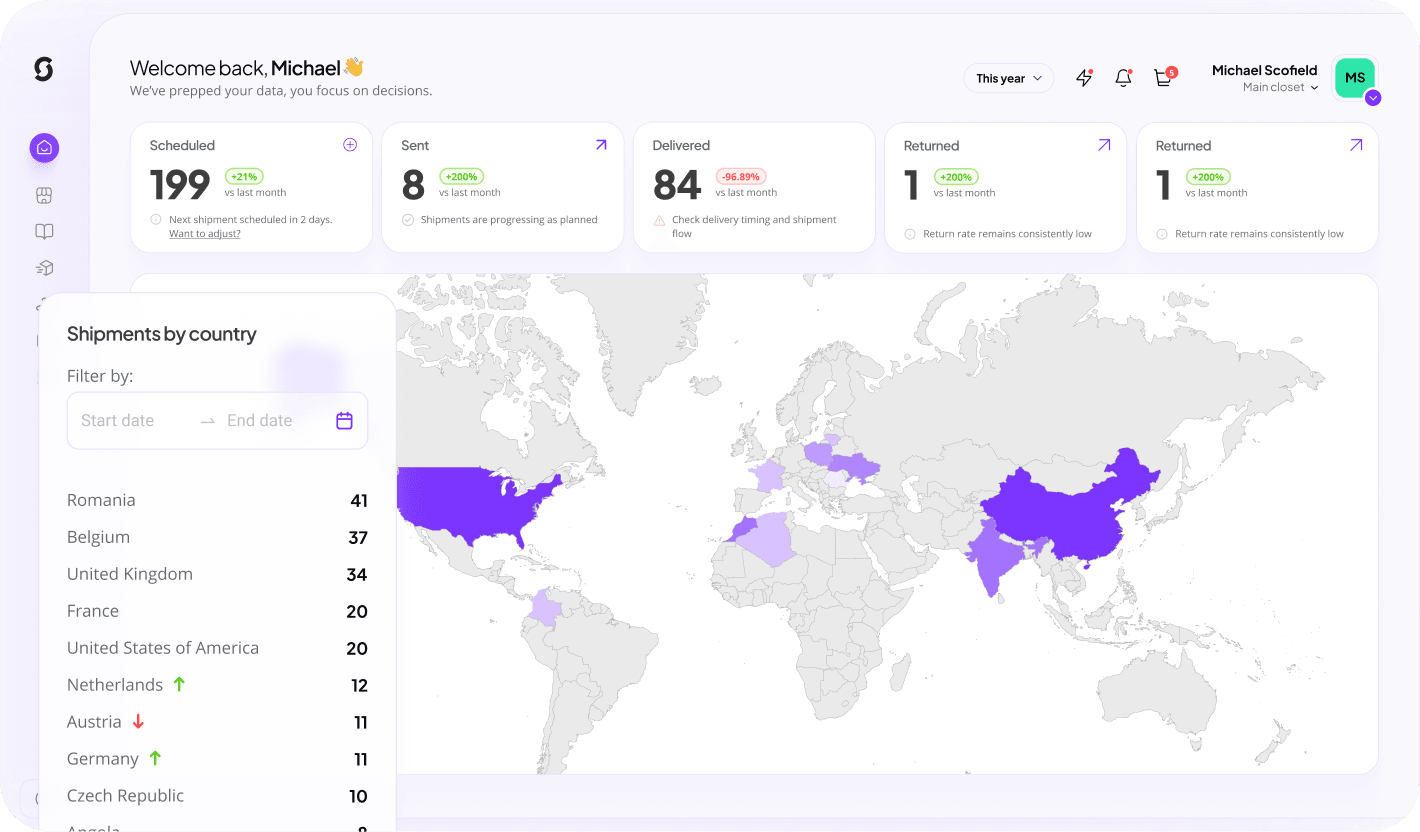
The trade-offs are cost, waste, and control. Better product costs more per unit, so volumes drop and the temptation to order cheap returns every quarter. Buying ahead ties up cash in a warehouse and risks dead stock in the sizes nobody wanted. And without one system, every team runs its own order with its own supplier, which is how logos drift, colours go off-brand, and finance loses sight of what was spent. That last problem is what a swag platform is built to remove.
Branded merchandise in practice
- Employee apparel and onboarding: A standing range of hoodies, tees, and outerwear, ordered on demand rather than in bulk, gives new hires something on day one and gives existing staff a reason to wear the brand voluntarily. Fit and fabric decide whether that happens.
- Events and trade shows: Booth staff need uniform apparel that reads clearly from three metres away. Visitors need one item worth carrying home, not five worth binning at the airport. One good piece beats a table of filler.
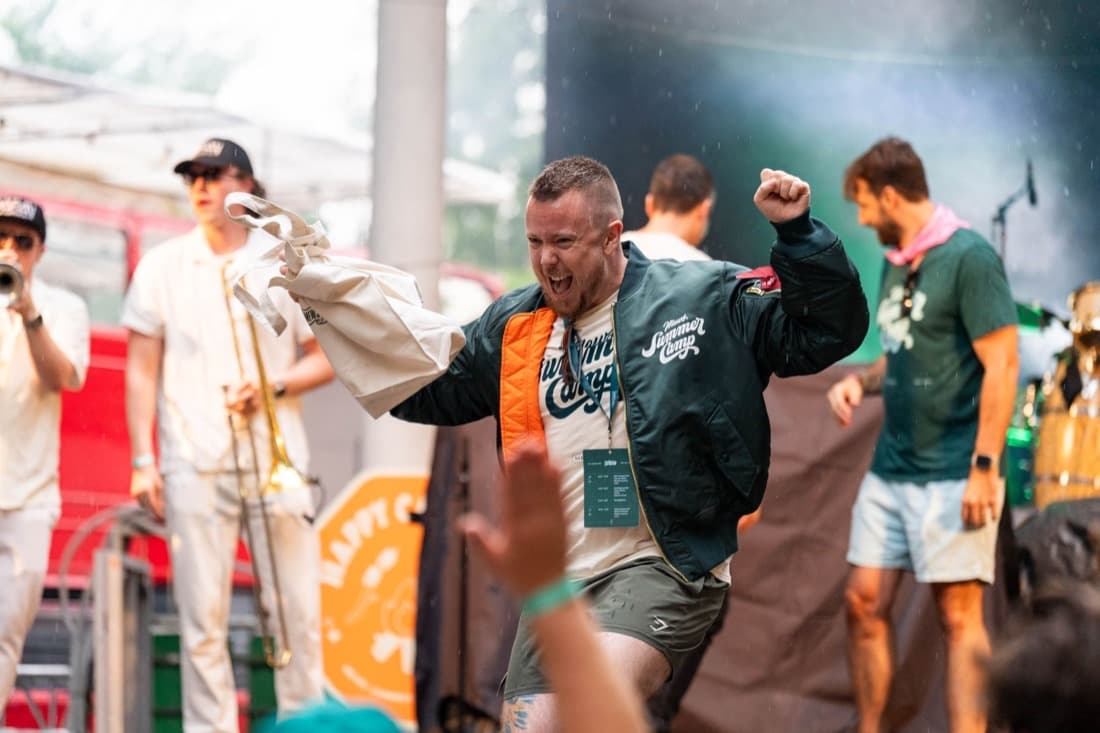
- Customer and community gifting: Merch sent to customers, partners, or a developer community works as a relationship gesture. Keep the branding restrained here, since a gift covered in logos reads as an ad, and track what it returns with a simple merch ROI view.
Branded merchandise is any physical product carrying a company's branding, produced to be worn, used, or given to employees, customers, or event audiences.
5 tips to elevate your Branded merchandise strategy
| Tip | Steps |
|---|---|
| Pick the product first | Choose an item people would buy unbranded, then decide how to brand it. |
| Match decoration to fabric | Embroidery for heavy cotton and knits, screen print for flat cotton, transfer for technical fabrics. |
| Cut the range, not the quality | Three strong items in good weights beat twelve cheap ones on a spreadsheet. |
| Lock the colours | Give suppliers Pantone references, not a screenshot of the logo. |
| Order on demand where you can | Print or ship per order to avoid dead stock in the wrong sizes. |
Key Terminologies
Frequently Asked Questions
What counts as branded merchandise?
Any physical product carrying a company's logo or identity and produced for use rather than retail sale. That includes apparel, caps, bags, drinkware, notebooks, tech accessories, and gift sets, whether they go to employees, customers, or event audiences.
What is the difference between branded merchandise and promotional products?
Promotional products are usually cheap, high-volume items made to be handed out, such as pens and lanyards. Branded merchandise is the wider category and includes premium apparel and gifts people choose to keep. The difference is intent: giveaway versus something worth owning.
How much does branded merchandise cost?
A printed T-shirt typically lands between 8 and 20 euros per unit, a quality hoodie between 30 and 60, and a jacket between 60 and 120. Decoration adds roughly 1 to 5 euros per placement, and setup costs fall away as volumes rise.
What is the most effective branded merchandise?
Apparel and drinkware, because they are used repeatedly in public rather than stored. Effectiveness comes from usage frequency, not from unit count, so 500 items people wear beat 5,000 items they discard.
How do you measure the return on branded merchandise?
Track cost per item kept rather than cost per item shipped, then look at what the merch was attached to: leads captured at an event, employee uptake in an internal store, or repeat orders from a customer program. Keep one number per program and compare it year on year.