Definition
A brand kit is the packaged set of assets and rules that lets anyone apply your brand correctly. It holds your logo files, color values, typefaces, imagery and the rules for using them, all in one place. The point is speed. A designer, a print partner or a new colleague should be able to produce on-brand work without messaging you first.
Definition
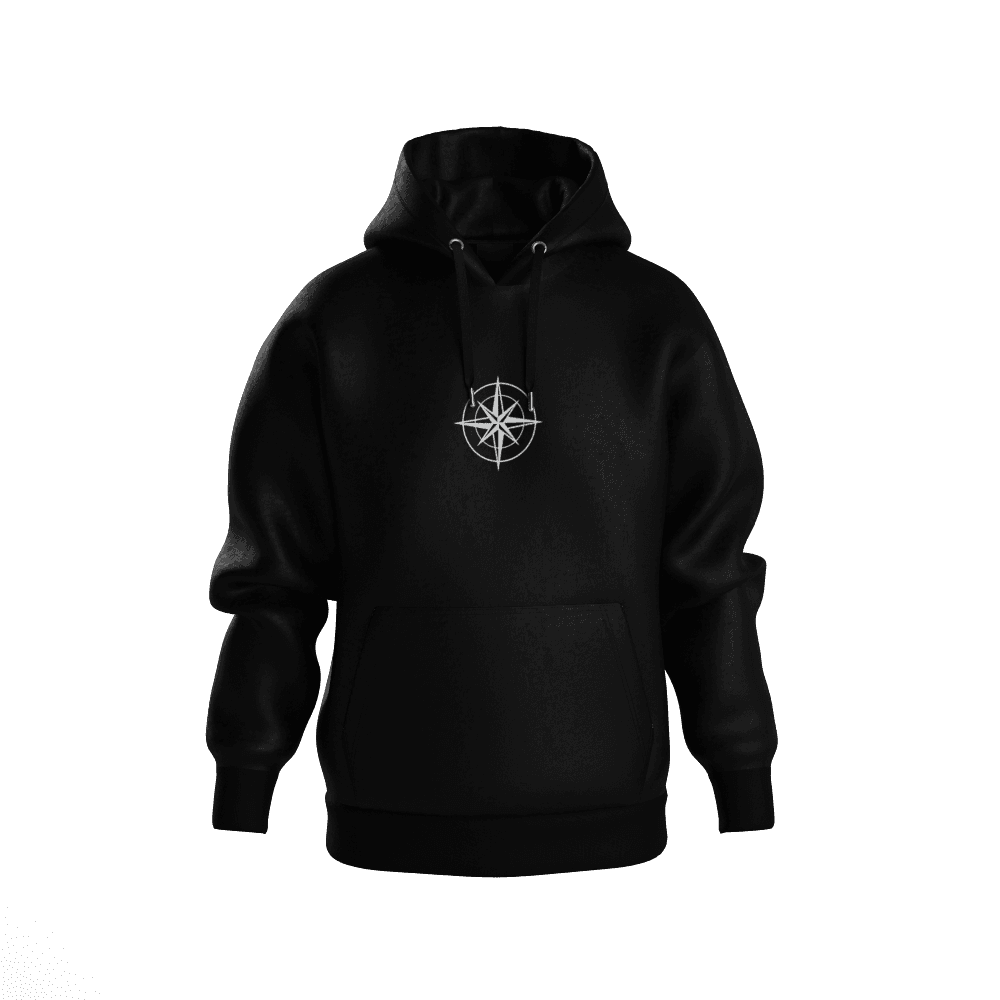
A brand kit collects everything needed to reproduce a brand, in production-ready formats, next to short rules for what is allowed. It sits between a full brand book and a loose folder of PNGs. A typical kit holds a primary logo, a stacked or horizontal variant, a one-color version, a reversed version for dark backgrounds, HEX and RGB values for screen, CMYK and Pantone references for print, two or three typefaces with their weights, and a page of rules on clear space, minimum size and what to avoid. For example, a company placing a 500-piece hoodie order sends its brand kit to production, and the factory already knows the embroidery thread should match Pantone 2126 C and the logo runs 8 cm wide on the left chest.
Why a brand kit matters
Consistency is the obvious reason. The deeper value of a brand kit is that it removes decisions from the production chain. Every time a partner has to guess a color, interpret a low-resolution logo or pick a font that looks close enough, your brand drifts. Across dozens of items and several markets, that drift becomes visible. A kit fixes the answer once and reuses it every time.
The second reason is time. Merch projects stall on file requests. Someone needs the vector logo, someone else needs the Pantone code, and the artwork waits while people dig through old email threads. A kit that lives in one accessible place turns three days of back and forth into a five-minute upload. Load your brand once on a platform and you can apply it to any product in the catalog and see the result straight away.
There are trade-offs. A kit that is too thin causes the same guessing it was meant to prevent. A kit that is too strict gets ignored. The useful middle is a small number of firm rules covering logo, color, minimum size and clear space, with more freedom on layout and imagery. Physical merch adds a requirement that digital-first kits often miss: production needs vector files and Pantone references, not only web HEX codes and PNG exports. A kit built purely for a website will hit friction on its first embroidery run.
Brand kit in branded merch
- Onboarding a production partner. Hand over the kit at the start and the first sample comes back correct. No extra color rounds, no redrawn logos, no surprises at press approval.
- Keeping distributed teams on brand. Regional offices ordering their own event tees or welcome packs pull from the same kit, so an item printed in Madrid matches one embroidered in Berlin.
- Moving faster on campaign merch. With approved assets ready, a seasonal drop goes straight to mockups and live pricing instead of waiting on a design handoff.
A brand kit is a packaged set of approved brand assets and usage rules, covering logos, colors, typography and imagery, so anyone can reproduce a brand correctly without guessing.
5 tips to elevate your Brand kit strategy
| Tip | Steps |
|---|---|
| Include vector logos | Supply SVG, AI or EPS files, because embroidery digitizing and screen printing need clean vectors rather than PNGs. |
| Specify Pantone, not only HEX | Add coated and uncoated Pantone references so printers and thread suppliers can match your color on fabric. |
| Add a one-color logo | Provide a single-color and a reversed version, since many print methods and dark garments cannot carry the full-color mark. |
| Set minimum sizes | State the smallest width your logo may be printed or embroidered at, so fine detail never disappears on a cap or a pen. |
| Version and date the kit | Give the kit a version number and a named owner so outdated files stop circulating after a rebrand. |
Key Terminologies
Frequently Asked Questions
What should a brand kit include?
At minimum: logo files in vector and raster formats, color values in HEX, RGB, CMYK and Pantone, your typefaces with weights, and rules for clear space and minimum size. For merch, add approved logo placements and one-color versions.
What is the difference between a brand kit and brand guidelines?
Brand guidelines are the full document explaining strategy, voice and visual reasoning. A brand kit is the practical asset package pulled from it, built so someone can execute without reading 60 pages.
Why does a brand kit need vector files?
Printing and embroidery machines reproduce shapes, not pixels. A vector logo scales from a pen clip to a tote bag with no loss of quality, while a PNG will look soft or jagged once enlarged.
How many colors should a brand kit have for merch?
Keep the core palette to two or three colors plus neutrals. Each additional color in a print raises setup cost per item, so a tight palette is cheaper and more recognizable.
Who should own the brand kit?
One named person or team, usually in marketing or brand. A single owner keeps the kit current after a rebrand and stops old logo files from resurfacing in production.