Definition
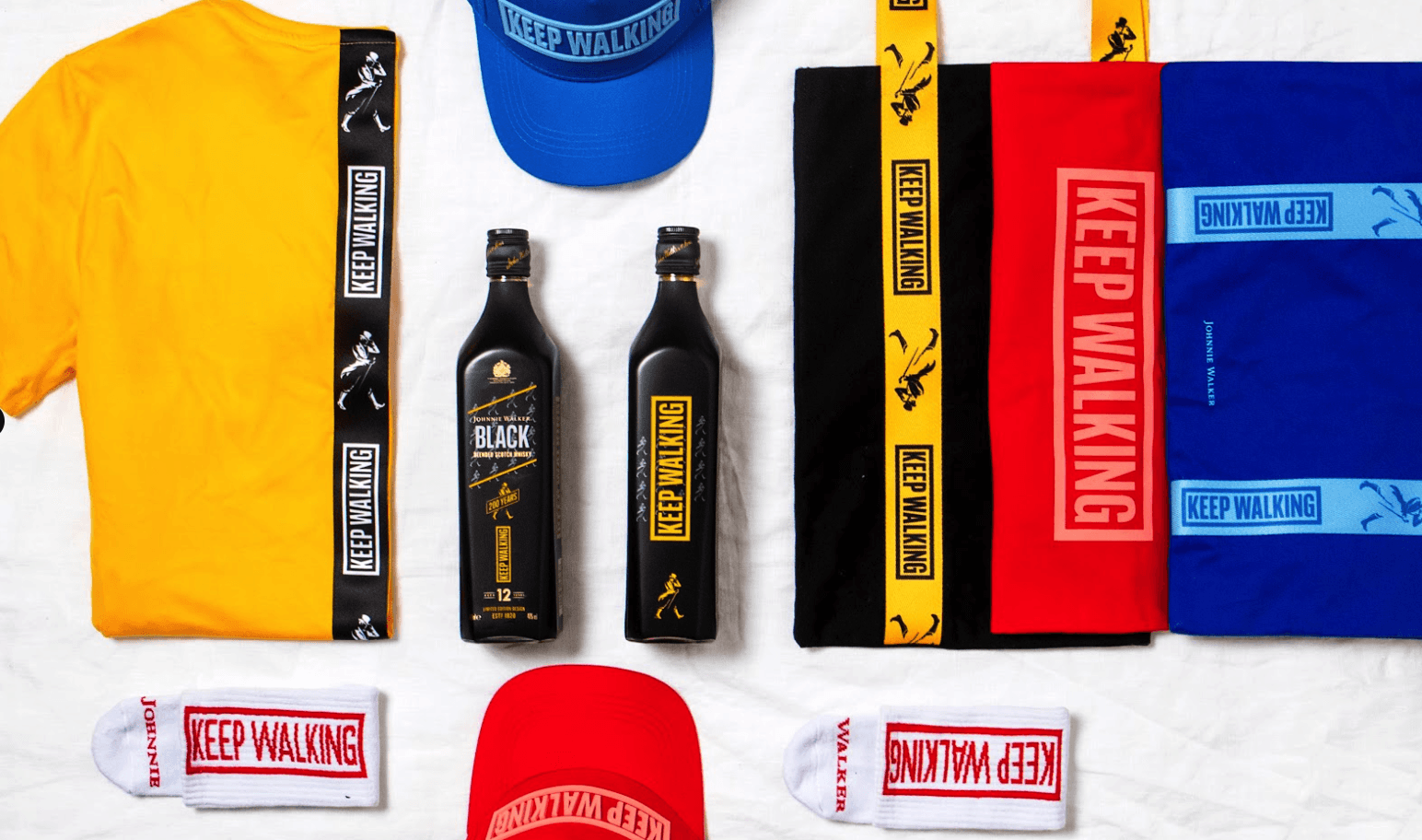
Vector art is artwork built from mathematical paths instead of pixels, so it stays perfectly sharp at any size. Scale a vector logo from a pen clip to a banner and the edges stay crisp. This is why merch decorators ask for vector files. They can resize your logo for any product without it turning blurry or jagged.
Definition
Vector art describes shapes using points, lines, and curves defined by math, rather than a fixed grid of colored dots. Because the shapes are calculated, the software redraws them at any size with no loss of quality. Common vector formats include AI, EPS, SVG, and PDF. A real example: a logo saved as an EPS file can be printed tiny on a pen and large on a tote bag from the same file, both razor sharp, while a JPG of that logo would look fine small and pixelated when enlarged.
How Vector art works
The opposite of vector is raster, which is made of pixels. A raster image like a JPG or PNG has a fixed number of pixels, so enlarging it stretches those pixels and the image goes soft and blocky. Vector art has no fixed resolution. The paths are stored as equations, and the software calculates the exact shape every time it is displayed or printed, at whatever size is needed.
This resolution independence is the main reason vector is the standard for logos and brand marks. It also makes editing cleaner. Colors can be swapped to exact Pantone values, paths can be adjusted, and individual elements can be isolated for different decoration methods. Many processes need this. Embroidery, screen printing, and laser engraving all work from clean vector paths rather than pixels. The trade-off is that vector suits flat shapes and solid colors, not photographs, which are naturally raster.
For merch, a vector logo is the single most useful asset you can supply. It lets a decorator scale and adapt your mark across products without quality loss, and it converts cleanly into the formats each decoration method needs.
Vector art in branded merch
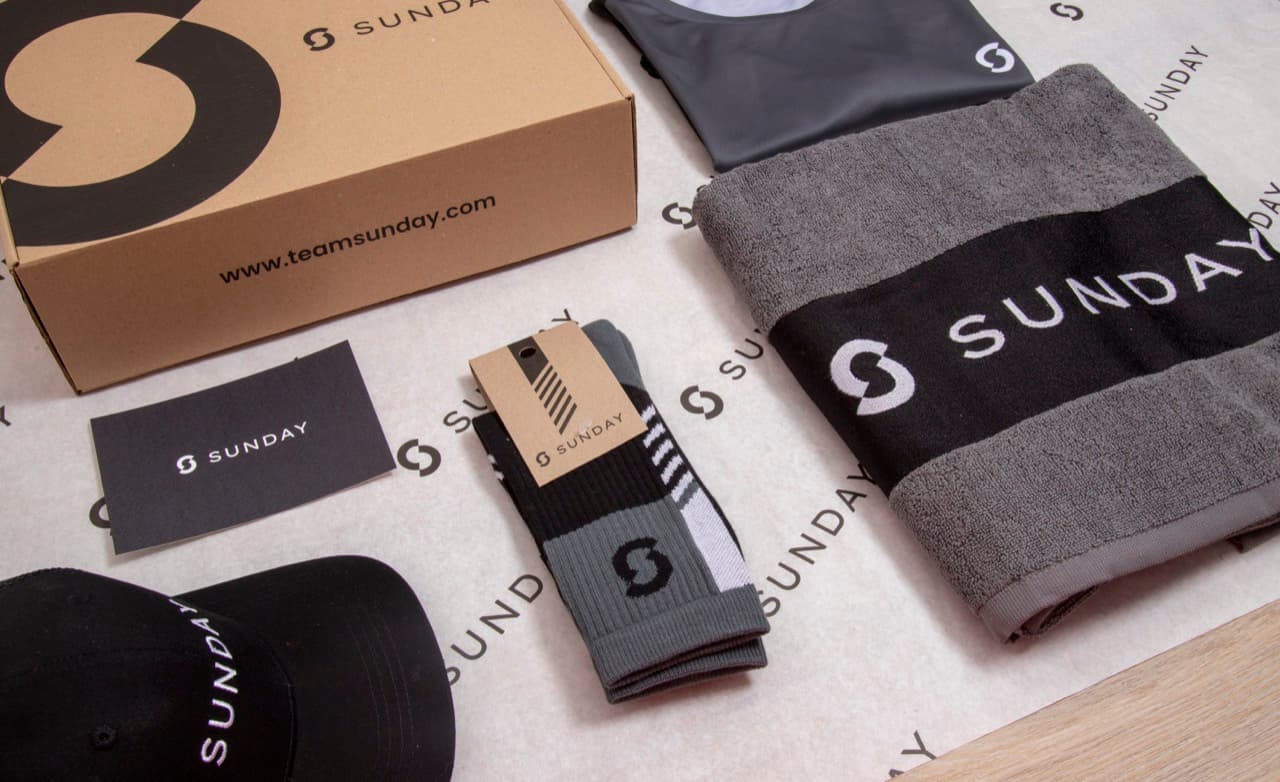
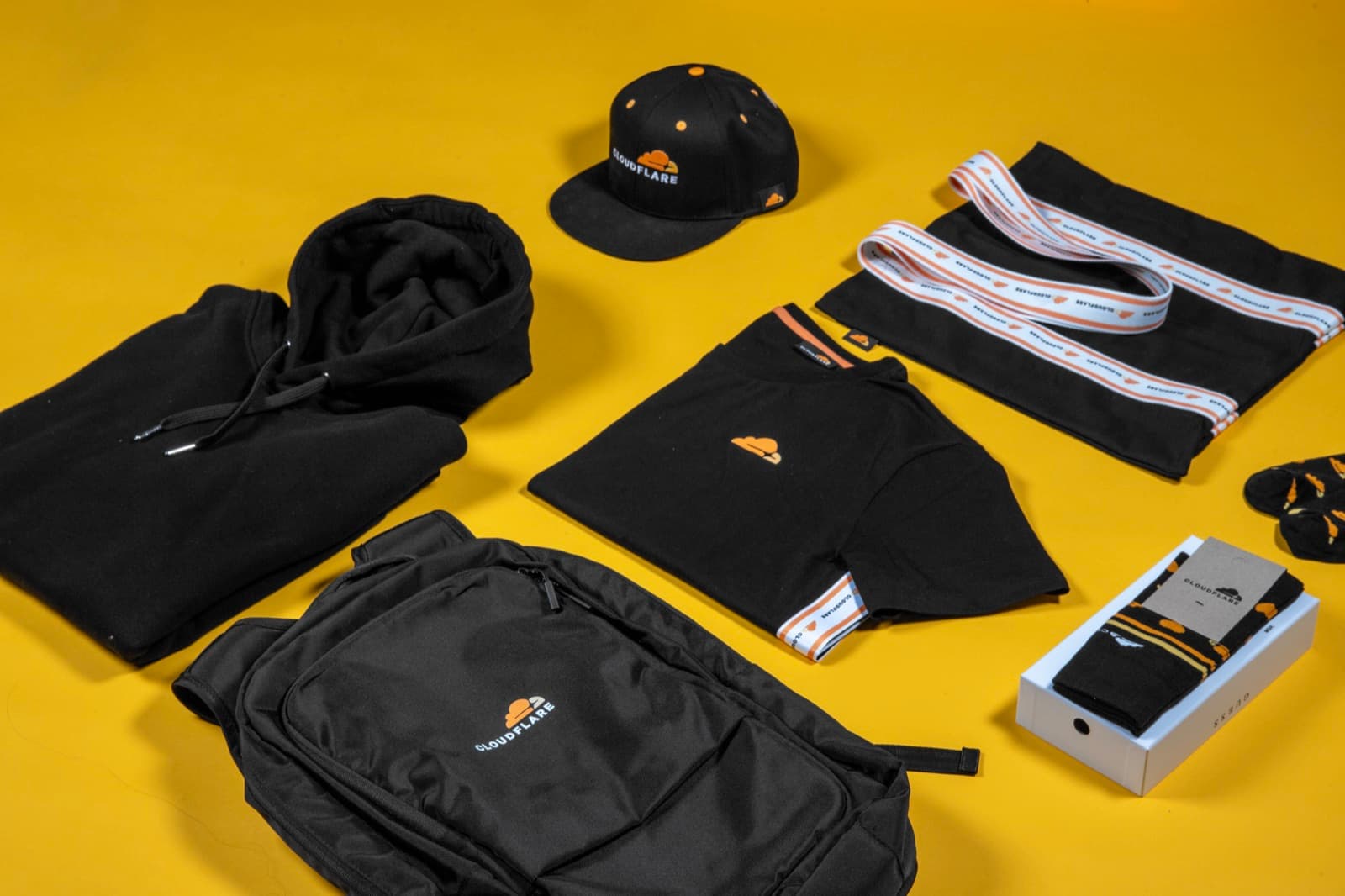
- Scaling one logo across products. A vector file lets the same mark print sharp on a small pen and a large hoodie back, so you never need separate artwork per size.
- Feeding embroidery and engraving. Stitch files and laser paths are generated from clean vector outlines, so a vector logo converts smoothly to these methods.
- Swapping colors precisely. Vector paths let a decorator apply exact Pantone values per element, keeping brand color consistent across a whole product range.
Vector art is scalable artwork defined by mathematical paths, so it keeps sharp edges and clean color at any size.
5 tips to elevate your Vector art strategy
| Tip | Steps |
|---|---|
| Supply a vector master | Keep your logo in AI, EPS, or SVG so it scales to any product cleanly. |
| Outline your fonts | Convert text to outlines before sending, so type renders correctly without the original font. |
| Avoid upscaling raster | Never enlarge a JPG or PNG to fake a vector, since it will print blurry. |
| Set exact colors | Define each shape with a Pantone or print color value, not a screen approximation. |
| Keep a layered source | Store an editable, layered file so elements can be isolated per decoration method. |
Key Terminologies
Frequently Asked Questions
Why do merch suppliers want vector art?
Vector files scale to any size without losing sharpness, so a decorator can resize your logo for any product. They also convert cleanly into formats for embroidery, screen printing, and engraving.
What is the difference between vector and raster?
Vector art is built from mathematical paths and stays sharp at any size. Raster art is built from pixels and goes blurry when enlarged. Logos should be vector, photos are raster.
Can a JPG or PNG be turned into vector art?
It can be redrawn as vector, but not automatically converted with full quality. A designer recreates the shapes as paths, which is why supplying an original vector file is far better.
Which file formats are vector?
Common vector formats are AI, EPS, SVG, and PDF when saved with vector data. Formats like JPG, PNG, and GIF are raster and made of pixels.
Do I need vector art if my logo prints small?
Yes. Even small prints benefit from sharp edges, and you will likely reuse the logo at larger sizes later. A single vector master covers every product and decoration method.