Definition
Melange fabric is a textile made from fibers that are dyed in different colors before they are spun into yarn, which gives the finished cloth a soft, mottled, multi-tone look. The color is mixed inside the yarn itself, not printed on top. That is why a melange tee or hoodie reads as heathered rather than flat.
Definition
Melange (also written mélange, from the French word for mixture) describes yarn and fabric where fibers of two or more colors are blended before spinning. The result is a heathered surface where individual flecks of color stay visible at close range but blur into one tone from a distance. A classic example is a grey marl t-shirt: look closely and you see white and dark grey fibers twisted together, not a single solid grey.
How melange fabric works
The color is built at the fiber stage. Mills dye loose fibers or slivers in separate batches, then blend those batches in a set ratio before the spinning frame turns them into yarn. A common cotton melange might mix 85 percent undyed or light fiber with 15 percent dyed fiber, but ratios shift depending on the shade you want. Because the colors are locked into the yarn, the heather effect runs all the way through the cloth and cannot rub off.
Melange is most often spun from cotton, cotton-polyester blends, or viscose. Each base changes the hand-feel and the way light catches the flecks. Polyester content sharpens the contrast and adds durability, while higher cotton gives a softer, more natural mottle. The trade-off worth knowing: because the yarn already carries color, melange fabric is harder to dye further, and pure cotton heathers can fade faster than solid-dyed cotton if washed hot.
For merch, the practical upside is forgiveness. The flecked surface hides minor pilling, light stains, and the small inconsistencies that show up fast on flat solid colors. That makes melange a safe pick for items people wear and wash often.
Melange fabric in branded merch
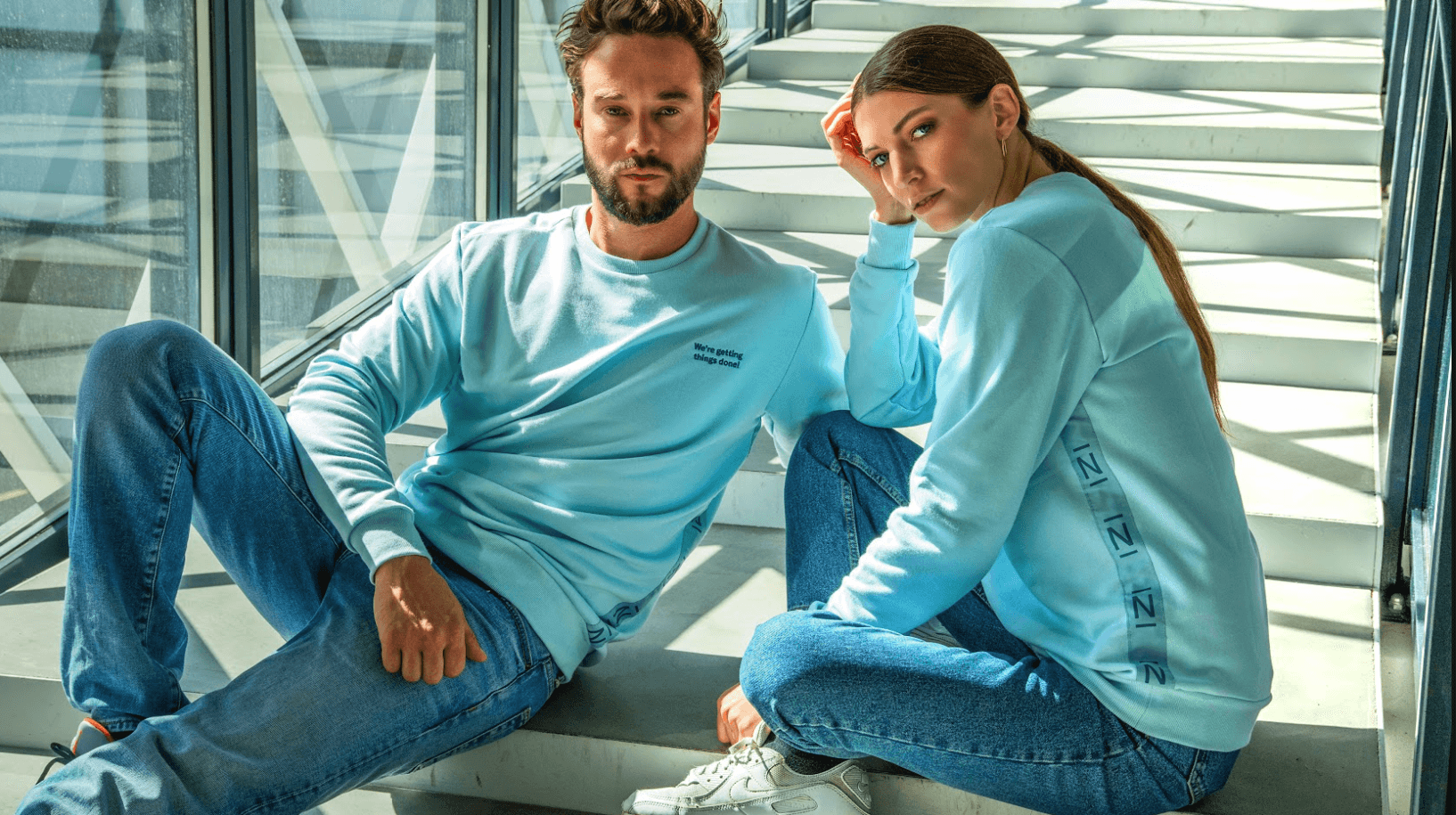
- Everyday heather tees and hoodies. Grey melange is the default for casual branded apparel because it pairs with almost any logo color and looks lived-in from day one.
- Premium-feel base layers. A fine cotton or viscose melange gives sweatshirts and long-sleeves a textured, considered look that lifts them above plain promotional stock.
- Embroidery-friendly backgrounds. The subtle fleck of melange sits well under stitched logos, where a busy print would compete but solid color can look cheap.
Melange fabric is cloth spun from pre-dyed fibers of varying shades, producing a flecked, blended color woven into the yarn rather than applied to the surface.
5 tips to elevate your Melange fabric strategy
| Tip | Steps |
|---|---|
| Check the blend | Ask for the exact fiber ratio, since a 50/50 cotton-poly melange behaves very differently from 100 percent cotton. |
| Mind the wash | Recommend cold or warm washes for cotton heathers to keep the flecked tone from fading. |
| Test your logo color | Print or stitch a sample, because melange backgrounds shift how light and dark logos read. |
| Match the weight | Pick a heavier melange for hoodies and a lighter one for tees so the heather looks intentional. |
| Order a stock sample | View the heather in daylight before you commit, as screen colors rarely match the real fleck. |
Key Terminologies
Frequently Asked Questions
Is melange the same as heather?
In practice yes, the terms are used interchangeably for the flecked, multi-tone look. Melange refers more to the yarn-making process, while heather often describes the visual effect on the finished garment.
What is melange fabric made of?
Most melange fabric is cotton, a cotton-polyester blend, or viscose. The defining feature is not the fiber but the method: dyeing fibers in different colors before spinning them together.
Does melange fabric fade or shrink?
Pure cotton melange can fade and shrink like any cotton if washed hot. Blends with polyester hold their color and shape better, which is why many merch tees use a cotton-poly melange.
Can you print on melange fabric?
Yes. Screen printing, transfers, and embroidery all work on melange. Test first, since the flecked background changes how a logo color reads compared to a solid base.
Why is melange popular for branded apparel?
The heathered surface looks premium and casual at once, pairs with most logo colors, and hides minor wear, stains, and pilling better than flat solid colors.