
Screen printing uses three main ink families. Plastisol is a PVC-based ink that sits on top of the fabric as a thick, opaque, durable layer; it is the industry default and works on almost any colour garment. Water-based ink soaks into the fibres, leaving a soft print you can barely feel, best on light cotton. Discharge ink removes the garment's dye and replaces it with colour, giving a soft, vintage print on dark 100% cotton. The right ink depends on the garment colour, the fabric and how the print should feel.
The ink decides the "hand" of a print, the way it feels when you touch it. A plastisol print you can feel on a heavy hoodie looks deliberate. The same heavy layer on a thin summer tee feels like a sticker. Matching ink to garment is half of what makes merch feel premium.
What's in this guide
- Plastisol vs water-based vs discharge, compared
- Plastisol ink
- Water-based ink
- Discharge printing
- What drives the cost of a screen print
- Which ink to choose
- Frequently asked questions
Plastisol vs water-based vs discharge, compared
| Plastisol | Water-based | Discharge | |
|---|---|---|---|
| How it works | Sits on top of the fabric, cured with heat | Dyes the fibres, ink soaks in | Bleaches out the dye, deposits new colour |
| Hand feel | Noticeable, slightly rubbery | Softest, almost none | Very soft |
| Opacity on dark garments | Excellent | Weak without an underbase | Good on dark cotton |
| Colour vibrancy | Bright, consistent | Slightly muted, natural | Slightly vintage, varies by garment dye |
| Fabrics | Cotton, polyester, blends | Best on light cotton | 100% cotton with dischargeable dye only |
| Durability | Very good; can crack if overstretched | Very good; fades softly over time | Excellent; part of the fabric |
| Effects possible | Puff, metallic, glitter, high-density | Limited | Limited |
| Ease of production | Easiest, most predictable | Harder; dries in the screen | Hardest; results vary per batch |
Plastisol ink
Plastisol is PVC particles suspended in a plasticiser. It does not dry in the air, only when heated to around 160°C, which makes it forgiving on press: it stays wet in the screen for hours. Once cured, it forms a flexible plastic film bonded to the surface of the fabric.
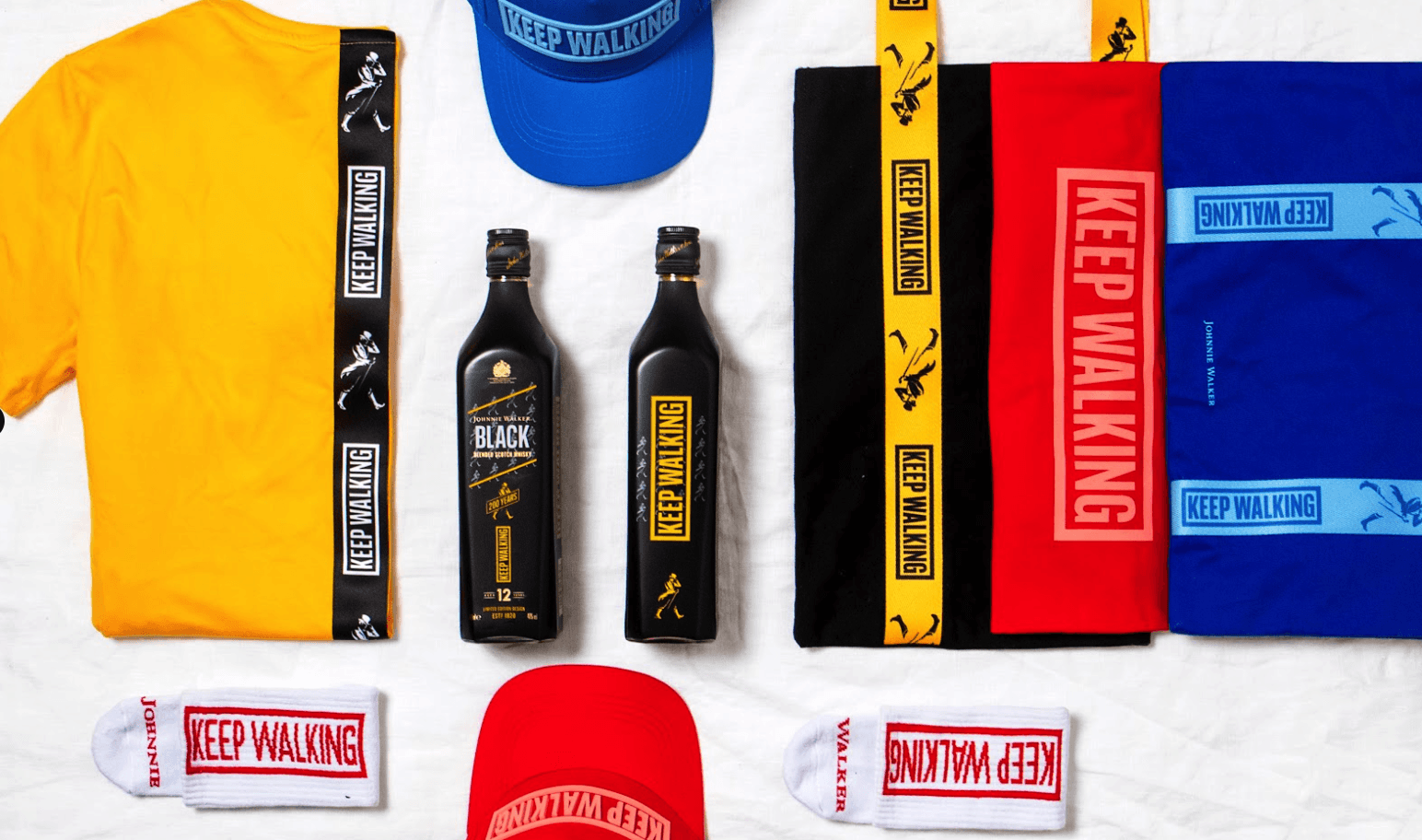
That film is why plastisol is so opaque. A white plastisol print on a black hoodie stays bright white without much effort. It is also why plastisol is the base for special effects: puff print is plastisol with an expanding additive, and metallic and high-density prints are plastisol too.
The downsides are feel and sustainability. A large plastisol print traps heat and you can feel it on the garment. Plastisol contains PVC, and while modern phthalate-free plastisols are widely used, buyers with strict sustainability targets often prefer water-based inks.
Water-based ink
Water-based ink carries pigment in water. Instead of sitting on top, it soaks into the cotton fibres and stains them. Once cured and washed, you can run your hand over the print and barely feel it, which is the look of most premium fashion t-shirts.
The trade-off is opacity. Because the ink stains rather than covers, it shows the garment colour through it. On white, natural and pastel garments the colours are clean. On black or navy, a water-based print looks faded unless a white underbase is printed first, which brings back some of the hand you were trying to avoid. Water-based ink also dries in the screen, so it needs a fine mesh count and an experienced printer.
Discharge printing
Discharge ink is a water-based ink with an activating agent. During curing, the agent removes the reactive dye from the cotton under the print, and pigment in the ink colours the bleached area in the same step. The result is a print that is part of the fabric: soft, breathable and opaque enough on dark cotton.
Discharge is the classic choice for soft prints on black tees, but it is the least predictable of the three. It only works on 100% cotton dyed with dischargeable dyes, the final colour depends on the garment dye, and colours can shift slightly from one batch of garments to the next. It is not suited to exact brand colour matching or to polyester blends. Check with your supplier whether discharge is possible on the specific garment before you design around it.
What drives the cost of a screen print
For most company orders, ink type changes the price far less than two other factors: the number of colours and the quantity. Each colour needs its own screen and its own pass on the press. As a guide for European production, per print position and on top of the garment:
- One colour: roughly €2 to €5 per unit between 50 and 1,000 pieces, at the high end for small runs.
- Four colours: roughly €2 to €10 per unit over the same range. At small runs, four colours cost more than double one colour.
The pattern worth knowing: at small quantities each extra colour costs real money, but at around 1,000 pieces the gap between one and four colours almost disappears, because screen costs are spread over the run. So if a design genuinely needs four colours, it is cheaper to order more at once than to reorder in small batches. Minimums start at 25 pieces for one to three colours and 50 for four. Every screen print is matched to Pantone C, so name your Pantone references in the brief; see CMYK vs RGB for why.
For small runs or many-colour artwork, DTF can be cheaper than screen printing. The crossover is covered in DTF vs DTG vs screen printing.
Which ink to choose
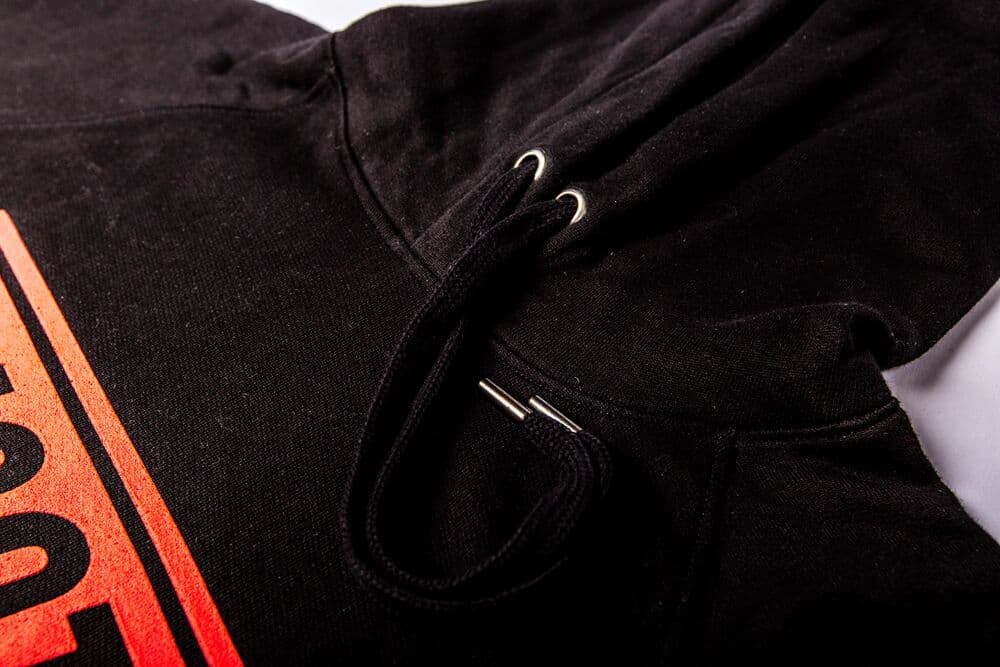
- Dark hoodies and sweatshirts with a bold logo: plastisol. Opaque, durable and colour-accurate.
- Light-coloured premium tees: water-based. The print disappears into the fabric and the tee feels like retail.
- Black or navy 100% cotton tees with a soft-hand brief: discharge, if the garment supports it.
- Polyester sportswear: plastisol with a low-bleed formula, or a transfer. Water-based and discharge do not work well on polyester.
- Raised or metallic effects: plastisol-based specialty inks.
- Exact brand colour: plastisol is the most consistent. Discharge is the least.
Garment weight matters too. A heavy plastisol print on a 150 GSM tee feels stiff; the same print on a 240 GSM tee feels right. See what is GSM in fabric for how to match weight and decoration, and compare garments in custom hoodies or the full catalog.
Frequently asked questions
What is the difference between plastisol and water-based ink?
Plastisol is a PVC-based ink that sits on top of the fabric as an opaque, durable layer and works on almost any garment colour. Water-based ink soaks into the fibres and dyes them, giving a much softer print that works best on light cotton. Plastisol is more vivid on dark garments; water-based feels softer.
Is plastisol ink safe?
Modern plastisol inks used for apparel are generally phthalate-free and widely used in certified garments. Plastisol does contain PVC, which is why brands with strict sustainability policies often choose water-based inks instead. Always ask your supplier which formulation they use if this matters to your brand.
What is discharge printing?
Discharge printing uses an ink with an activating agent that removes the dye from cotton during curing and replaces it with the print colour. The result is a very soft print that is part of the fabric, ideal for dark 100% cotton t-shirts. It does not work on polyester and colours can vary slightly between batches.
Does plastisol crack?
A correctly cured plastisol print is very durable. Cracking usually comes from under-curing or from heavily stretching a thick print. Washing inside out at 30 to 40 degrees and avoiding high-heat drying keeps plastisol prints in good condition for many years.
How much does screen printing cost per unit?
As a guide, a one-colour screen print in Europe costs roughly €2 to €5 per unit between 50 and 1,000 pieces, and a four-colour print roughly €2 to €10, with the highest prices at small runs. Colour count and quantity drive the price more than the ink type does.
About this article
See your logo printed on the right garment
Create a free account and get tee and hoodie designs in your branding, with live screen print pricing per colour and quantity.
Get free designs