Corporate food gifts win on universal appeal, zero sizing risk and speed at scale, which makes them strong for large local lists and seasonal sends. Branded merch wins on longevity: it keeps generating impressions for months or years, while food is consumed within days. Send food when recipients are local and the moment is short. Send merch when you want to be remembered.
A declaration first, because it matters for how you read the rest. Sunday makes branded merchandise. We do not sell chocolate, candy, popcorn or hampers, so we have an obvious commercial reason to talk merch up. That is exactly why this page gives food a real win column instead of a strawman one. Food is not a bad corporate gift. It is a different corporate gift, with a different job, and plenty of campaigns are better off with it.
What's in this guide
This piece is part of our complete guide to corporate gifts.
Why corporate food gifts are so popular
Search volume tells the story. Every year, thousands of buyers look for corporate chocolate gifts, corporate candy gifts and corporate popcorn gifts before they look at anything else. That is not laziness. It is a rational response to how hard corporate gifting normally is.
A food gift removes almost every variable that makes gifting stressful. There is no size chart. There is no colour preference. There is no risk of the recipient quietly disliking the design. You do not need to know anything about the person beyond their address, and the gift is understood instantly, in every market, without explanation.
Compare that with the standard merch decision: which product, which colourway, what size split, how big the logo, what packaging, how long production takes. A box of good chocolate skips all of it. For a team with three days and four hundred names, that is a serious advantage, and pretending otherwise would be dishonest.
Where corporate food gifts genuinely win
This is the section most merch companies skip. Here is where food beats what we sell.
- Close to universally liked. Very few people are offended by good chocolate. Taste in objects is far more divisive than taste in treats.
- No sizing, no fit, no preference risk. The single biggest operational headache in apparel gifting simply does not exist. Nothing to collect, nothing to exchange.
- Low risk when you barely know the recipient. For a large, unqualified list where you have a name and nothing else, food is a safe default. A branded item to a stranger can misfire; a nice box of treats rarely does.
- Fast at scale. No production lead time, no sampling round, no artwork approval. You can go from decision to shipped in days rather than weeks.
- Seasonally strong. Food carries a cultural expectation at year end that merch does not. In December, an edible gift reads as festive by default.
- Easy to send, easy to consume, no clutter. Nobody has to find a drawer for it. A gift that is enjoyed and then gone leaves no obligation and no landfill guilt.
- Excellent when logistics are simple. Local recipients, one country, short distances, no cooling requirement. Under those conditions food is efficient and pleasant.
- Shareable. A box on an office desk gets opened by the whole floor. One gift, many small positive moments.
Our own position, stated plainly: if your recipients are local, the moment is short and the logistics are simple, corporate food gifts are a good choice and you do not need to be talked out of them.
The main corporate food gift categories, and what each is actually for
Not all edible gifts behave the same way. If you are going down this route, pick the category that matches the moment rather than defaulting to whatever is on the first page of a supplier catalogue.
Corporate chocolate gifts
The default, and for good reason. Chocolate is the most searched edible corporate gift, it presents well in a box, it can be branded on the sleeve or the mould, and quality is visible immediately at any budget. The weakness is heat: chocolate needs temperature control in summer and on long routes, and a bloomed, melted box is worse than no gift at all. Chocolate also has the most crowded field. When every supplier and every competitor sends the same premium bar in December, the gift stops being distinctive even when it is good.
Chocolate for corporate gifts at volume
At a few hundred recipients or more, chocolate stops being a product decision and becomes a logistics one. Ask about shelf life at the point of delivery, not at the point of manufacture. Ask what happens in a heatwave. Ask whether the supplier can split the shipment across countries, and what happens to the boxes that are refused or returned. These questions decide whether the campaign works far more than the cocoa percentage does.
Corporate candy gifts
Candy is cheerful, cheap per head and works well for events, stands and internal celebrations where the mood is light. It is generally more heat-tolerant than chocolate and easier to brand as a full custom package. It is the wrong register for a serious moment: a candy jar is not the right way to thank a client for a seven-figure renewal, and it can read as juvenile in some markets and cultures.
Corporate popcorn gifts
Popcorn is the volume play in the edible category. It is light, it fills a large tin or bag for very little money, it photographs well and it makes a small budget look generous. Light weight also means low shipping cost, which matters at scale. The trade-off is fragility and shelf life: popcorn goes stale, it does not survive rough handling, and it is unmistakably a short-lived gift. Nobody keeps the tin, and if they do, the branding on it is why.
Hampers, coffee, alcohol and other corporate gifts food
Hampers look impressive and carry the highest perceived value per euro spent in the food category. They are also the heaviest, the most expensive to ship and the most likely to trip customs rules. Alcohol is the sharpest example: it is restricted or prohibited to ship in many places, it excludes recipients on religious grounds, and it is the single most common cause of a gifting campaign quietly failing at a border. Coffee and tea sit in a nicer spot, with long shelf life and few restrictions, though caffeine is not universal either.
Where corporate food gifts struggle
Four real constraints, none of them fatal on their own, all of them compounding as your list gets bigger and more international.
1. Crossing borders
This is the big one. Food is one of the most heavily regulated categories in international shipping. Customs rules on food imports differ by country and by ingredient, documentation is heavier, chilled and frozen products need a cold chain, and shelf life is burning the whole time the parcel is in transit. Add duties, and you get the worst possible outcome: a recipient asked to pay a customs charge on a gift. A gift should never surprise someone with an invoice. The moment they pay, it stops feeling like a gift.
Branded merch is not exempt from customs, but it is far more forgiving. It does not expire, it does not need cooling, it survives a two-week delay, and the paperwork is routine. With DDP shipping the duties are settled before delivery, so nothing lands on the recipient. That is why international campaigns quietly migrate away from food as they scale.
2. Allergies
Nuts, dairy, gluten, soy, eggs, shellfish. On a list of four hundred people you will have allergies, and you will not know who they are. Best case, someone politely passes the box to a colleague. Worst case, you have created a genuine health risk with a gift meant to say thank you. Allergen labelling helps, and good suppliers do it properly, but it converts your gift into something the recipient has to inspect before they enjoy it.
3. Dietary and lifestyle choices
Vegan, vegetarian, halal, kosher, sugar-free, alcohol-free, and everyone currently trying to eat better. Each of these quietly removes part of your list from the gift you just sent. They are not fringe cases any more, and a food gift is the only gift category where personal choices about health and diet determine whether the recipient can use it at all.
4. Cultural and religious differences
Alcohol and pork-derived ingredients like gelatine are the obvious examples, but the differences run deeper than ingredients. Fasting periods, what counts as a generous gift, what counts as an appropriate one, and in some markets whether an edible gift from a supplier is acceptable at all. A single food SKU shipped to twelve countries will land differently in each of them. Merch has cultural nuances too, but they are mostly about branding and modesty, and they are easier to design around.
5. It disappears
The structural one. A food gift has a lifespan measured in days. It is eaten, the box is recycled and the gift is over. Whatever goodwill it created has to survive on memory alone, and memory fades fast in a business relationship. There is no brand longevity because there is nothing left to carry the brand.
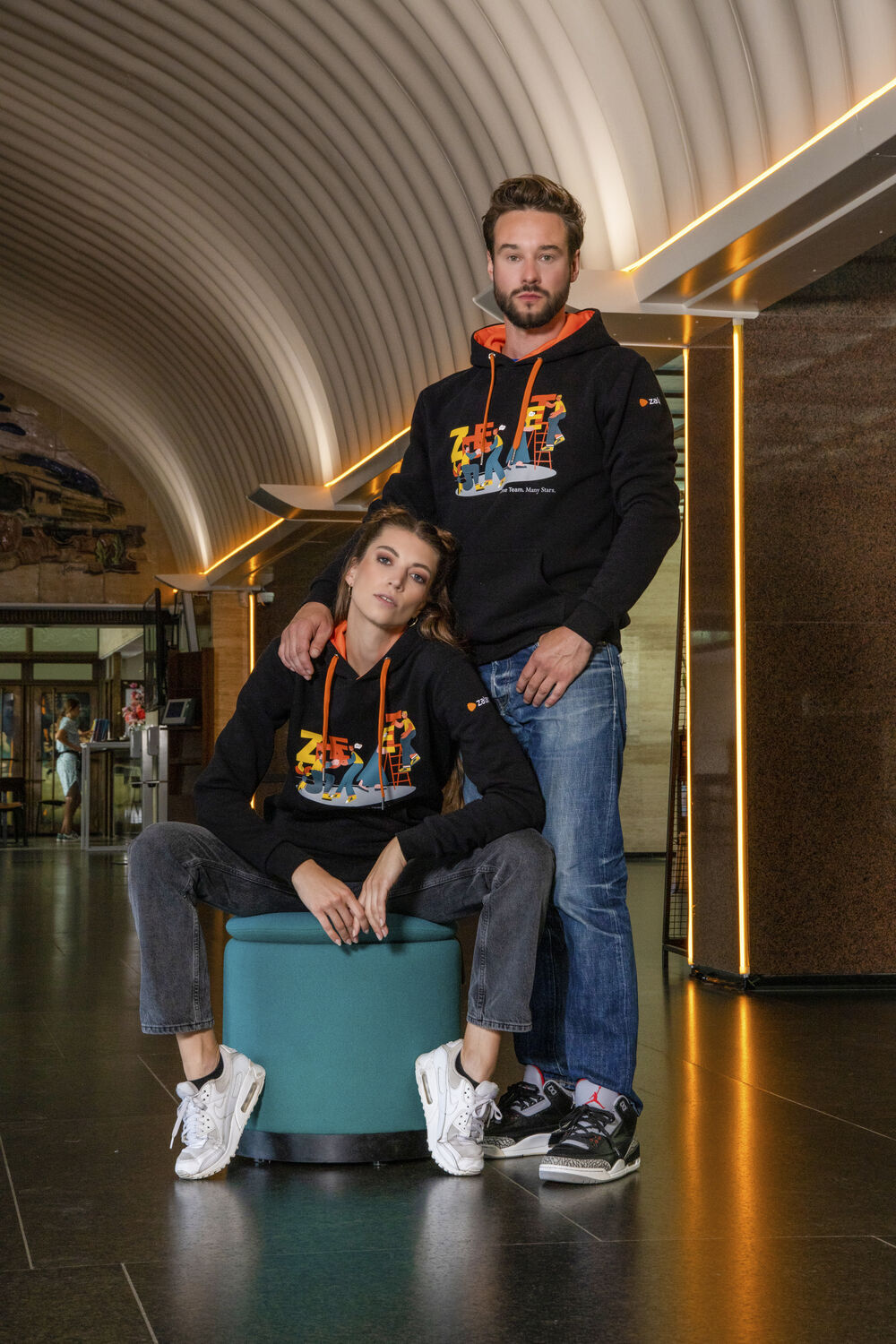
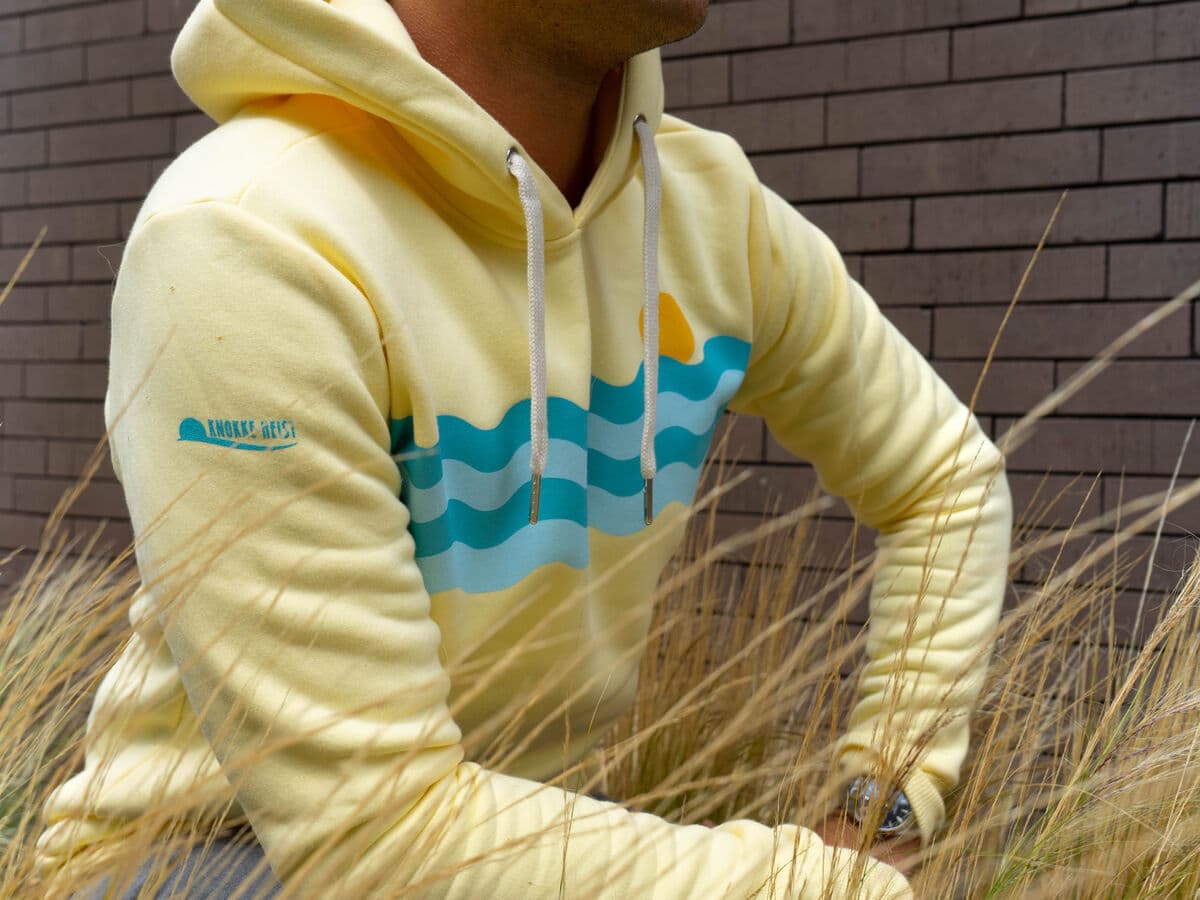
The difference is duration. A hoodie like this is still being worn, and still being seen, in the second and third year after it was gifted.
Where branded merch wins
Merch is harder to buy than food. Sizing, colours, artwork, lead times and stock are all real work. What you get in return is time.
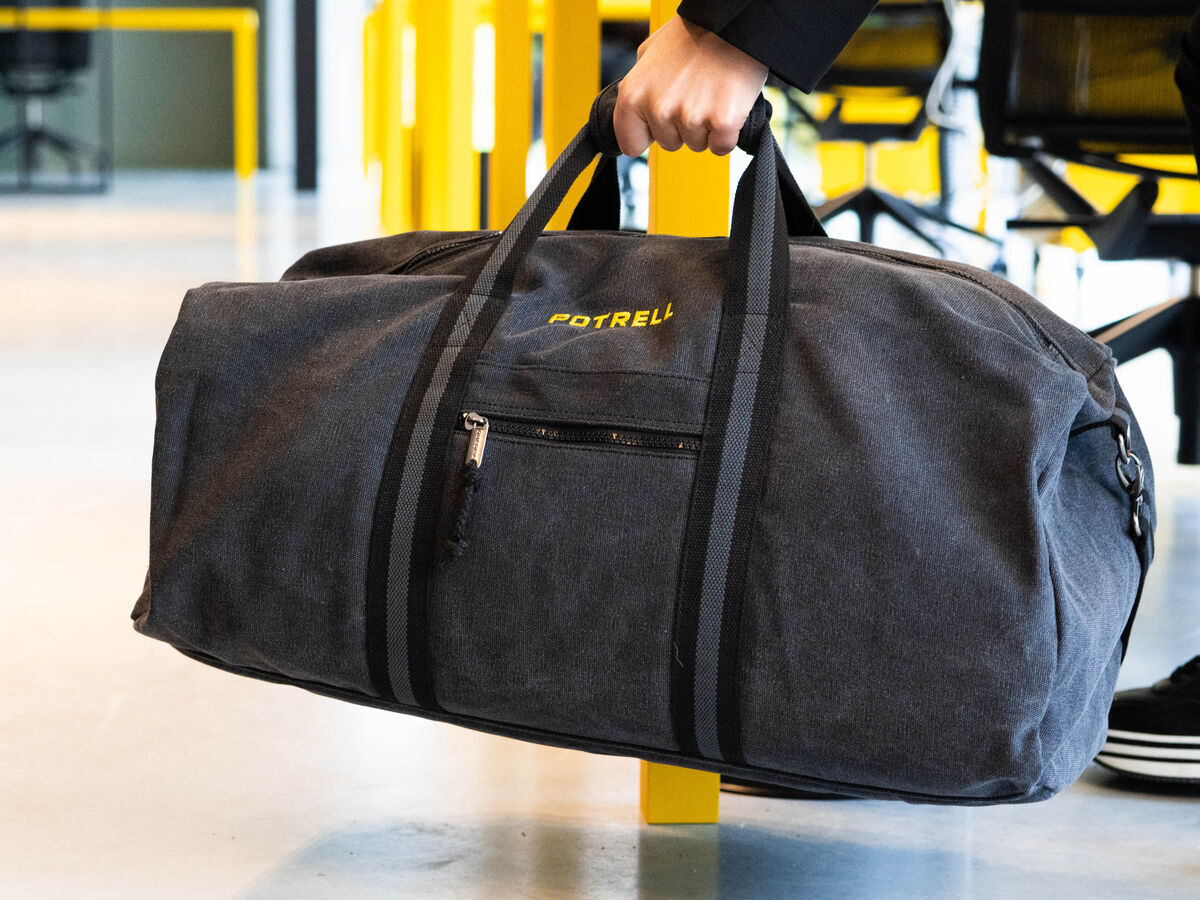
- It keeps generating impressions after delivery. A bag goes to the gym, the airport and the office. A jacket gets worn all winter. The gift keeps working while you are doing something else.
- The recipient keeps using it. That is the whole point. Every use is a small reminder of who sent it, and the reminder comes with a positive association because they chose to pick the thing up.
- Cost per impression improves over time. Food has a fixed cost and roughly one moment of attention. Merch has a fixed cost and an accumulating number of moments.
- No allergy, diet or religious exclusions. A backpack does not care about anyone's dietary requirements.
- It ships internationally without drama. No shelf life, no cold chain, no food-import documentation. With DDP, no surprise duties either.
- It can be genuinely custom. Your colours, your linings, your neck labels, your packaging, a hidden message inside. Food can be branded on the wrapper; merch can be the brand.
- It carries the moment. A dated item from a launch, an anniversary or a milestone becomes a small artefact of that moment. A chocolate bar cannot do that.
The honest caveat: all of this only holds if the item is good. A cheap branded item that nobody uses is worse than food, because at least the food was enjoyed once. Unused merch is clutter with your logo on it, and that association is not neutral. Our rule is brand less, package more — the bigger the logo, the less likely people are to use the product, and a subtly branded item that gets used every day produces vastly more real impressions than a loud one in a cupboard.
The cost per impression maths
This is the clearest way to compare the two, as long as you treat the numbers as a worked example rather than measured data. Use your own unit costs.
| Gift | Illustrative cost | Times seen or used | Rough cost per impression |
|---|---|---|---|
| Premium chocolate box | $25 | Opened once, shared over a few days | Dollars per impression |
| Popcorn tin | $15 | Sits on a desk for a week | Dollars per impression |
| Custom socks, three pairs | $35 | Worn perhaps weekly for two years | Cents per impression |
| Subtly branded backpack | $70 | Carried most working days for years | Fractions of a cent |
Two caveats before anyone uses this to justify a budget. First, impressions are not the only value of a gift; a food gift that lands perfectly at the right moment can move a relationship more than a bag that gets used quietly. Second, the merch numbers collapse to zero if the item is not used, which is why product choice and restrained branding matter more than the spend. The maths favours merch, but only merch people actually want.
If you are working out what a given budget buys on the merch side, corporate gifts under $50 and in bulk covers the arithmetic, and luxury corporate gifts covers what changes above $100.
Corporate food gifts vs branded merch, side by side
| Corporate food gifts | Branded merch | |
|---|---|---|
| Universal appeal | Very high | High, if the product is well chosen |
| Sizing and preference risk | None | Real, especially for apparel |
| Speed from decision to delivery | Days | Weeks for custom production |
| Works for large unqualified lists | Yes | Yes, with careful product choice |
| Seasonal fit | Strong, especially year end | Strong, with the right product |
| Clutter left behind | None | Some, if the item is poor |
| Lifespan | Days | Months to years |
| Brand longevity | None once consumed | Ongoing while in use |
| Cost per impression | Weak | Strong and improving over time |
| Allergies and dietary exclusions | A real constraint | Not applicable |
| Cultural and religious sensitivity | Needs care per market | Mostly a branding question |
| International shipping | Customs, shelf life, cooling | Routine, DDP available |
| Depth of customisation | Packaging and wrapper | Product, colours, trims, packaging |
| Best at | Local, seasonal, high-volume goodwill | Being remembered months later |
The decision framework: when to send food, when to send merch
Stop asking which is better in the abstract. Answer four questions about this specific campaign.
| Question | Points to food | Points to merch |
|---|---|---|
| Where are the recipients? | One country, mostly local, simple routes | Multiple countries, long routes, mixed customs |
| How long should this be remembered? | The moment itself is the point | Months or years from now |
| How well do you know them? | Barely, a large unqualified list | Well enough to choose something they will use |
| What is the objective? | Broad goodwill, a seasonal touchpoint | Relationship depth, retention, ongoing visibility |
Send food when
- Recipients are local or in one country with simple logistics.
- You have days, not weeks, and the moment cannot wait for production.
- The list is large, unqualified, and you know little about each person.
- The occasion is inherently seasonal or celebratory and a shared treat fits the mood.
- Your recipients are in an office where the gift will be opened and shared.
- You are gifting into a sector with strict rules on retained items, where something consumable is the more appropriate choice.
Send merch when
- You want to still be present in the recipient's week in six months.
- The list crosses borders, and customs, shelf life or cooling would be a problem.
- Allergies, diets or religious considerations would exclude part of your audience.
- The relationship is worth an investment and you know enough to choose well.
- The gift marks something: a first day, an anniversary, a launch, a milestone.
- You are building a repeatable programme rather than a one-off send. Programme logic is in how to run a corporate gifting program.
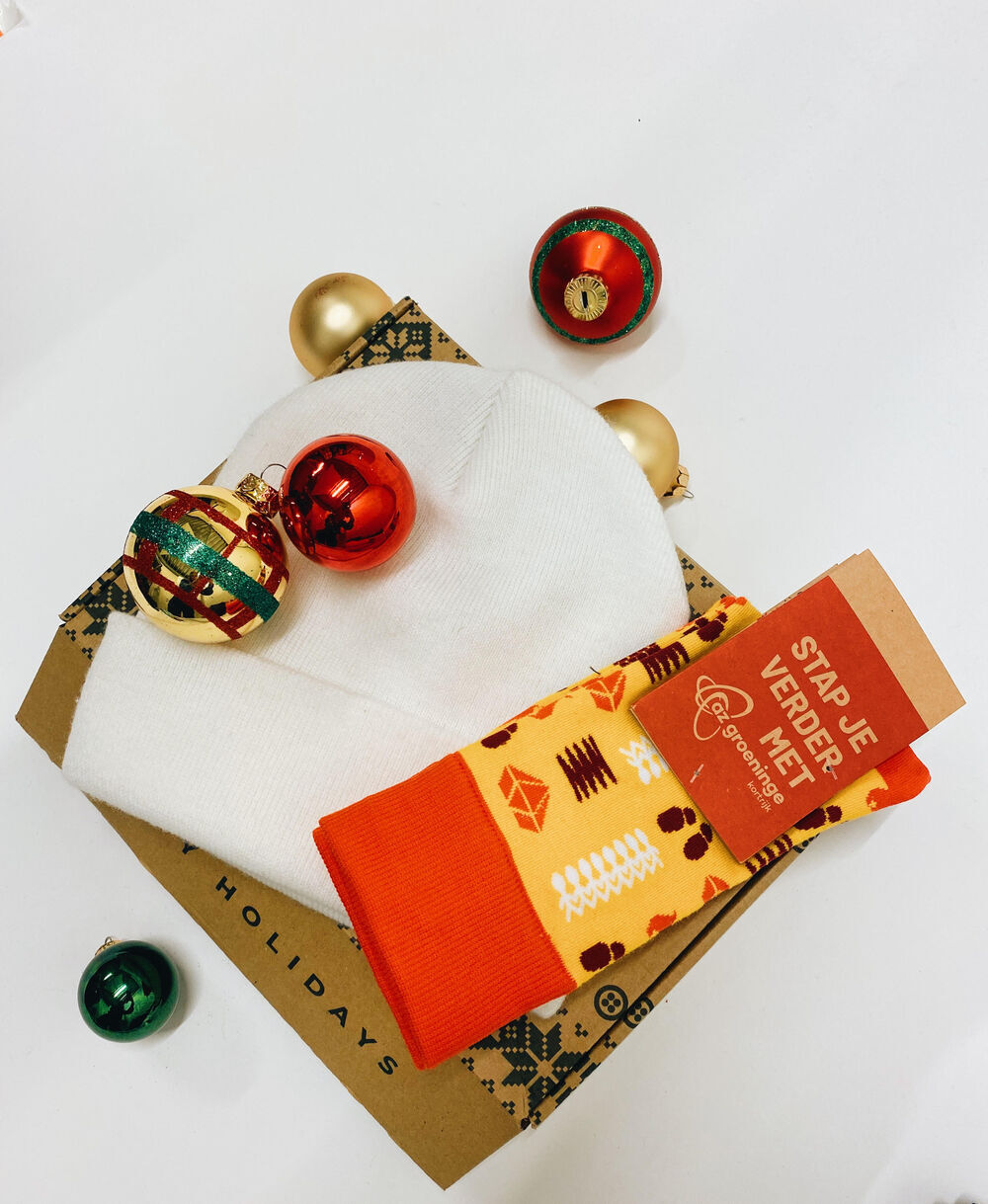
The seasonal box is where the two categories meet. There is room in here for something edible, and the box still exists in January.
The combination that usually beats both
The false premise in this whole comparison is that you have to pick one. The strongest seasonal gifts we see are hybrids: a small edible inside a branded kit. You get the immediate, universal, everyone-likes-this hit of the food, and a physical item that is still in use long after the treat is gone.
How to build one without it becoming a logistics project:
- Let the merch carry the brand, let the food carry the warmth. The item is subtly branded and built to last. The edible is small, good, and clearly a treat rather than the main event.
- Keep the edible simple and shelf-stable. No cooling, long shelf life, clear allergen labelling. Save the ambitious hamper for local sends only.
- Split the build by destination. Domestic recipients get the kit with the edible. International recipients get the same kit without it, or with a locally sourced equivalent added at a regional hub. Same gift, no customs problem.
- Make the box do the work. Packaging lifts perceived value more than upgrading the product does. A premium sleeve, an insert card and a real note beat a more expensive product in a plain mailer.
- Personalise the note, not every product. On a large list this is the sweet spot. It feels human without multiplying your operational complexity.
- Or offer a choice. Two or three curated options, one of which can be the edible one, lets recipients self-select around diet and preference. Choice itself improves the experience. More on this in personalized corporate gifts.
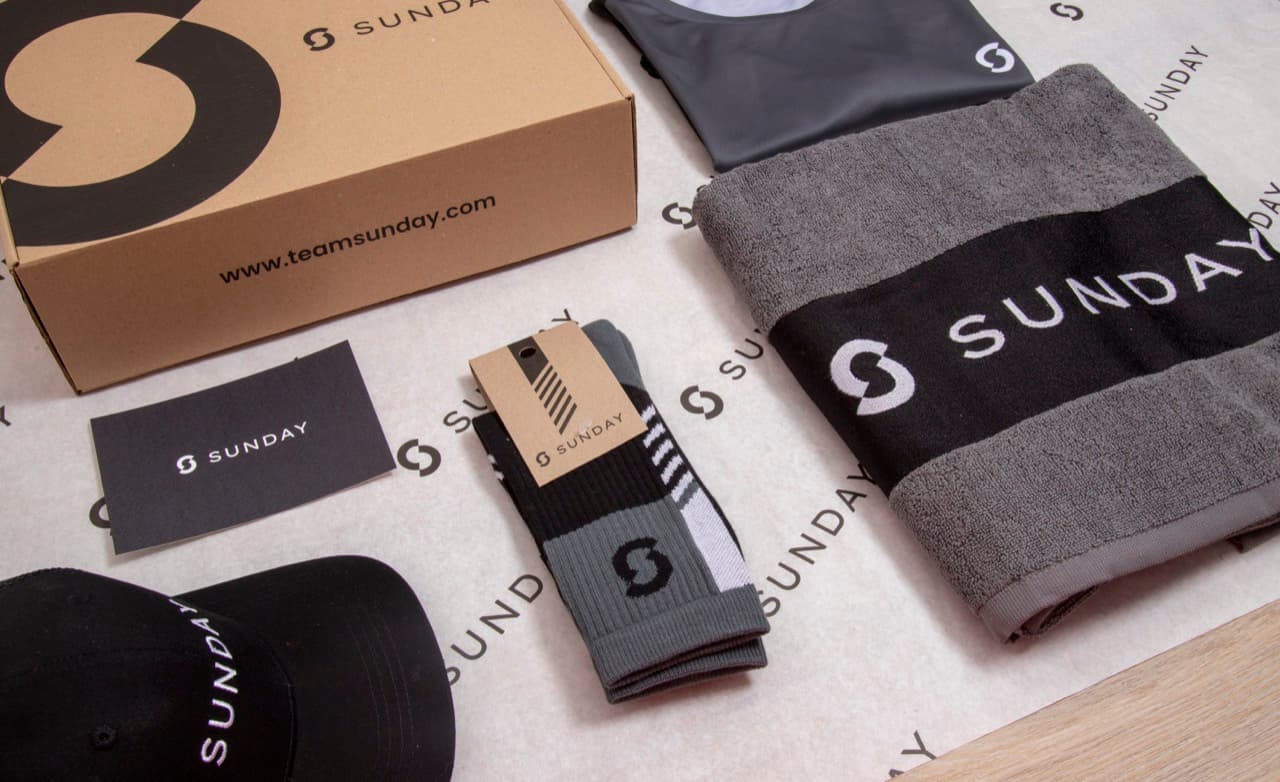
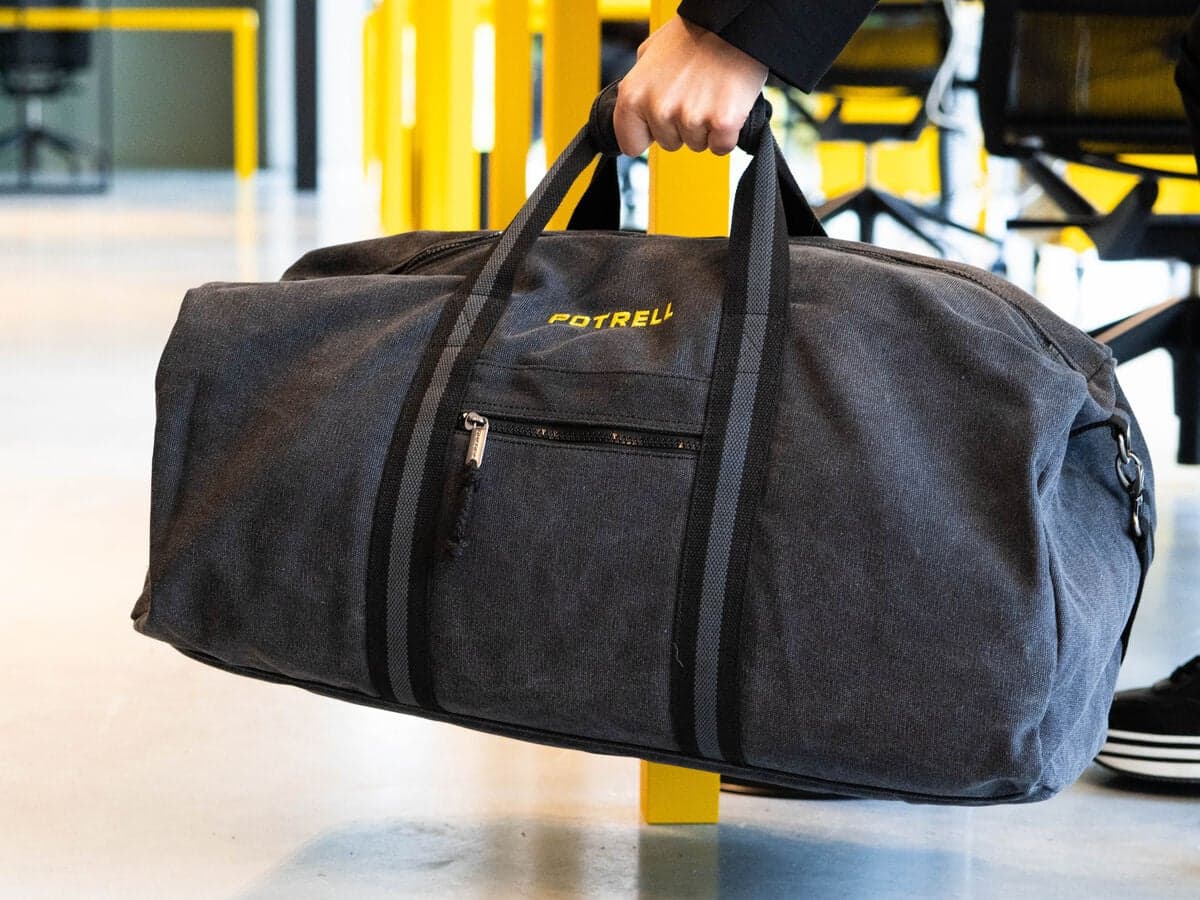
On what goes in the kit: custom socks are the one item that works almost every time. Everyone wears them, there is no sizing problem worth speaking of, they scale from one pair on a small budget to three premium pairs in a proper box, and if the recipient does not wear them, someone in their household will. Start with the custom socks guide, or go straight to custom socks and preview a design in the free sock mockup generator. For the higher end of the kit, a subtly branded custom backpack is one of the highest-use gifts there is, and you can lay out the branding in the free backpack mockup generator.
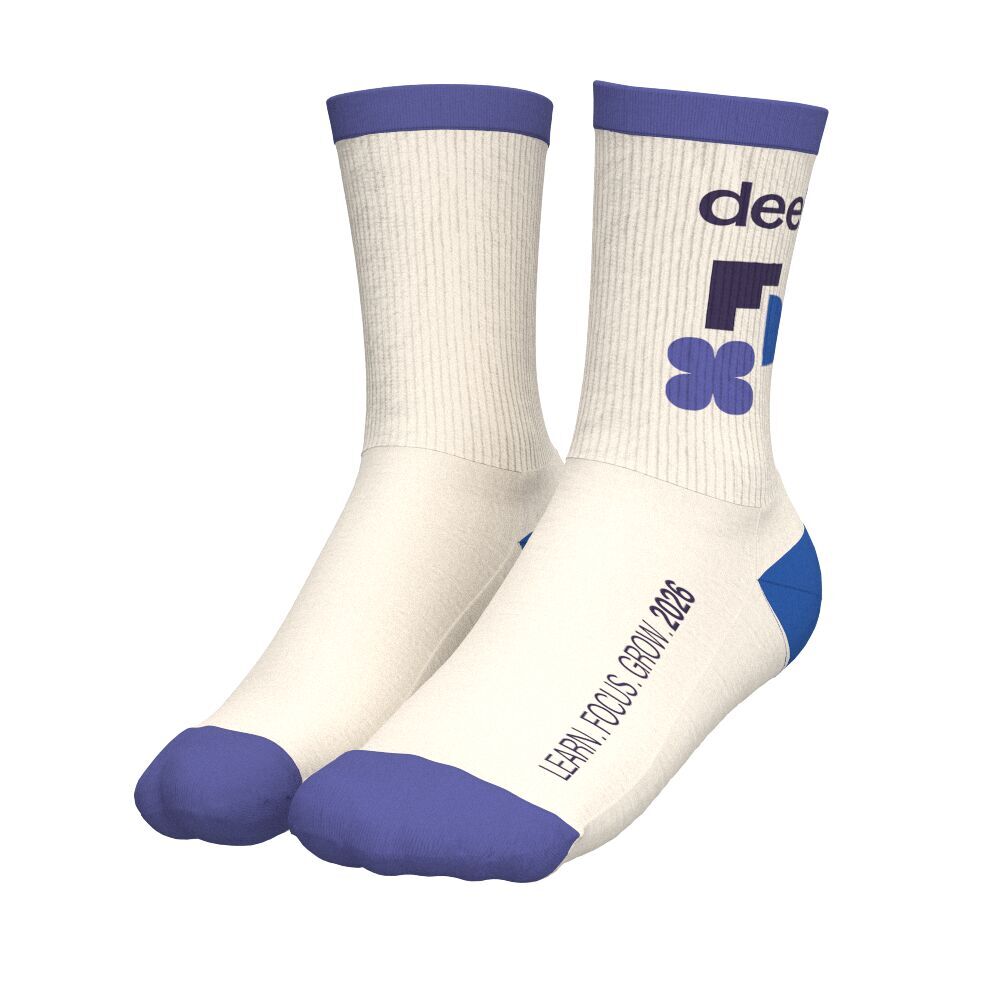
Subtle branding on a product people actually wear. This is the half of the gift that is still working in year two.
Where to go next
If this comparison pushed you toward merch, the fastest route is corporate gift ideas for the full category map, or best corporate gifts if you want the shortlist rather than the survey. For gifts that get used for years rather than months, eco friendly corporate gifts makes the durability argument properly: the most sustainable gift is the one people keep using.
By audience: corporate gifts for employees covers internal gifting, where branding can be more expressive, and corporate gifts for clients covers the opposite end, where restraint wins. Seasonal sends have their own timeline in corporate Christmas gifts, and thanking customers is covered in customer appreciation gifts.
On the branding question, branded corporate gifts explains the difference between decorating an existing product and building a custom one, and corporate gifts with logo covers placement and size. If food is going to be part of an event rather than a mailing, event merchandise is the relevant playbook. Choosing a supplier for any of this is covered in corporate gifting companies.
When you are ready to build the merch half, the catalog is the starting point, the platform handles custom production, packaging, warehousing and global DDP delivery, and how it works explains the mechanics. Pair it with a local edible supplier for your domestic list and you have the best version of both categories.
About this article
Build the half of the gift that lasts
Custom production, premium packaging and global DDP shipping, so your kit arrives complete and nobody pays duties on a gift. Create a free account and design it in your brand.
Design your gift