Definition
Ribbed knit is a stretchy knit fabric with raised vertical ridges that give it strong recovery and a snug, flexible fit. Those ribs let the fabric expand and spring back, which is why it is the standard choice for cuffs, collars, and fitted garments.
Definition
Ribbed knit is built from alternating knit and purl columns that run vertically down the fabric. Those columns form ridges and grooves, and the structure compresses and stretches sideways far more than a flat jersey. When the tension releases, the ribs pull the fabric back to shape.
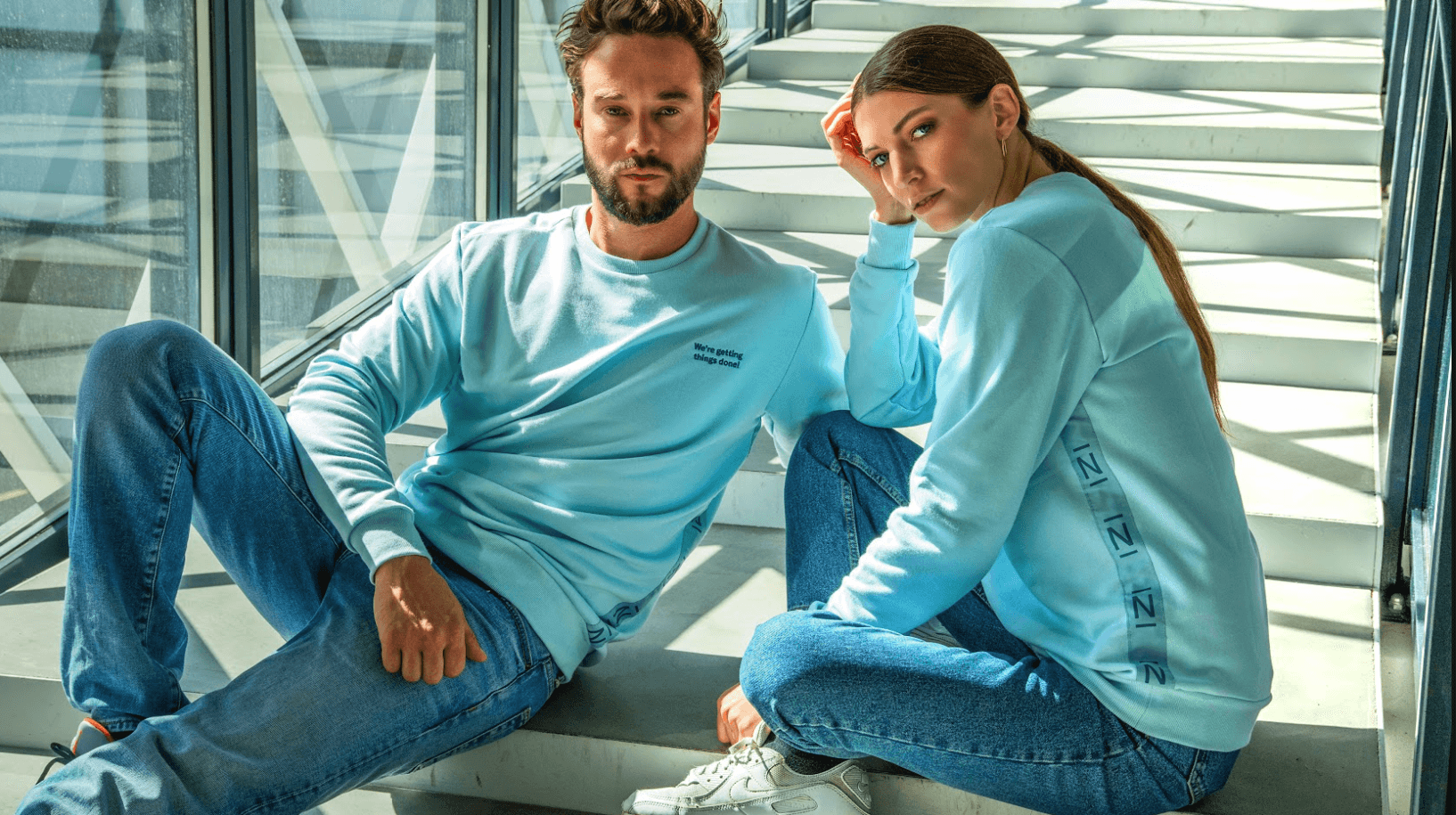
A clear example: the cuffs and hem of a branded sweatshirt. The ribbed band hugs the wrist, keeps warmth in, and snaps back after being pulled on and off, so the garment keeps its shape through heavy wear.
How ribbed knit works
The stretch comes from the geometry. Because the knit and purl ridges fold against each other, the fabric can open out widthwise and then recover. This is why ribbing grips at the wrist and waist without a separate elastic. Ribs are often described by their count, such as 1x1 or 2x2, which refers to how many stitches alternate and how deep the ridges sit.
Ribbed knit is made from cotton, cotton blends, and synthetics, usually with a little elastane for extra recovery. Cotton-rich rib is soft and breathable for tops and dresses, while synthetic blends hold shape longer under repeated stretching. The trade-off is softness against long-term recovery, so the right pick depends on whether the rib is a trim or the whole garment.
In merch, ribbed knit shows up in two roles. As trim, it finishes cuffs, collars, and waistbands so a garment looks neat and wears well. As a main fabric, it makes fitted tops and beanies that follow the body and read as a more fashion-led piece.
Ribbed knit in branded merch
- Cuffs, collars, and hems. Use ribbed knit trim on branded sweatshirts, polos, and jackets so the garment fits cleanly at the edges and keeps its shape over time.
- Beanies and headwear. A ribbed beanie stretches to fit most head sizes and carries a woven label or embroidery well, which makes it a reliable cold-weather giveaway.
- Fitted lifestyle tops. Ribbed tops and dresses give a brand apparel line a modern, body-skimming silhouette that stands apart from boxy basics.
Ribbed knit is a textured knit fabric made of alternating raised and recessed columns that give it pronounced stretch and shape recovery.
5 tips to elevate your Ribbed knit strategy
| Tip | Steps |
|---|---|
| Pick the right rib count | Use 1x1 rib for a flat, subtle trim and 2x2 rib for a chunkier, sportier look. |
| Add elastane for recovery | Choose a rib with a little elastane where shape retention matters, such as cuffs and waistbands. |
| Mind decoration stretch | Place prints on stable areas, since artwork on heavily stretched rib can distort when worn. |
| Match trim to body fabric | Coordinate the rib color and weight with the main fabric so cuffs and collars look intentional. |
| Test logo placement | On fitted rib tops, check that embroidery sits flat and does not pucker when the fabric stretches. |
Key Terminologies
Frequently Asked Questions
What is ribbed knit used for?
Ribbed knit is used for cuffs, collars, waistbands, beanies, and fitted tops wherever stretch and shape recovery matter.
Why does ribbed knit stretch so much?
Its alternating raised and recessed columns fold against each other, so the fabric opens out widthwise and then springs back to shape.
What does 1x1 or 2x2 rib mean?
The numbers describe how many knit and purl stitches alternate. 1x1 gives a flat, fine rib and 2x2 gives a deeper, chunkier ridge.
Is ribbed knit good for beanies?
Yes. The stretch lets one size fit most heads, and the structure keeps the cap snug and warm, which makes it a popular branded item.
What is ribbed knit made from?
Ribbed knit is made from cotton, cotton blends, or synthetics, usually with a small amount of elastane for extra recovery.